"Slow Food" in the Villnöss Valley: A breed of sheep shapes Northern Italy's tourism
The peaceful Villnöss Valley has become Northern Italy’s first official “Slow Food Travel” destination. What exactly does that mean—and what role does a nearly forgotten sheep breed play in it all? It’s a story that couldn’t be more emblematic of the region.
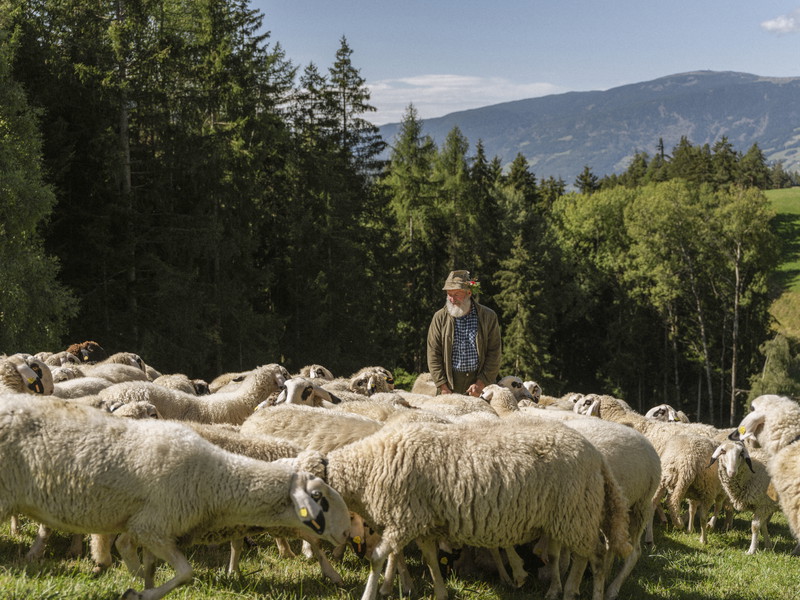
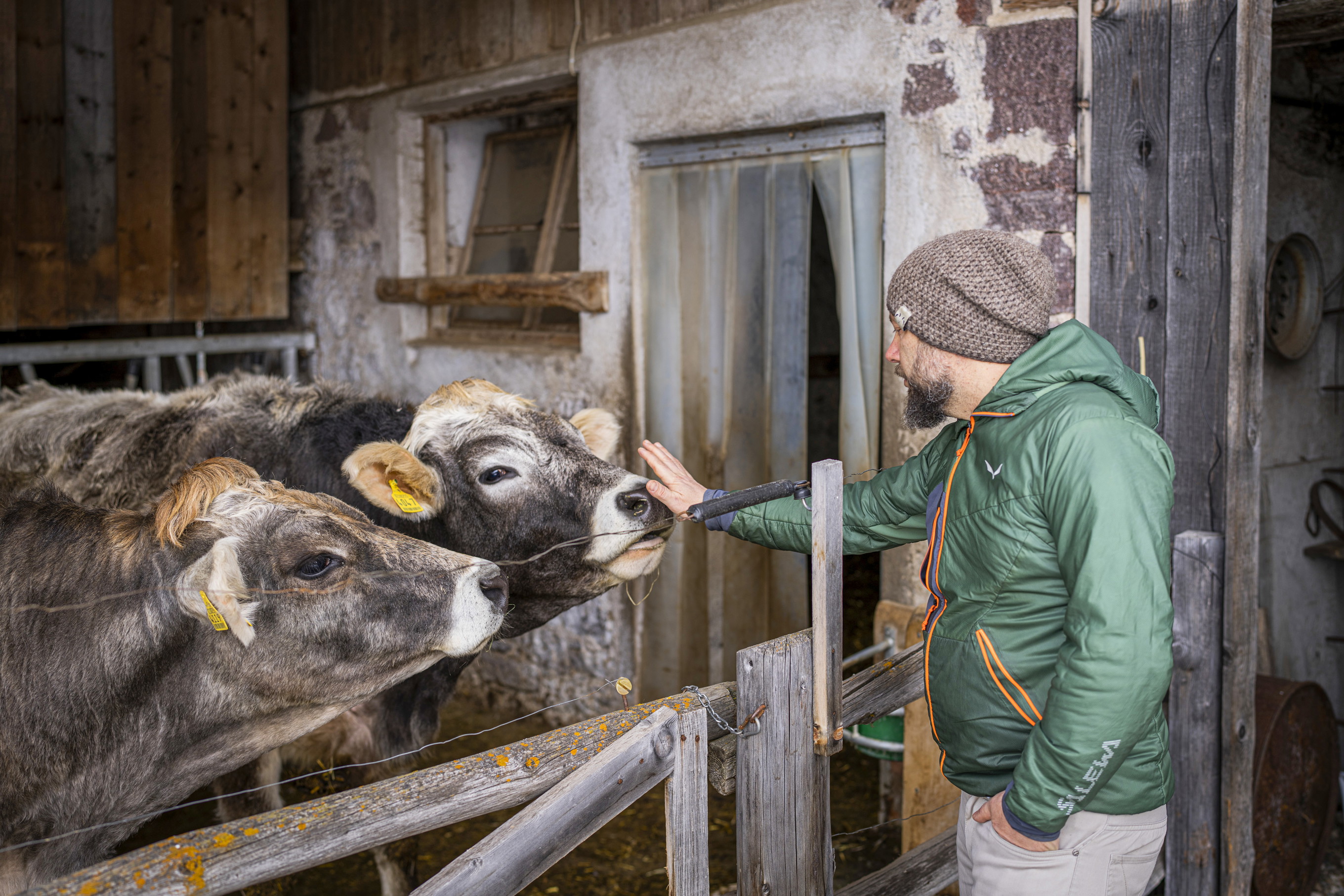
On a day marked by the typically unpredictable weather of April, Günther Pernthaler stands outside his farm at 1,300 meters (4,265 feet) above sea level in the Villnöss Valley, feeding hay to his sheep. Wisps of fog drift through the lush green valley, and the rain of recent days has turned the ground to mush, causing the animals’ hooves to sink into the mud. Pernthaler—a rugged man with a gray, bushy beard, felt hat, and traditional blue farmer’s apron—aims to live as self-sufficiently as possible.
That’s why, in addition to sheep, he raises cattle, pigs, and turkeys, cultivates wine, heritage fruit, and ancient grain varieties using permaculture methods, and produces his own bacon, sausages, and honey. All of this allows him to provide about 50 percent of his family’s food himself, as the former agricultural technician proudly explains. He also offers guided hikes followed by rustic snack breaks, where he introduces visitors to the mountain landscape, the work of alpine farmers, and the values he lives by.
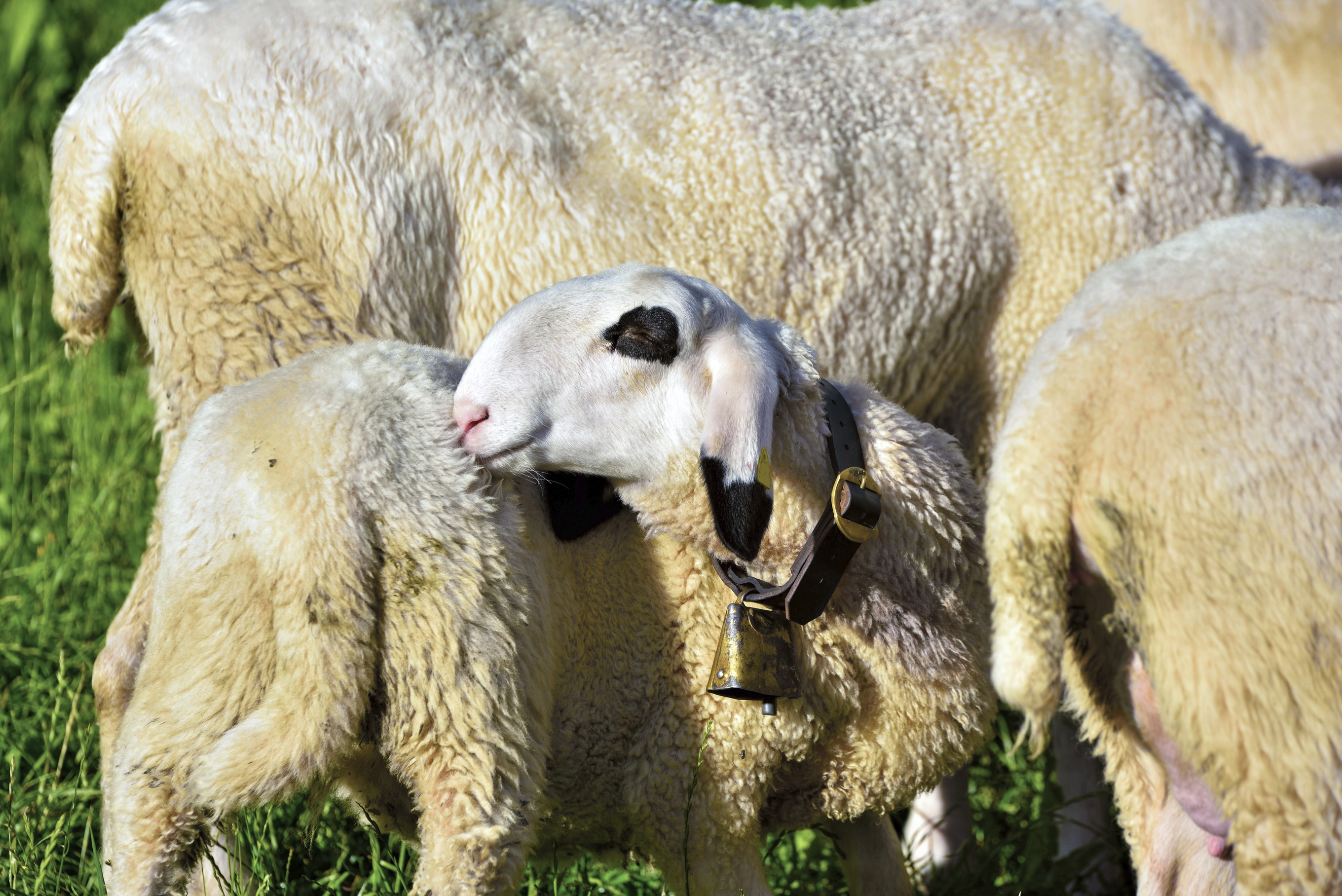
A key part of that is raising a flock of about 50 sheep that belong to a local, ancient breed once on the brink of extinction: the Villnöss spectacled sheep (Villnösser Brillenschaf). “Tomorrow they’ll be heading out to pasture for the first time this year,” says Pernthaler. “They’ll stay there until June, then move up to the high alpine meadows until September, when they come back down.”
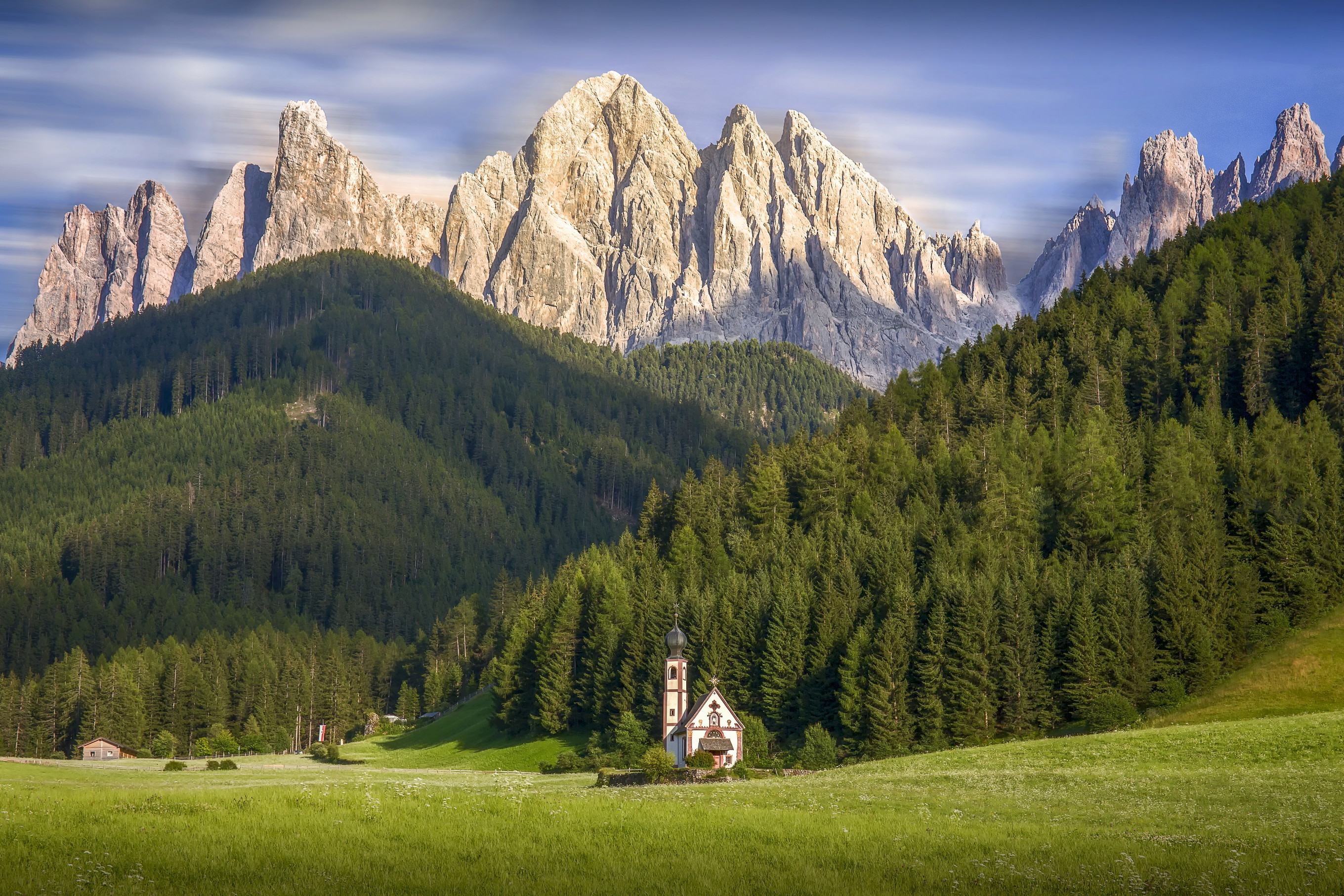
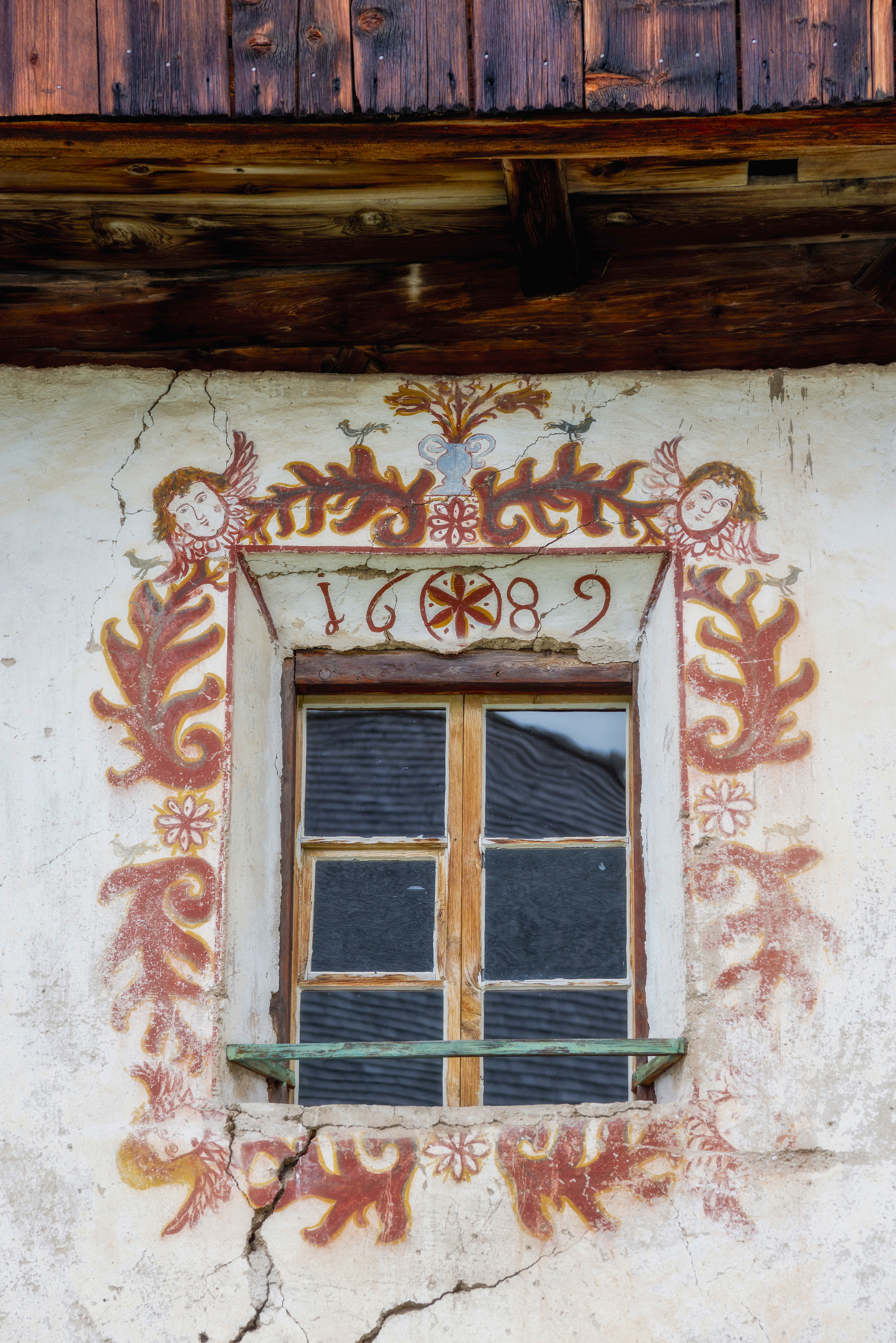
There's not much going on in the picturesque side valley of the much busier Eisack Valley, where a lot of trade and industry is located. And by North Italian standards, not many tourists get lost here either, as there's no mass tourism at all. Only the Chapel of St. John in the village of Villnöß attracts buses full of travelers who want to get a picture of the picturesque chapel with the dramatic mountain group of the Geisler peaks in the background.
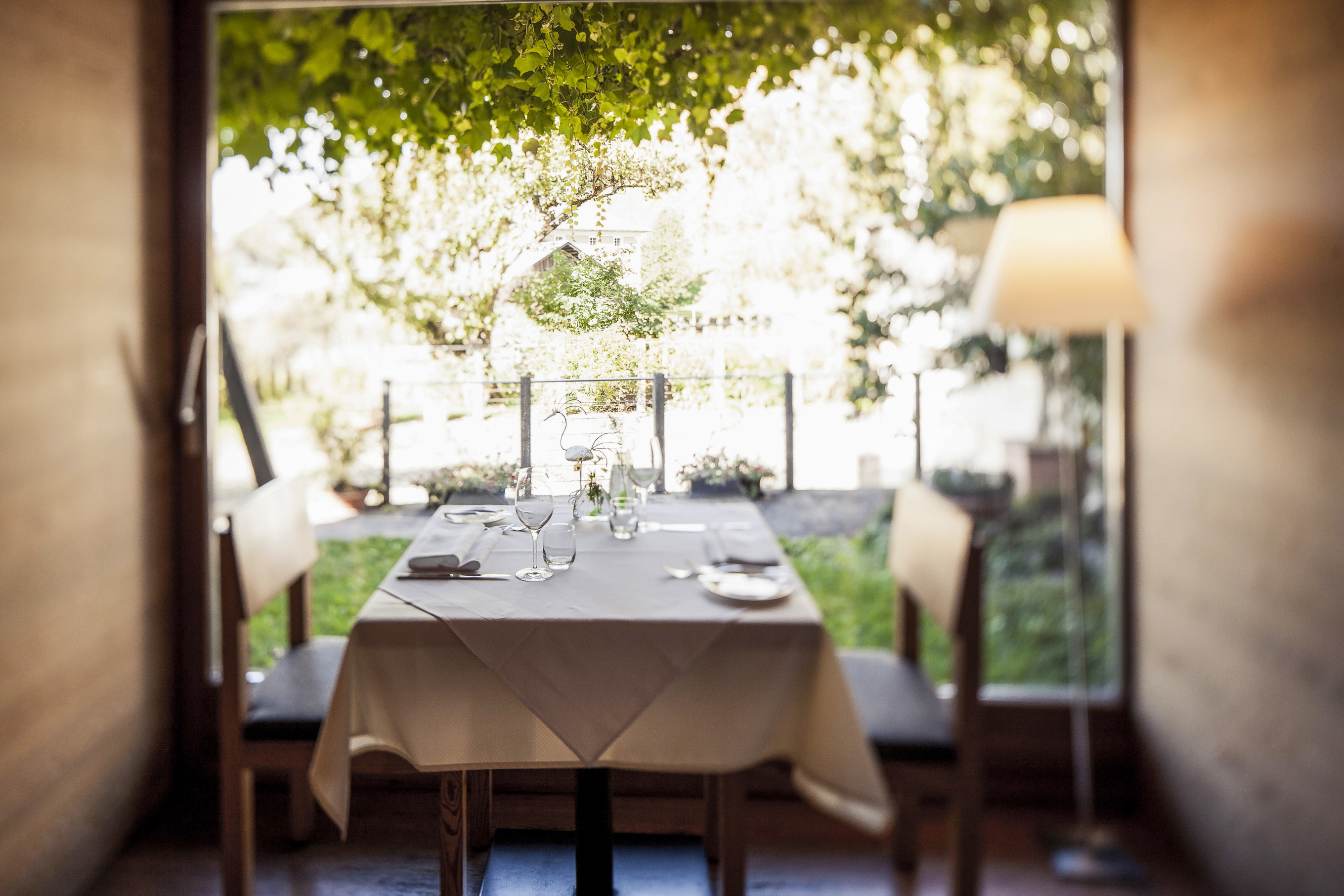
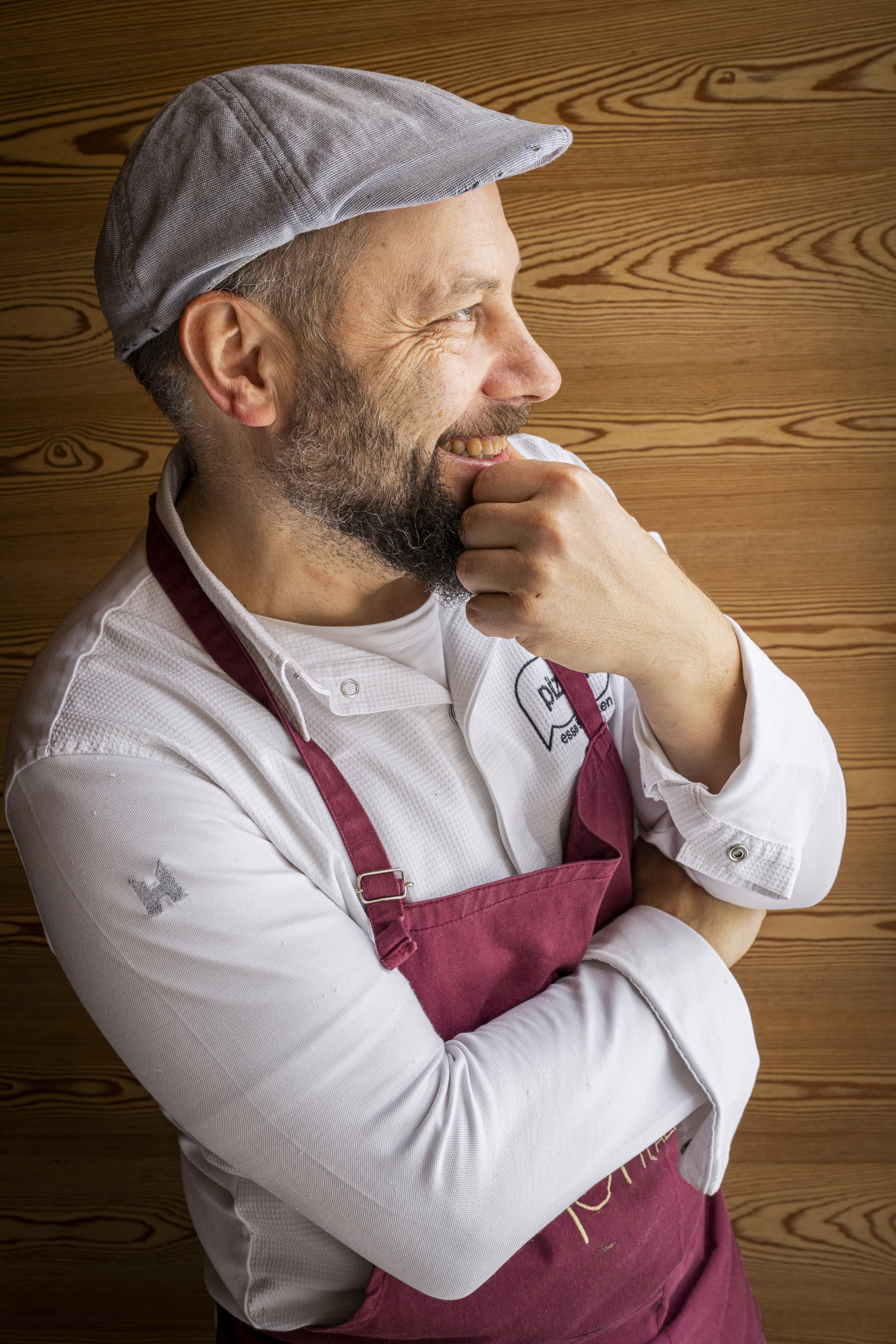
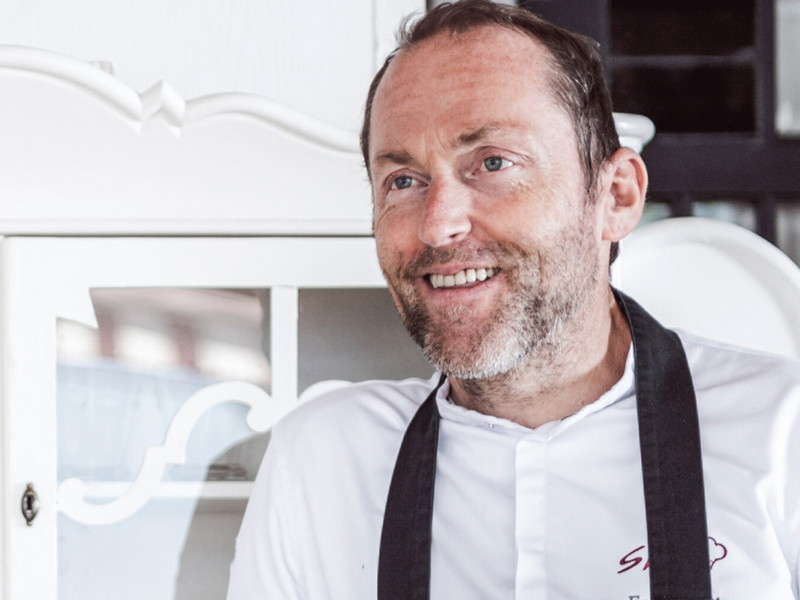
"This is definitely one of the most popular photo opportunities in the whole of Northern Italy, but tourists usually just jump out of the bus, take their photo and leave again. All we are left with is the garbage they leave behind," says Oskar Messner. The chef and host of the prestigious Villnöss restaurant "Pitzock" is a friend of Günther Pernthaler and is himself considered a kind of patron saint of the spectacled sheep.
"I grew up here in the valley, sheep were kept on most of the farms around my parents' house and pub, but for a long time I wasn't aware that they were a special breed," says Messner. A few years later, he took over the restaurant himself and continued to run it as a bar and café until he realized that this no longer fulfilled him. So the trained chef decided to turn his parents' business into a restaurant, and one with exclusively regional products - which was anything but a matter of course 20 years ago.
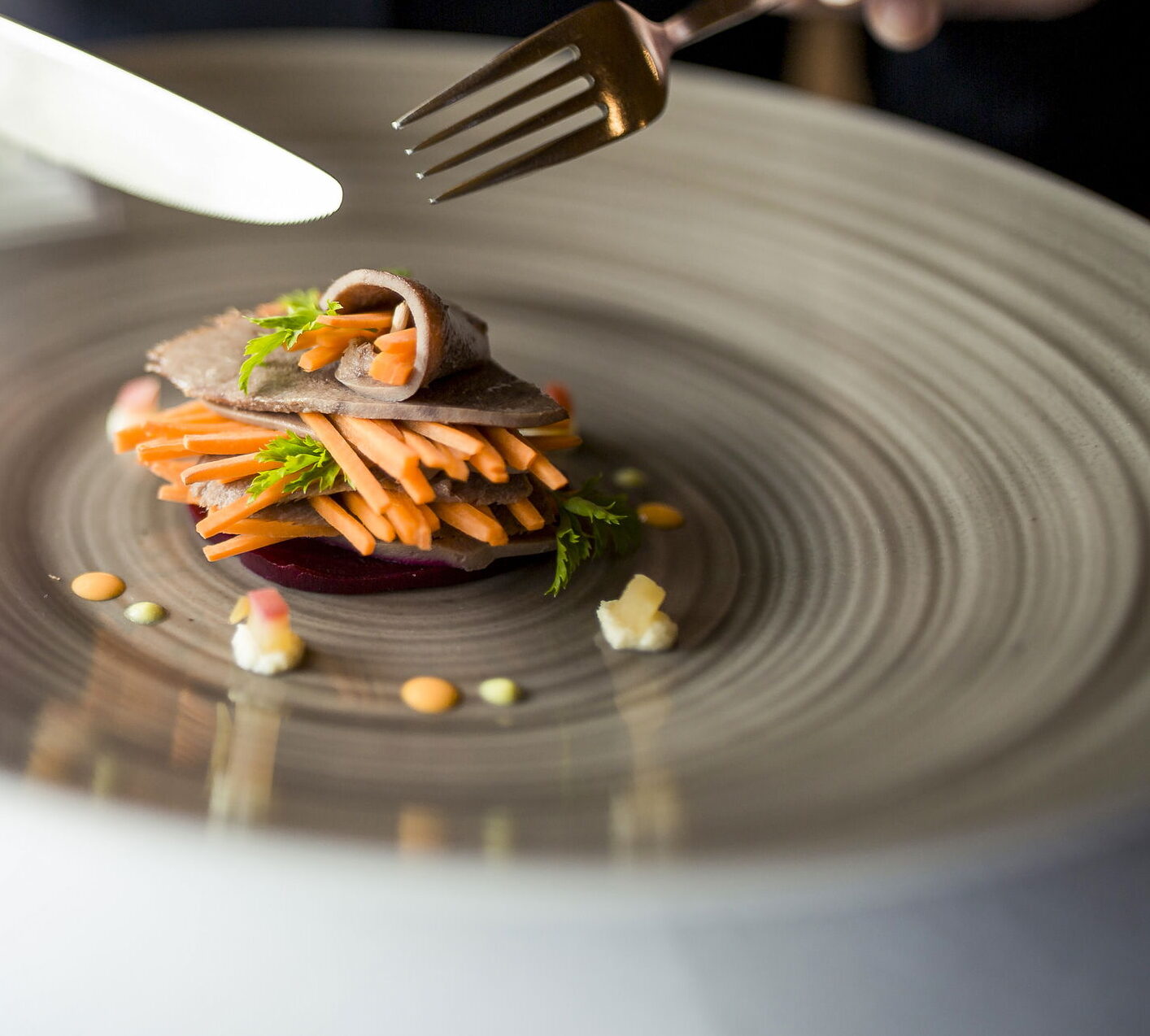
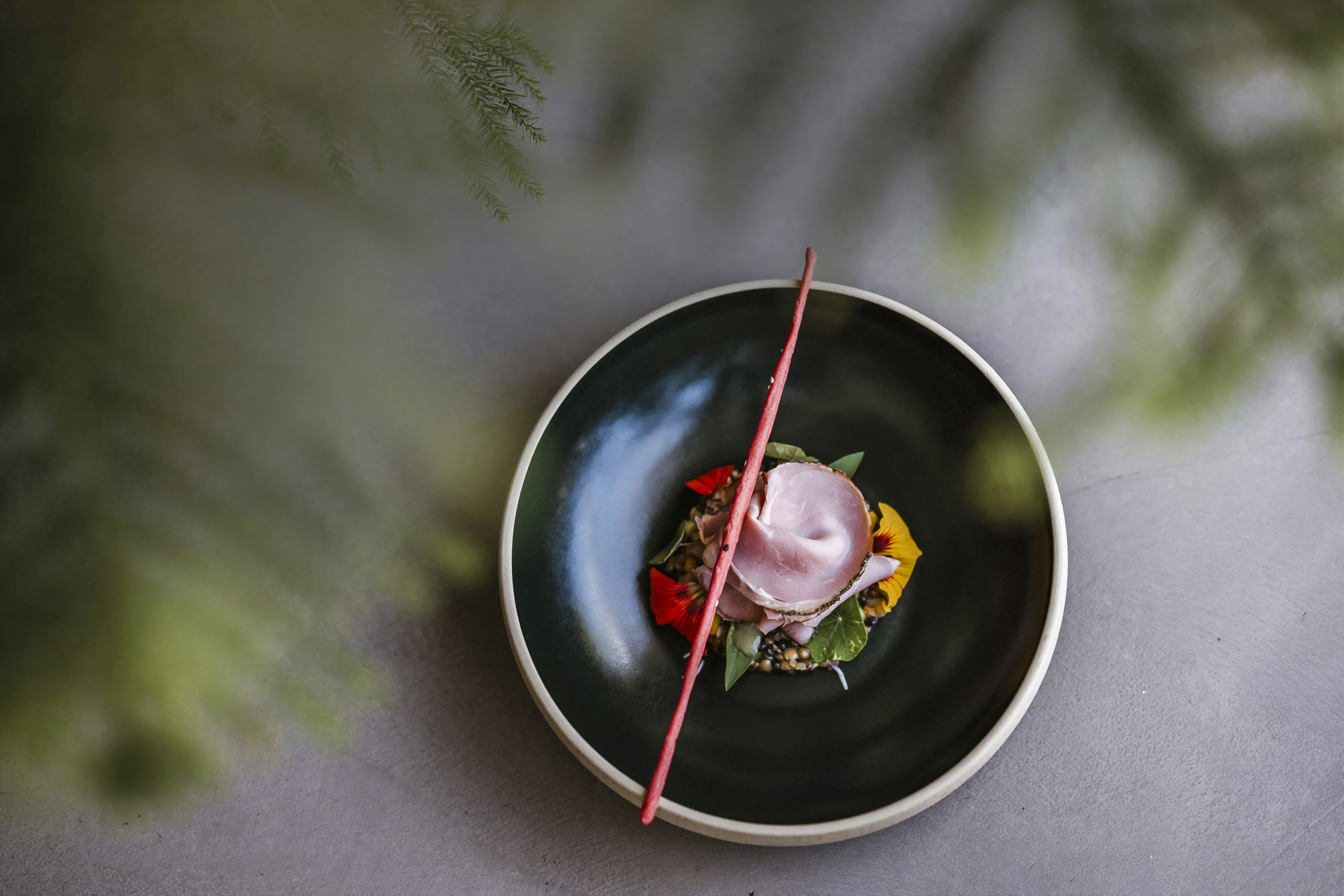
"One day, a farmer brought me a lamb," says Messner. "The meat was tender, fine-fibered and exceptionally good- thanks to being fed on local hay and pasture grass. That sparked my interest in the breed." The landlord founded a company and began to not only process the lamb meat in his restaurant, but also to refine it; for example into Kaminwurzen sausages, salami and an amazing smoked cooked lamb ham, which customers are still clamoring for today, so that there is less of it than he could sell.
Travel slowly, enjoy deeply
In 2011, the breed was recognized by the Slow Food movement founded in Italy as a Presidio - a seal of protection for livestock breeds that are particularly worthy of protection. Since then, the Villnösser Brillenschaf has been under their protection and is specifically presented and promoted at trade fairs, conferences and markets of the movement.
"We started with ten breeders and now work with 45," says Messner. "In general, the success is difficult to quantify, but the indirect profitability of the project is enormous: the spectacled sheep provide more motivation for the farmers, their rearing helps to maintain the landscape and raises the profile of the entire valley. This in turn attracts more and more interested visitors," says the chef and restaurateur.
Meat from Villnöss lamb has long been found in some of the best gourmet restaurants in Northern Italy. But Messner wanted to go even further: the next step was to market the sheep's wool instead of disposing of it, as had been customary up to then.
"We said to ourselves that it makes no sense to give the farmers a perspective by buying the meat and at the same time watch the wool being destroyed - when wool production and processing is part of our history and culture," explains Messner. And so the search was on for creative partners - and they came across the local company Naturwoll, which produces mittens, hats, socks, blankets and much more from the wool.
Finally, the decision was made to become the first Slow Food Travel destination in Northern Italy. Under the motto "Experience the world instead of just seeing it", this is a tourism project that aims to introduce visitors to an area through local cultures, food, crafts and gastronomy. "Visitors meet shepherds, farmers, cheese makers, butchers, bakers and winemakers as well as the chefs who process their products," says Messner, "so that they can experience the history of an area and its local traditions."
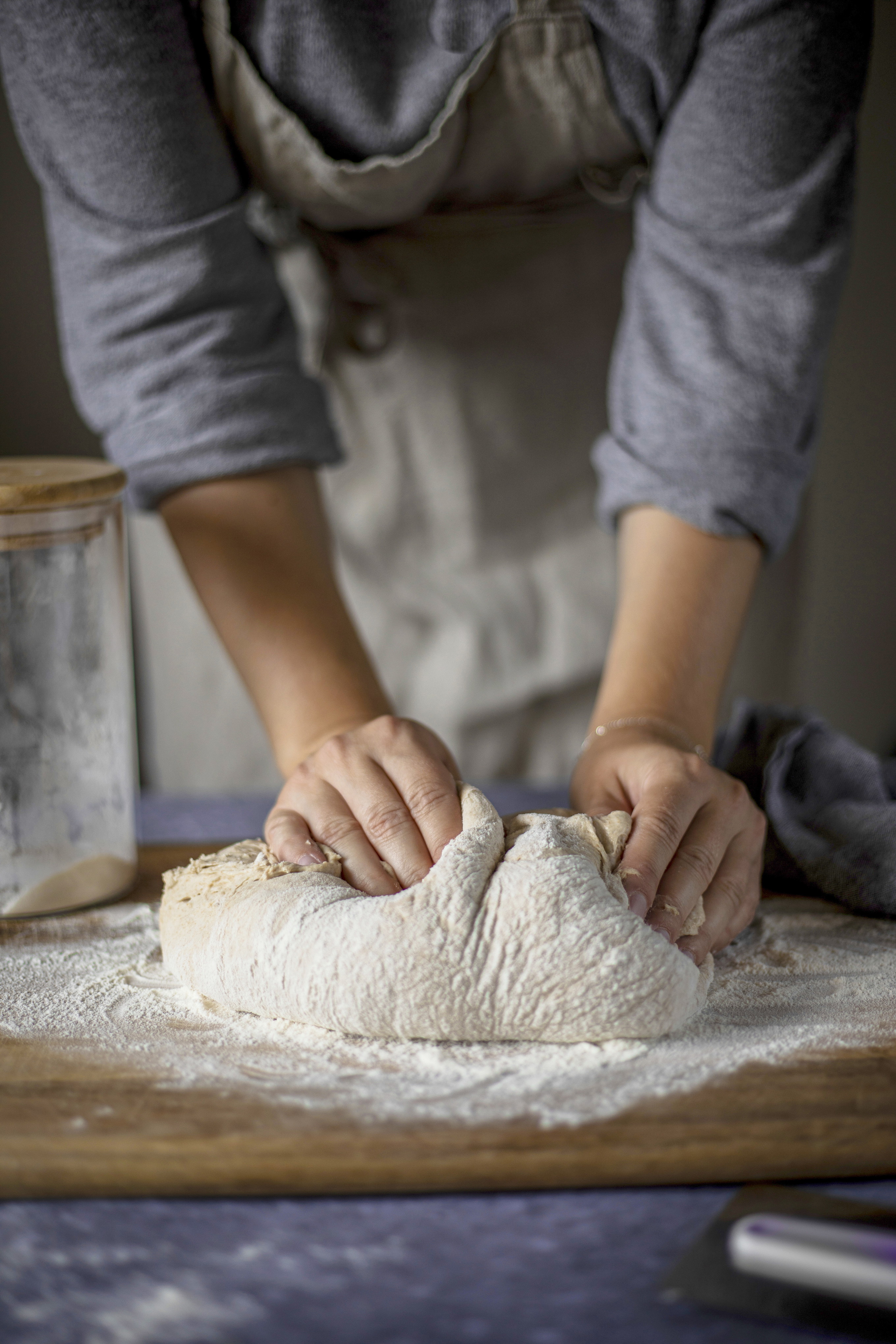
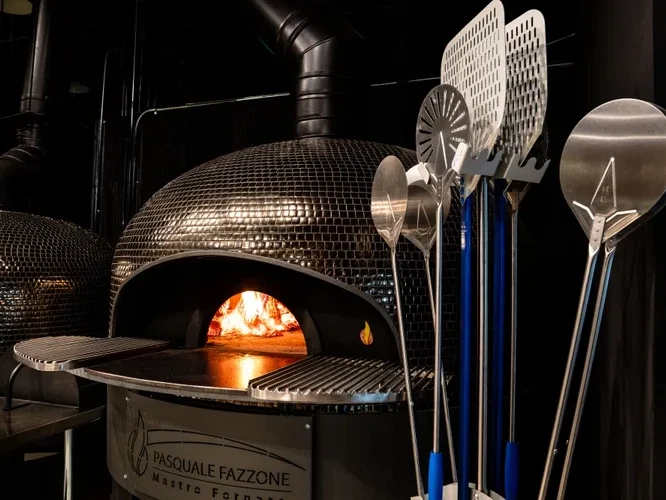
And so today, in the picturesque Villnöss Valley, between magnificent mountains, green alpine pastures and picturesque villages, you can watch cheese being made on organic farms and take part in the process yourself; cycle from farm to farm on an e-bike and taste bacon, sausages and cheese; collect and process wild herbs with experts; bake farmhouse bread together in wood-fired ovens - and accompany Günther Pernthaler to his sheep. And if you don't have the time, inclination or mood for all that, you can always stop off at Pitzock restaurant and sample Oskar Messner's excellent cuisine with Villnöss lamb and other local delicacies.
Things to experience in the Villnöss Valley
Günther Pernthaler (1)
He is not only concerned about preserving the spectacled sheep, but also about living as self-sufficiently as possible. His guided hikes give visitors the opportunity to learn more about his beliefs and the working methods of mountain farmers.
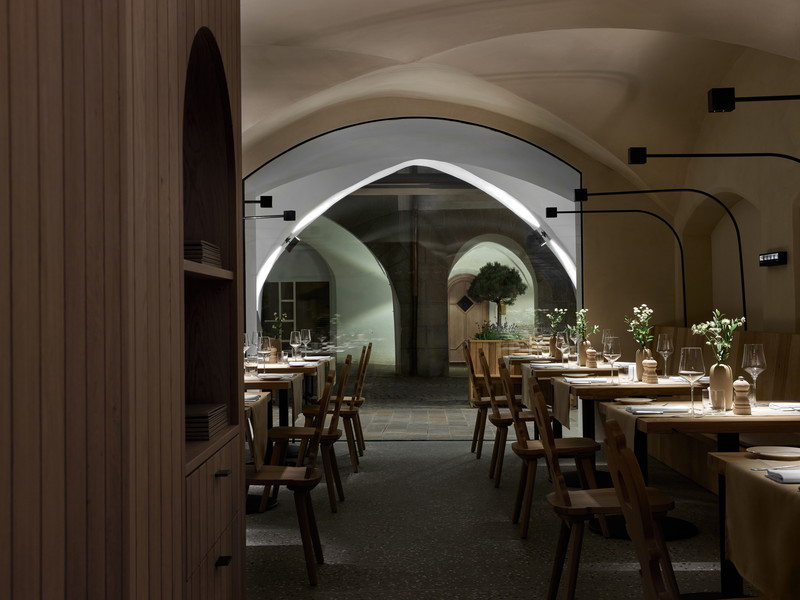
Restaurant Pitzock by Oskar Messner (2)
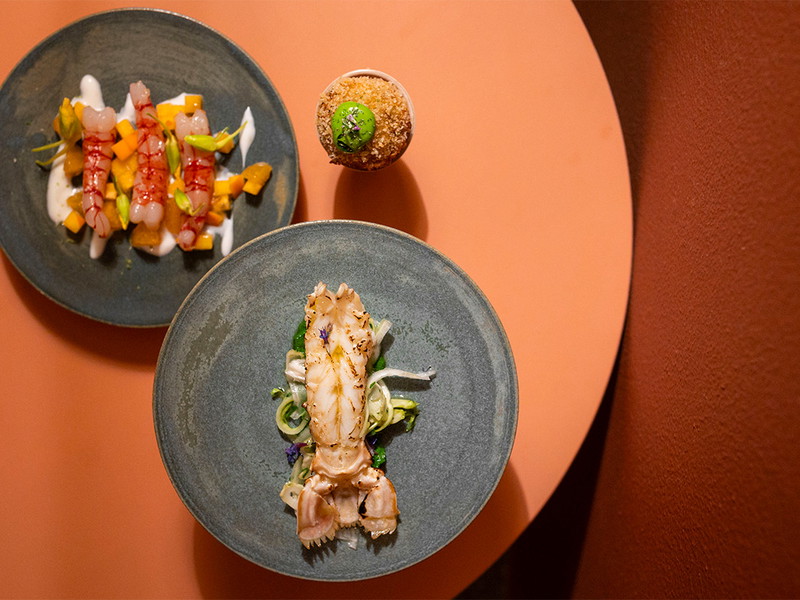
This somewhat different eatery in the Villnöss Valley serves up traditional dishes and yet still provides culinary surprises: Oskar Messner's cuisine is known for its sophisticated preparations and clever creations using regional products.
pitzock.com
Naturwoll (3)
Anyone looking for high-quality products made from spectacle sheep's wool will find what they are looking for at this Villnöß-based company.
naturwoll.com