Skip to content
© Shutterstock

The 5 most dangerous vacation destinations that still attract numerous tourists

Fernreisen
Urlaub
China

Adrenaline rush instead of relaxation under palm trees: some vacation destinations are so fascinating that people travel to them despite their dangers. The goal of some? Thrill.

For most people, vacation means pure relaxation. But there are places in the world that turn this idea on its head. Places that attract daredevil adventurers, even though - or precisely because - they are among the riskiest locations on our planet. Falstaff presents five destinations where thrills and the power of nature go hand in hand.

1st Hua Shan, China

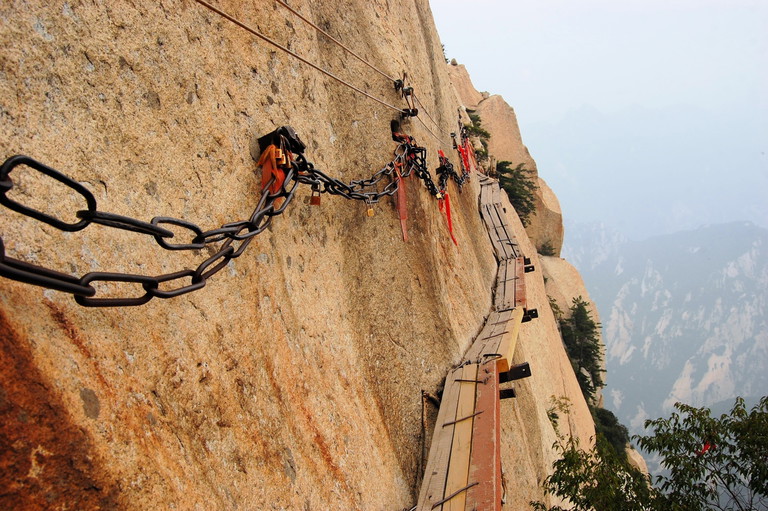
A board, barely wider than two feet, attached to a rock face at an altitude of over 2,000 meters: the ascent to Hua Shan is considered one of the riskiest routes in the world. Those who venture onto the "Plank Walk" move with a thin climbing harness over wooden planks that are screwed directly into the vertical wall. Rumor has it that around 100 people have already died here. Nevertheless, adventure-seekers make a pilgrimage here time and again - attracted by the view of the surrounding peaks and the promise of testing their own limits.

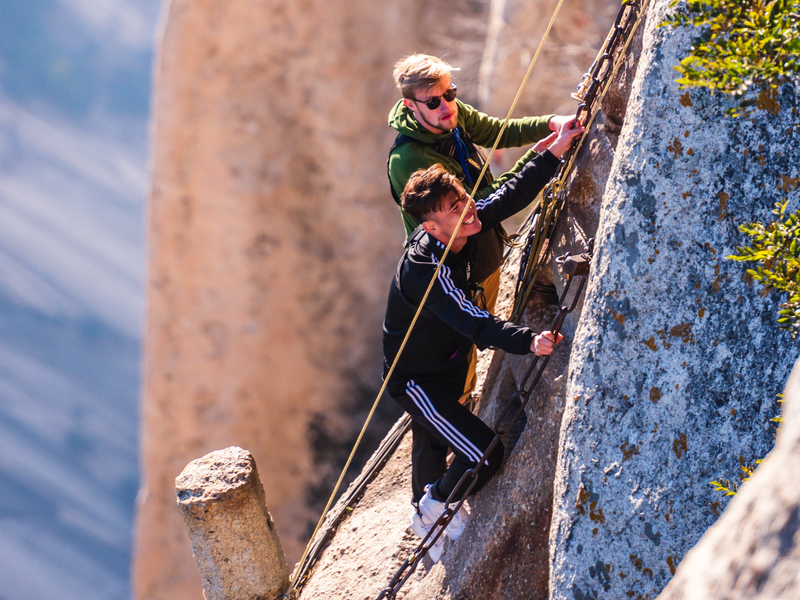
Der »Plank Walk« ist nichts für Menschen mit Höhenangst.
© Shutterstock
Der »Plank Walk« ist nichts für Menschen mit Höhenangst.

2. Victoria Falls, Zimbabwe

The Victoria Falls are one of Africa's most spectacular natural wonders. But anyone who dares to venture to the edge of the 100-meter deep abyss in the so-called "Devil's Pool" is playing with fire - or rather: with water. Only a narrow ledge separates bathers from the free fall. In the dry season between August and January, the risk is calculable as the water level is lower. Nevertheless, the view over the abyss is not for the faint-hearted. And yet: the photo at the edge of the world remains the ultimate souvenir for many.

3rd Yungas Road, Bolivia

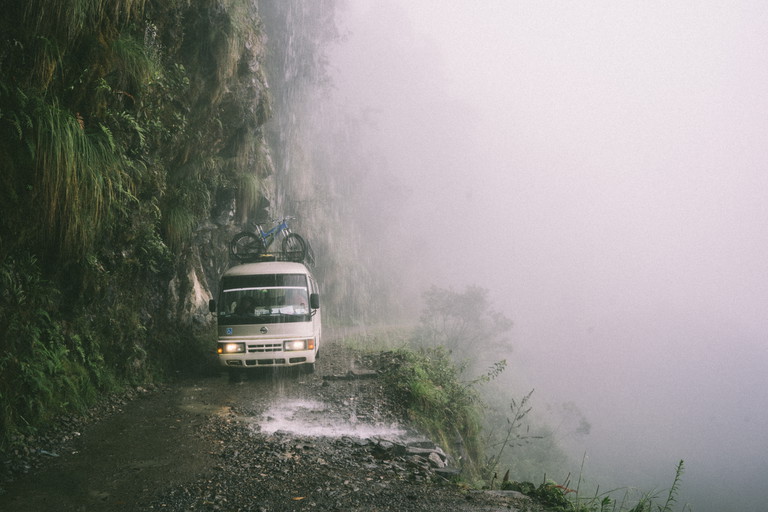
The Nordyungas road connects La Paz with Coroico and bears the name "Death Road " - not without reason, of course. For almost 70 kilometers, the narrow road winds along steep slopes, often without a guardrail, while fog and rain make visibility difficult. For a long time, the route was considered one of the deadliest roads in the world, with 200 to 300 deaths a year. A safe bypass has been in place since 2006. Now the road attracts mountain bikers instead, who want to get an adrenaline rush on two wheels.

Für viele Reisende ist die Gefahr Teil des Reizes.
© Shutterstock
Für viele Reisende ist die Gefahr Teil des Reizes.

4 Chernobyl, Ukraine

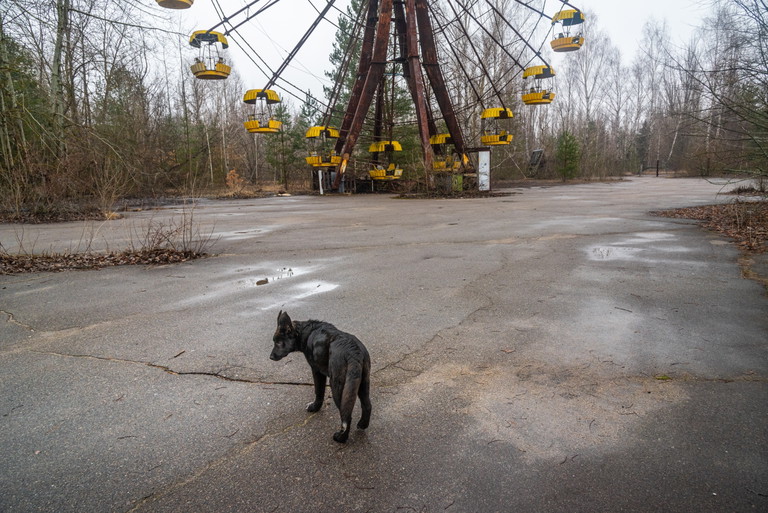
Before the outbreak of war in 2022, the exclusion zone around the accidental nuclear power plant in Ukraine was a magnet for anyone interested in dark tourism. In other words, in places that are associated with death and tragedy. Just a few years ago, these visitors were able to tour the abandoned city of Pripyat and see how time seems to have frozen in schoolyards with dolls left behind or at the iconic Ferris wheel. Radiation was still a risk, but the fascination of the forbidden seemed to be greater than the fear of it. However, the German Foreign Office is currently issuing a strong warning against traveling to Ukraine. German citizens are urgently requested to leave the country anyway.

Vor dem Ausbruch des Krieges zog es risikoreiche Reisende an den Ort der Atom-Katastrophe.
© Shutterstock
Vor dem Ausbruch des Krieges zog es risikoreiche Reisende an den Ort der Atom-Katastrophe.

5th crater of Derweze, Turkmenistan

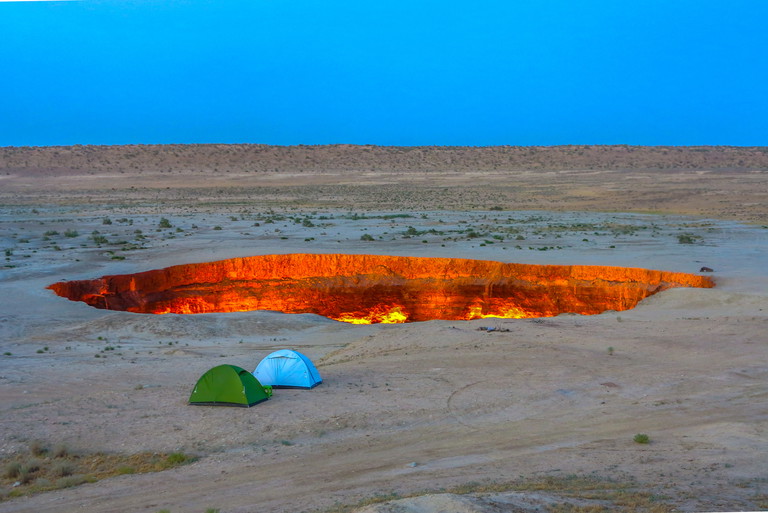
In the middle of the Karakum desert, a fire the size of a soccer pitch has been burning for over 50 years and never goes out. When geologists were drilling for natural gas in the 1970s, the ground collapsed and a 30-meter-deep hole was created. The escaping methane gas was ignited in the hope that it would only burn for a few days. But since then, the flames in the so-called "gateway to hell" have been blazing continuously. Temperatures reach over 1,000 degrees Celsius and the air is stuffy due to the toxic gases. Turkmenistan is considered the most isolated nation in the world after North Korea. Only around 10,000 tourists travel to the country every year.

Nicht gerade der idyllischste Campingplatz. Und trotzdem zieht es Reisende zu dem brennenden Graben.
© Shutterstock
Nicht gerade der idyllischste Campingplatz. Und trotzdem zieht es Reisende zu dem brennenden Graben.

Célin Röser
Célin Röser
Author
Find out more
1 / 12