A New Gastronomic Destination on the Curonian Spit: Michelin-Starred Chef Opens ULDU in Juodkrantė
The Curonian Spit has gained a new culinary destination this summer with the opening of ULDU in Juodkrantė. Created by Michelin-starred chef Tadas Eidukevičius, the restaurant brings a nature-driven approach to dining, drawing inspiration from the forests, coastline and seasonal ingredients of one of Lithuania’s most unique landscapes.
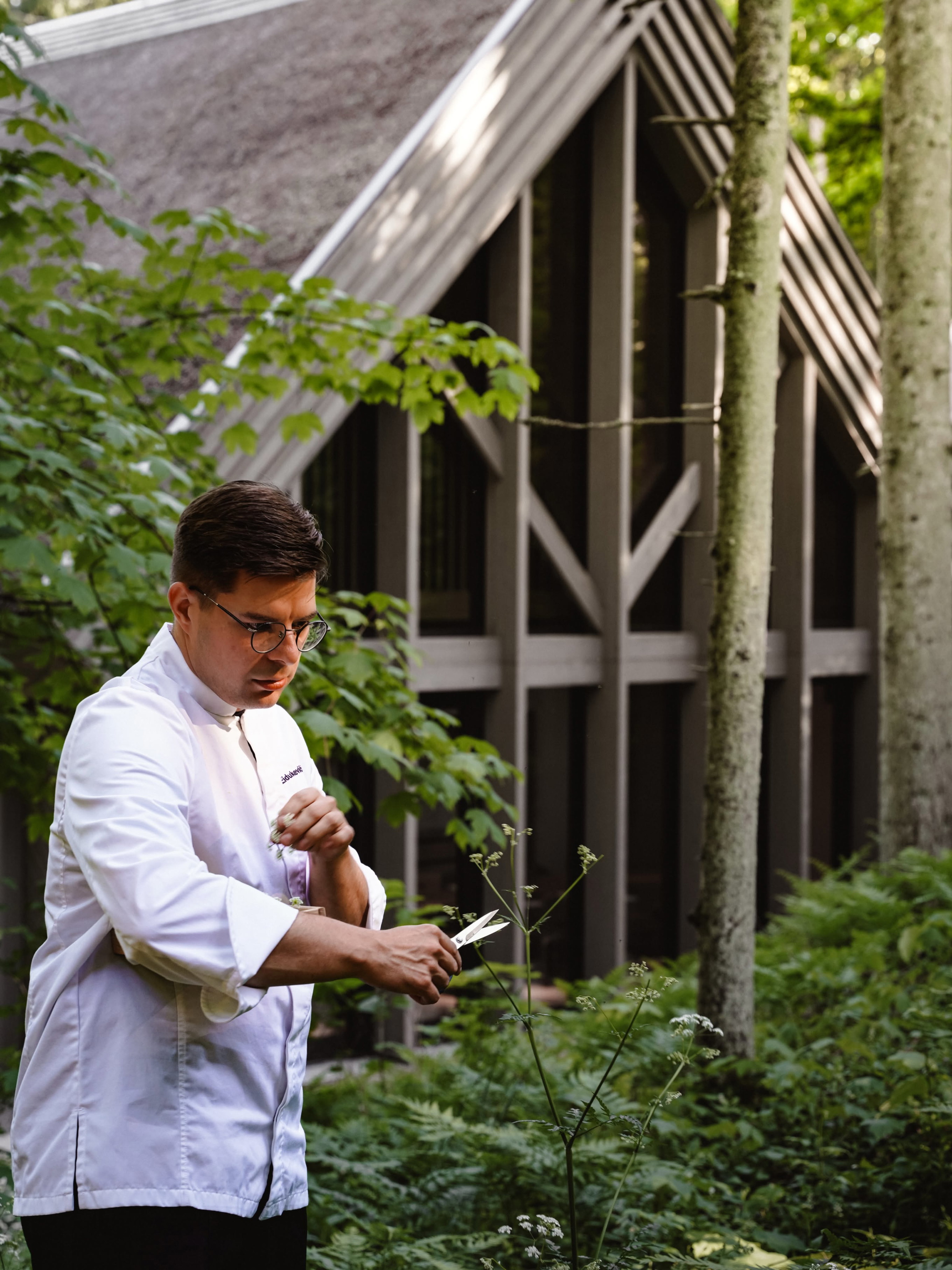
This summer, Juodkrantė welcomes a new name that is already attracting the attention of Lithuania’s food lovers. ULDU, a restaurant created by chef Tadas Eidukevičius, co-founder of Vilnius’ Michelin-starred Demo, has opened its doors on the Curonian Spit, bringing an ambitious new gastronomic concept to one of the country’s most scenic coastal destinations.
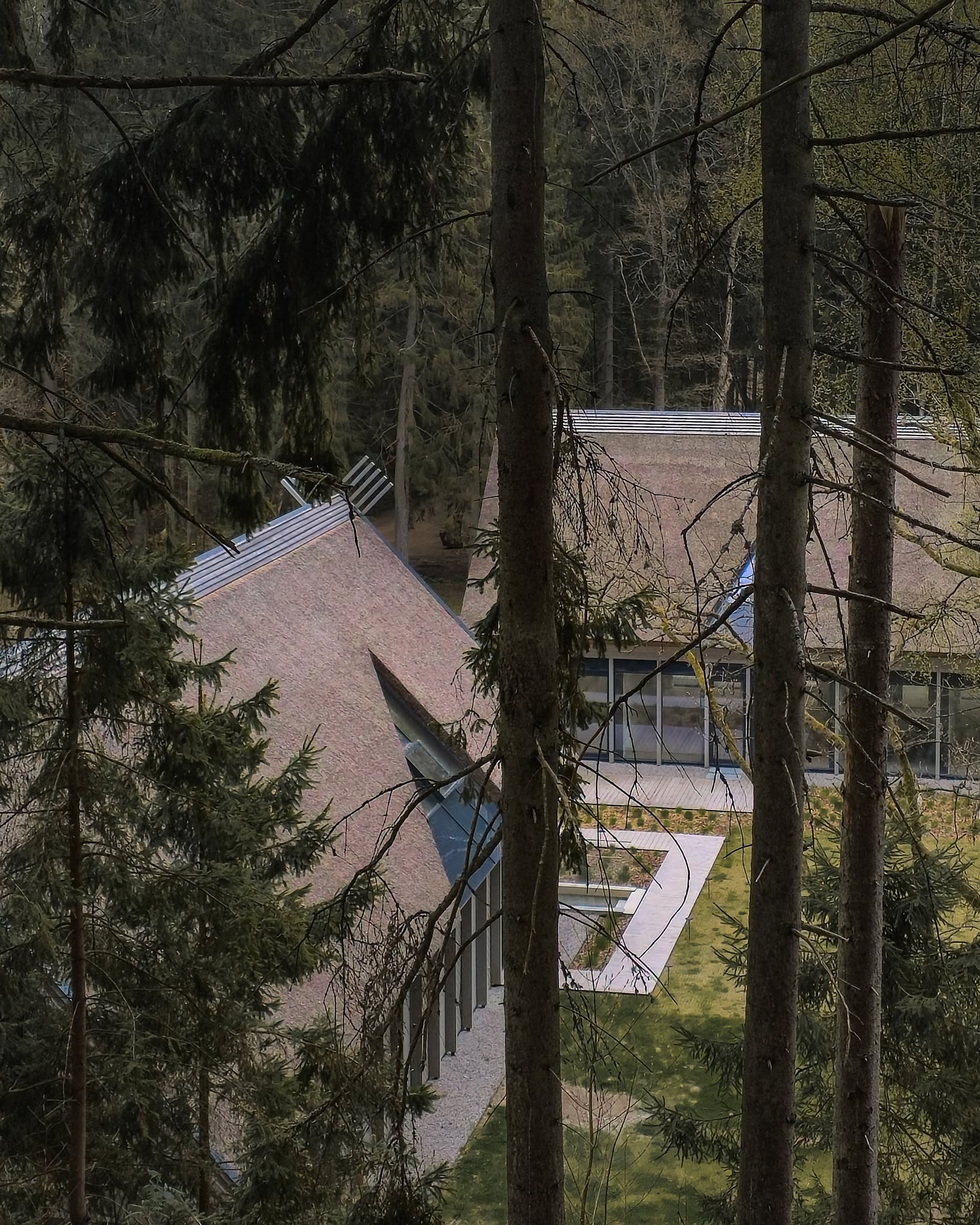
The restaurant is located within the newly developed Pašto kelias recreation complex, built on the site of the former Soviet-era café Raganinė, at the foot of the famous Witches’ Hill. Surrounded by pine forests, dunes and the ever-changing landscape of the Curonian Spit, ULDU promises a dining experience deeply connected to its surroundings.
For Eidukevičius, the project represents more than just another restaurant opening. It is an opportunity to explore a different relationship with nature and seasonality while proving that contemporary gastronomy in Lithuania can stand alongside the most exciting culinary movements in Europe.
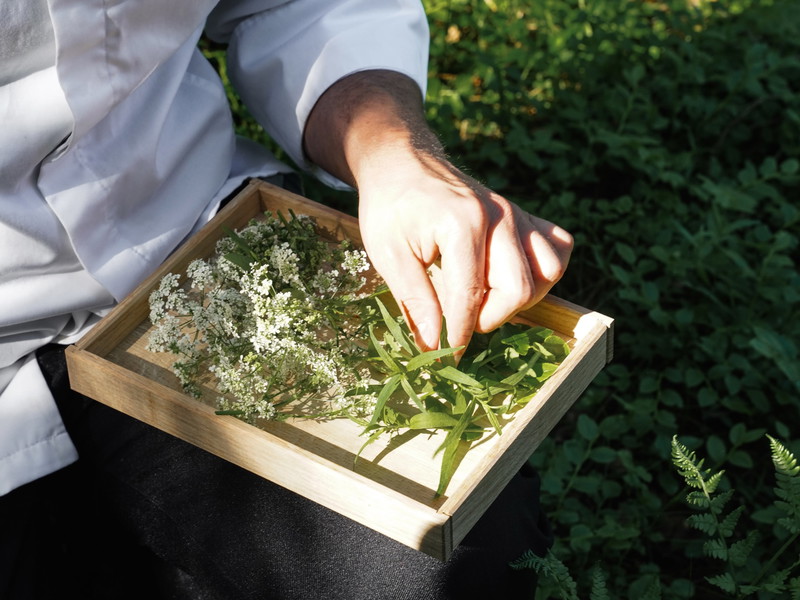
At the heart of ULDU’s philosophy is the belief that flavour begins long before ingredients reach the kitchen. Inspiration comes from the forests, meadows and coastline surrounding Juodkrantė. The team actively works with wild plants, seasonal produce and local ingredients, searching for flavours that reflect the character of the region rather than relying on imported luxury products.

Nature plays an even more direct role in the restaurant’s daily life. Herb gardens were established next to the restaurant, where rare and unusual plants are being cultivated specifically for the kitchen. Many of these ingredients will appear in tasting menus and à la carte dishes, often transformed through modern culinary techniques that reveal unexpected textures and flavours.
Sustainability and locality are central themes throughout the project. The kitchen focuses on ingredients sourced from the surrounding environment, including wild herbs and plants that are often overlooked. Some of them are even considered invasive species, yet in ULDU’s hands they become part of a refined gastronomic narrative that celebrates both discovery and responsible use of natural resources.
The setting itself is equally important. Located where the sound of the Baltic Sea blends with the whisper of pine trees, ULDU seeks to create an experience that reflects the slower rhythm of the Curonian Spit. Guests can expect both tasting dinners and an à la carte menu, designed around the changing seasons and the natural abundance of the Lithuanian coast.
The opening of ULDU also signals a growing confidence in Lithuania’s culinary scene. Following the international recognition brought by Michelin’s arrival in the country, projects such as this demonstrate that ambitious gastronomy is no longer confined to major cities. Increasingly, chefs are looking beyond urban centres, finding inspiration in landscapes, traditions and ecosystems that offer a unique sense of place.