Skip to content
© Shutterstock

A Taste of Greenland: What Greenlanders Eat

Delicacy
Greenland
New Arctic Kitchen

Greenland is on everyone’s radar these days. But what do people on the world’s largest island actually eat? From reindeer and seal to Arctic fish, Greenlandic cuisine tells a story of survival, tradition, and innovation that reaches far beyond simple cod.

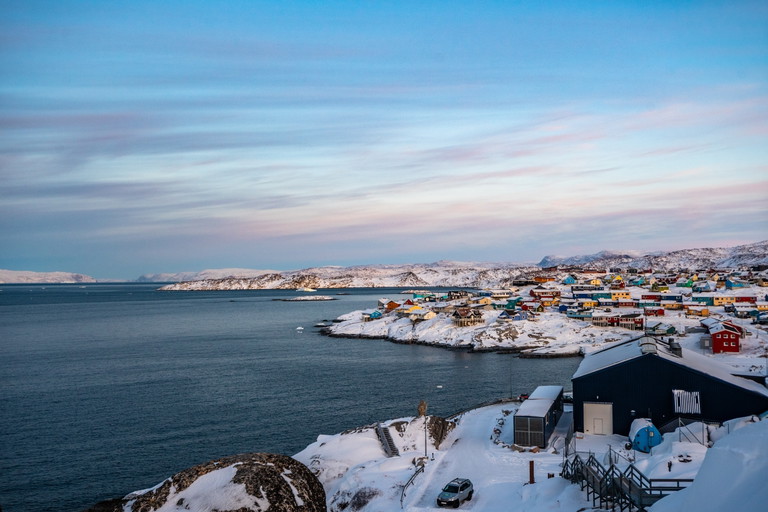
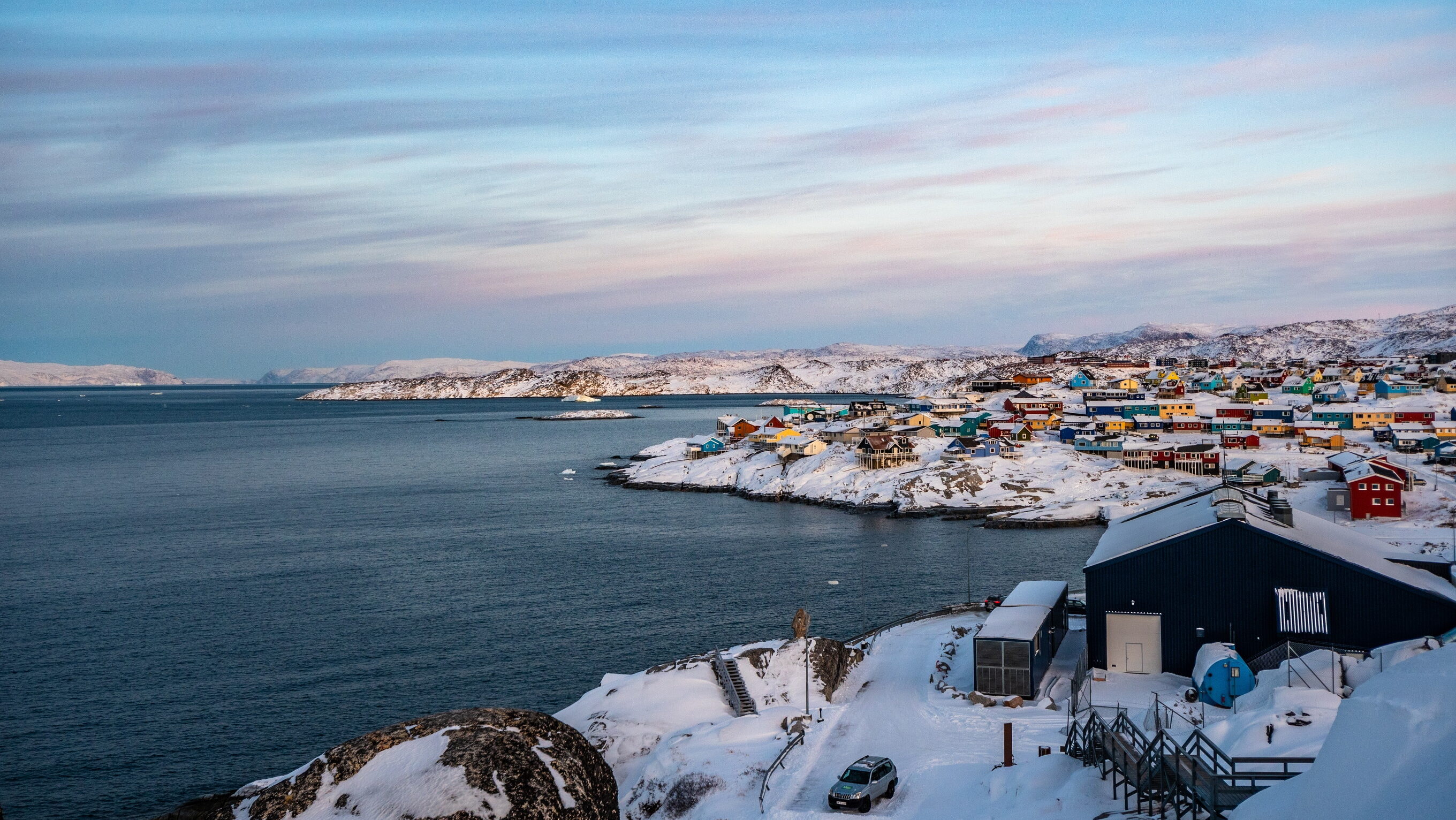
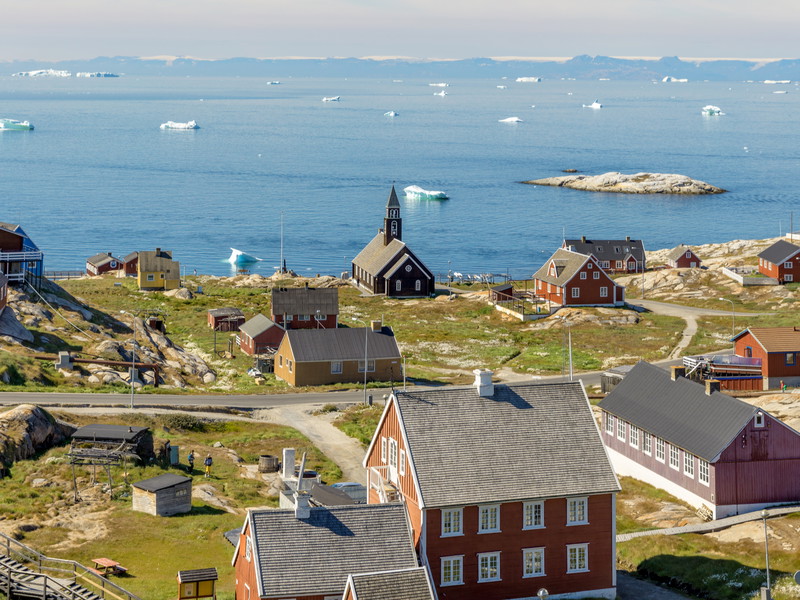
Greenland is often misunderstood. Sometimes it appears as a blank spot on the world map, sometimes as a geopolitical curiosity—and, most recently, even as a potential object of purchase. In political debates, the world’s largest island is quickly reduced to its raw materials or, on a smaller scale, to cod. Yet this kind of reduction is as misleading as it is convenient, as becomes clear the moment you look where politics rarely does: the plate.

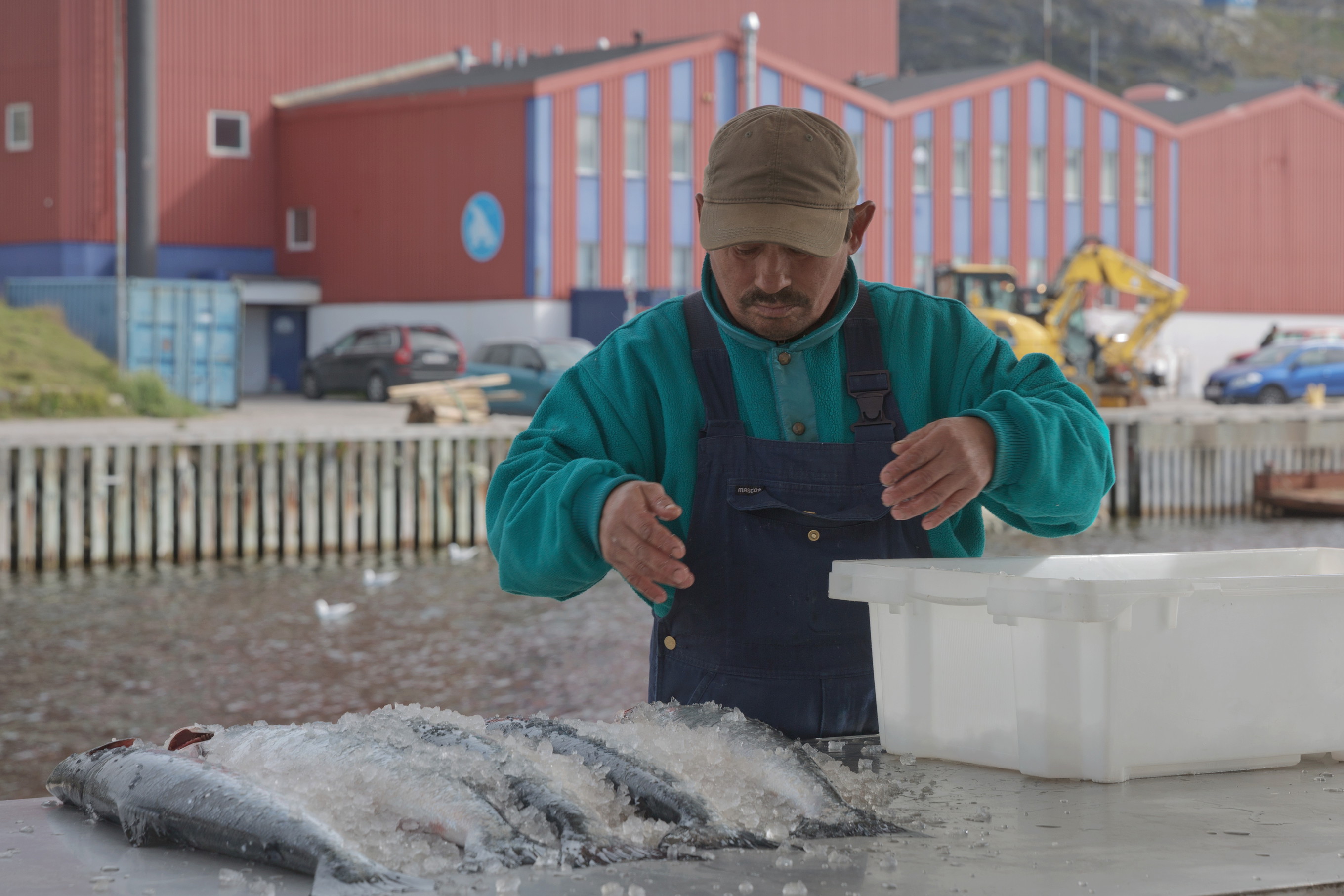
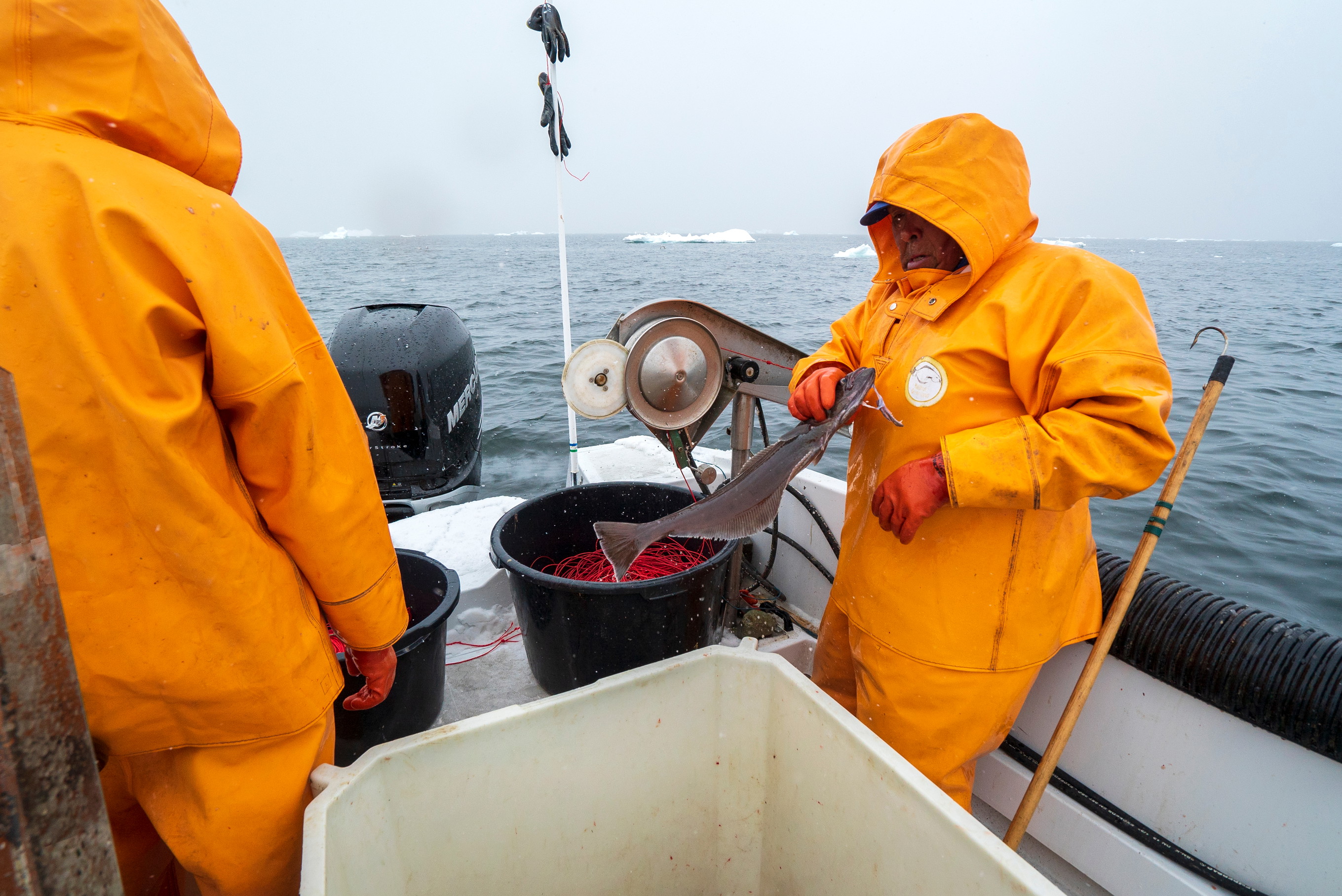
In Greenland, eating has never been about lifestyle, but survival. Over the centuries, a cuisine has emerged that adapts uncompromisingly to an extreme environment of short summers, minimal agriculture, and long, harsh winters. Hunting and fishing were not  a choice, but a necessity. To this day, fishing remains central to the national economy: More than 90 percent of exports are fish and seafood, especially cod, crab, and halibut. But Greenlandic cuisine is about far more than its export species.

Proteins from the Arctic

What may seem exotic in Europe is everyday fare in Greenland. Reindeer and musk ox offer meat of outstanding quality—lean, aromatic, with a subtle sweetness. Seal and whale also feature on the menu, harvested under strict quotas and deeply anchored in Inuit culture. Seal meat, in particular, is polarizing: its intense smell and strong flavor are nothing for the faint‑hearted. Yet that’s exactly what defines its value.This is a cuisine that does not seek consensus.

© Shutterstock

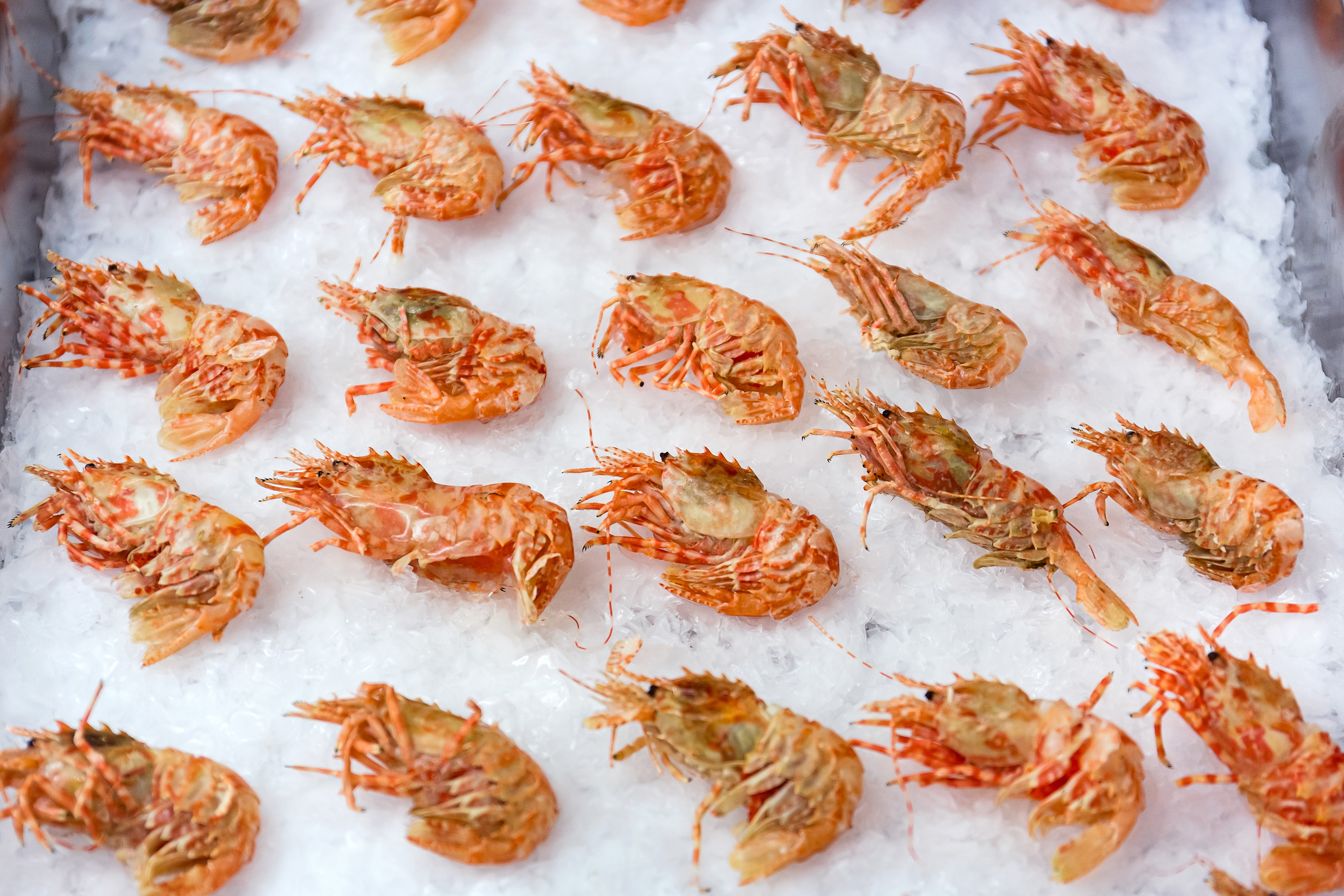
Fish and seafood from ice‑cold waters also play a starring role: cod, Arctic char, and small shrimp. Their slow growth results in firm texture and a pure, clean flavor that demands very little embellishment. Here, the taste is shaped more by time, air, and cold than by spices.

Cooking as a Survival Strategy

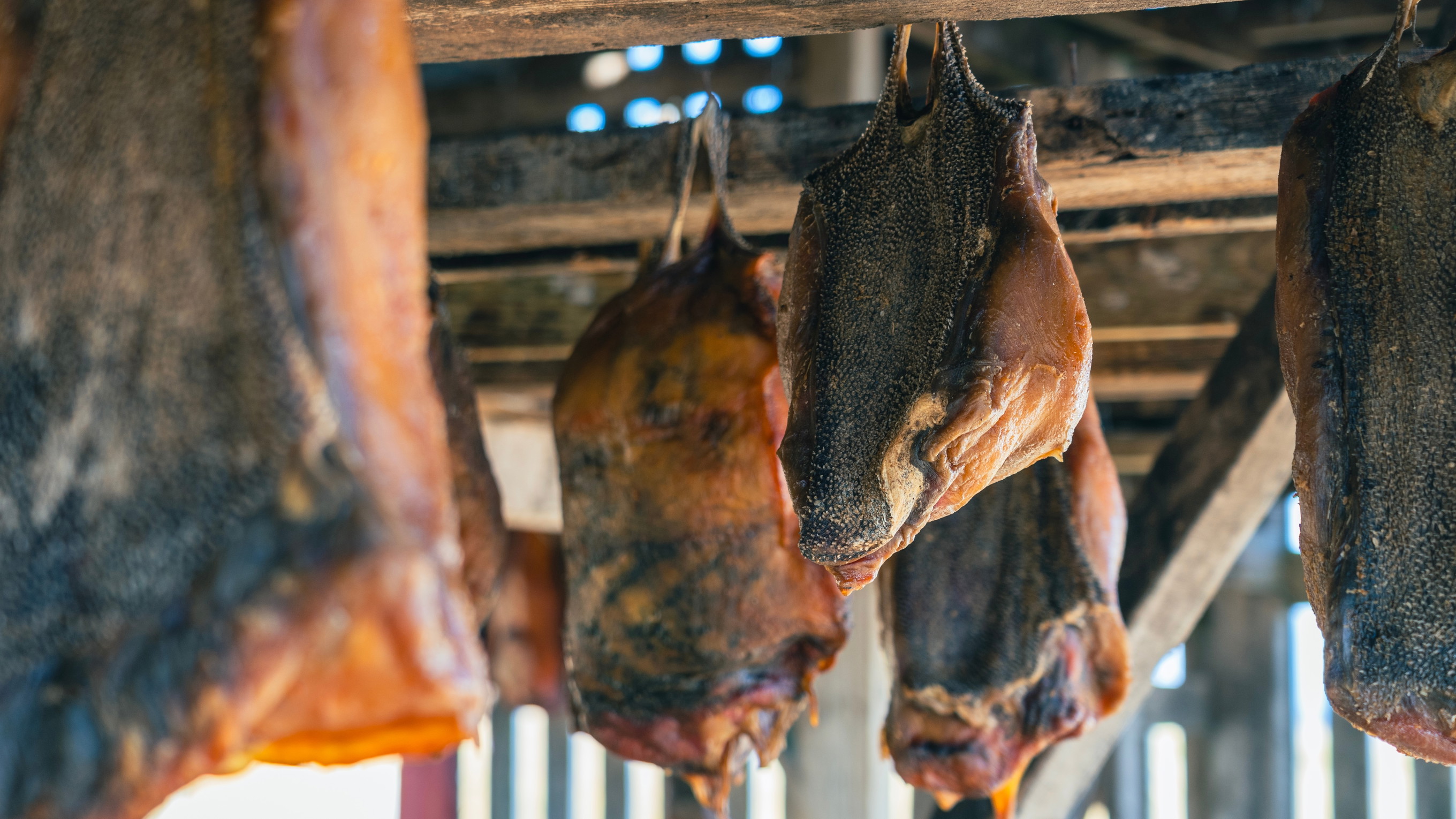
To understand Greenland’s food culture, you have to take its technique seriously. Many traditional dishes are rooted in preservation methods—born from the need to endure long, unforgiving winters. The most famous example is kiviak: small seabirds sewn into a sealskin and left to ferment for months. Almost impenetrable for outsiders, it stands for ingenuity and deep practical knowledge among the Inuit.

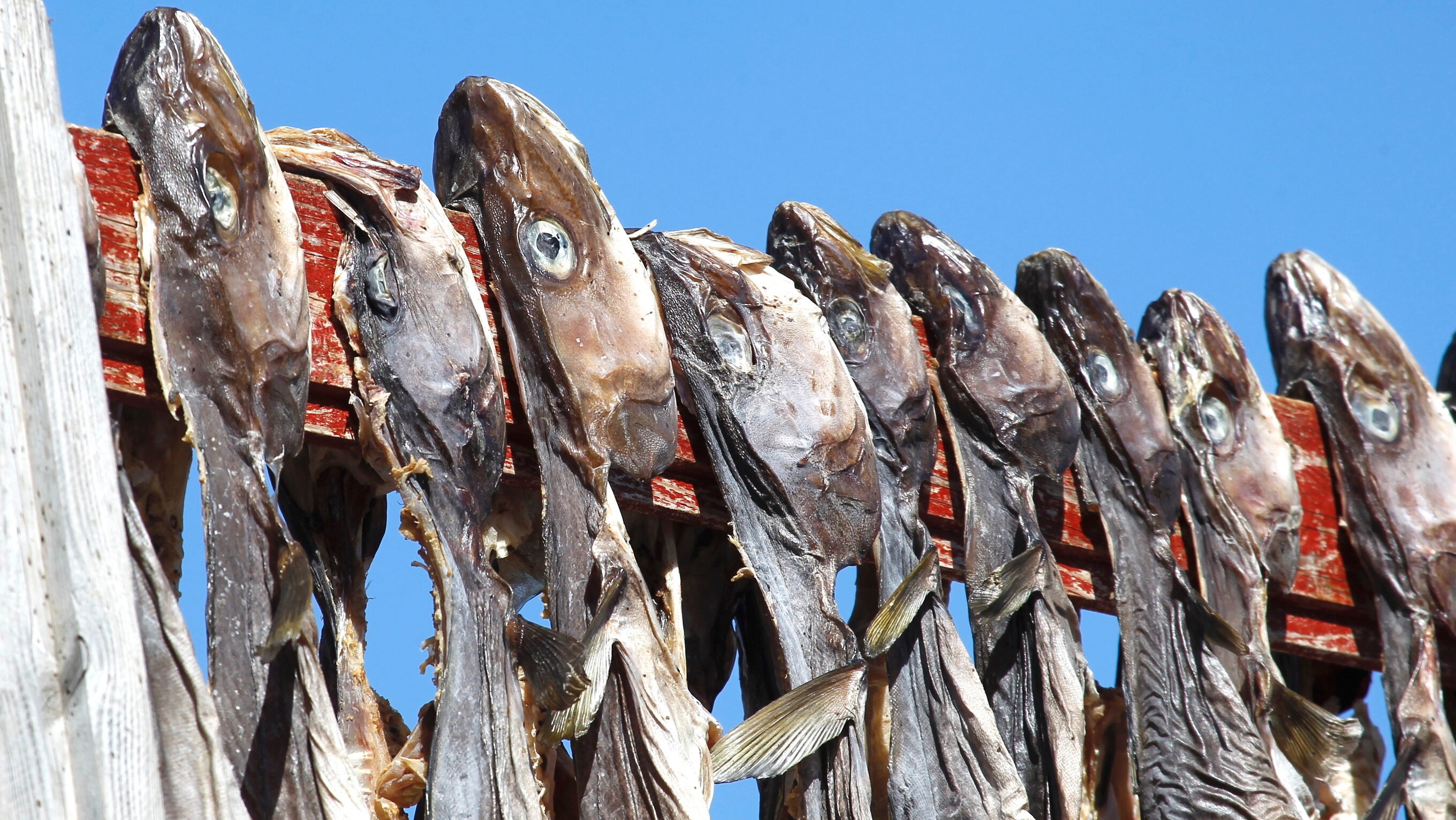
Suaasat, the national dish, is more approachable: a hearty soup made with seal or reindeer, enriched with barley or rice and onions. There is also panertut, air‑dried fish made possible by the region’s low humidity. Mattak—a combination of skin and blubber from whale species such as narwhal or beluga—is served raw, diced, often sprinkled with the ubiquitous yellow seasoning Aromat. Nothing goes to waste here; in a harsh climate, waste was never a mere moral question, but a real threat to survival.

From the Arctic, Across the Globe

Greenland has also shaped the modern food industry in unexpected ways. In the 1920s, American entrepreneur Clarence Birdseye traveled to Greenland and observed how Inuit communities preserved freshly caught fish in natural Arctic cold. Inspired by this principle, he developed the double belt freezer, a rapid‑freezing system patented in 1924 that brought frozen foods to U.S. supermarket shelves for the first time in 1930. Today, blast-freezing is regarded as one of the major innovations in food technology, preserving nutrients, vitamins, and minerals almost completely.

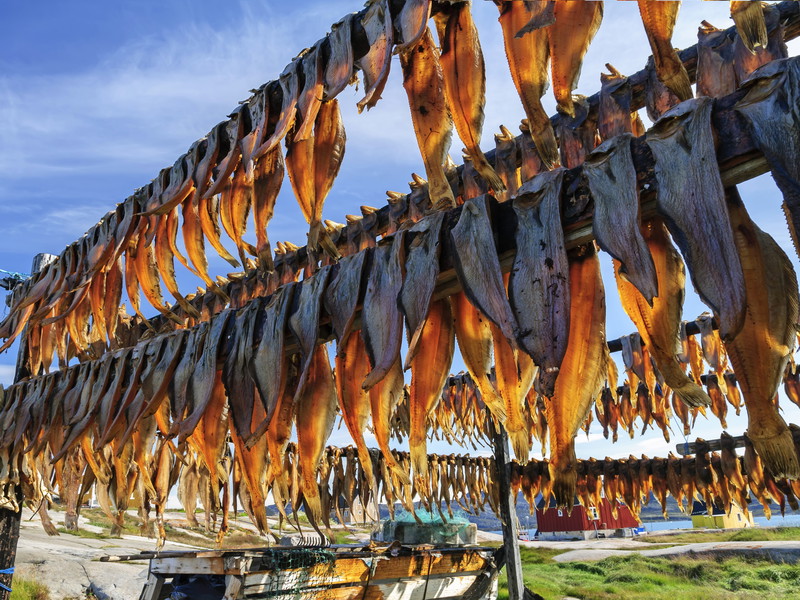
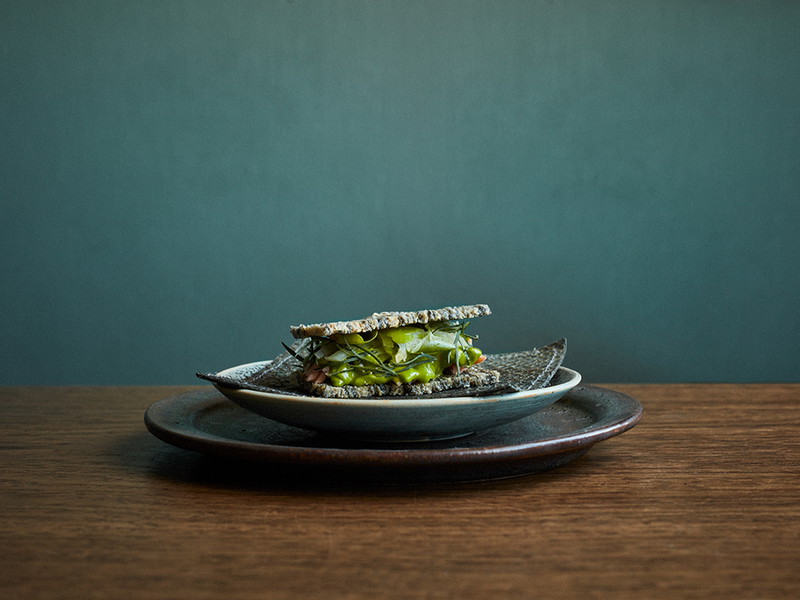
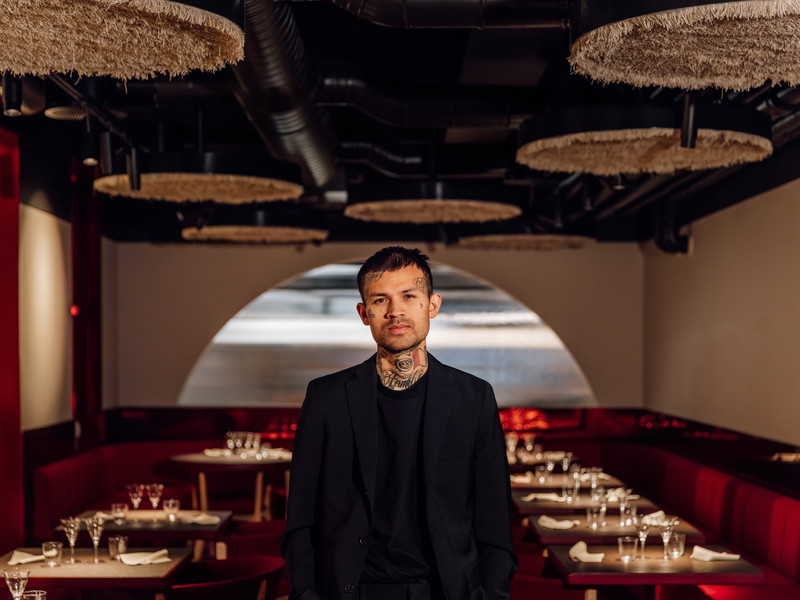
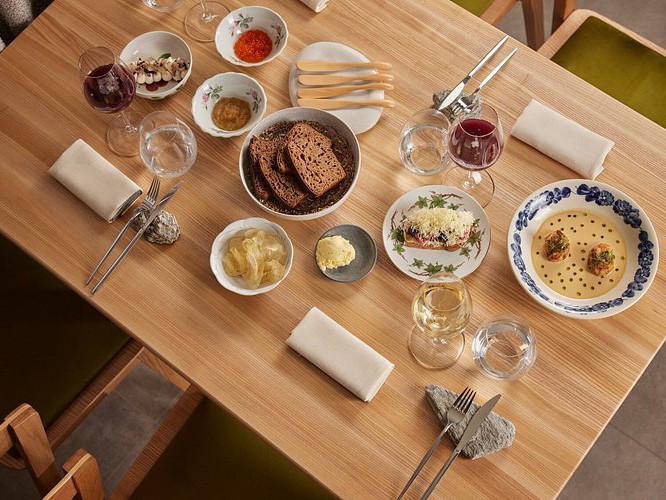
At the same time, Greenland has long been part of a globalized food culture. Cities boast burger joints, Asian restaurants, and familiar international fare. This is precisely where the New Arctic Kitchen movement comes in. Chefs from Greenland, northern Canada, Lapland, and the Faroe Islands are collaborating to reinterpret indigenous food cultures in a contemporary way—without exoticizing or romanticizing them.

It’s not about Nordic theatrics, but self‑assertion: local ingredients, time‑honored techniques, and modern creativity. Fish is grilled over open flames on stones, meat is fermented or air‑dried with no attempt to please every palate. In the end, Greenlandic cuisine isn’t a protest against globalization—it’s a reminder that food is always an expression of adaptation and memory. It doesn’t aim to satisfy everyone or follow every trend, and that’s exactly where its power lies.


The Editors
Find out more
1 / 12