Can Food Boost Your Immune System?
Garlic, ginger, citrus fruits or chicken soup – countless foods are said to strengthen our natural defenses. But can what we eat really “boost” the immune system?
The promise of a quick immune booster is tempting. A ginger shot here, a spoonful of honey there – and the body is supposedly better equipped to fend off infections. In reality, however, the immune system does not respond to individual miracle foods. Its strength is shaped far more by the overall quality of our diet and lifestyle than by any single ingredient.
The Nutrients That Matter
For the immune system to function properly, the body relies on a wide range of nutrients. Protein, polyunsaturated fatty acids, beta-carotene, vitamins C and D, as well as minerals such as zinc, iron and selenium all contribute to healthy immune responses.
What matters most is not high doses, but avoiding deficiencies. A lack of these nutrients can weaken immune defenses. Protein, for instance, is essential because antibodies and many immune receptors are built from protein structures. Too little protein can reduce the number and activity of immune cells.
Vitamin D also plays an important role in immune regulation, supporting barrier functions and helping control inflammatory processes. Because diet alone rarely provides sufficient amounts, supplementation may be advisable when sunlight exposure is limited.
Vitamin C and zinc are equally essential for immune cell activity and antioxidant protection. However, even these nutrients are no miracle cure – high-dose supplements may only slightly shorten the duration of a cold.
The Gut Connection
A large part of the immune system is closely linked to the gut. Fiber-rich foods such as whole grains, fruits, vegetables and legumes nourish the gut microbiota, which plays a key role in immune health.
Fermented foods like yogurt with live cultures, kefir, sauerkraut or kimchi may provide additional support. Through probiotic microorganisms and their metabolites, these foods may help strengthen the intestinal barrier and support immune responses.
Beyond the Superfood Myth
Despite their popularity, scientific evidence behind individual “superfoods” remains limited. The strongest research instead supports broader dietary patterns – particularly the Mediterranean diet, rich in vegetables, fruits, legumes, whole grains, olive oil and fish.
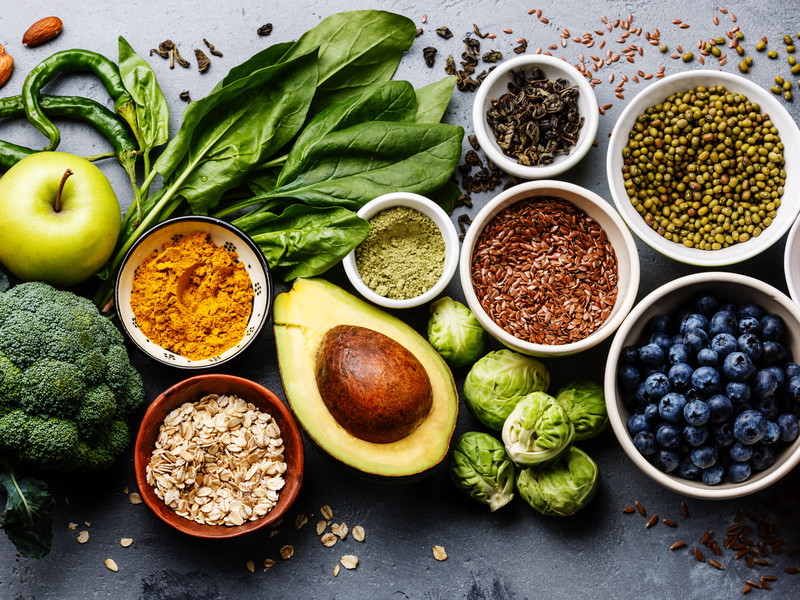
In practice, an immune-friendly plate is colourful and varied. Vegetables, fruits, legumes, whole grains, nuts and fish provide nutrients and plant compounds that support the body’s natural defenses. Adequate hydration and maintaining a healthy body weight can further contribute to immune resilience.
There may be no single food that dramatically “boosts” the immune system. But a balanced, nutrient-rich diet can help ensure that the body’s defenses remain strong and ready when they are needed most.