Skip to content
© Shutterstock (symbolic image)

Cooking made easy: Small kitchen hacks with a big effect

Baking
Cooking
Tips

Is there a simple way to find out if eggs are still good? How can you heat butter faster or make a glaze thicker? We have summarized some helpful kitchen hacks everyone should know.

When we set out to cook or bake, initial enthusiasm can often turn into tedium due to a stray eggshell or annoying onion skins. Sure, kitchen hacks are a dime a dozen – but we've taken a closer look at some of them. Here are some of Falstaff's favorites.

Test before eating

If you are unsure if an egg is still good, a simple test with a bowl of water will help. If the egg sinks to the bottom, it's still fresh. If it floats to the surface, it should no longer be cooked, let alone eaten.

More than a peeling

Peeling onions can be a chore, especially if the skin sticks stubbornly and little bits of it end up everywhere. A simple trick can help: briefly hold the whole onion under warm water. As a result, the peel comes off much more easily and often even in a single piece.

Stray eggshell Blues

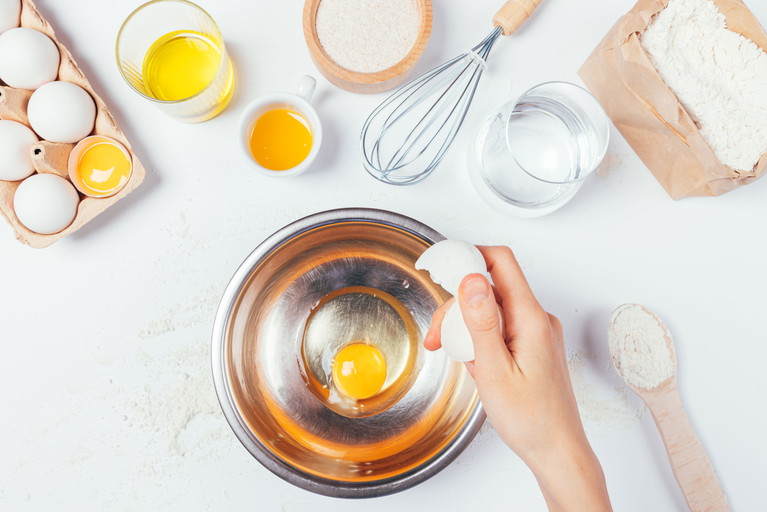
If an egg has been beaten too quickly or firmly, it happens: bits of shell end up in the batter or another mixture. A small piece of eggshell can be one of the most frustrating kitchen problems. A simple trick makes it much easier to fish them out: Moisten your fingers with cold water before grabbing the shell. It will then stick to your finger, making it easier to remove.

Bits of egg shell can get into your batter or omelette faster than you'd think.
© Shutterstock
Bits of egg shell can get into your batter or omelette faster than you'd think.

The power of potatoes

It is said that over-salted food is a sign that the chef is in love – but there's no need to put up with salty soup. Even if too much ends up in the pot, the dish is far from lost. A tried and tested trick can help: add a peeled potato to the simmering soup for a few minutes – it draws out excess salt and can simply be removed before serving.

Heat butter quickly and easily

Many recipes call for butter at room temperature – but it's easy to forget to take it out of the fridge in time. Fortunately, there is a simple trick: fill a bowl with hot water, leave it to stand briefly, pour it out and then place the heated bowl it over the cold butter like a glass dome. This way, butter softens in just a few minutes – with no mess either.

Icing on the cake

Cake icing is often made from powdered sugar and water or lemon juice; the problem with this? It is usually so thin that the desired white color is invisible after drying. The solution is simple: just use milk instead of water. This keeps the icing nice and white.

The icing on cinnamon buns does not always look as it should, often ending up too thin. The solution? Use milk instead of water.
© Shutterstock
The icing on cinnamon buns does not always look as it should, often ending up too thin. The solution? Use milk instead of water.

The trick against "unruly" dough

We can all agree that dough should stay in the mixing bowl – but it often sees things differently and moves up the beaters or sometimes sticks to them, making batters a sticky affair. This effect can be easily avoided: Coat your eggbeater or mixer with a little cooking oil beforehand. This keeps the dough where it belongs: in the bowl.

Prevent fruit from sinking

Raisins or cherries in cake batter often sink to the bottom of the mold. This can be prevented by briefly rolling the fruit in flour or giving it a light dusting before baking  This keeps your raisins or cherries evenly distributed and prevents them from sinking.


Tamara Kalny
Tamara Kalny
Author
Find out more
1 / 12