Copenhagen: mermaid & minimalism
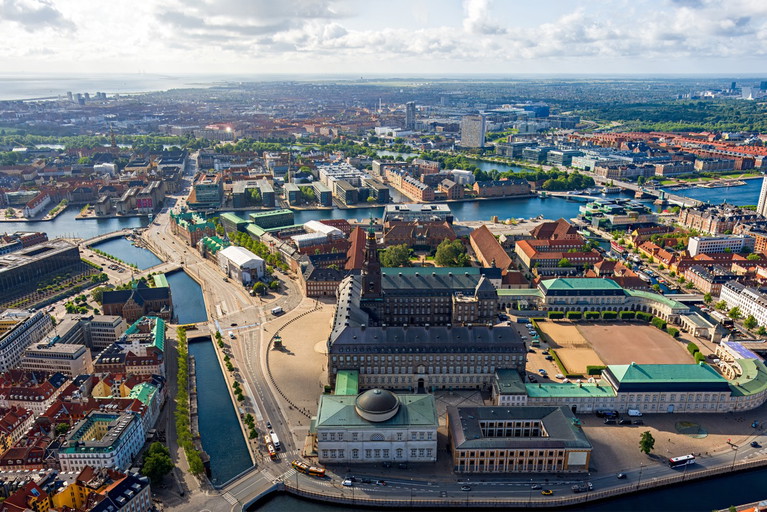
Copenhagen has just been voted the most liveable city in the world – and it is also one of the most versatile. The Danish capital is a mecca for interior design, fashion and cuisine, inspires with its hospitality and coolness and combines big city flair with almost village-like tranquillity.
The early midday sun is golden on the cobblestones of the quiet street that leads to Amalienborg Palace not far from the center of Copenhagen. It is unusually warm for this time of day and the gentle breeze is hardly able to bring any relief. Thirst strikes - fortunately, a sign at the side of the road promises salvation: "Kiosk Copenhagen Vibes" is written on it.
But as soon as you descend into the basement, you realize that everything is different to what you might have imagined.
The fridges are stocked with organic juices and iced teas and the walls are painted cobalt blue. Art prints, design objects, minimalistically labeled gin bottles, glasses, wine gum tins, jewelry and accessories are carefully arranged on simple shelves, all made in Denmark. Welcome to Copenhagen, where style and taste are at home even in the basement.
The reputation of being at the epicenter of good taste precedes the seaport city, founded in 1167, for miles around. Copenhagen is not only the royal seat, but has also long been a creative melting pot for design, architecture, fashion and one of the most exciting culinary scenes in Europe. Design icon Verner Panton studied here, and the Louis Poulsen brand, known worldwide for its luminaire designs, was founded in the city in 1847. Interior fans make an annual pilgrimage to the "3 Days of Design" festival; Copenhagen Fashion Week, one of the most important fashion weeks in the world, also takes place twice a year. Designers such as Stine Goya and Nicolaj and Ditte Reffstrup, the brains behind the Ganni brand, shape the city's image as a fashion metropolis.
With 19 Michelin-starred restaurants, it is also a mecca for lovers of fine dining. Pleasure and aesthetics seem to be omnipresent in Copenhagen – even bicycles parked next to rose bushes in a backyard look like well-composed still lifes here.
But it's not just clean Scandi chic that characterizes the city, as is immediately clear to anyone arriving by train and leaving the station through the main exit: exuberant screams and laughter echo from Tivoli, located directly opposite, behind whose walls are to be found a roller coaster and the ornate dome of a ride tower.
Opened in 1843, the amusement park, one of the oldest in Europe, is a place where adult hearts beat faster and childhood dreams live on. With lovingly designed rides, charming restaurants and fabulous hotels such as the "Nimb" (a Moorish palace on the outside, Danish design with a touch of Asia on the inside), it provided Walt Disney with the idea for his theme park in California.
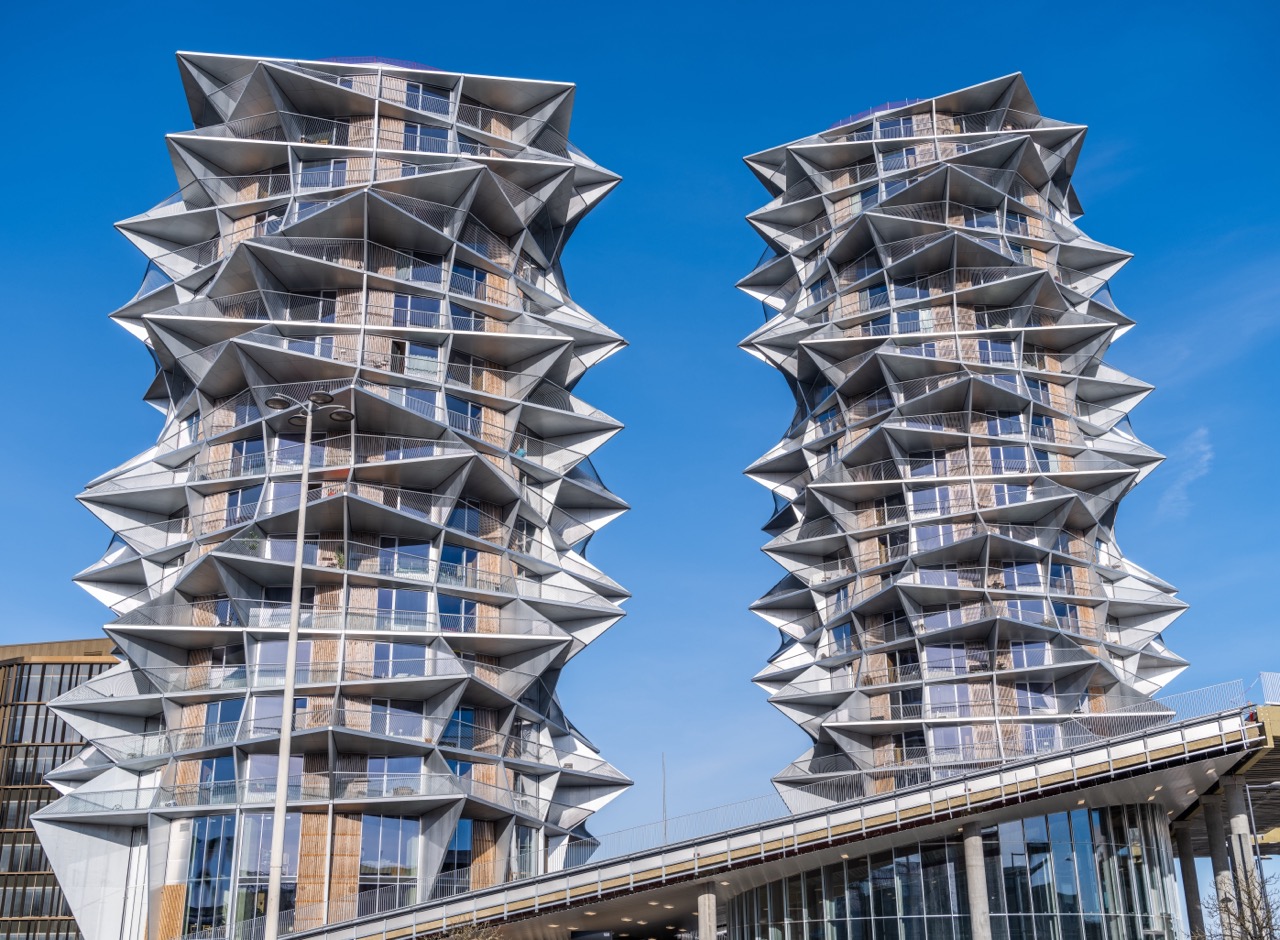
The "Axel Towers", completed in 2017, rise just a few steps away; five massive, round towers with copper façades that shimmer warmly in the sunlight. The highest of them rises 61 meters into the sky; inside there are mainly offices, sober and functional. If you turn towards the former red-light district and today's trendy Vesterbro district, the picture changes: classicist façades, Art Nouveau ornaments, bay windows and balconies. Copenhagen resembles an urban kaleidoscope – a constant meandering between old and new, kitsch and clarity, ornamentation and structure.
Generous, beautiful, feisty
If Copenhagen were a person, the Danish actress Connie Nielsen aptly judged, it would be generous, beautiful, old and have a certain flair; "A person with a tendency to argue, full of imagination, a desire for new things and respect for the old. Someone who takes good care of things and people." However, short-break vacationers are rarely argumentative; at best, they are initially reserved, which quickly gives way to warm friendliness.
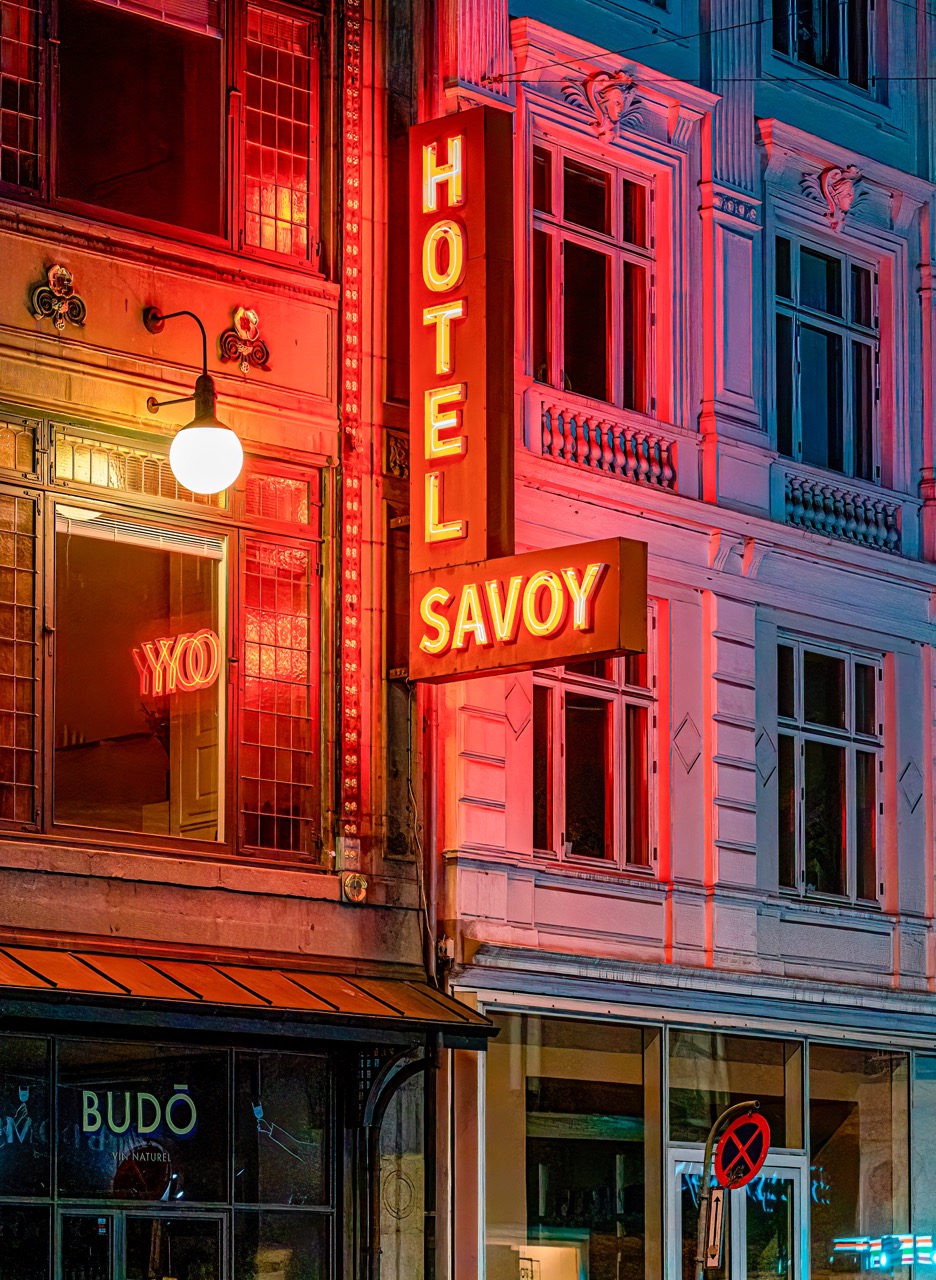
The respect for the old, however, can be seen in many places, even in passing; trends and tradition merge in the detailed interior of the "Wide Hotel" in the city center, in the Art Nouveau façade of the "Savoy" in Vesterbro with its modern lobby, in creative further developments of the Smörrebröd in the restaurant "Aamanns 1921" and in humorous and loving interpretations of the Little Mermaid on postcards and posters.
The bronze sculpture of Hans Christian Andersen's fairy-tale character has been sitting on a rock on Langelinie Pier in the north of the city since 1913 and appears delicate and gentle. She has been through a lot: in 1984 she had an arm sawed off, she was beheaded twice (1964 and 1998) and in 2003 she was even blown off the rock. But the petite mermaid refused to be defeated and still attracts crowds of tourists to this day.
Their number is on the rise; the city registered over eleven million overnight stays in 2024, seven percent more than in the previous year. Nevertheless, Copenhagen seems less crowded than Amsterdam or Barcelona. This impression is apparently shared by many of the approximately 670,000 residents. According to a survey, 67 percent have no problems with tourism; 81 percent are in favor of continuing to promote the destination. The Copenpay campaign for sustainable travel has also been doing this since 2024; for traveling by train, for example, there are rewards such as free rental bikes, discounts for attractions or yoga classes in summer.
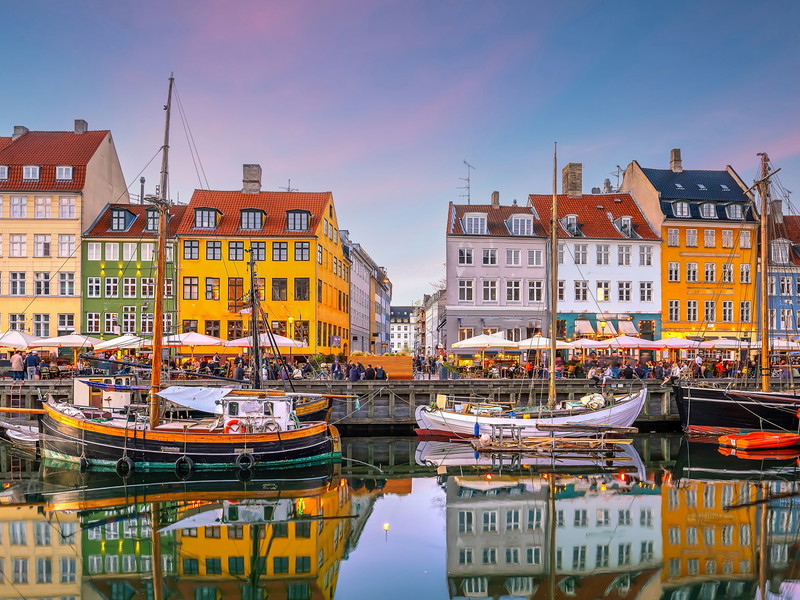
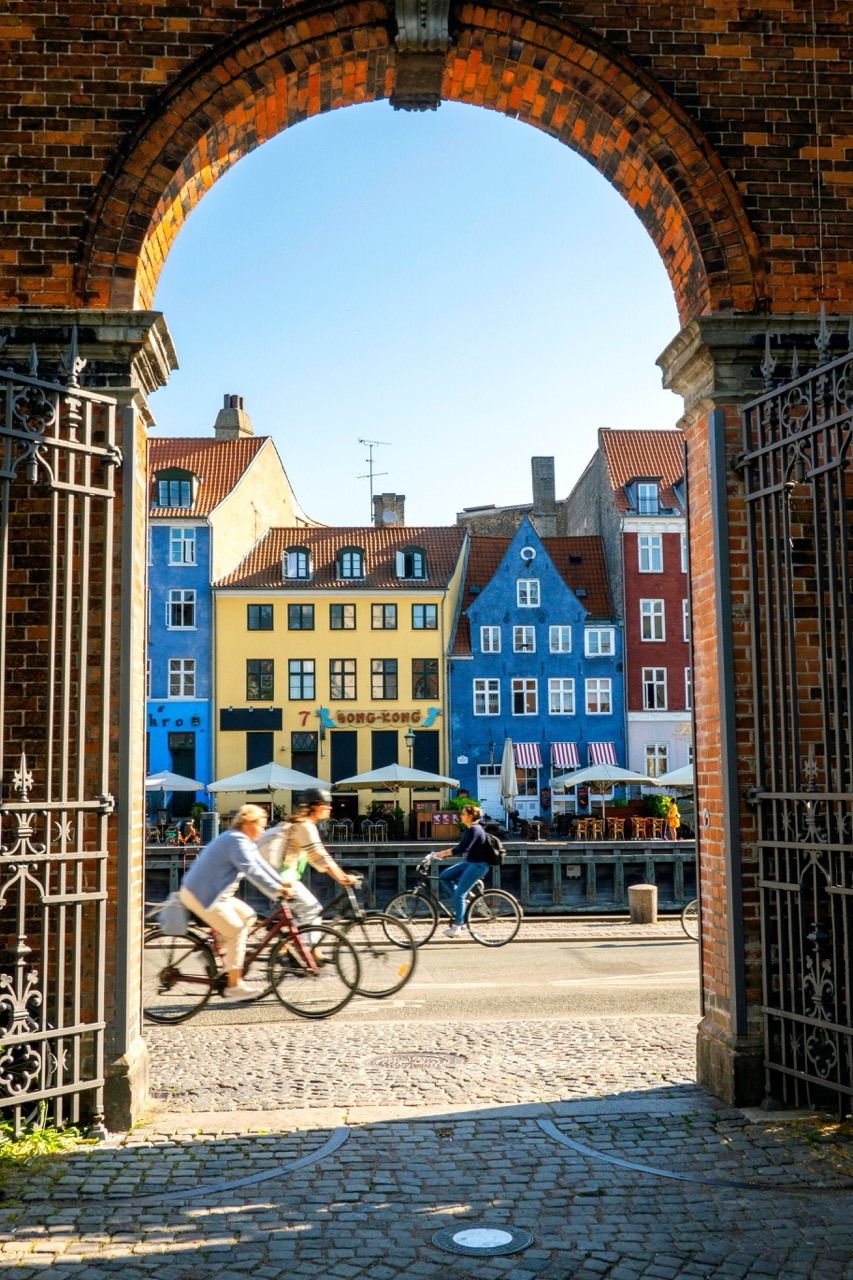
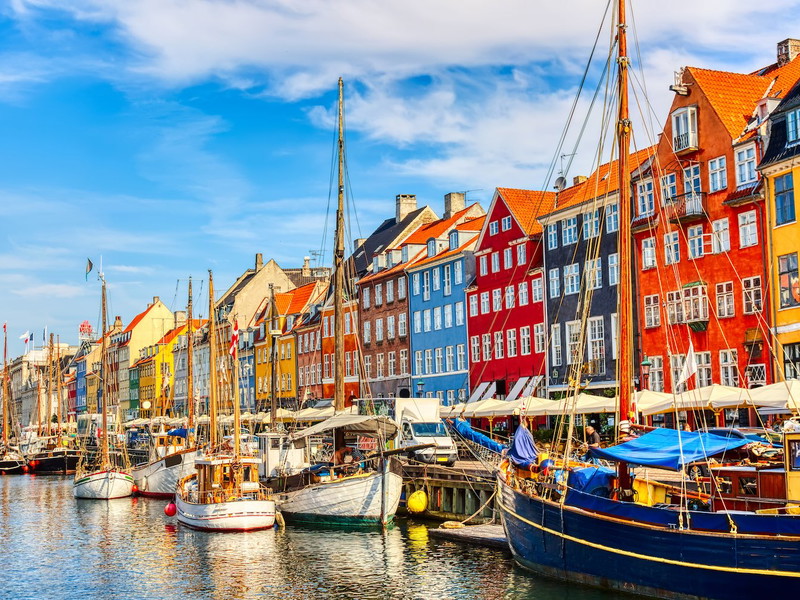
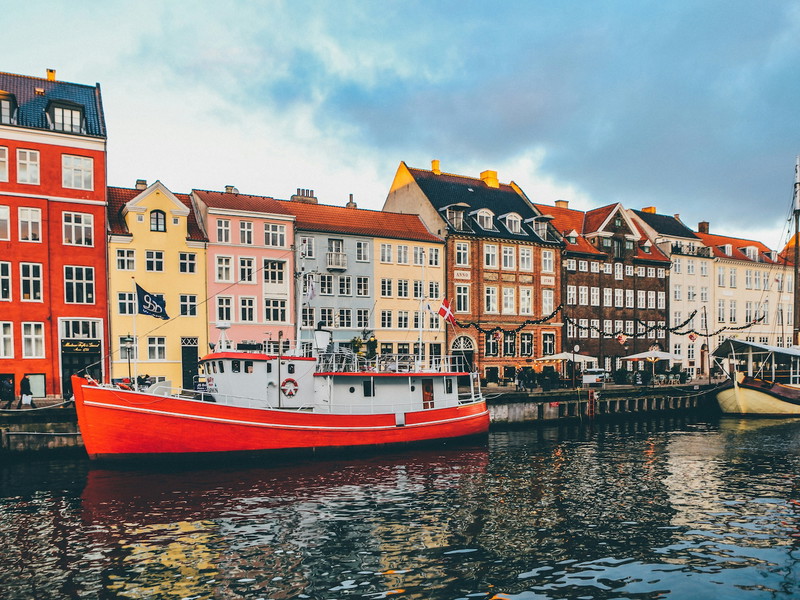
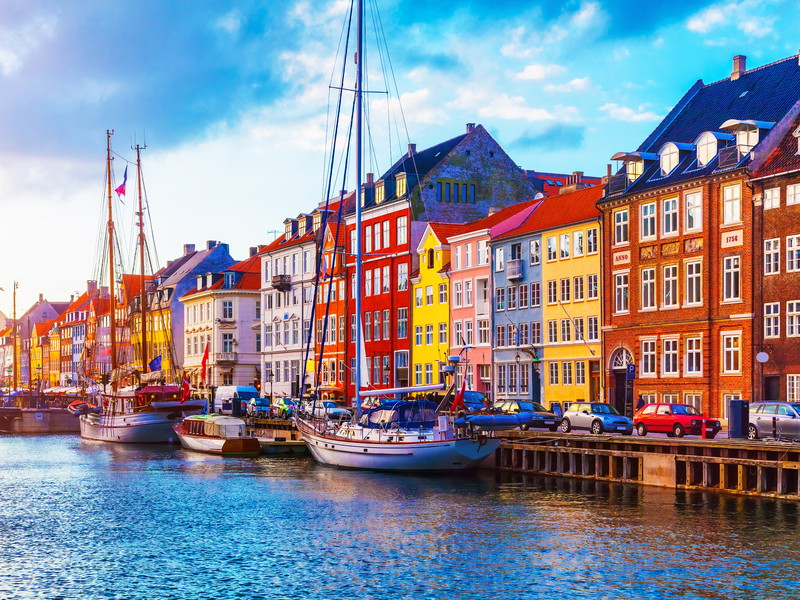
The city takes good care of things and people – to stay with the Connie Nielsen image. And as a reward, the Economist group named Copenhagen the most liveable city in the world this June. Many reports show the colorful facades of Nyhavn, probably the most photographed backdrop in the city. Once a port for sailors, prostitutes and merchants, the district has been lovingly restored since the 1960s. Today, it is mainly tourists who sit here in smörrebröd and seafood restaurants. The locals are more likely to be drawn to the sun terraces around the nearby Schauspielhaus.
Gently decelerated
Oases of tranquillity often appear unexpectedly in Copenhagen. Just as you are strolling through a busy street like Studiestræde in the city center with cafés and vintage stores, you turn once or twice – and you are already in an almost village-like quiet side street. Apart from the clatter of bicycles on cobblestones, nothing can be heard. This is relaxing; for tourists and the people who live here.
Perhaps the Copenhageners also owe their peace and quiet to the fact that they simply drive away from the hustle and bustle. Over 700,000 bicycles are on the road on a total of almost 400 kilometers of cycle paths.
The charming idea of actress Birgitte Hjort Sørensen, known from the internationally acclaimed political series "Borgen", which is set in Copenhagen, fits in with this; guided bicycle tours to the locations of the series. Those who prefer to travel on foot can go on a search for traces with the Nordic Noir Tours agency, past the filming locations not only of "Borgen", but also of series hits such as "The Killing" or "The Bridge".
Culinary enthusiasts also get their money's worth, and not just in the city's many Michelin-starred restaurants - the "Geranium" was awarded three stars in 2016 , the "Noma" in 2021 and the "Jordnær" restaurant in 2024. The "Delphine" in Vesterbro has no stars, but is a total work of art in a minimalist Mediterranean style that runs through the cuisine and interior; the "Babylon" scores with its location in a pavilion over 100 years old on Peblinge Sø, one of Copenhagen's three lakes. In summer, you can also enjoy oysters and mussel fricassee on the terrace.
Fashion heaven
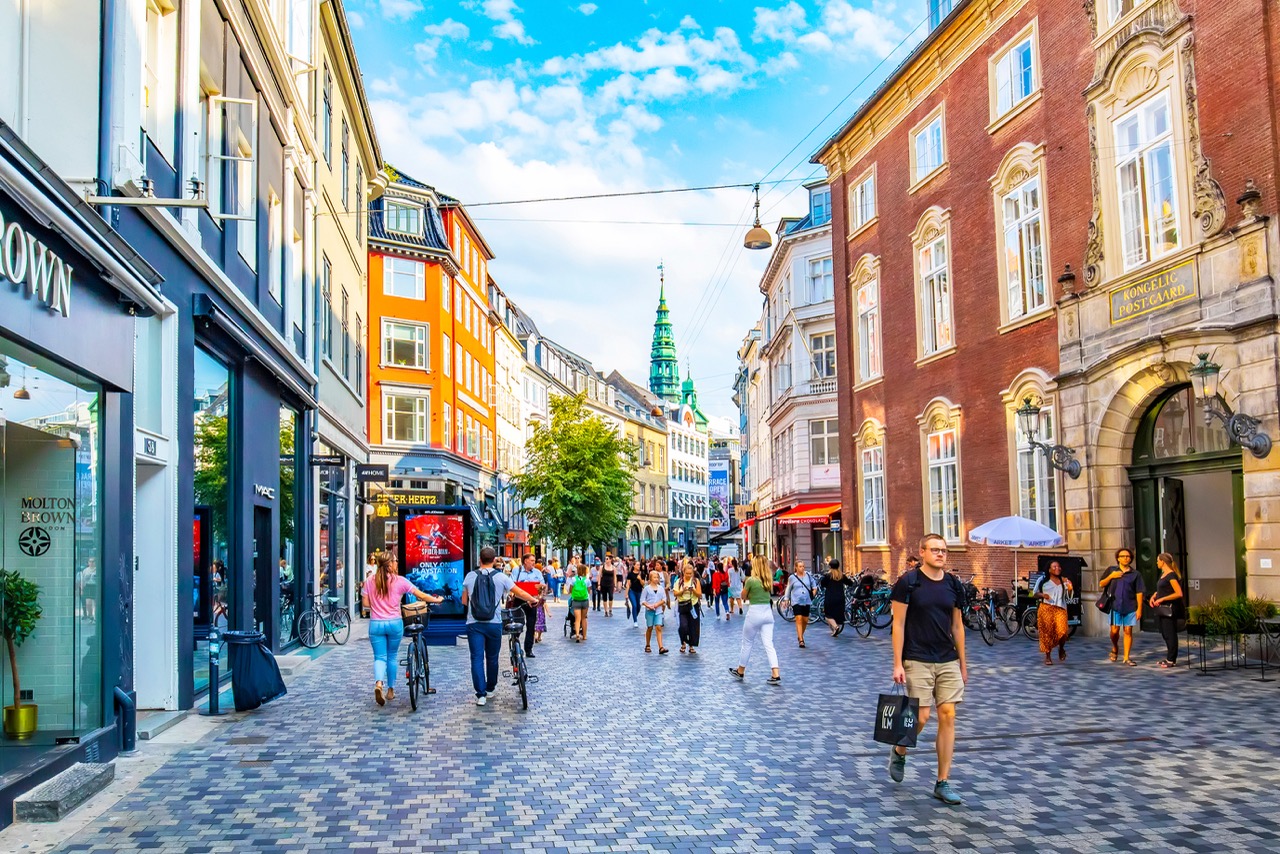
The aesthetically pleasing yet serene people and settings that surround you everywhere can trigger an acute shopping craving that can be satisfied in countless stores. Among the best known are Illum in the central pedestrian zone Strøget and Magasin du Nord on Kongens Nytorv, the largest square in the city center. Both offer a huge but well-curated range of fashion, design and culinary delights from Denmark. But beware, if you want to shop here, you should bring plenty of time with you.
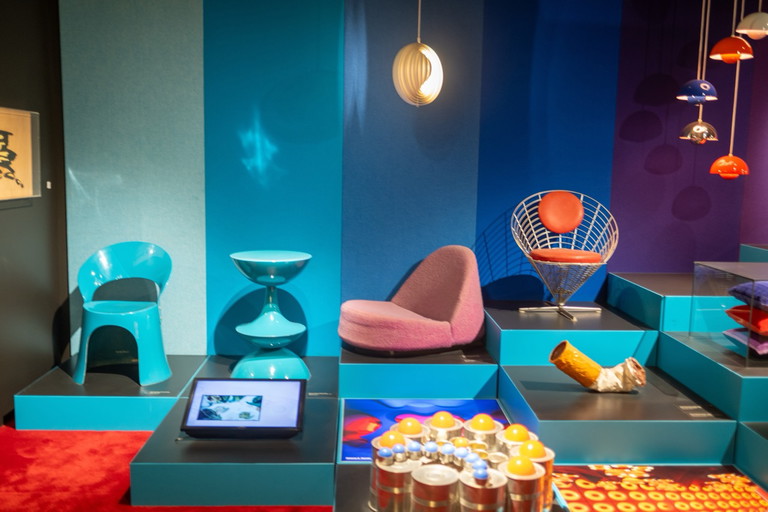
Before or after the shopping spree, it's worth visiting the nearby Designmuseum Danmark, where you can get to the bottom of the secrets of Danish design and design objects yourself in the permanent exhibition "Danish Modern". If you can't find a seat in the museum café afterwards, it's not far to the "Copenhagen Vibes" kiosk near Amalienborg Palace, where you can find juices, iced teas, jewelry and interior treasures as well as good coffee. A special kiosk – in a special city.