Easter in Finland: A Nordic Ritual of Light and Taste
From willow branches and childhood rituals to rye-based delicacies and the quiet return of daylight, Easter in Finland marks the gentle transition from winter to spring with a distinctive blend of tradition, folklore and understated celebration.
The Finnish Easter Table
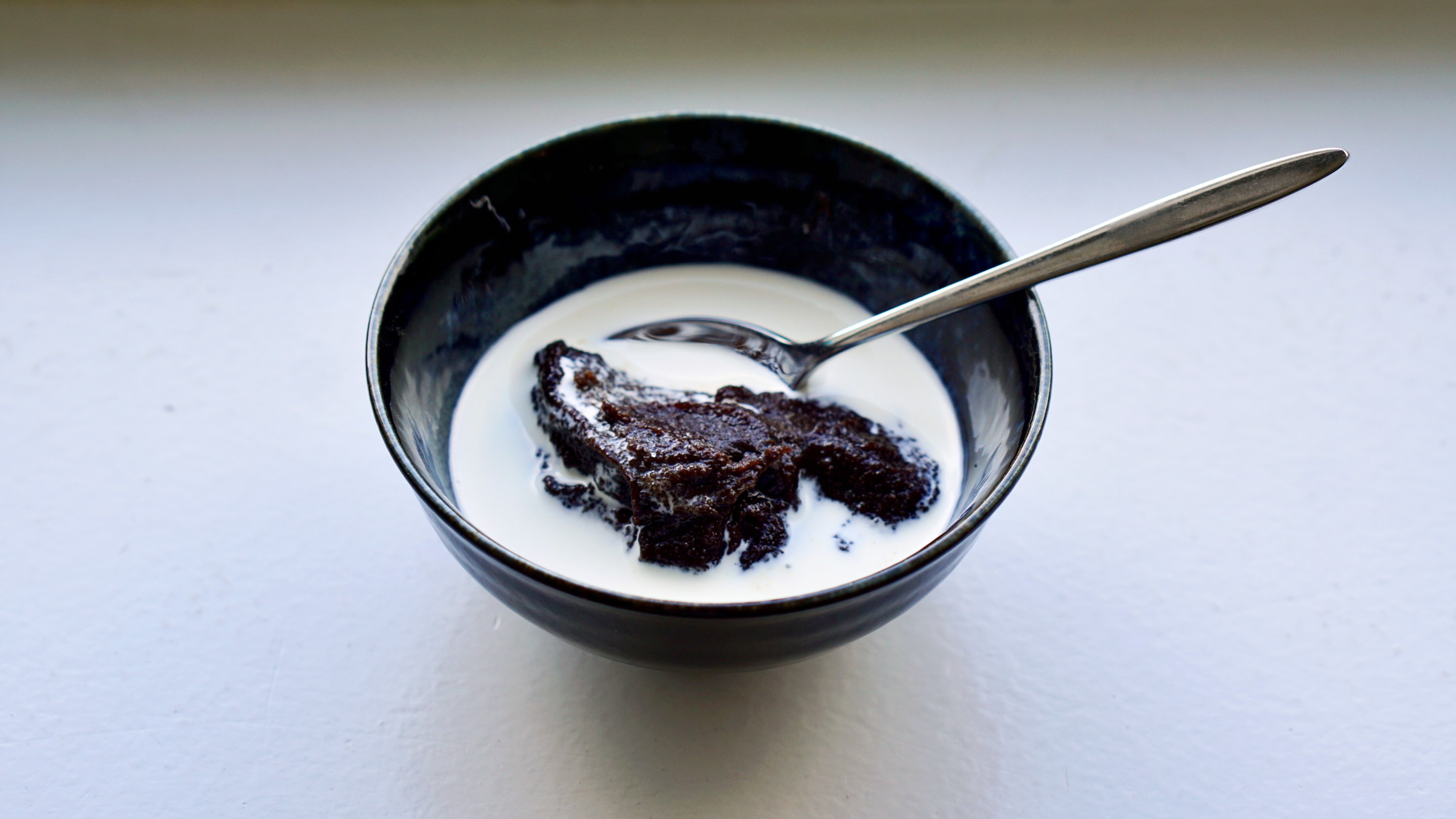
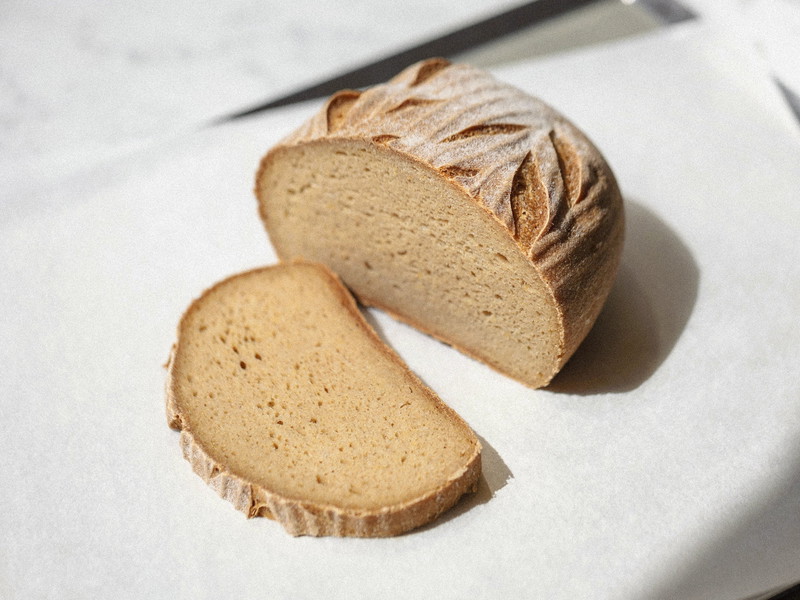
Food plays a central role in Finnish Easter celebrations, marking the end of Lent with rich and hearty dishes. At the heart of the Easter table is mämmi, a centuries-old dessert made from rye flour and malt. Dark, dense and slightly sweet, it is traditionally served cold with cream and sugar. Despite its modest appearance, mämmi remains one of Finland’s most distinctive Easter traditions, with origins dating back to at least the 16th century.
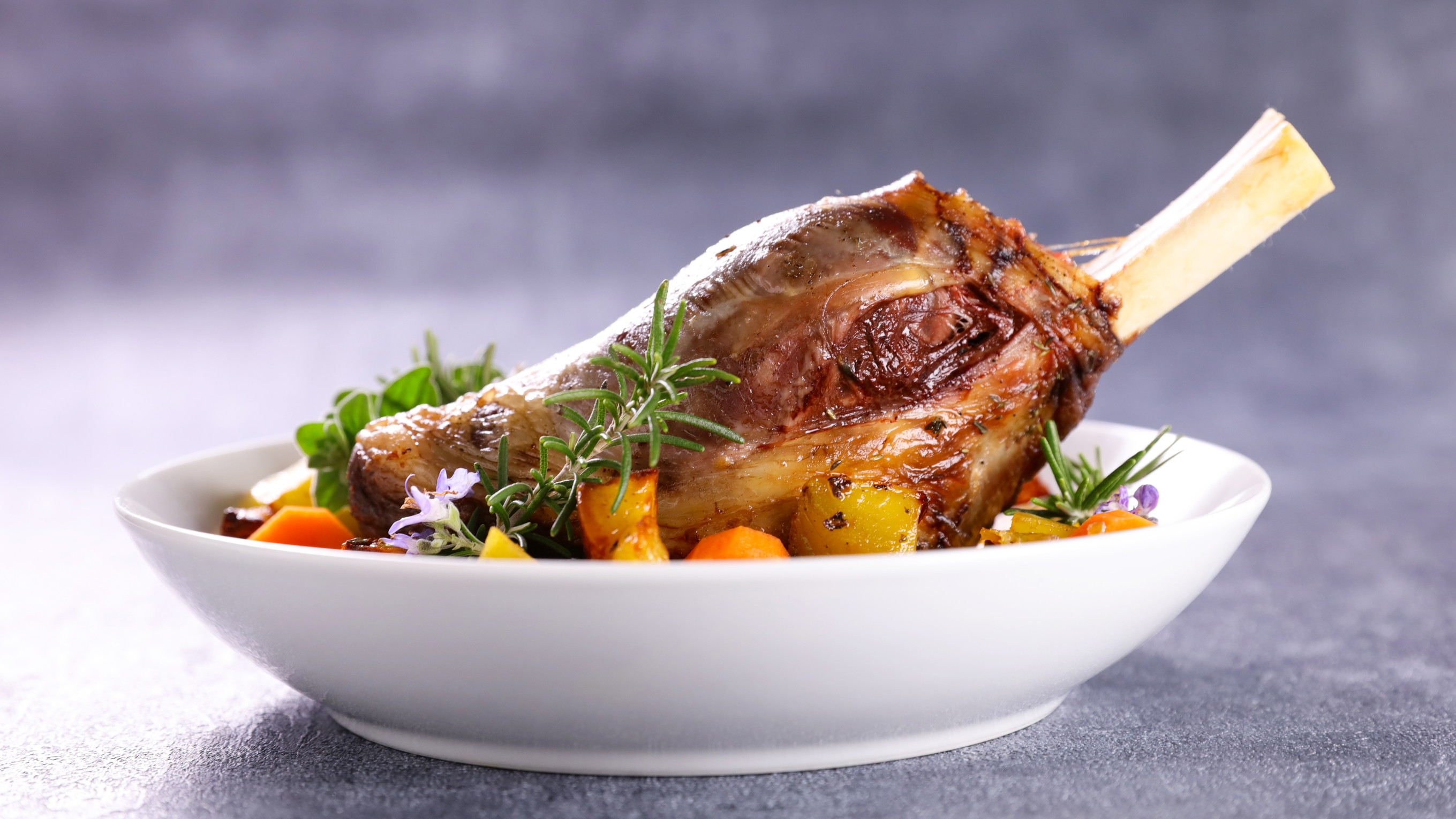
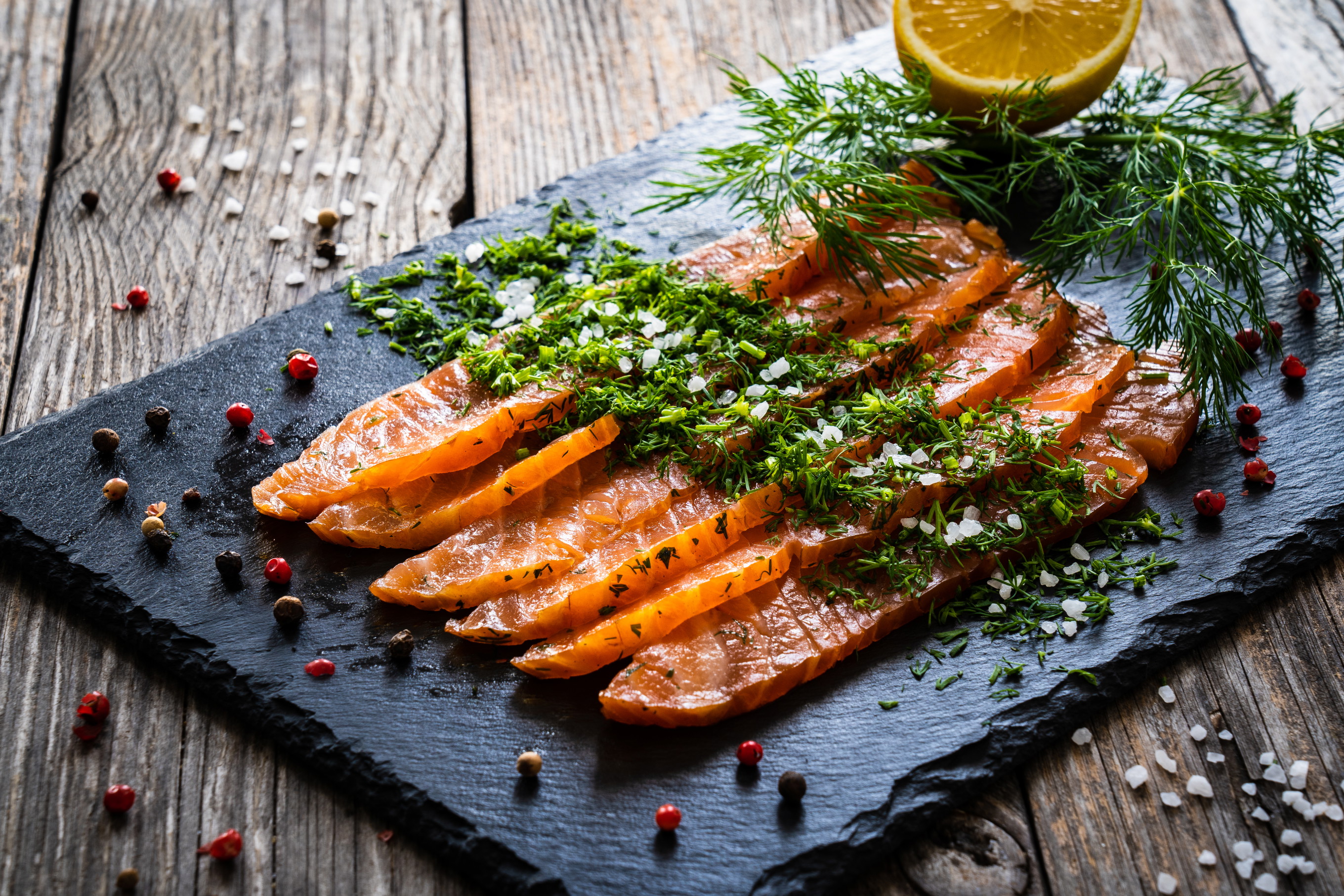
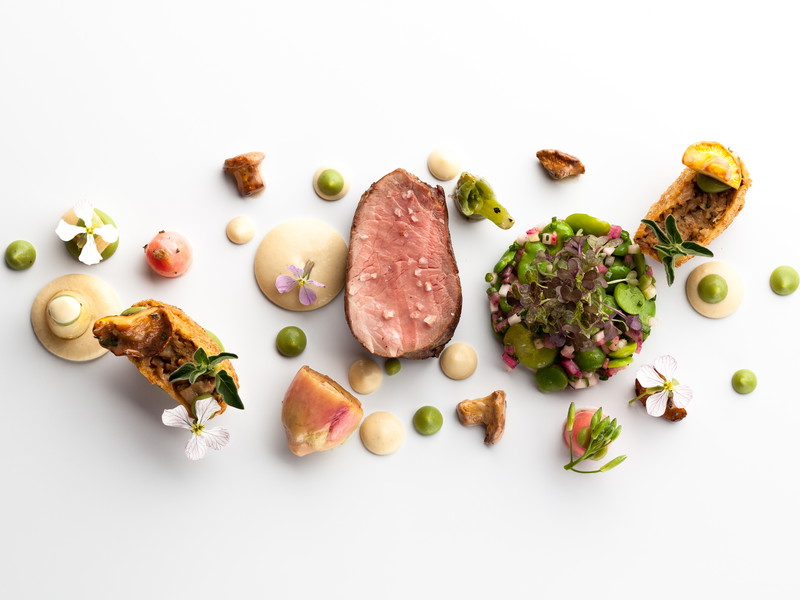
Alongside it, roast lamb takes centre stage—so much so that nearly half of Finland’s annual lamb consumption occurs during Easter. Other traditional dishes include fish delicacies such as gravlax and marinated herring, egg-based dishes, baked cheese (uunijuusto), and, in Orthodox-influenced regions, pasha, a rich dessert made from quark, butter, eggs and dried fruits.
Virpominen: A Ritual of Blessings
Perhaps the most distinctive Finnish Easter tradition is virpominen, a custom that feels both folkloric and festive.
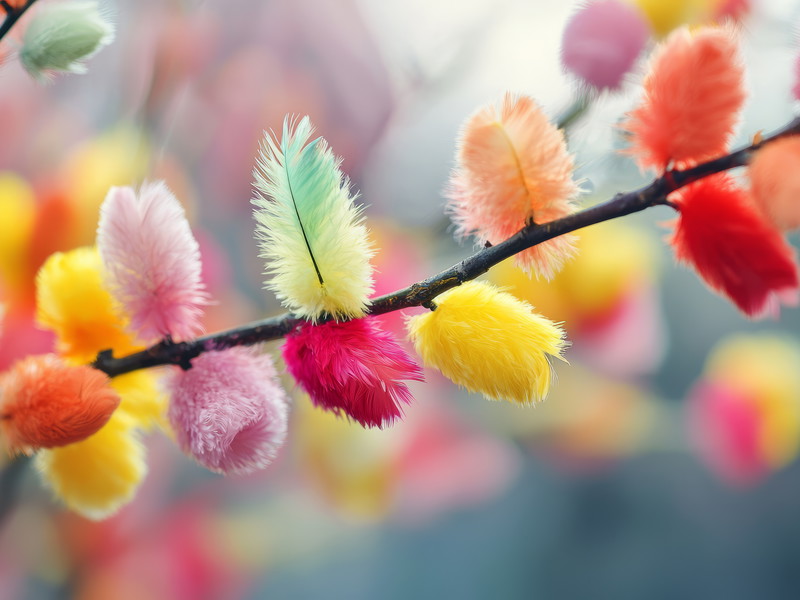
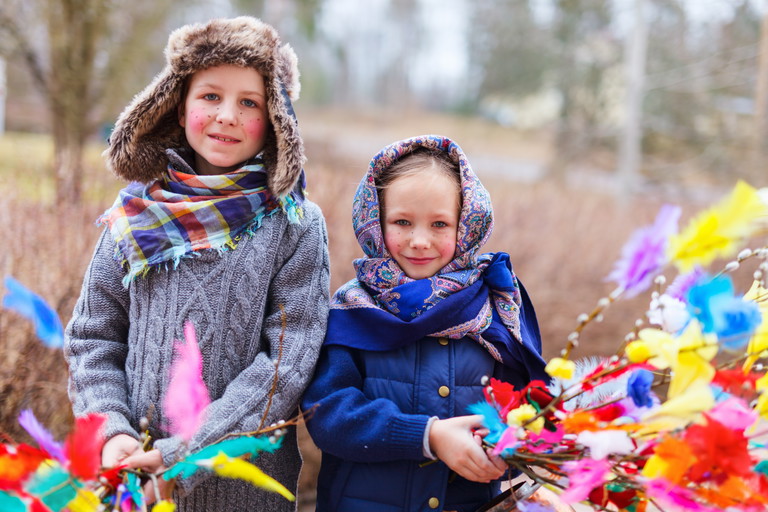
On Palm Sunday, children dressed as Easter witches wander through neighbourhoods carrying decorated willow branches. These branches—adorned with feathers and colourful paper—stand in for palm leaves, as willow is one of the first plants to bloom in the northern climate.
Going from door to door, the children recite a traditional rhyme, offering blessings of health and good fortune for the year ahead. In return, they receive sweets, coins or chocolate eggs.

A Celebration of Light and Renewal
The Finnish word for Easter, pääsiäinen, meaning “to break free from fasting,” was coined by Mikael Agricola—yet in Finland, it also signals a release from winter itself.
Homes are filled with colour and seasonal details. A beloved tradition is rairuoho, fresh green rye grass grown indoors in the weeks leading up to Easter, symbolising new life and the quiet return of spring.
Subtle yet deeply rooted in tradition, Easter in Finland is less about spectacle than about transition—a quiet celebration of light, renewal and the long-awaited end of winter.