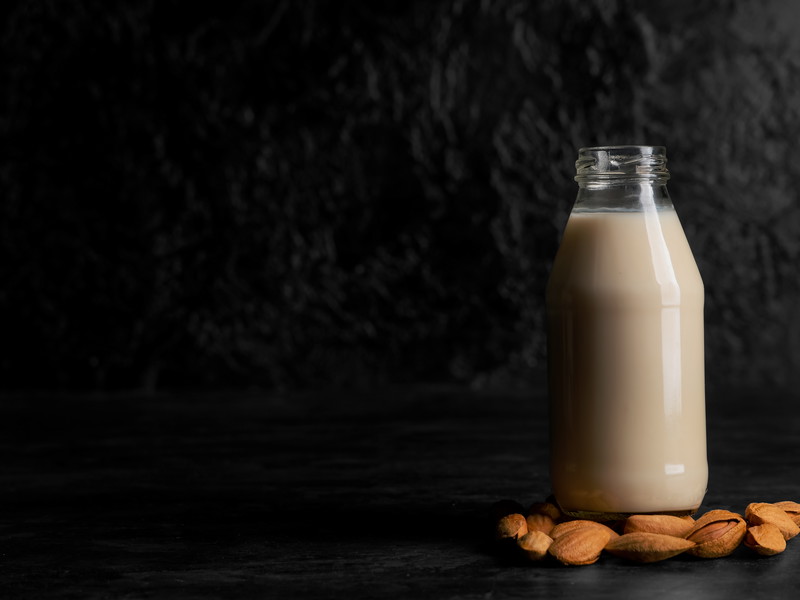
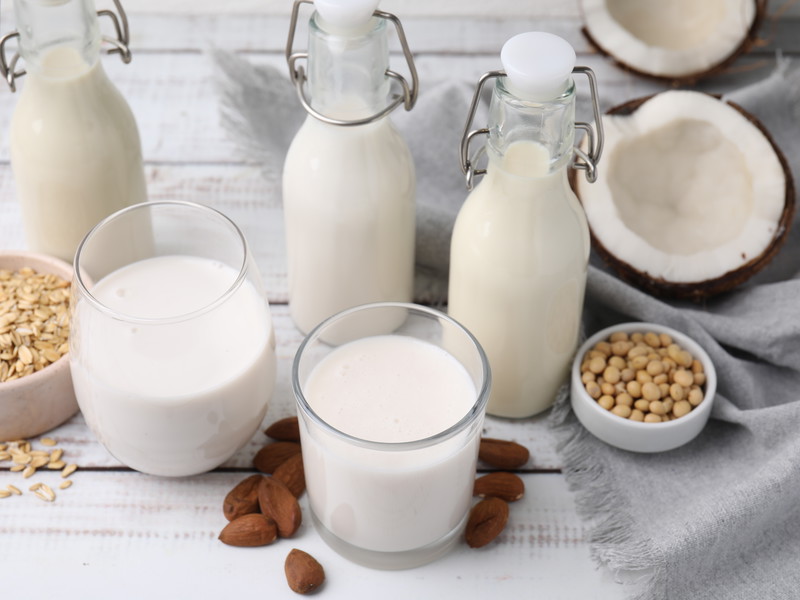
Non-dairy milk is more popular than ever, with almond milk in particular often seen as a healthy substitute for cow’s milk. But the German Federal Institute for Risk Assessment (GFIRA) is now issuing a warning: Many products contain mycotoxin, which can pose a particular risk to young children.
In a large-scale study, experts tested 162 commercially available plant-based drinks—including 86 oat drinks, 39 almond drinks, and 29 soy drinks—for mould toxics and other potentially harmful substances. Almond drinks showed particularly troubling results: The carcinogenic aflatoxin B1 was detected in 31 out of 39 products. This mold toxin can damage genetic material, leading the GFIRA to classify the health risk for children aged six months to six years as moderate.
Other contaminants were less critical. Ochratoxin A, another mold toxin, was found in many almond drinks and some soy drinks, but only in very small amounts, which the GFIRA considers a low concern. Deoxynivalenol as well as T-2 and HT-2 toxins were widespread in oat drinks; current assessments indicate they are unlikely to cause health issues. However, total exposure can increase if children also consume other oat-containing products, such as oatmeal.