Not all fruit seeds are the same. Those from berries such as strawberries, raspberries, or pomegranates are commonly consumed and perfectly edible. They provide fiber and beneficial plant compounds with antioxidant properties. The same applies to kiwi and passion fruit seeds, which can be eaten without hesitation.
Grape seeds stand out in particular: rich in polyphenols, they are associated with positive effects on the cardiovascular and immune systems. These compounds are also believed to have antimicrobial properties, which is why grape seed extract is now widely used in the food industry and in supplements.
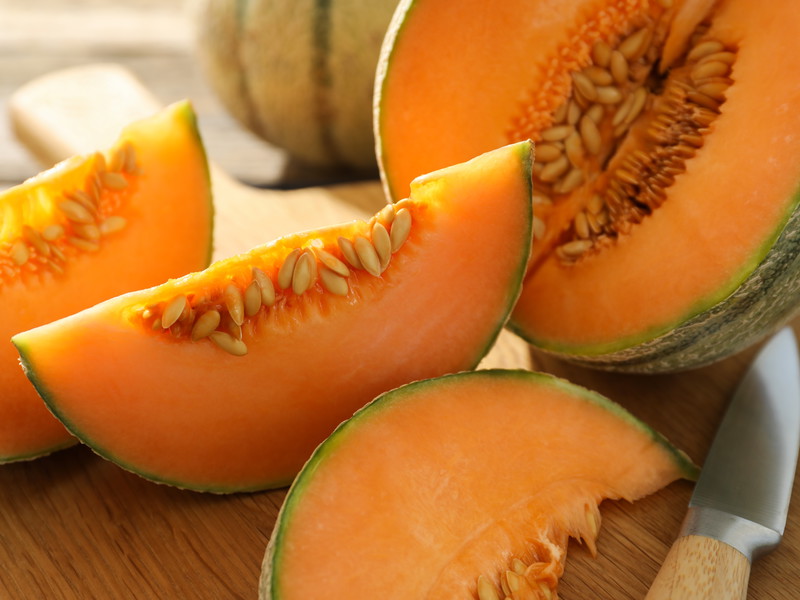
Melon and pumpkin seeds are equally safe and nutritionally valuable. They contain minerals such as magnesium, iron, and zinc, along with healthy unsaturated fats. Pumpkin seeds, in particular, are true nutrient powerhouses, providing vitamin E and supporting healthy cholesterol levels. In Central European cuisine, they have long been part of traditional dishes – from the deep green pumpkin seed oil of Styria to baked goods enriched with ground seeds. Melon seed oil, meanwhile, has been used in parts of Asia for generations.
Seeds to Handle with Care
Caution is needed with stone fruits such as apricots, peaches, cherries, plums, and mangoes. Their kernels contain amygdalin, which the body can convert into toxic hydrocyanic acid. In larger amounts, this may lead to nausea, cramps, breathing difficulties, or worse. Adults should consume no more than a few apricot kernels per day, while children and pets should avoid them altogether.
Bitter apricot and almond kernels are used in products like marzipan, but their cyanide content is strictly regulated. Supplements made from apricot kernels remain controversial, as no proven health benefits have been established.
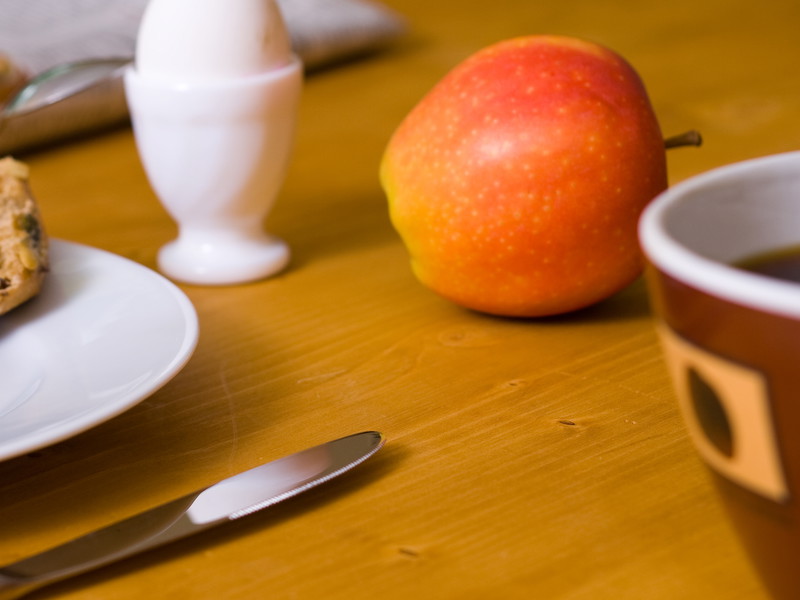
Apple and pear seeds also contain amygdalin. Swallowing a few whole seeds is harmless, as they typically pass through the body undigested. However, when crushed or blended – for example in smoothies – the compounds are released, making regular consumption in this form inadvisable.
Beyond nutrition, seeds offer notable culinary potential. When roasted or ground, they reveal complex flavors – from nutty crunch in baked goods to subtle bitter notes in confectionery. Far from being mere by-products, fruit seeds add texture, depth, and creative possibilities to modern cuisine.