

"Golden Milk": Turmeric Latte
“Golden Milk” warms you from within, gently soothes the stomach, and owes its radiant...
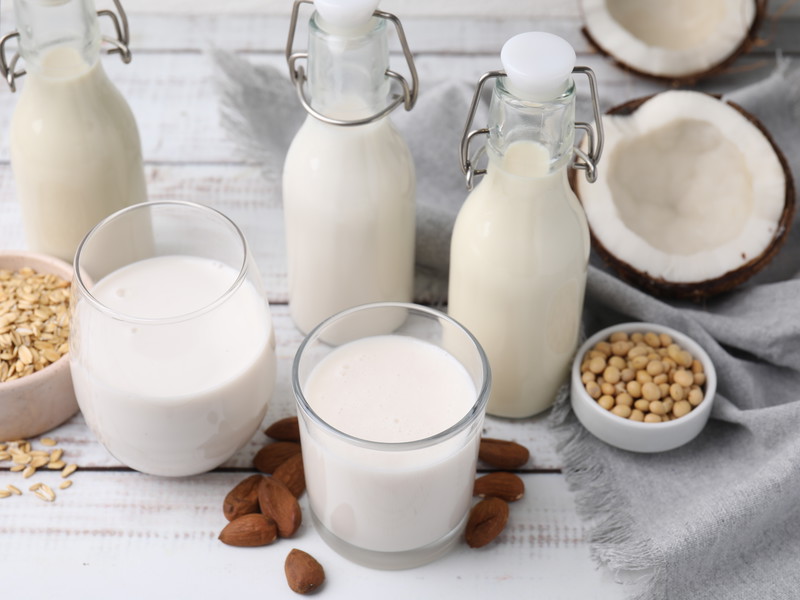
Chances are, you've already tried plant-based milk. If not, now's the perfect time. We spotlight the healthiest options and their ideal everyday use.
Whether driven by health, curiosity, or a push for sustainability, plant-based milk has earned a spot in countless diets. A close look at the top options reveals their production methods, origins, and everyday advantages.
Soy Milk
Soy milk starts with soaked soybeans ground with water, heated, and strained. It traces back to China during the Han Dynasty over 2,000 years ago, tied closely to tofu-making. It gained traction in Europe and North America in the 1970s amid vegetarian and reform movements. Heat-stable and great for frothing, it shines in coffee, cooking, baking, and desserts. Key perks include high protein levels matching cow's milk, essential amino acids, unsaturated fats, added calcium in fortified versions, and isoflavones that support heart health and cholesterol.
Oat Milk
Oat milk comes from oats blended with water and enzymatically processed to turn starch into sugar. Swedish food scientist Rickard Östé pioneered its modern commercial form in the 1990s, with a boom in the 2010s as a barista favorite. Mild, subtly sweet, and creamy, it excels in coffee, muesli, and cooking. Beta-glucans help cholesterol, plus it offers fiber, B vitamins, is low in fat, and often fortified calcium and vitamin D.
Almond Milk
Almond milk is produced by soaking almonds, blending with water, and filtering. Its history stretches to the Middle Ages in the Arab world and Europe as a shelf-stable Lenten staple. The contemporary U.S. version took off in the 2000s. Best for cold drinks, smoothies, desserts, and light dishes—less ideal for heavy heating—it's low-calorie, a source of vitamin E antioxidants and unsaturated fatty acids. Protein remains low, making it less robust than soy or pea options.

Pea Milk
Pea milk is made from yellow split peas, isolated for protein, blended with water, and homogenized. Developed in the 2010s, mainly in North America, it answers the call for soy- and nut-free protein. With its creamy texture and solid foaming, it excels in coffee, cooking, and baking. Packed with plant protein, iron, and unsaturated fats, it's low-allergen; fortified versions add calcium and vitamin D for top-tier balance.
Rice Milk
Rice milk comes from cooked rice fermented or enzymatically treated with water, then strained. Rooted in East Asia, it hit Europe commercially in the 1980s for allergy sufferers. Mild and naturally sweet, it is commonly used for desserts, baking, or in its pure form. Gluten-free, low-fat, and easily digestible, it lacks protein—fortified options bring calcium and B12—but its high glycemic index limits it for blood sugar concerns.
Coconut Milk
Coconut milk is pressed from ripe coconut flesh with water. A staple for centuries in Southeast Asia, India, and the Caribbean, it later entered Western drinks. In cooking, it stars in curries, soups, and desserts, less so in coffee. Quick-energy medium-chain fats like lauric acid, plus potassium and magnesium abound, though a high fat positions it more as a flavorful culinary player than everyday milk swap.