Skip to content
© Kaupo Kalda, Laurie Iaan, Grand Palce Hotel, Dzeina Saulite, Latvia.Travel

Food for Thought–A Culinary Tour of the Baltic Capitals

Baltics
Food & Beverage

The Baltics are far from monolithic—while some differences are subtle, each has their own unique character. Falstaff traveled through all three capitals to explore their distinct food and hospitality.https://cms.falstaff.com/en/blog/food-for-thought/

The Baltic nations of Estonia, Latvia, and Lithuania hold an interesting position: While fully integrated into the EU and other western organizations, they are still somewhat unknown, even among fellow Europeans. This is a pity: Situated right on the crossroads of Scandinavia and Eastern Europe with a smattering of German influence courtesy of the medieval Hanseatic League, they are rich in history and cultural heritage, and anyone willing to explore the three will be greatly rewarded.

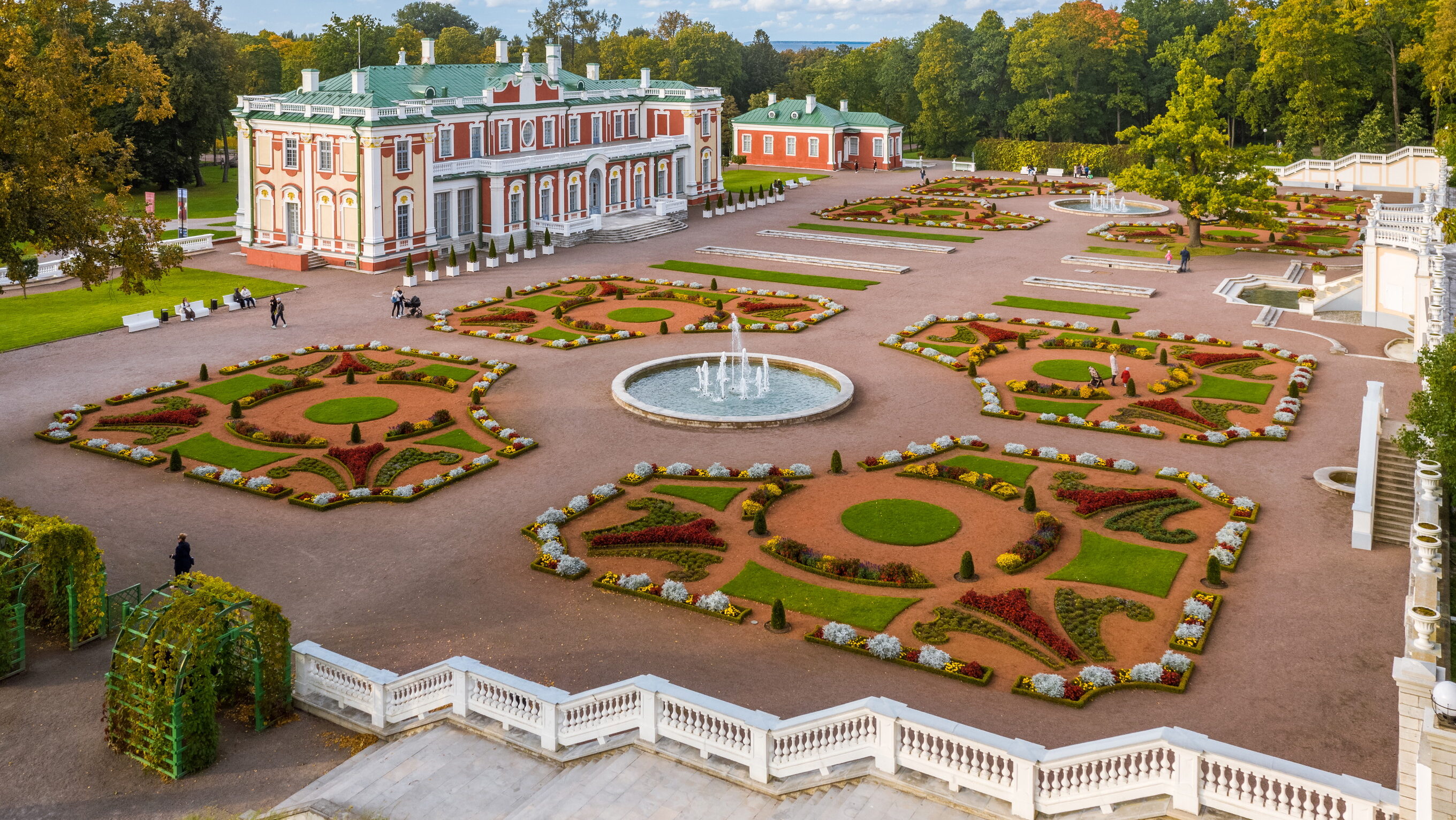
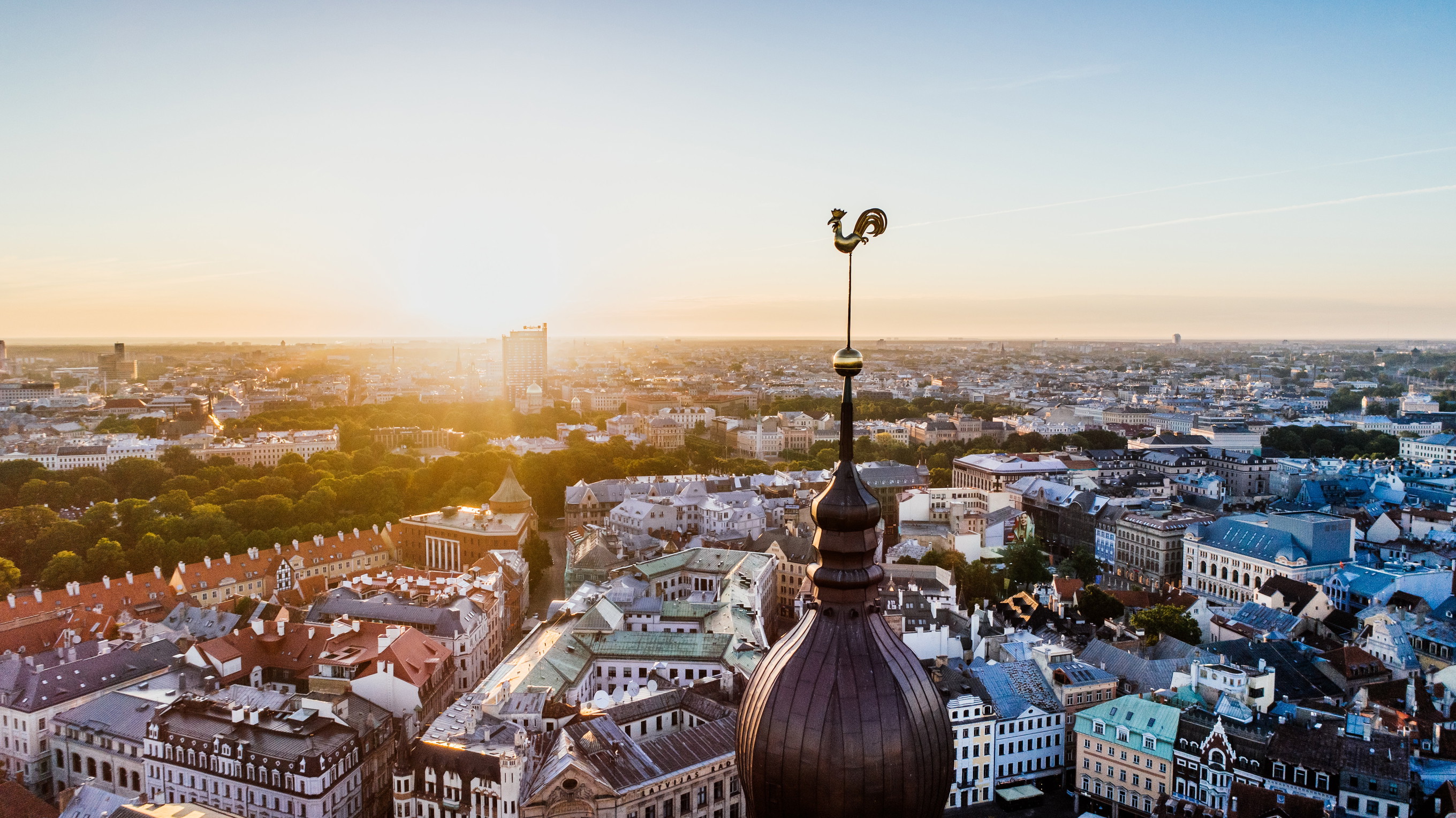
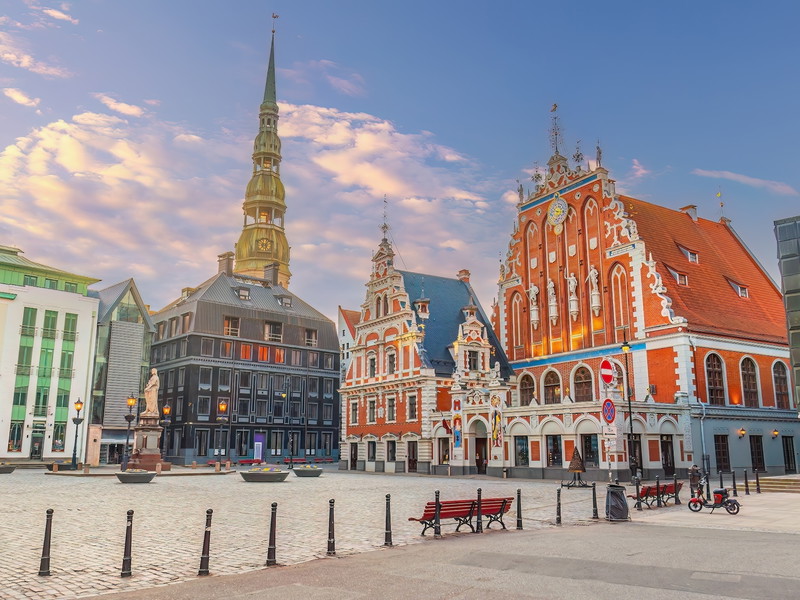
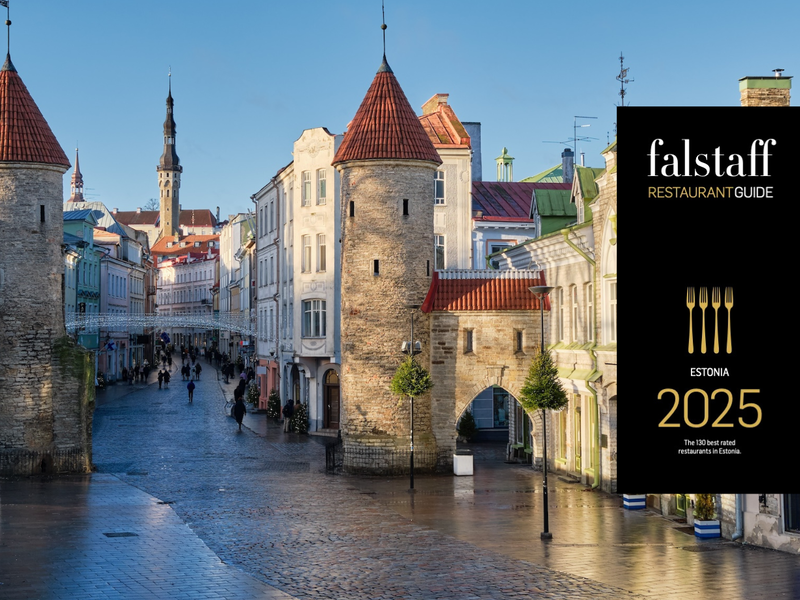
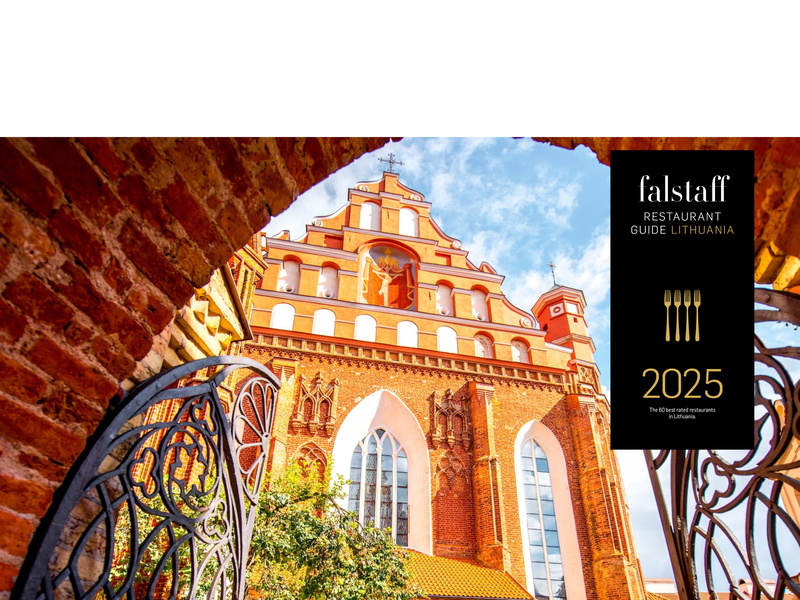
The three capitals Tallinn, Riga and Vilnius each have their own individual style. Sitting opposite Helsinki on the other side of the Gulf of Finland, it’s no surprise hat Tallinn feels strongly Nordic, with a charming medieval Old Town listed as a UNESCO World Heritage Site. Riga, on the other hand, is defined by one of the largest concentrations of Art Noveau buildings in Europe, supplemented by medieval German-Baltic townhouses and 20th century modernism, making for an appealing, eclectic mix. Southernmost Vilnius feels warmer, with many references to its past as part of the Polish-Lithuanian commonwealth–both culturally and architecturally, as the city is centered around an impressive ensemble of baroque buildings. However, this impression is only skin deep: A week-long trip is just right to experience the full spectrum of what the Baltics have offer.

Train connections between the three countries are infrequent, slow, and inconvenient. Air traffic, however, works quite well, but the most convenient way to get around remains by road. Driving a rental car or taking an overland bus does not take much longer than flying if you consider the time spent in airports: The journey from Tallinn to Riga takes 4.5 hours, while the journey from Riga to Vilnius takes 4 hours.

Eat Like a Local

As soon as you arrive in each capital, you will notice a distinct local color that sets each apart. Estonians in Tallinn tend to keep to themselves with Nordic restraint, while larger Riga is bustling with cosmopolitan vibes, with Latvians are often more friendly and willing to chat. Finally, Vilnius awaits as a sprawling, green city where the pace of life is more relaxed, with numerous outdoor cafés and terraces beckoning–if the weather allows.

To gain insight into the local food culture, it’s best to befriend some locals, as Baltic gastronomy rarely serves its own regional delicacies. Home cooking is still very much served at home, while restaurants are reserved for special occasions. Local markets do however offer a comprehensive overview of what’s popular.

In Riga, the Central Market is located right next to the bus station and is a great place to grab a bite, with numerous traditional delicacies available to on the spot. A great example is Perons Nr. 1, where all food is sold by weight rather than by portion. Ask for Kurzeme Stroganov–similar to the world-renowned standard, this version uses pork instead of beef and contains sour cream and pickled cucumbers.

Vilnius also boasts some decades-old market halls, supplemented by the recently opened Senatoriu Pasažas (Senators’ Arcade). With its many restaurants, cafés, and wine bars, it’s ideal for culinary exploration, with abundant take-away options available. You will likely find cepelinai (potato dumplings): a national dish of Lithuania; they are usually filled with minced meat and are typically served with bacon and sour cream, not unlike pierogi.

The most popular market in Tallinn is Balti Jaama Turg, conveniently located next to the railway station. The choices here are myriad, but traditional local food often proves elusive: Estonians jokingly refer to hamburgers as their national dish due to their enormous popularity. If you’d like to put that to the test, try VLND Burger, which claims to offer the best in Estonia. However, wild game is highly popular in Estonia during winter, and one of the best places in Tallinn to enjoy boar or venison is Humalakoda, a craft beer brewery with its own restaurant.

This allows you to taste another local mainstay: Craft beer is a source of pride for all three Baltic countries, and there are countless differentproducers and even more labels on offer.

Tasty Souvenirs

Another world class Baltic product are the various artisanal berry wines and ciders: Strong and full of character, once you’ve tried them, you will certainly want to take some home. Latvia, for instance, offers Rizhskiy samogon (Riga’s moonshine) or Abava berry wines and ciders. From Lithuania, try Šušves mead or Geri Metai rowanberry wine. And Estonia produces Tuletorni craft beer, Tori Siidritalu ciders, berry wines, and white wine made with Solarise grapes.

However, if your souvenir must be food, the choices are more limited. All three nations lack a strong culinary identity, as small countries greatly influenced by their neighbors and historical peculiarities: Tallinn‘s cuisine, for instance, has been formed by its past as a medieval Hanseatic city, with numerous northern German favorites like pickled herring and sausages offered in local variations.


However, each country does have at least one distinct dish, something special that even their closest neighbors do not have. In Lithuania, this is šakotis, or tree cake, which is baked on a rotating spit in an oven or over an open fire. Latvia has gotina, a candy made from milk and butter. And one of Estonia‘s favorite foods is vürtsikilu (spiced Baltic sprat): Served on black rye, it can also be purchased in canned form.

Speaking of rye: Estonia boasts numerous different types of bread, with the newest and most fashionable being Aarde Pagari–a delectable blend of sourdough and dark bread. Additionally, Tallinn’s marzipan is worthy of note–a local delicacy since Hanseatic days, they’ve had centuries to perfect it. But whichever delicacy strikes your fancy, the real treat is what you discovered–with so much to offer, the Baltics won’t be a well-kept secret much longer.

Published in
Falstaff Magazine Nordics 1/2025

View magazine

Order now

Aivar Hanson
Aivar Hanson
Author
Find out more
1 / 12