Riga: When Coffee Meets Whisky
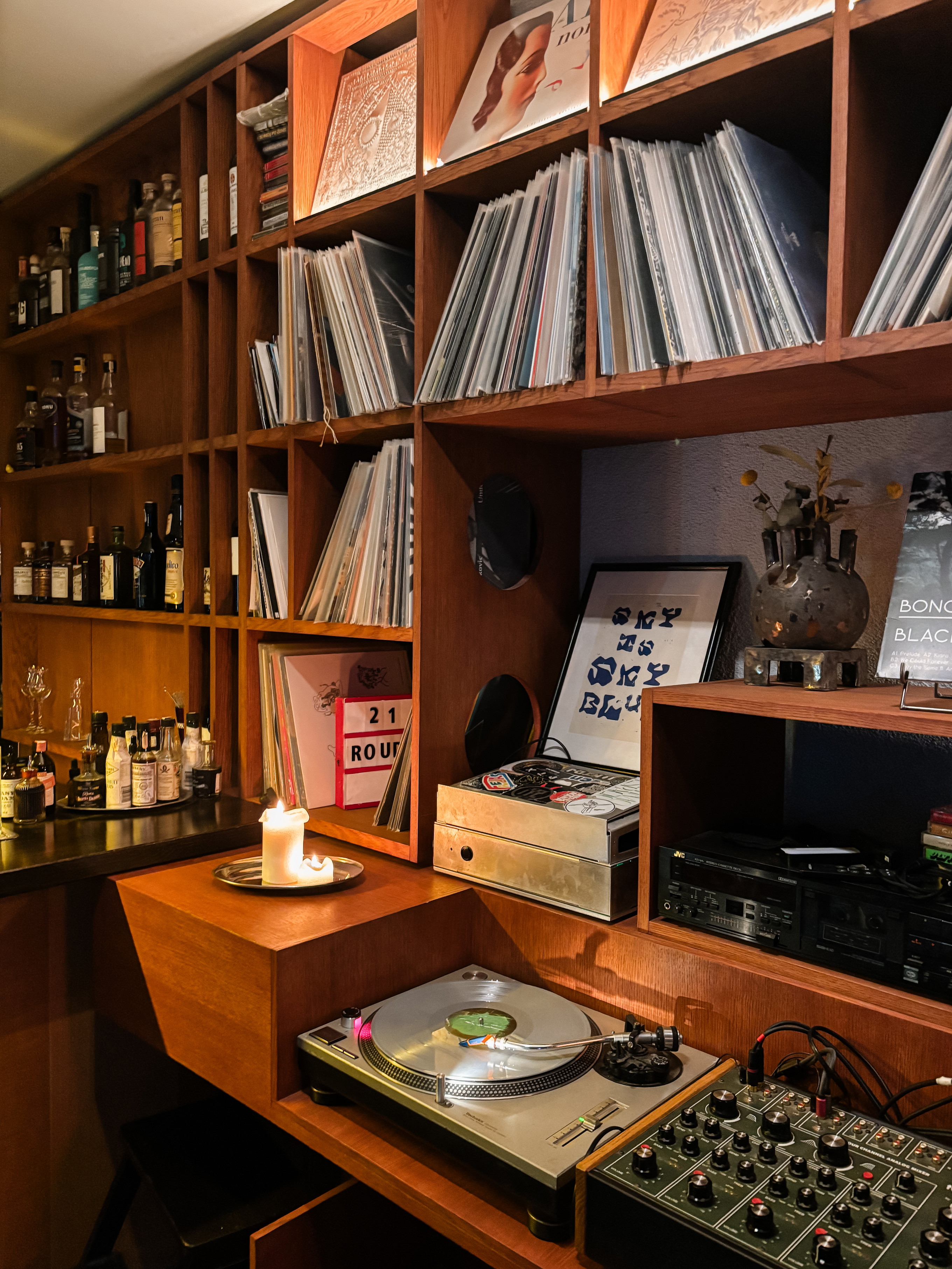
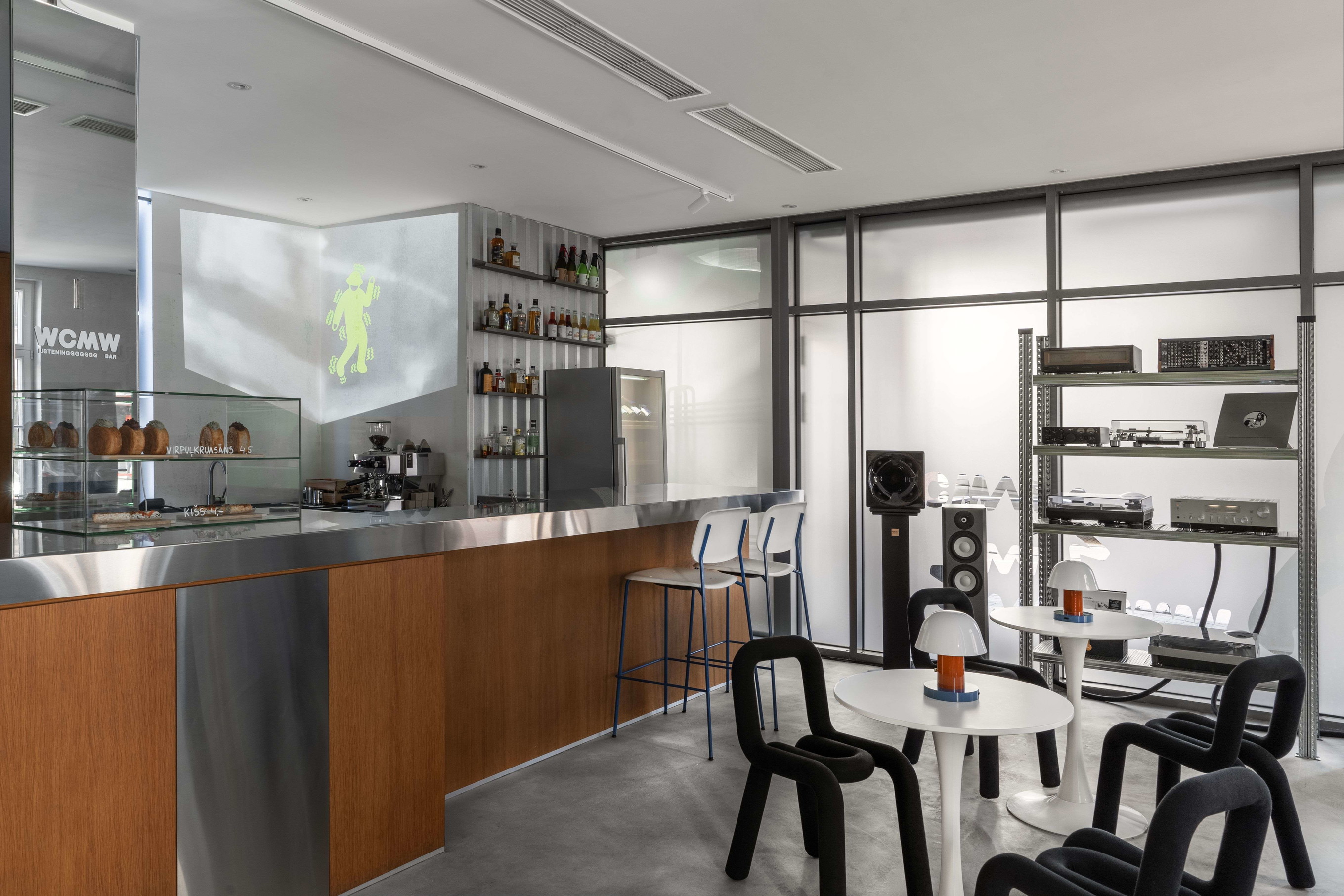
If Vilnius leans industrial and intimate, Riga approaches the listening bar format through design sophistication. When Coffee Meets Whisky (WCMW) positions itself as the Baltics’ first listening bar, and it frames the experience as a seamless transition from day to night.
Founded by sound professional, DJ and producer Valts—who previously established a similar concept in Rotterdam—WCMW is deeply rooted in audio expertise. The project grew from T Studio, the neighboring music equipment shop specializing in high-end studio and home audio systems.
Gastronomy is equally integral to the concept. Mornings here begin with specialty coffee and handmade pastries, creating a café atmosphere that invites lingering. As evening approaches, the focus shifts toward a refined cocktail program and one of the finest Japanese whisky selections in the region.
Here, sound and flavor are treated as parallel sensory experiences. The clarity of a perfectly brewed espresso mirrors the precision of the sound system; the complexity of aged whisky reflects the layered textures of vinyl recordings. WCMW demonstrates how listening culture can evolve into the one that moves fluidly between café, cocktail bar, and audiophile sanctuary.
Tallinn: Terminal Records & Bar
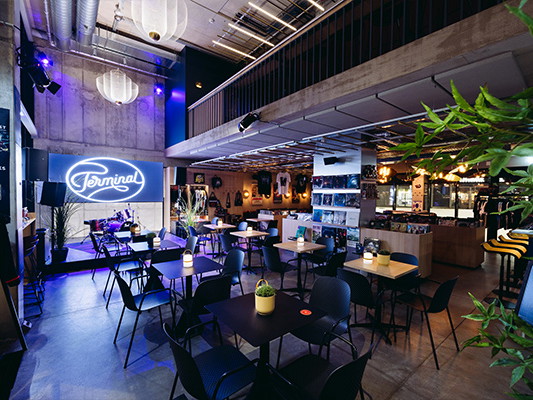
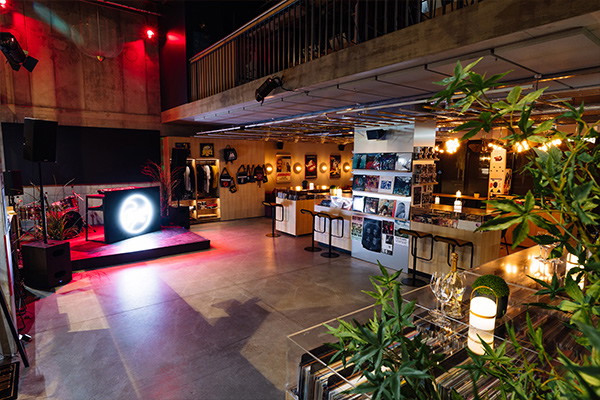
In Tallinn, Terminal Records & Bar interprets the listening bar essence through hybridity. Part record store, part bar, part live venue, it spans two floors filled with new and second-hand vinyl, CDs, films, books and music memorabilia.
During the day, guests stop in for coffee while browsing endless rows of records. In the evening, artisan cocktails, wine, and local craft beer take center stage. Weekly live jazz sessions transform the retail space into a performance venue, while album presentations, DJ sets, and film screenings deepen the cultural offering.
Terminal’s gastronomic program complements its inclusive atmosphere: quality coffee, well-balanced cocktails, and a carefully curated drinks list create a setting where music discovery pairs naturally with social ritual. It may be less strict than a traditional Japanese jazz kissa, but the philosophy remains consistent.
A Baltic Synthesis of Sound and Table
What makes the Baltic listening bar movement particularly compelling is its refusal to separate culture from cuisine. These venues reflect a broader shift in how younger generations approach nightlife and dining. Rather than chasing volume and spectacle, they seek depth — flavor with narrative, music with intention, spaces with atmosphere.
Listening bars in the Baltics are providing a different perspective on what a night out can be: an immersive sensory dialogue where gastronomy and sound are given equal weight. The result is something that feels both nostalgic and contemporary—a cultural experience where taste and tone coexist.