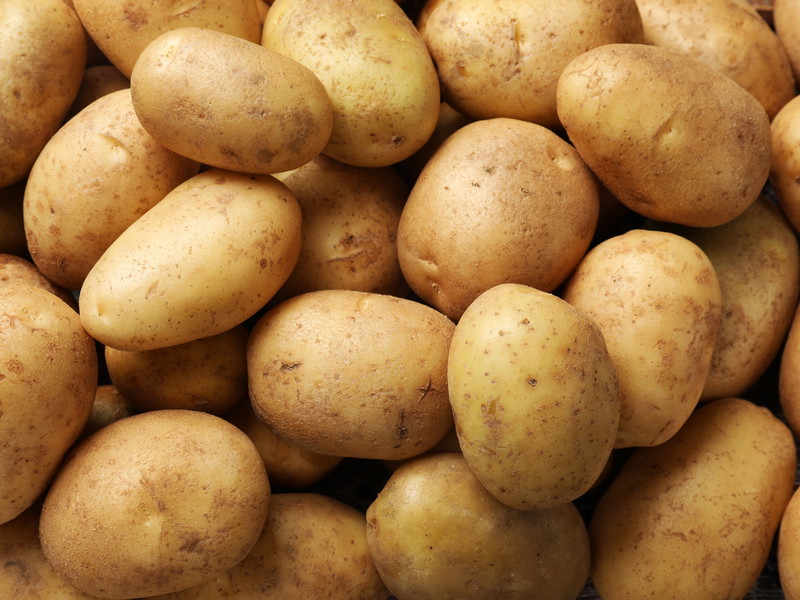
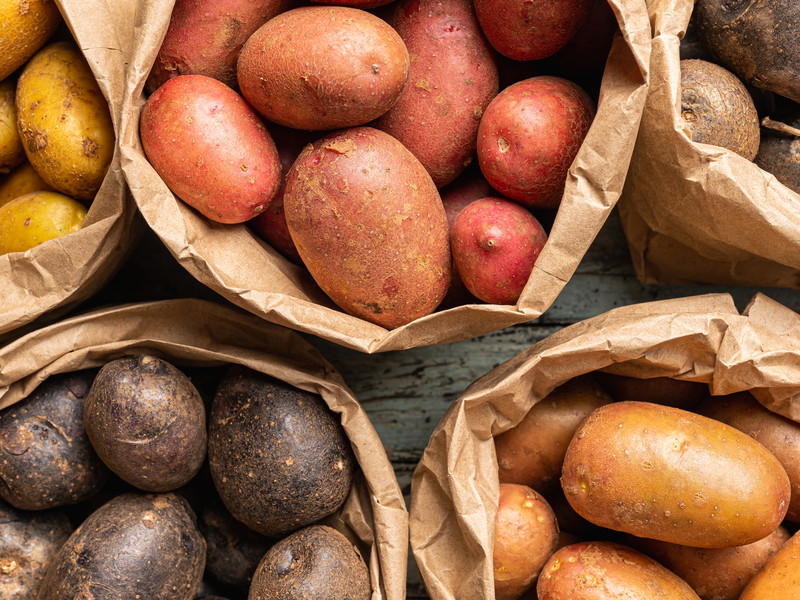
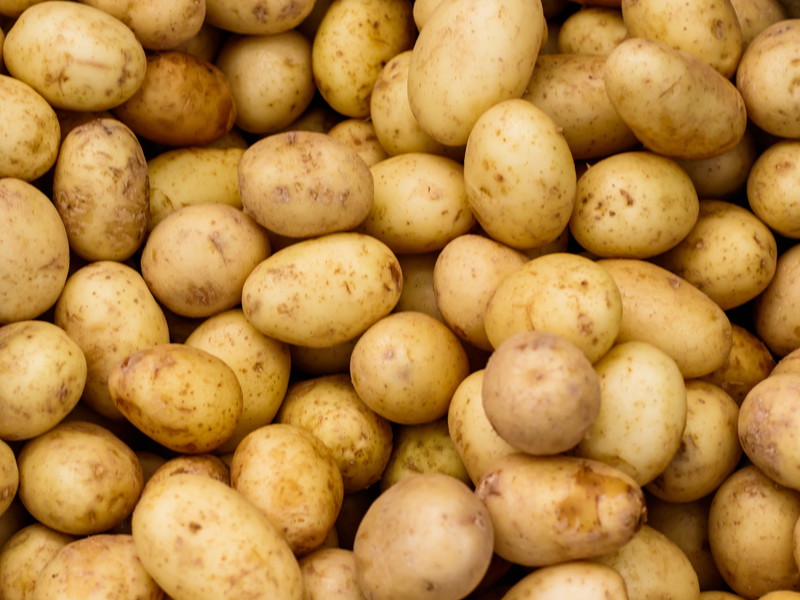
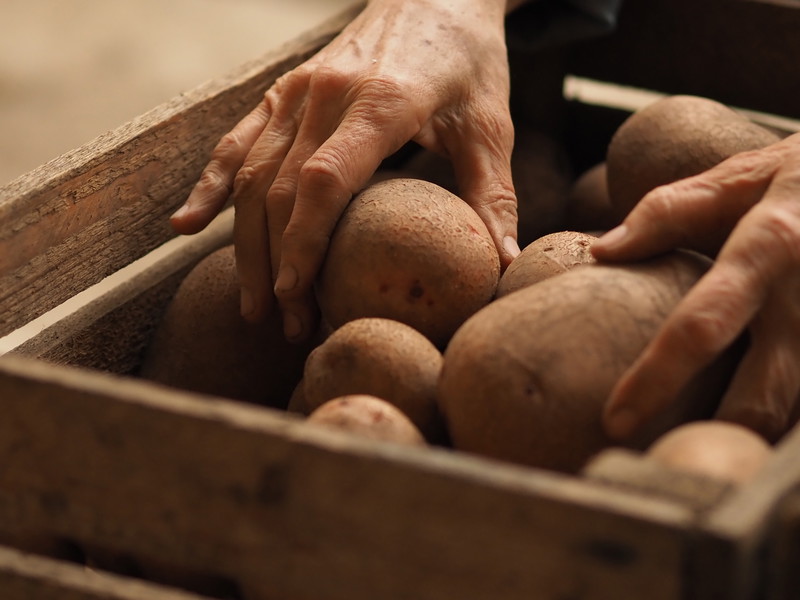
The potato replaced much of the monotonous bread and porridge that had long dominated the peasant diet. It could be boiled, baked, fried, or stirred into soups and stews, and soon became a cornerstone of Nordic home cooking. Meals grew more varied–and more filling. Because the potato was cheap and easy to grow, grain could instead be sold or used as feed, bringing a modest rise in prosperity.
Yet the same crop also worsened an old problem: drinking. Before the potato’s rise, spirits were distilled mainly from grain–competing directly with the food supply. But once potatoes began to be used in the early 19th century, production costs plummeted. The tuber’s starch could be easily fermented after boiling, producing large quantities of strong, inexpensive liquor.
Before long, farms across the Nordics were distilling their own–a practice known in Sweden as hembränning. Consumption soared until the new abundance began to worry both priests and politicians. Soon, temperance movements took shape, and the state moved to curb the excess. And in time–after political battles, social reforms, and more than a few hangovers–Scandinavians became somewhat more moderate in their drinking–though hopelessly dependent on boiled potatoes.
Everyday delicacy
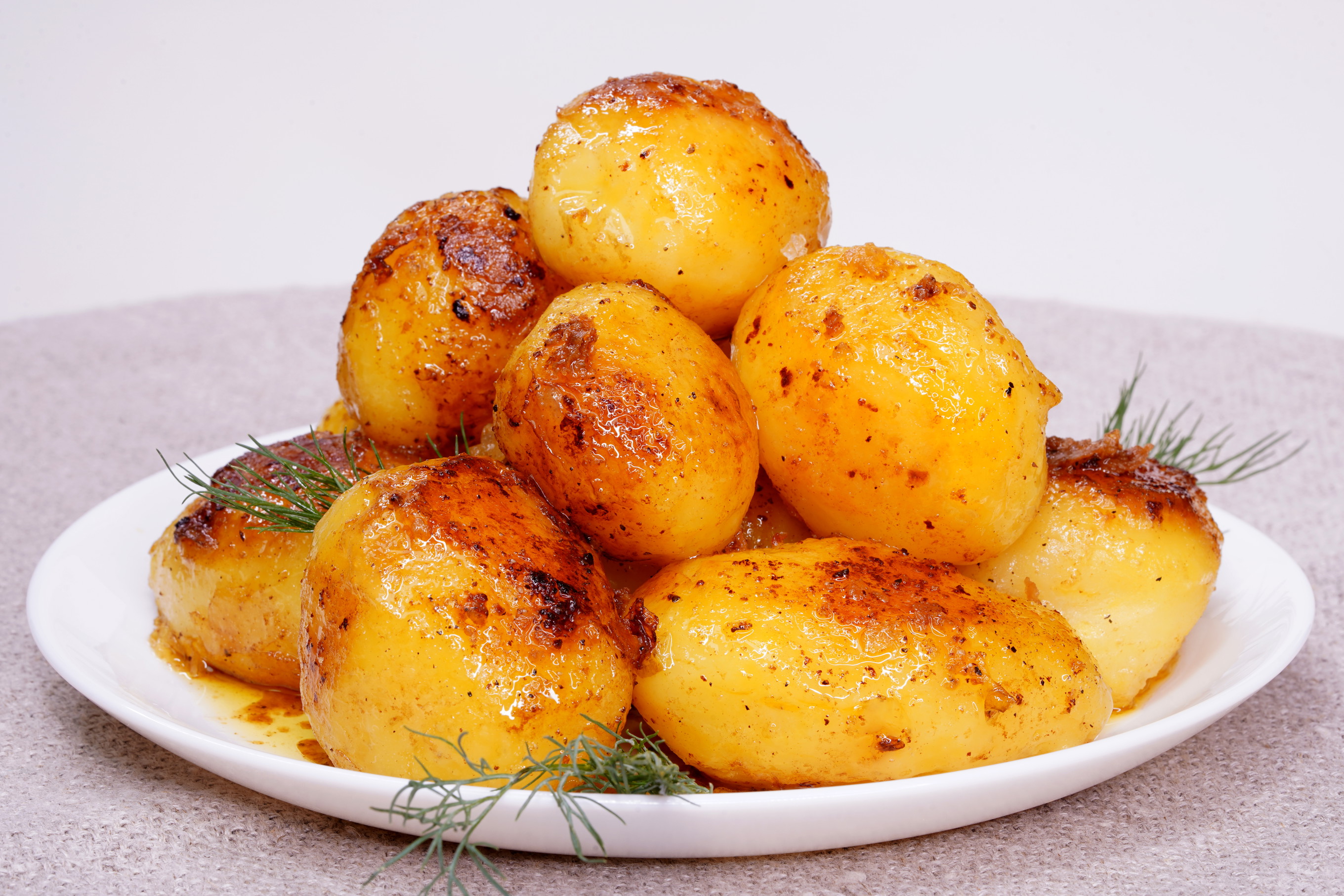
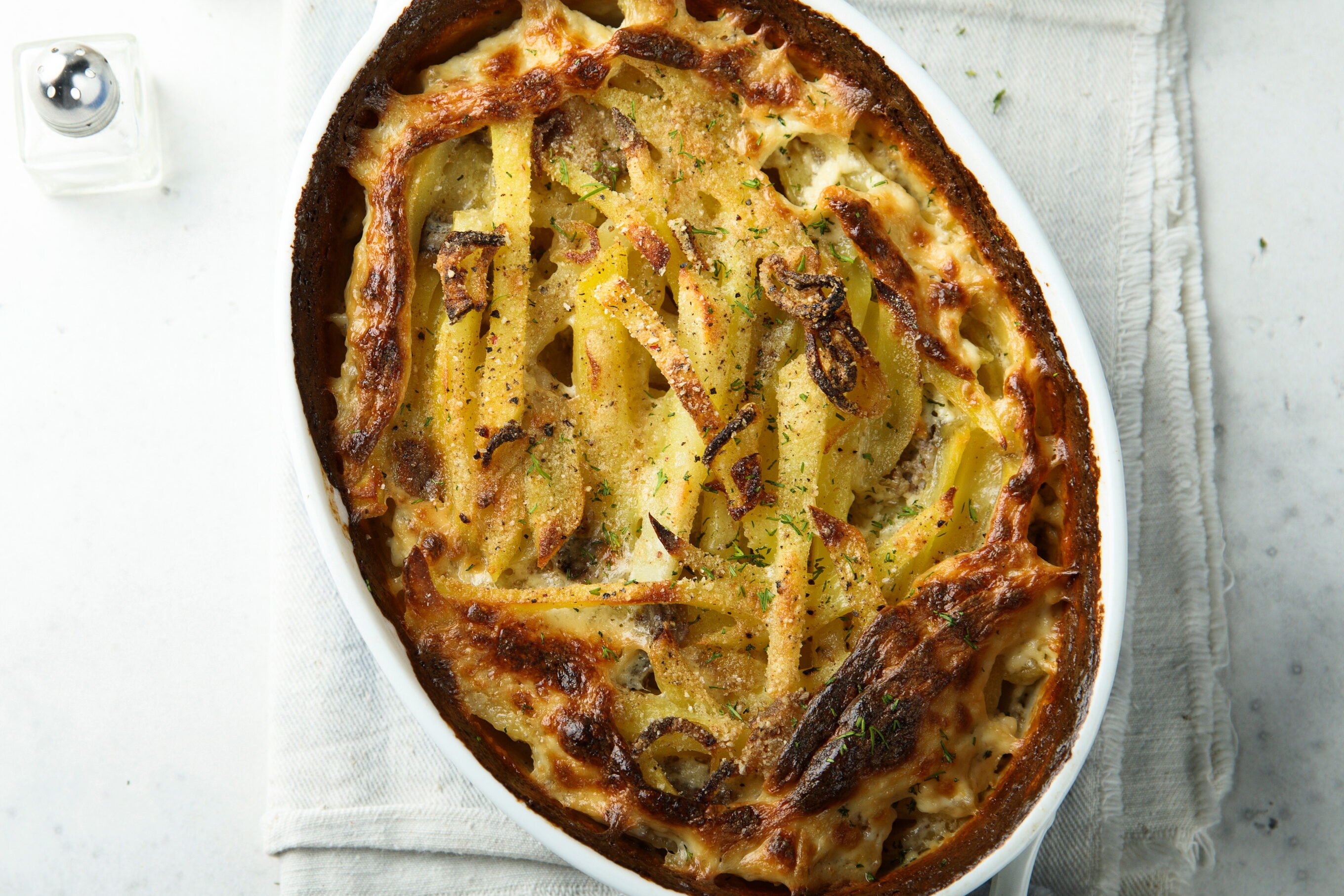
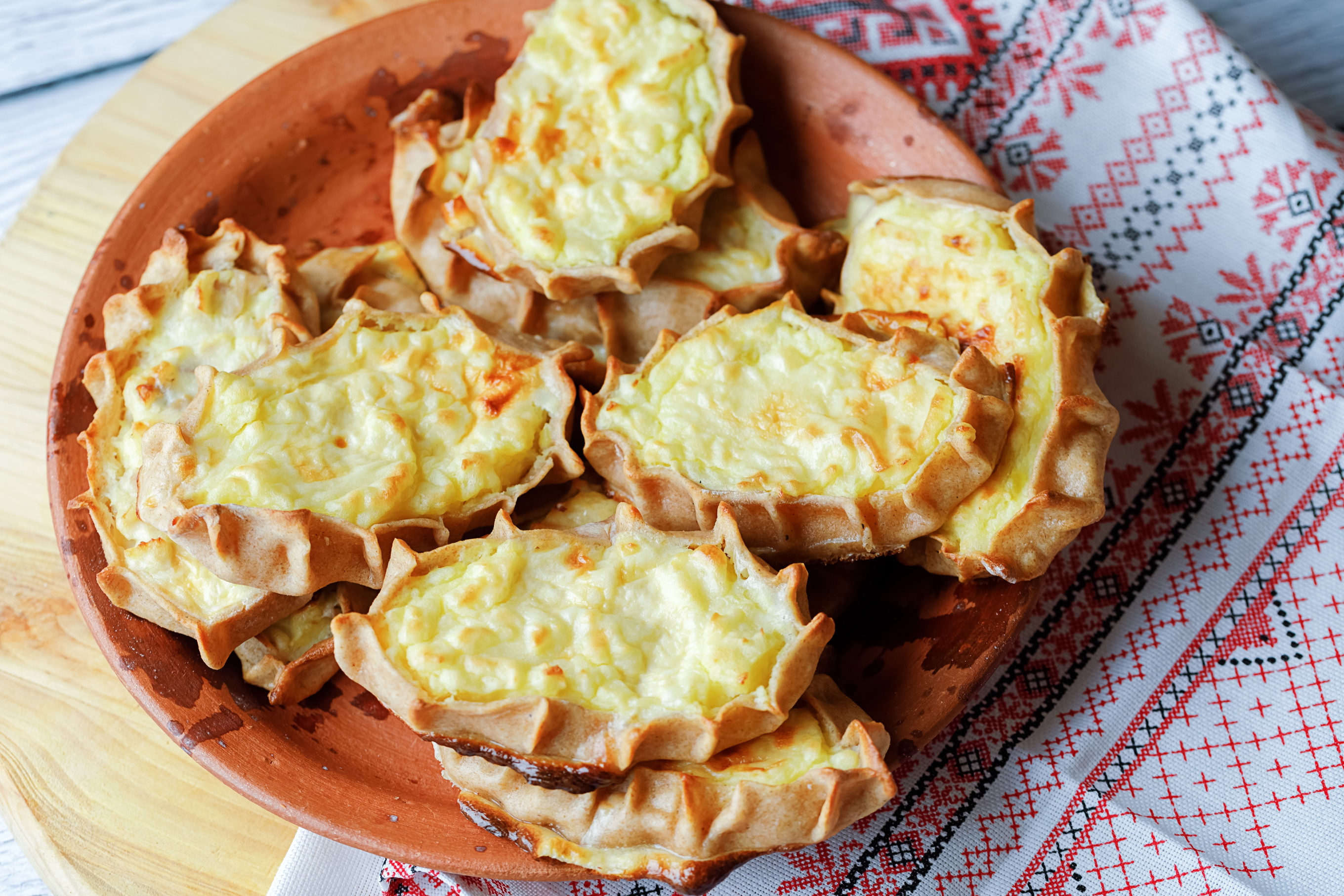
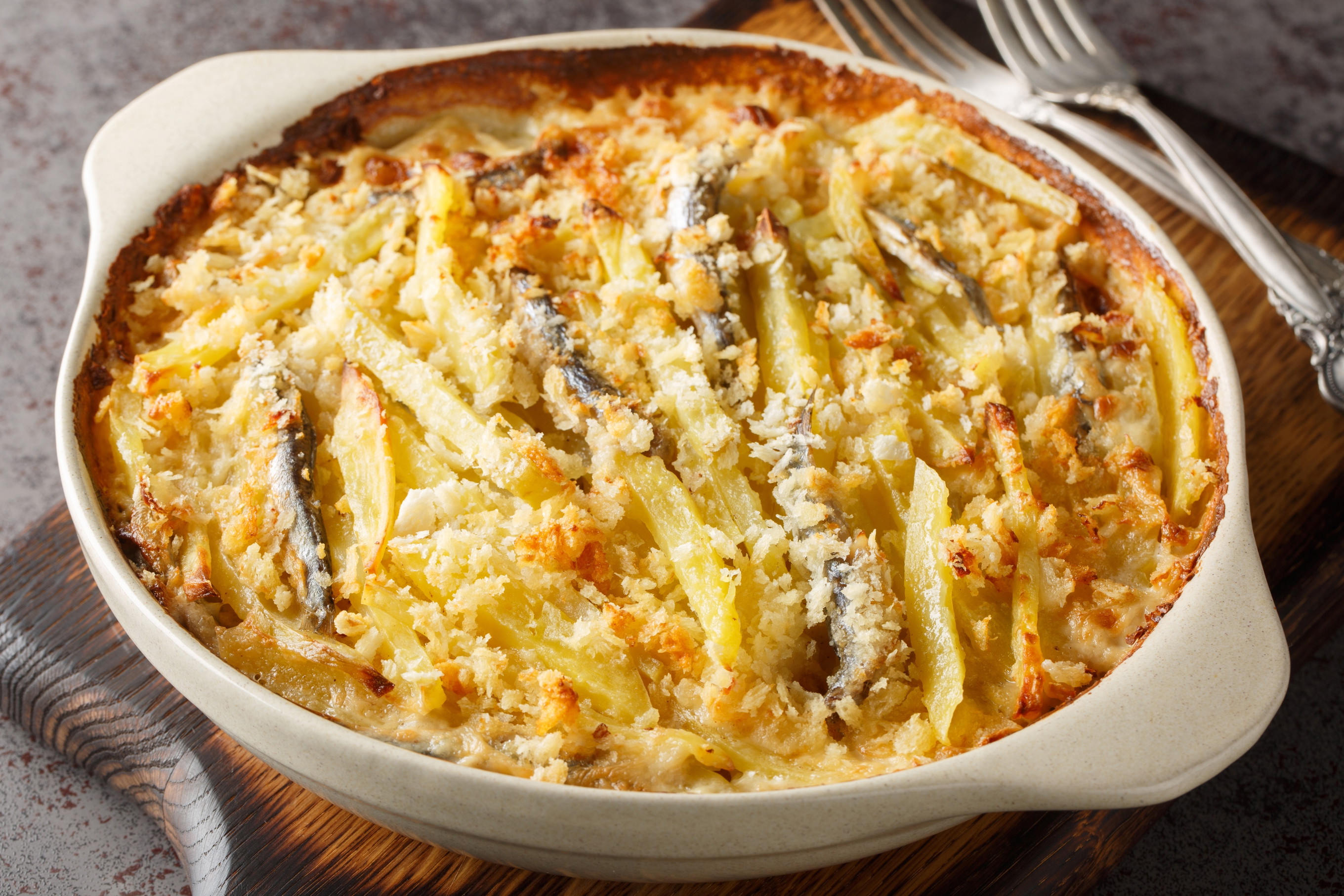
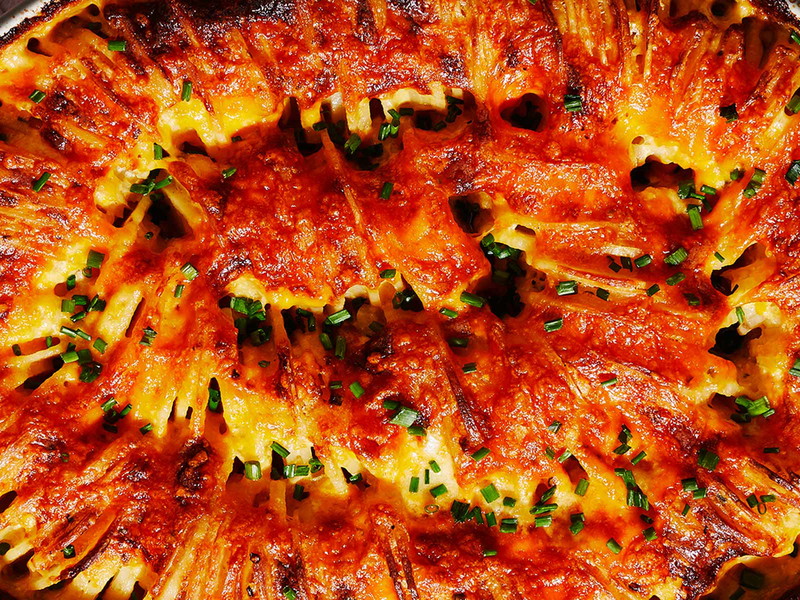
Once an exotic newcomer, potatoes eventually inspired a wealth of local specialities. They appear in countless forms: Finland’s karjalanpiirakka–delicate rye pastries filled with mashed potatoes and served with rich egg butter–is eaten at breakfast, lunch or as a snack. Sweden’s Janssons frestelse, a creamy gratin of potatoes, Swedish anchovies and onions, shows how modest ingredients can be refined. Denmark has its brunede kartofler, caramelized in butter and sugar for Christmas, and the everyday kartoffelmad–cold slices of potato on buttered rye with onion or chives, the essence of smørrebrød simplicity. In Norway, grated or mashed potatoes become raspeballer dumplings or thin lefse flatbreads, served with butter, sugar or cured meats. Even in Iceland, where soil and weather set strict limits, potatoes found a place in dishes like plokkfiskur–a hearty mix of fish and mashed potatoes that still defines comfort food there.
Relevant nutrients
Consisting largely of starch, potatoes are very filling–but that’s not all. Thanks to consistently high consumption, they remain a major source of vitamin C for many. They are also great sources of magnesium and potassium, making them invaluable for managing hypertension: Potassium helps counter sodium, thus regulating blood pressure. Potatoes also help with protein intake: While they themselves only have about two percent, it is of high biological value. And when combined with eggs, they yield more for the body’s own protein production than even beef or milk. And finally: the persistant claim that potatoes make you fat is a myth, as they consist of 80 percent water. Whether they encourage weight gain depends entirely on their preparation.