From Remedy to Ritual: How Liquorice Shapes the Nordic Taste
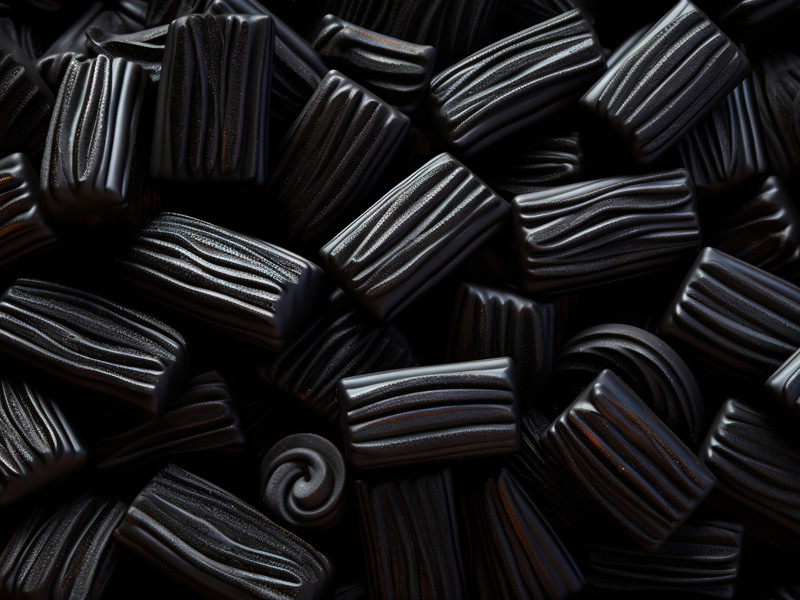
Liquorice tends to divide opinion. Its deep, salty intensity is not for every palate. In Scandinavia, however, it is not merely accepted—it is embraced. Here, liquorice is less a confection than a cultural constant, familiar from childhood and woven into everyday life.
From Ancient Root to Nordic Staple
The origins of liquorice lie far from the North. Derived from the root of the liquorice plant, native to parts of the Middle East and Asia, it reached Europe as early as the 13th century. For centuries, it was valued primarily for its medicinal properties, used to soothe coughs and aid digestion. Only later, with the addition of sugar in the late 18th century, did it evolve into a sweet.
In Scandinavia, however, liquorice developed a character all its own. The addition of salmiak—ammonium chloride—introduced the distinctive salty, slightly sharp notes that define Nordic liquorice today. What might seem unusual elsewhere became a defining flavour across Sweden, Denmark, Finland, and Norway.
A Weekly Ritual: The Culture of “Saturday Sweets”
One of the clearest expressions of this cultural attachment is Sweden’s lördagsgodis, or “Saturday sweets.” Originally introduced in the 1950s as a public health measure to limit sugar consumption, it has since evolved into a beloved weekly ritual. Supermarkets across Sweden still dedicate entire sections to pick-and-mix assortments, where liquorice remains a perennial favourite.
The numbers reflect this enduring popularity: Scandinavians are estimated to consume up to 80–90 percent of the world’s liquorice production. Particularly sought-after are the more intense varieties—salty, slightly bitter, and layered in flavour. For many, these profiles feel as familiar as chocolate does in other parts of Europe.
From Childhood Favourite to Culinary Signature
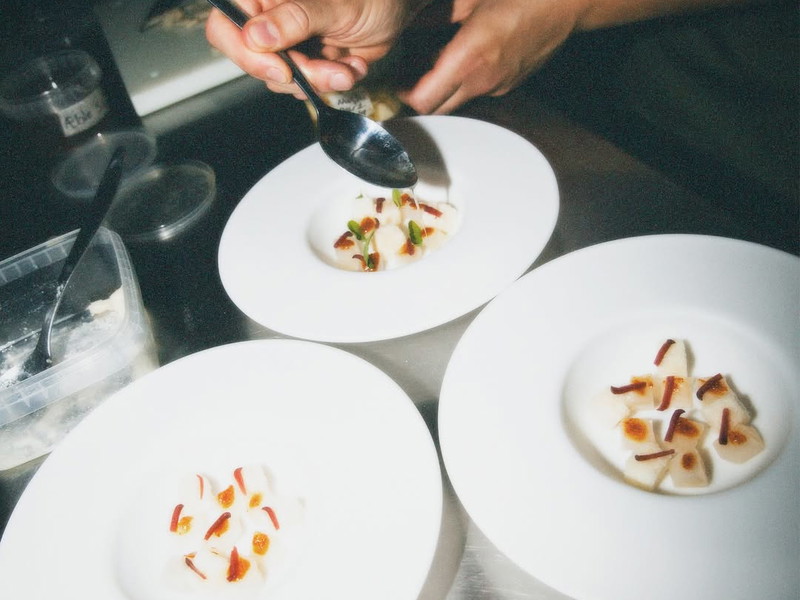
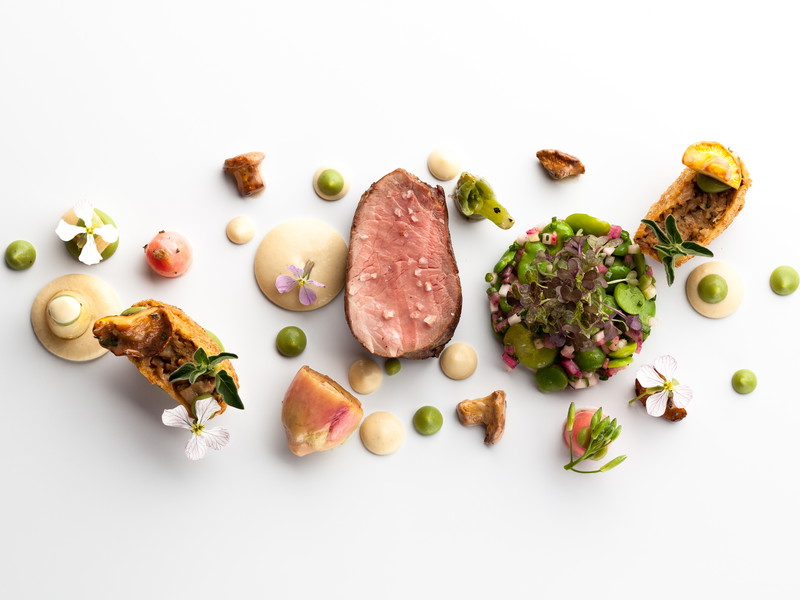
Beyond tradition, liquorice has undergone a quiet reinvention. Across the Nordics, chefs and artisans have embraced it as a versatile ingredient—pairing it with chocolate, folding it into desserts, or using it to add unexpected depth to savoury dishes. In small quantities, liquorice lends a subtle complexity that often goes unnoticed, yet enriches a dish’s overall flavour.
This affinity for liquorice may also reflect a broader culinary sensibility. Nordic cuisine has long favoured contrasts—sweet and salty, sharp and mild—seen in everything from cured fish to pickled delicacies. Within this context, the flavour of salmiak feels less unusual and more like a natural extension of regional taste.
Outside Scandinavia, liquorice remains something of a curiosity. In Central Europe, it is often encountered as a souvenir rather than a staple, and its distinctive taste can feel unfamiliar at first. Yet as culinary curiosity grows and diners increasingly seek bold, unconventional flavours, Nordic liquorice is beginning to find a wider audience. After all, what begins as an acquired taste often becomes a lasting one.