Green Caviar: The Oceans Tiny Luxury
What is green caviar? Discover the seaweed known as sea grapes — a delicacy prized for its popping texture, ocean flavour and nutritional benefits.
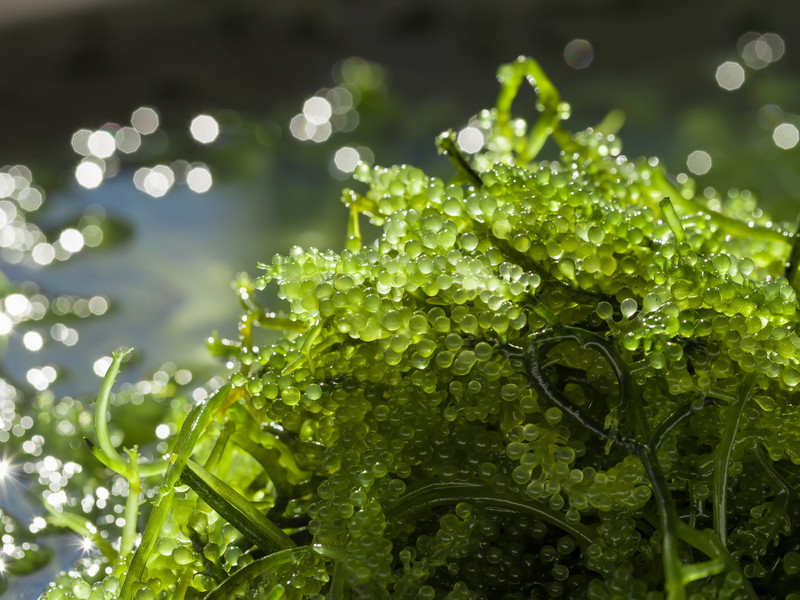
Small, bright-green beads arranged like miniature grapes along a slender stem — green caviar may resemble fish roe, but it is in fact a seaweed. Known scientifically as Caulerpa lentillifera and called umibudō in Japan, the marine algae has long been a delicacy across the coastal cuisines of the Indo-Pacific.
A texture that pops
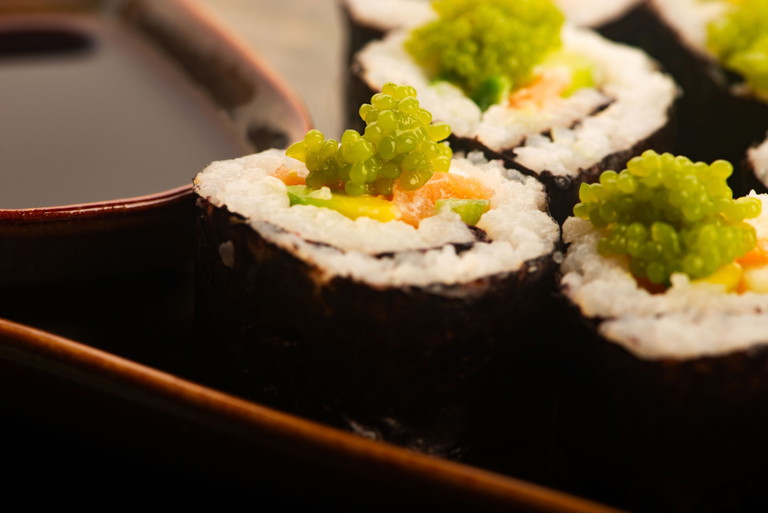
Its appeal lies above all in its texture. When eaten fresh, the tiny spheres burst with a gentle pop, releasing a clean, lightly salty flavour that evokes the ocean itself. Crisp, juicy and subtly umami, green caviar adds both visual elegance and a playful sensory contrast to a dish. It is typically served raw — often with soy sauce, citrus or miso — as heat quickly destroys its delicate structure.
Beyond its culinary intrigue, the algae is also valued for its nutritional profile. Rich in iodine, calcium and vitamins A and C, green caviar is low in calories yet packed with fibre, omega-3 fatty acids and plant-based protein.

From Asian Delicacy to Global Trend
While traditionally harvested in the coastal waters of Japan, Vietnam and the Philippines, sea grapes are now increasingly cultivated through sustainable aquaculture. Interest is also growing among European chefs — particularly in Scandinavia, where sea vegetables have long been embraced as part of the modern Nordic pantry. In that context, the tiny “pearls of the sea” feel like a natural extension of the region’s fascination with marine flavours. The price is anything but modest, but as a finishing touch to a fish starter or a fresh summer salad, this ocean delicacy may soon become better known beyond its tropical origins.