¡Hola Mexico!
Visiting a land full of colors, breathtaking landscapes, fascinating history—and striking contrasts between vibrant metropolises, ancient ruins, cultural diversity, luxury, and adventure.
Mexico spans nearly two million square kilometers, making it the 14th largest country in the world. With a population of 129 million, this vibrant and diverse nation is home to a rich cultural tapestry. The numbers alone make it clear—Mexico is not a place to simply check off a bucket list in passing. Its vast size and deep cultural heritage call for extended journeys of exploration. In recent years, the hospitality scene has also evolved significantly. An increasing number of boutique hotels now offer authentic experiences—whether along the coast, in bustling historic towns, in sprawling metropolises, or amid cactus-studded landscapes. And, of course, all of it is woven together by Mexico’s warm hospitality.
Cultural melting pot
As the capital of the country, Mexico City is home to 20 million people and an abundance of attractions. Alongside modern skyscrapers, the city boasts historic landmarks such as the impressive cathedral, the famous Frida Kahlo Museum, and Chapultepec Park—one of the largest urban parks in the world. Mexico City is loud, fast-paced, and full of life, but it's also a gateway to history. Just a short drive away, you'll find Teotihuacán, one of the most significant ancient sites of the Aztecs. Here, visitors can take in breathtaking views of the Pyramid of the Sun and the Pyramid of the Moon while also gaining insight into the rich civilization of this fascinating culture.
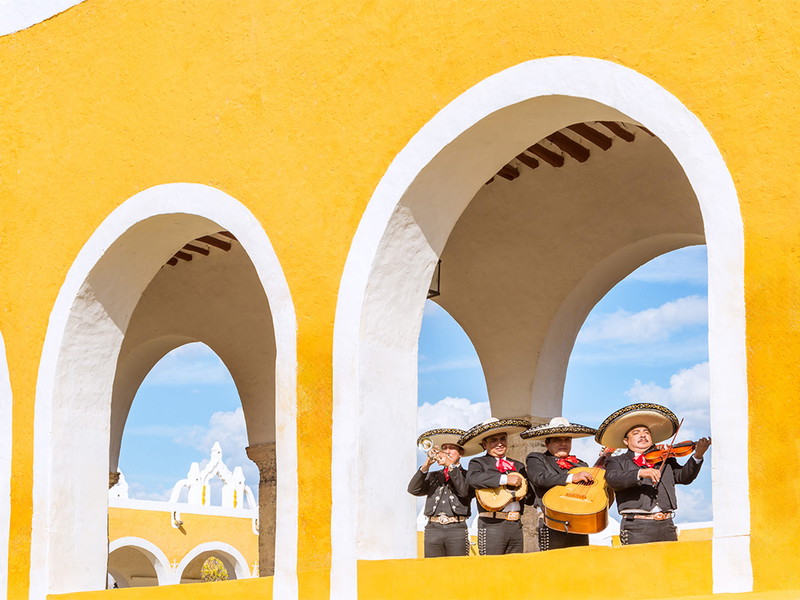
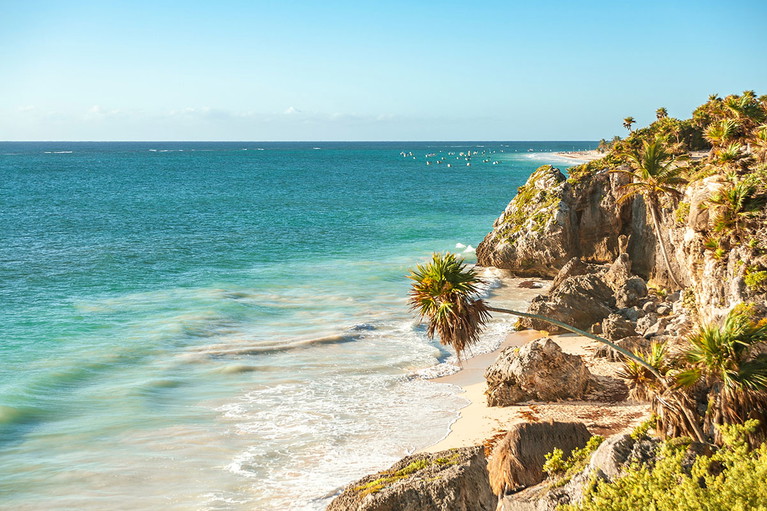
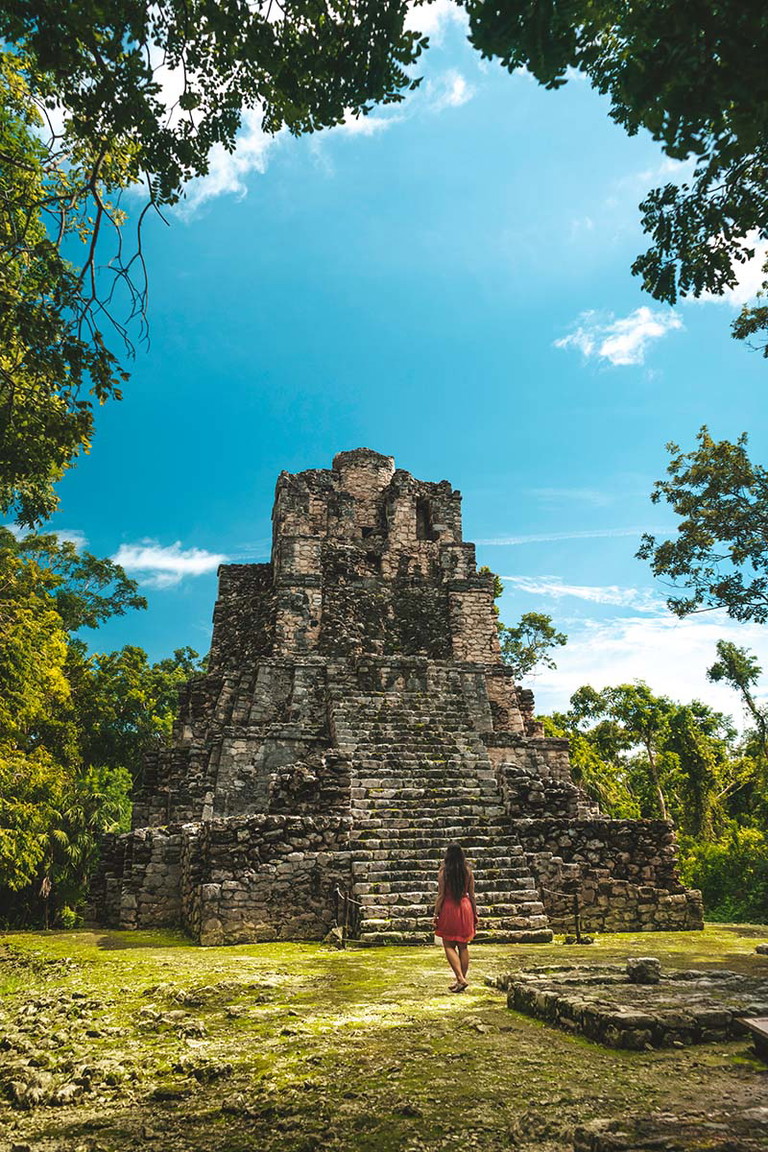
Anyone fascinated by the world of the Maya should head to Yucatán. This peninsula is home to Chichén Itzá, one of Mexico’s most famous and best-preserved archaeological sites. The Kukulcán Pyramid, dating back to the eighth or ninth century, is one of the New Seven Wonders of the World. But Yucatán isn’t just about ancient ruins. Visitors are also enchanted by picturesque destinations like the charming colonial town of Valladolid, with its pastel-colored buildings, or Tulum on the coast, both offering incredible insights into Mexico’s culture and way of life. A must-do while in the region: visiting cenotes. These underground freshwater caves serve as refreshing swimming spots, stunning Instagram backdrops, and thrilling locations for snorkeling or diving adventures.
Relaxation on the coast
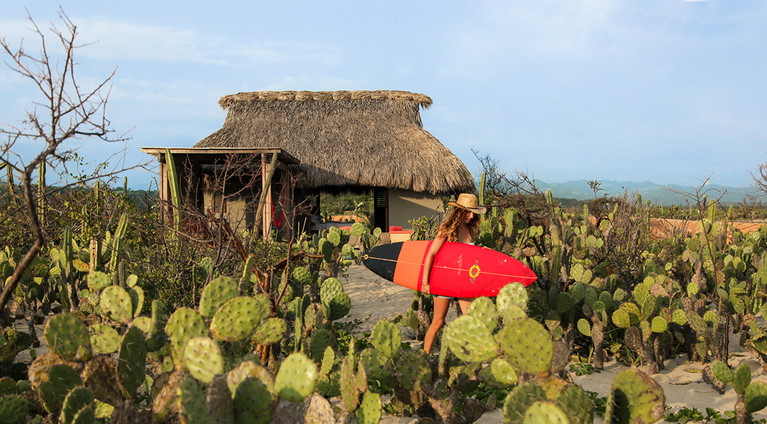
For many, the ultimate Mexican vacation is synonymous with glamorous Acapulco. However, a more authentic yet equally stunning alternative is Puerto Escondido in the state of Oaxaca. Home to the famous Zicatela Beach—one of the world’s top surf spots—Puerto Escondido attracts a younger, adventurous crowd. When professional surfers take on waves over six meters high, spectators can’t help but watch in awe, with gasps of “Aaah” and “Oooh” echoing along the shore. For a more relaxed experience, visitors can spend peaceful hours at Playa Carrizalillo, a picturesque bay; Playa Bacocho, where baby sea turtles can sometimes be spotted; or Playa Principal, an ideal beach for families.
About 15 kilometers outside the city lies the Manialtepec Lagoon, a freshwater wonder famous for its bioluminescent plankton that glows at night. Beach bars, small clubs, live music, and authentic restaurants make this area a refreshing alternative to more tourist-heavy destinations like Cancún or Yucatán. Further up the Pacific coast in the state of Baja California Sur, Todos Santos has become a hotspot for creatives and artists over the past few decades. The town is home to numerous galleries, art studios, and craft markets, while a vibrant lineup of cultural events provides an exciting contrast to the laid-back beach life of Baja California.
The allure of the original
Not on the coast, but nestled in Mexico’s central highlands in the state of Guanajuato, lies San Miguel de Allende—one of the country’s most enchanting historic cities. Here, visitors can admire stunning colonial-era architecture, including the neo-Gothic Parroquia de San Miguel Arcángel. With its distinctive pink façade, this iconic church is the city’s landmark and the most photographed building in all of Mexico. In addition, San Miguel de Allende, along with the nearby pilgrimage church in Atotonilco, has been a UNESCO World Heritage Site since 2008.
The large international community in what is often called “SMA” adds to the city’s vibrant atmosphere, where celebrations are frequent and lively. Though, truth be told, there’s hardly a need for an extra reason—after all, hospitality is simply part of the Mexican way of life.
Read more: Best of Mexico: The best hotels, restaurants and souvenirs