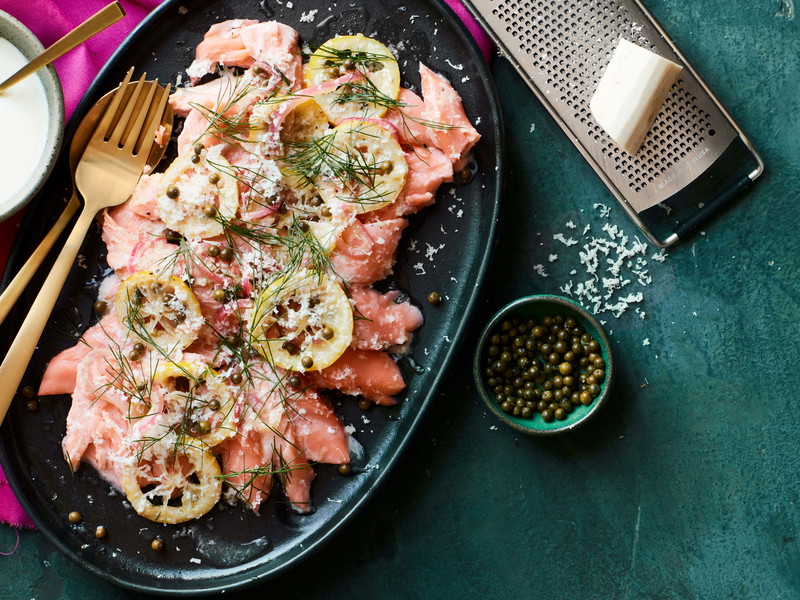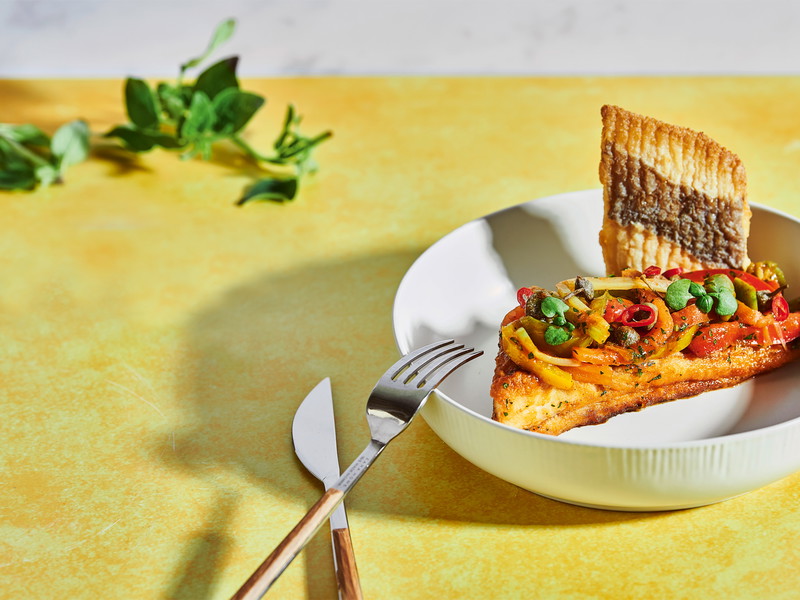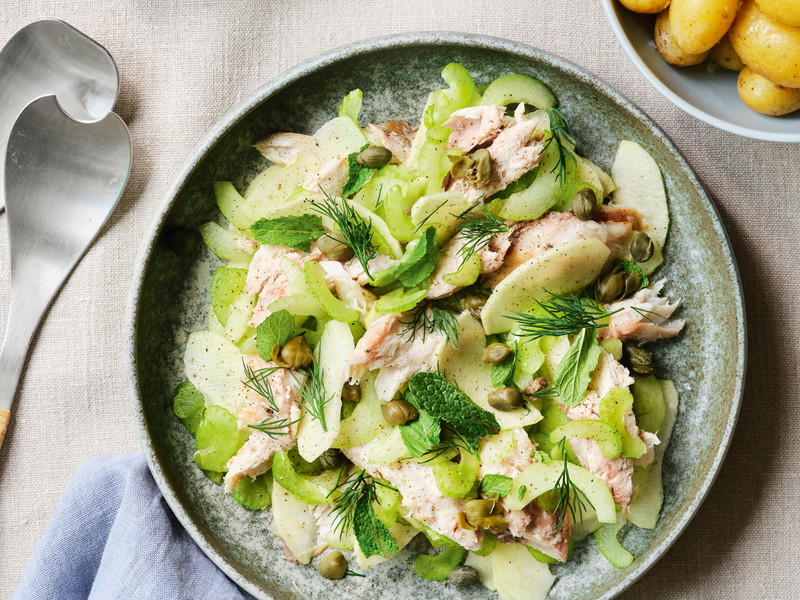
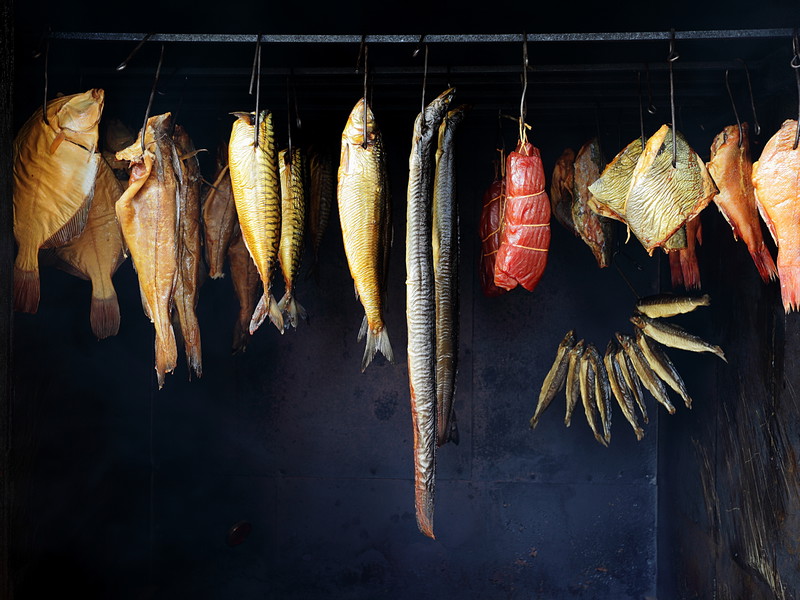
Eight of the Best Smoked Fish
Smoked fish crosses many cultural boundaries and often is seen as a gastronomic treat. Here are...
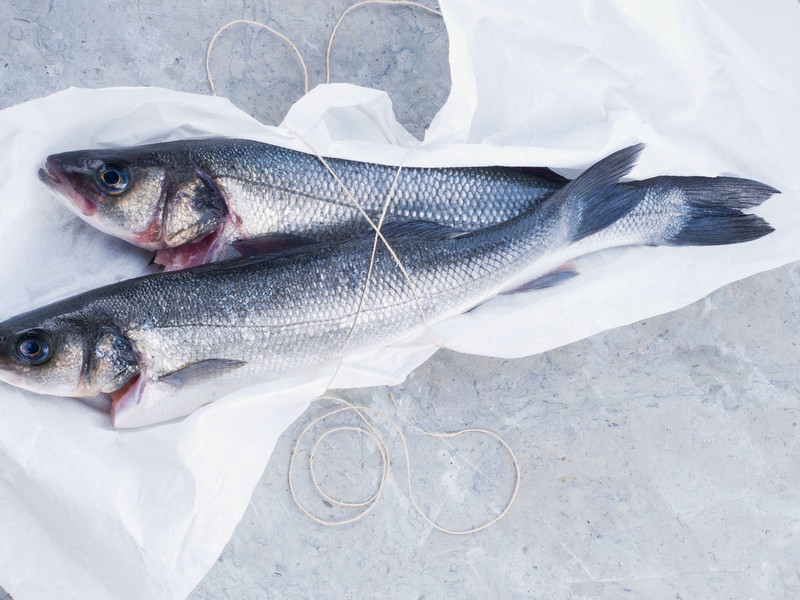
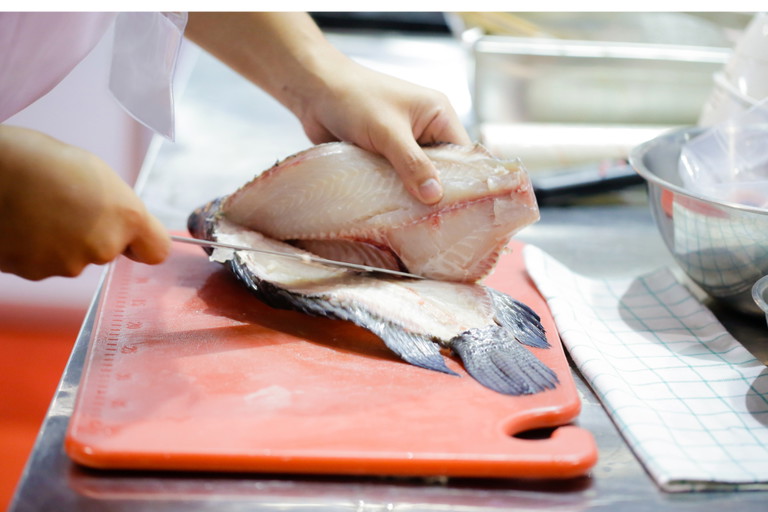
How to recognise a fresh fish, how to fillet it properly and how to cook a fish in a salt crust. We guide you through cooking a whole fish without any hiccups.
How can you recognise a fresh fish when shopping?
TIPS:
Fresh sardines (and other small oily fish) have their bellies intact, not broken open in some places. Fish fillets can be stored for a few days if they are rubbed with miso paste. This changes their consistency and intensifies the taste.
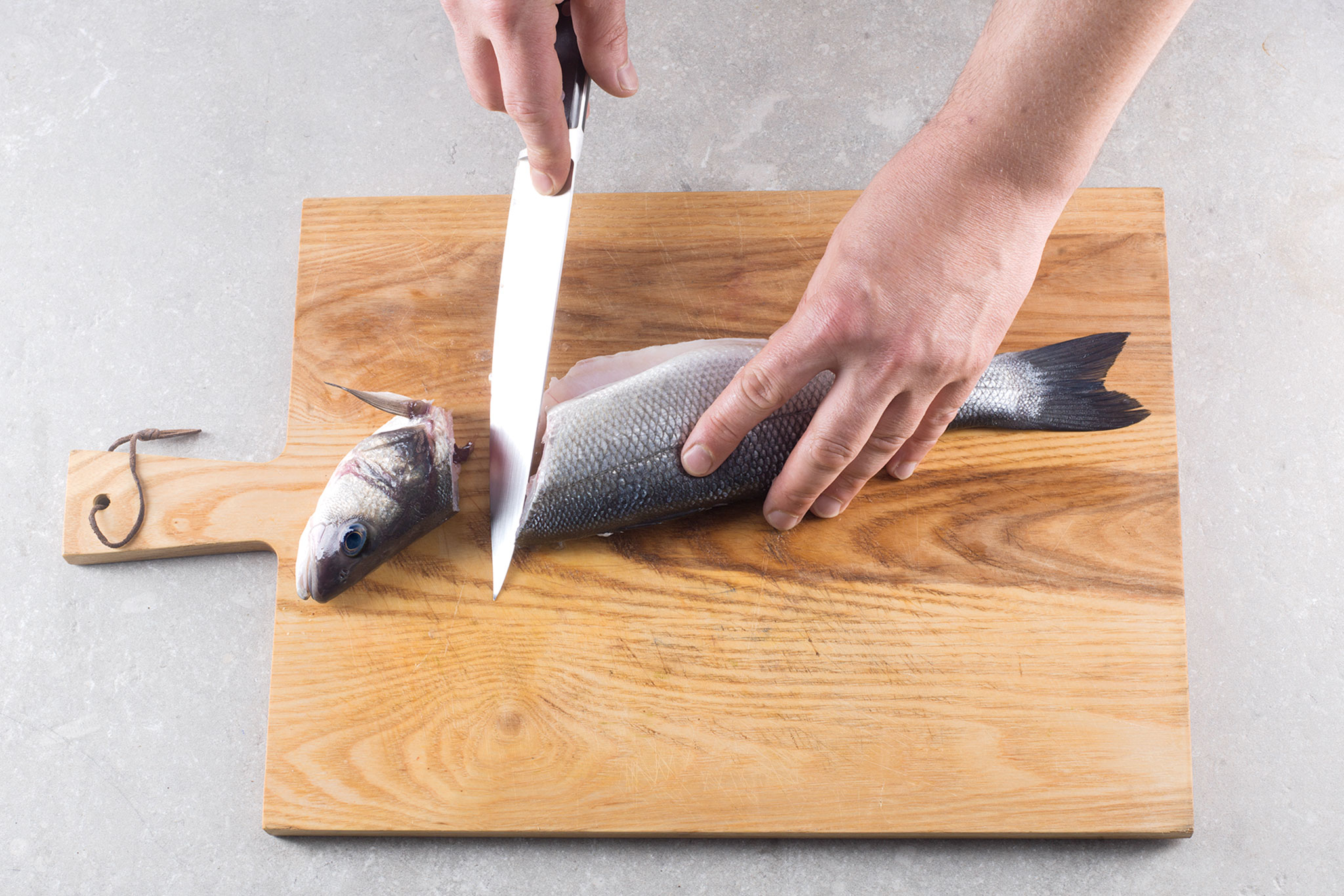
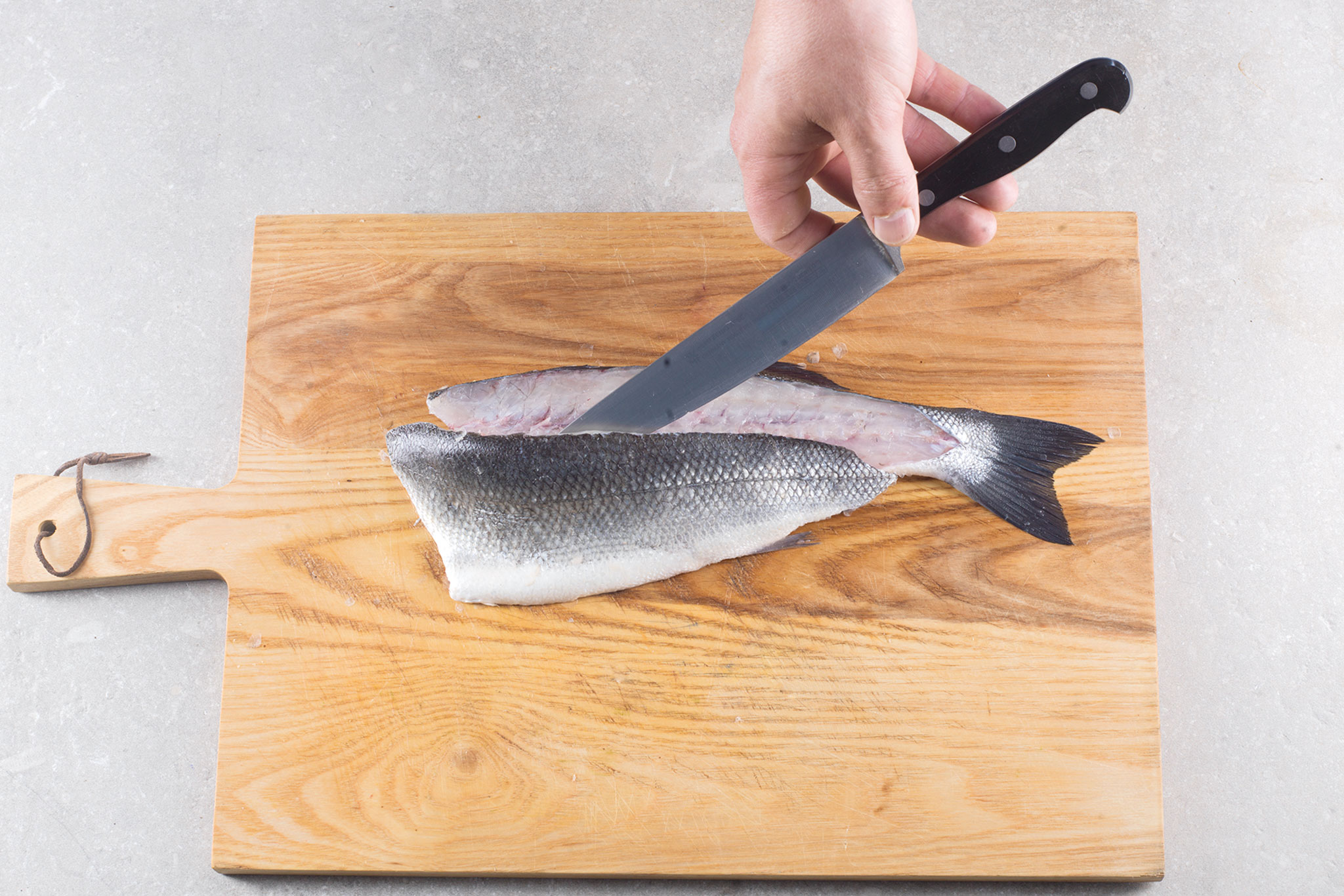
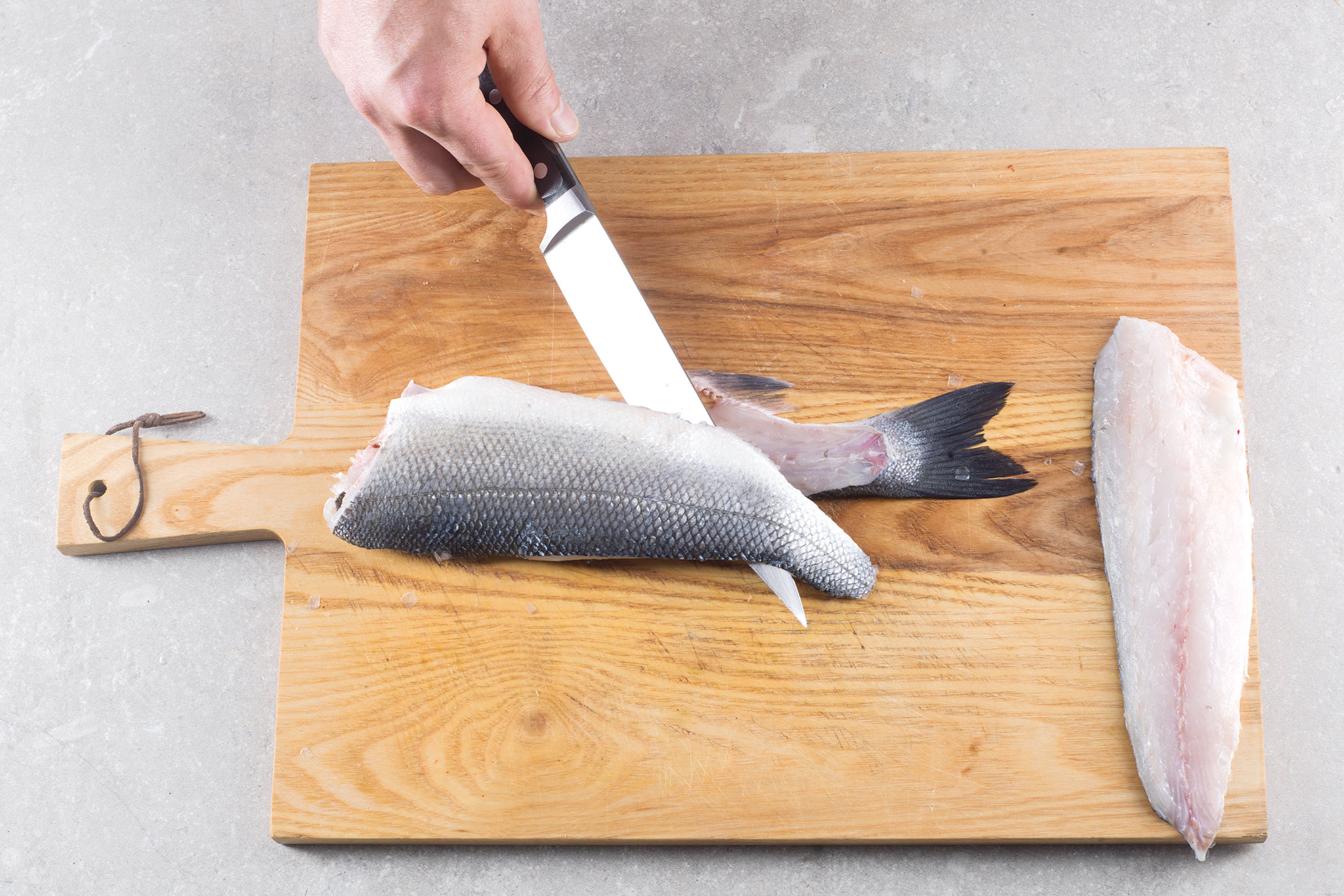
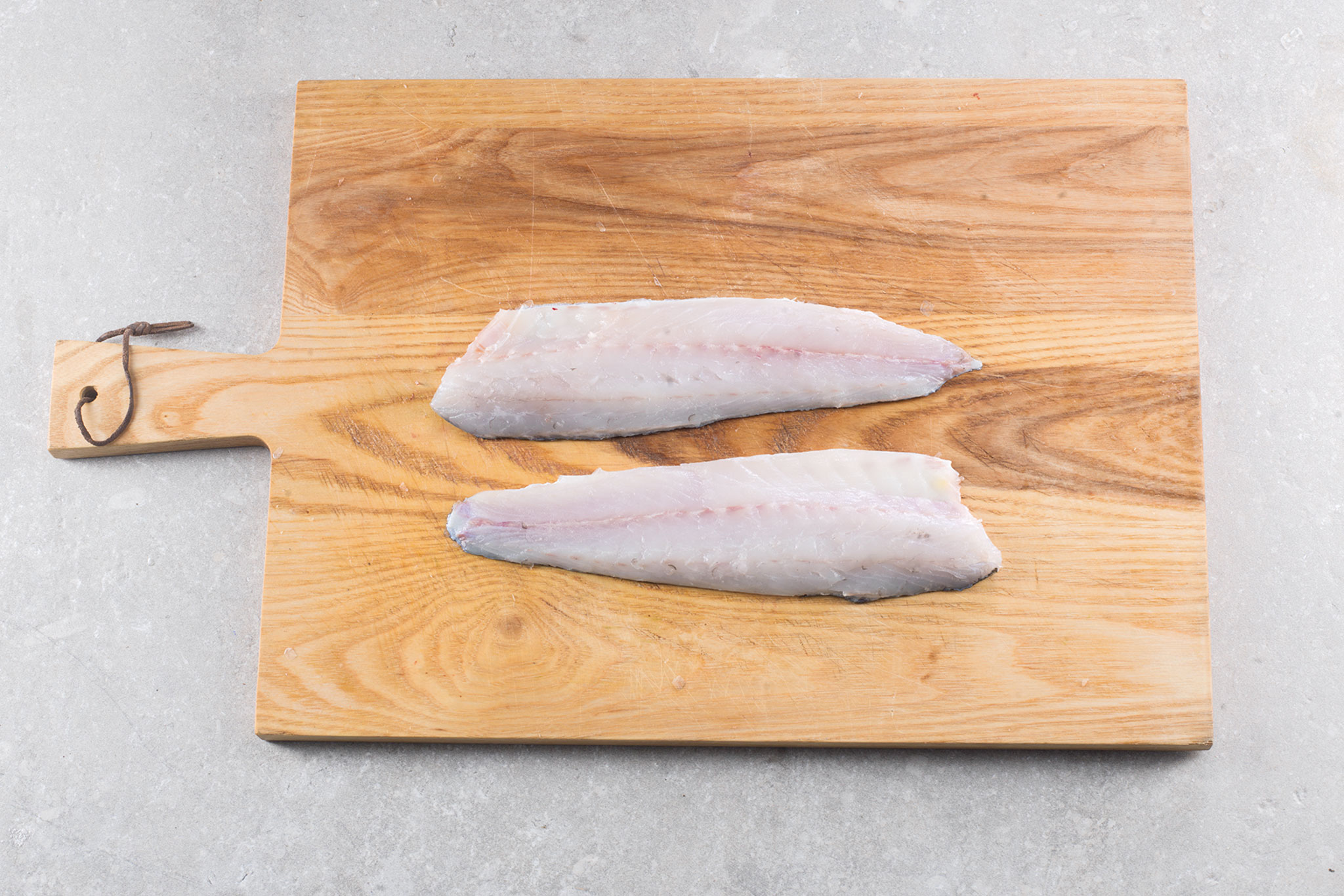
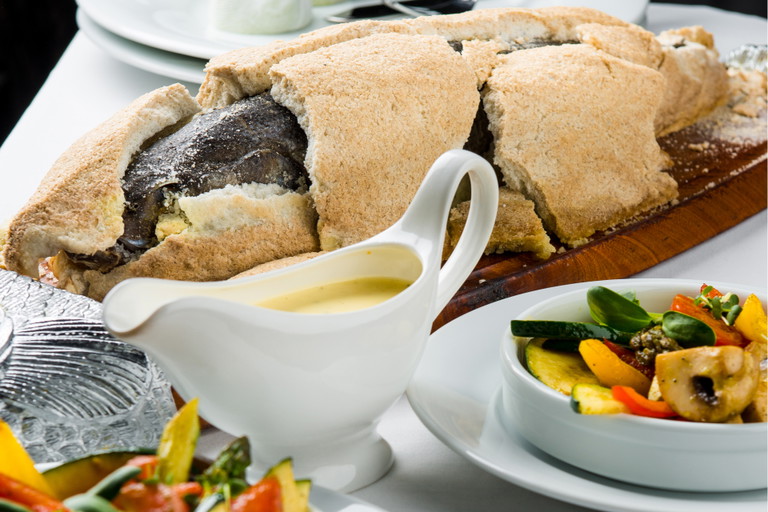
Fish from the sea, cooked in the salt of the sea - this is on the one hand the simplest, but on the other hand also a particularly refined way of preparation. For real experts, there is nothing simpler and faster than burying a fish under a mountain of coarse sea salt, putting it in a hot oven and whipping it out of the salt when it is cooked and in a state of ideal juiciness.
For amateurs, this is precisely the difficulty: how do I get the fish out of its inedibly salty crust without it all ending in a battlefield – moreover, in front of the very loved one I am about to impress with my adventurous cooking? And, even more difficult: how am I supposed to know when the fish inside the oven, under that mountain of salt, has just reached its perfect state? It takes not only experience, but the ability to empathise with one's food as it cooks in the oven towards consumption. But there are a few tricks and hints to give you confidence.
It starts with the right fish, which has to be of the very best quality, even more than usual when prepared in such a pure form. Cooking in salt mercilessly brings the strength of the product, but also any weakness, to the fore. It should therefore be wild-caught fish, the flesh of which shows resilience and – assuming impeccable freshness – is characterised by an invigorating, iodine-tender, thoroughly clean flavour. And it should be a larger specimen: to really show off its quality, it must weigh at least one kilo, better 1.3 or 1.5 kilos: it takes time for the heat to penetrate the salt, but after that it goes relatively quickly.
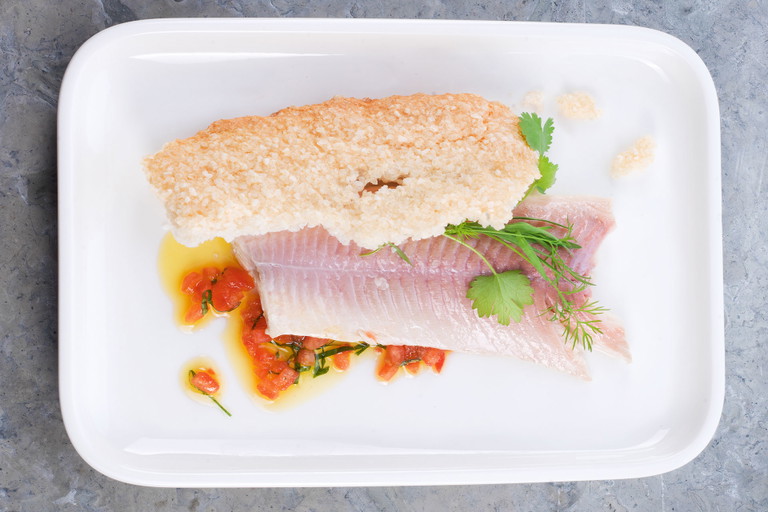
White-fleshed, lean fish such as sea bass or gilthead seabream is ideal: unscaled, but of course gutted and, very important, without gills. The latter develop an unpleasant bitterness in the heat, which is particularly noticeable in airtight salt.
While pure salt is particularly minimalist and, of course, particularly cool, it is recommended for beginners to make a salt dough, which has the advantage of hardening evenly and being removable without crumbling when serving. To make it, knead 1.6kg of coarse and 450g of fine sea salt together thoroughly with 12 whites of large eggs, for at least 5 minutes, so that a homogeneous dough is formed.
Then heat the oven to 190 °C, line an oven tray with baking paper and spread half of the dough on it so that it overlaps a few centimetres on all sides after the fish has been placed on it. The fish may have previously been stuffed with a few sprigs of fresh herbs, thyme for example, or parsley, or a mixture of both. Then place over the remaining salt dough so that the fish is hermetically buried underneath. Cook for 10 minutes per 500g of fish, or 30 minutes for a 1.5kg fish.
Then take the tray out of the oven, lift off the salt crust with the help of a sharp knife and peel off the skin including the scales. Carve the fish, place the fillets on warmed plates and serve, for example, with a salsa of diced fresh tomatoes, basil and olive oil, which has been allowed to stand for at least three hours.
Recipe for cooking a whole fish:
Text: Severin Corti
Produktion: Fotoredaktion.at
Fotos: Konrad Limbeck
Foodstyling: Benni Willke
Tableware: Cuisinarum.at, FUNDUS