Skip to content
© Press

Karin Visth and the Next Chapter of Faroese Gastronomy

Gastronomy

Behind the Faroe Islands’ internationally acclaimed restaurants lies a network of farmers, divers, foragers, winemakers and chefs. Few people have done more to bring them together than Karin Visth, whose work now spans four of Tórshavn’s leading restaurants.

The tiny prep kitchen inside OY Brewing in the Faroese capital Tórshavn is barely large enough for a handful of people. Shelves are stacked with jars of preserved berries, foraged plants and experimental ingredients destined for Ræst’s menu. On the only workbench, trays of madeleines are being glazed with elderflower syrup made from flowers gathered the previous summer as a way of finishing that evening’s petit fours.

“This kitchen is 100 per cent just for Ræst,” Karin Visth says as she shows us around. “It’s small, but we’re so very happy to have it.”

Visth has a habit of understating things. The same woman who casually describes OY as “a little brewery” – though it is the country’s first craft brewery, selling some 550,000 litres a year – is restaurant manager and head sommelier across Ræst, ROKS, Áarstova and Barbara. Together, the foursome tells much of the story of contemporary Faroese gastronomy.

Trained as a chef in Switzerland, later schooled in hotel management and wine, Visth arrived in the Faroe Islands in 2013 to join KOKS. Her current role is defined by what she has helped build since. At ROKS, for instance, the departure of a head chef recently became an opportunity to rethink the whole organisation. Instead of immediately replacing him, Visth created a new menu herself. “I literally sat down for a couple of weeks and created it,” she says. “Some stuff I did at home, to figure out what worked and what didn’t.” She then gave the team recipe booklets and helped establish a flatter structure: four chefs and one apprentice working on the same level, each with their own area of responsibility. Menu changes are discussed collectively. One recent dish, a ceviche, came from a waiter, Greta, rather than the kitchen. “That is ROKS and it works very well,” Visth says. “It’s relaxed, laid-back, very collaborative.”

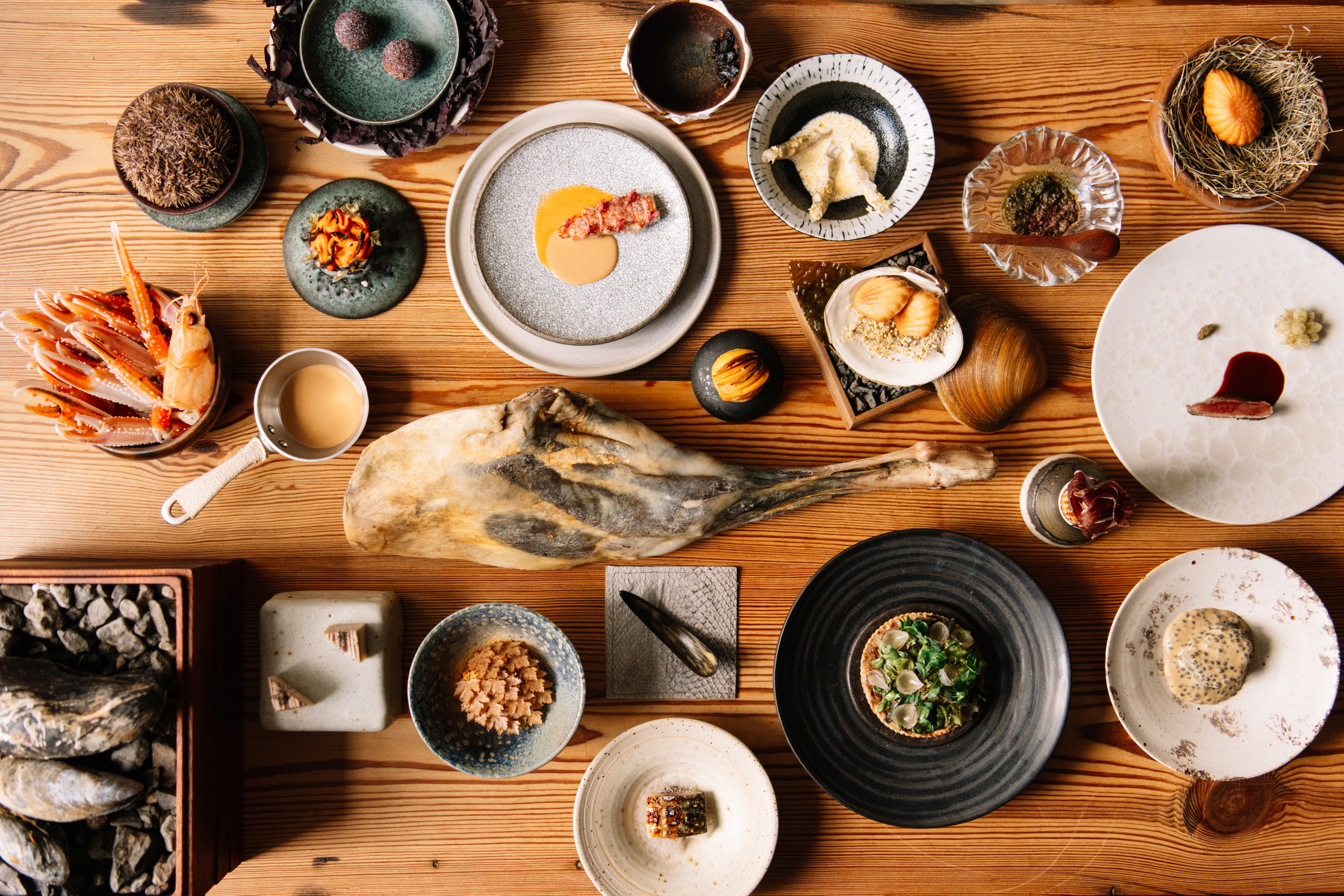
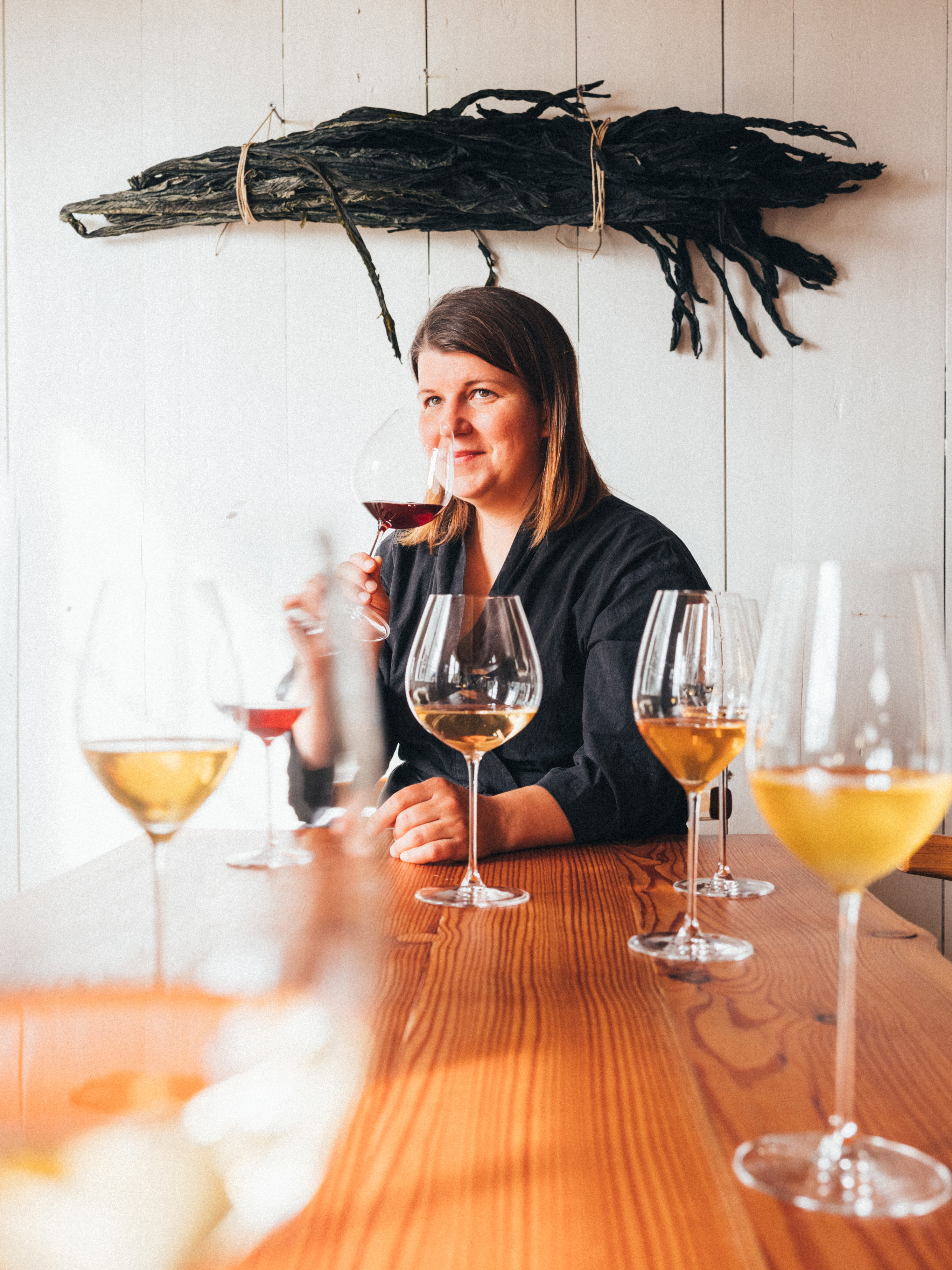
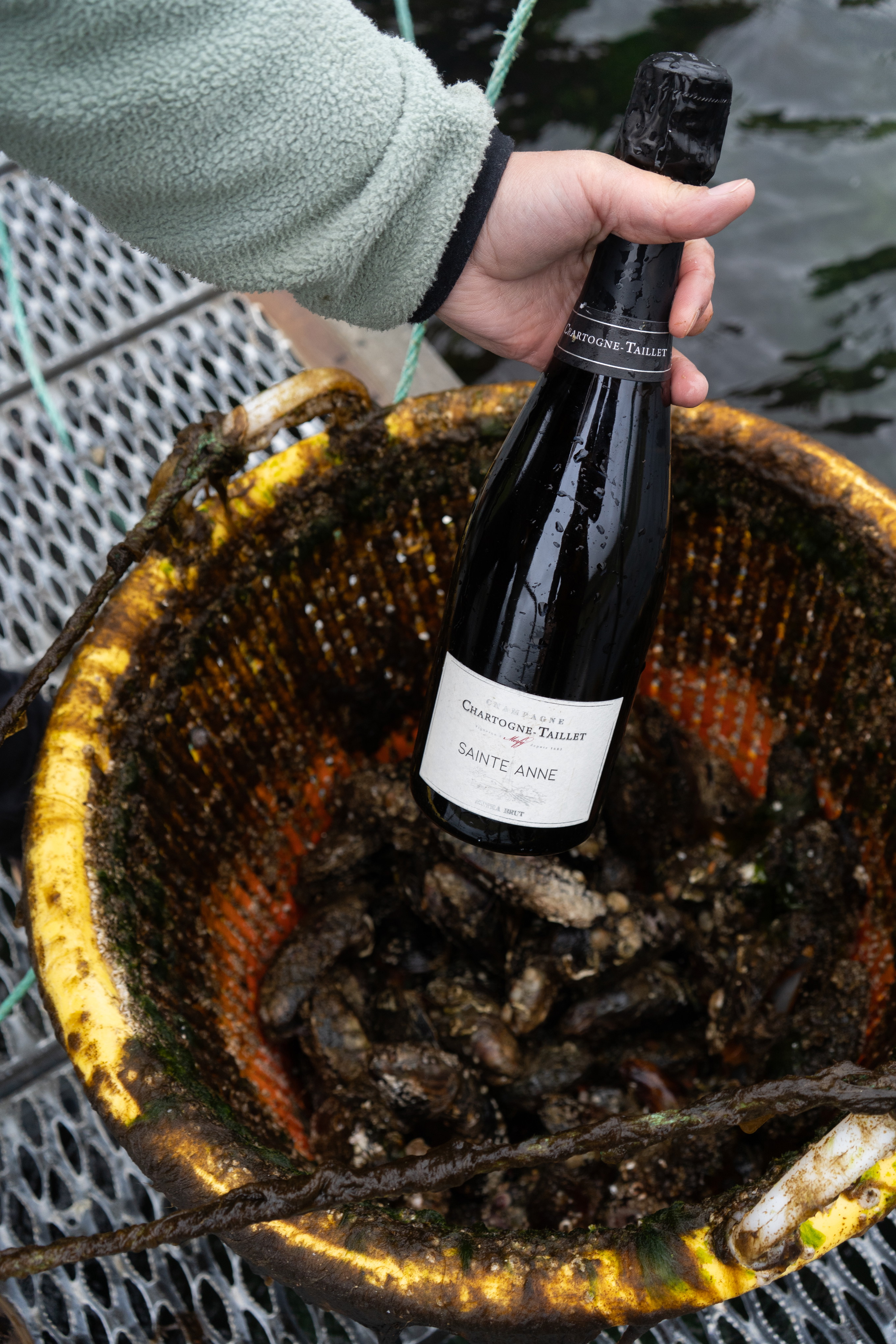
Ræst is different. There, head chef Sebastián Jiménez spends most of his time developing dishes around Faroese fermentation, seafood and foraged ingredients. “It’s his baby,” Visth says. ROKS, meanwhile, is a more casual fish, shellfish and seafood bistro. “But the shellfish products are good and the wines… I mean, of course,” she says with a laugh. Wine runs through much of her work. For years, Visth was more or less the only sommelier in the Faroe Islands. Since 2016, she has held an hour-long wine school with the team every Thursday. “Mostly I’m talking,” she says, “but through this we’ve gotten more interest.” She increasingly works directly with producers, at the moment especially in Champagne. “I really found the right friend group among the wine growers,” she says. “They’re all best friends and they’re now all connected to the Faroe Islands.” For every restaurant, she tries to find a different Champagne house.

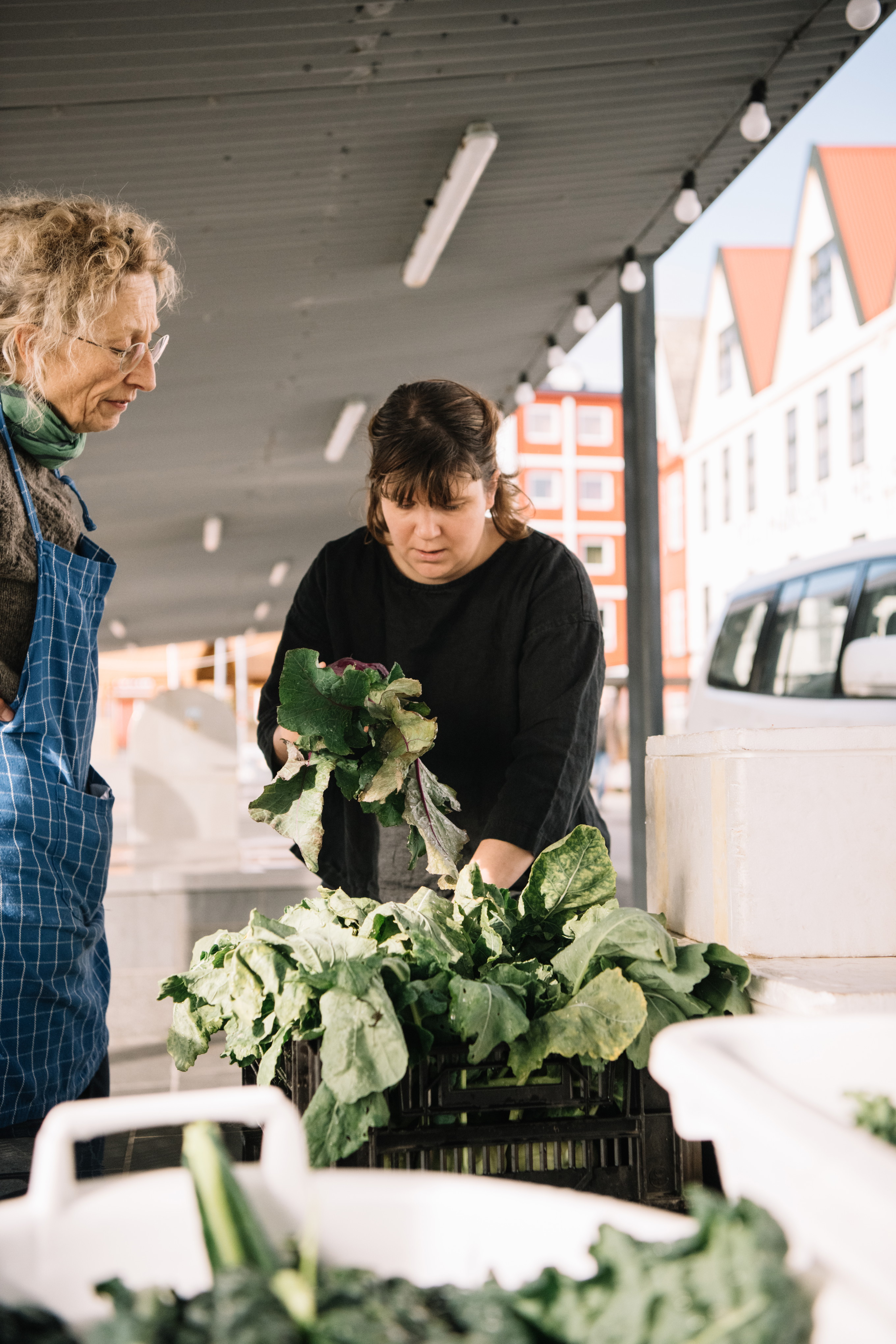
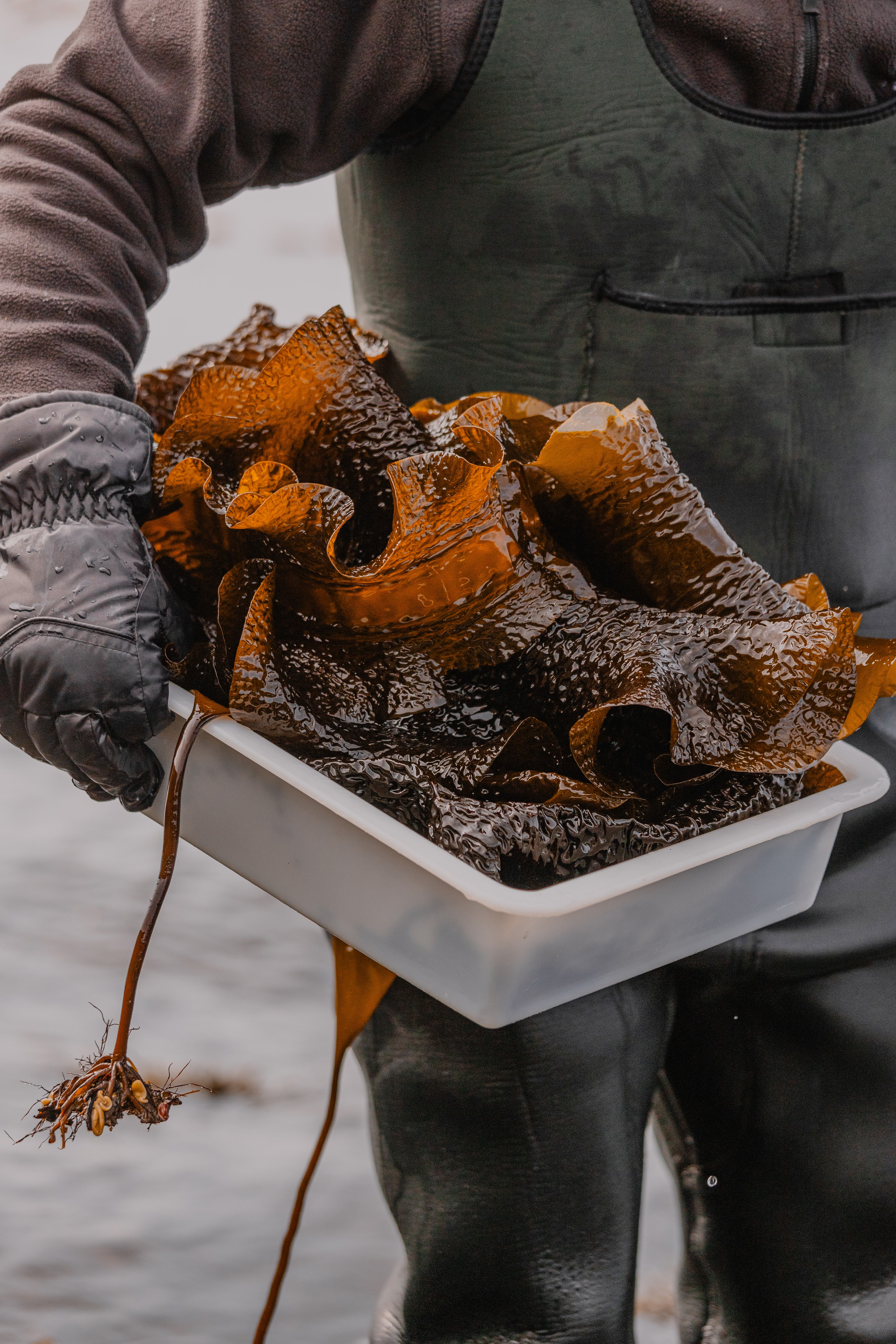
The same long-term thinking applies to ingredients. When Visth first arrived, the supplier networks that now feed Ræst and ROKS were still in its infancy. Farmers, foragers and producers had to become part of the same ecosystem. “We had to build it up from the bottom,” she says. “We had to forge trust with the divers for instance, that the restaurants would keep buying.”

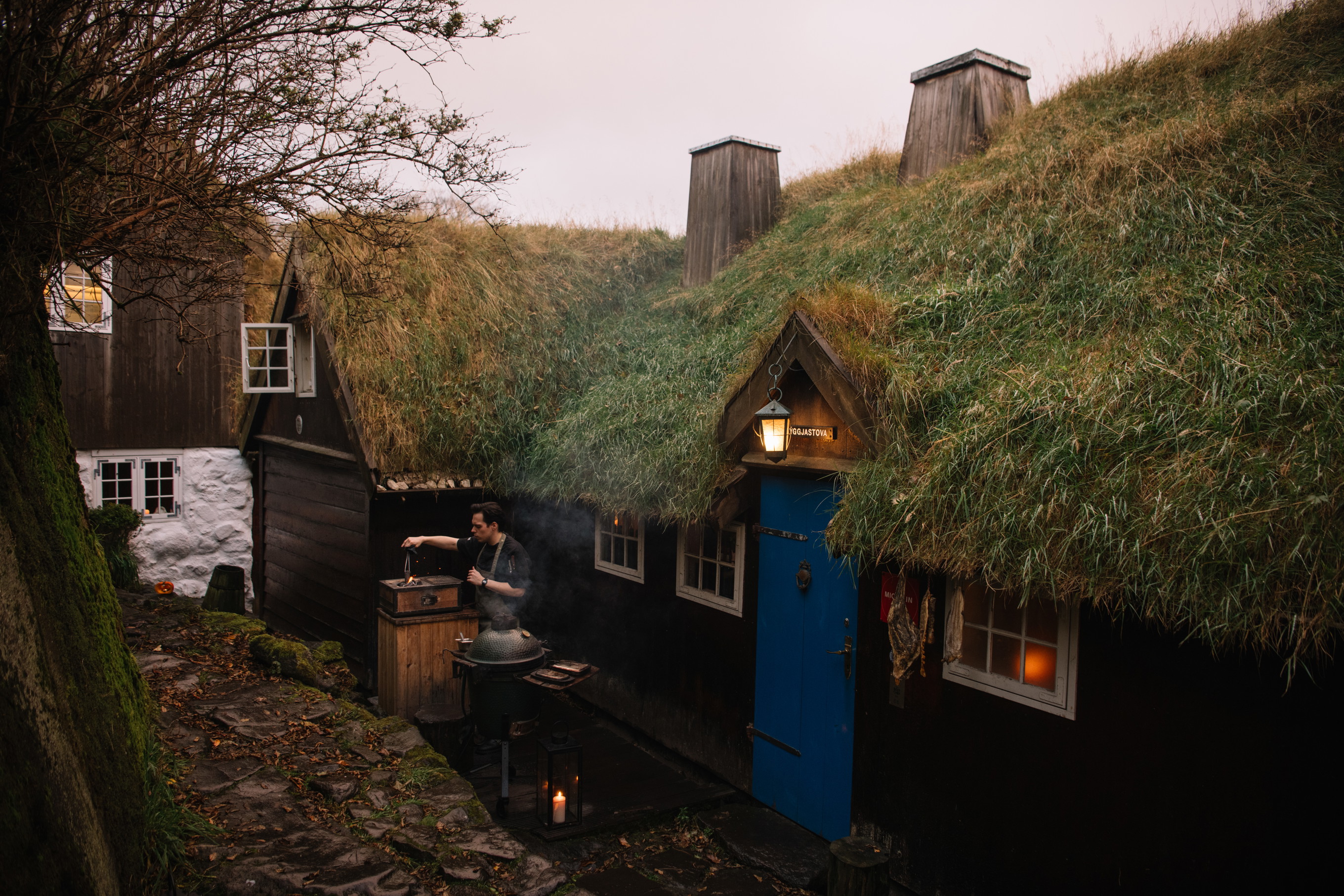
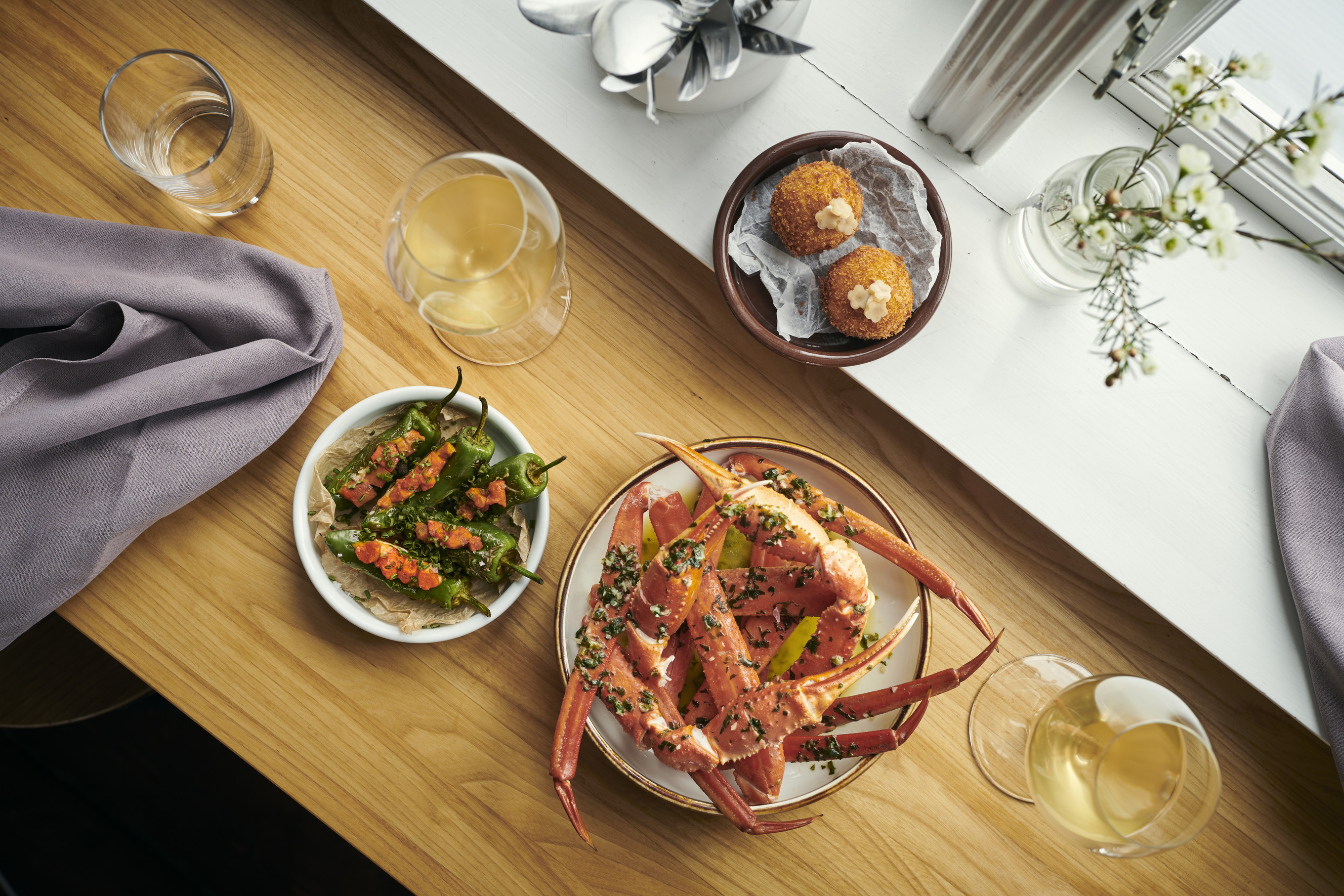
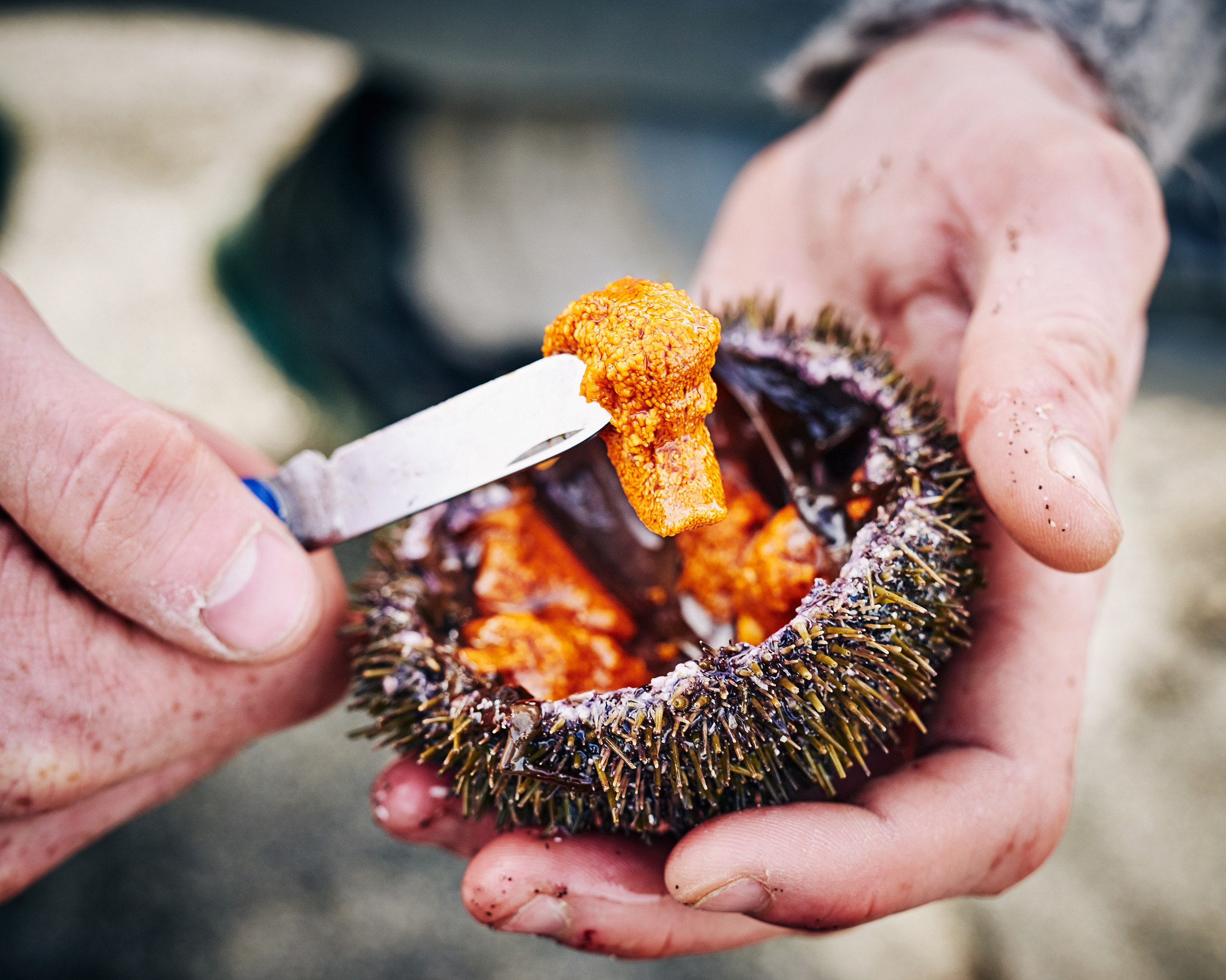
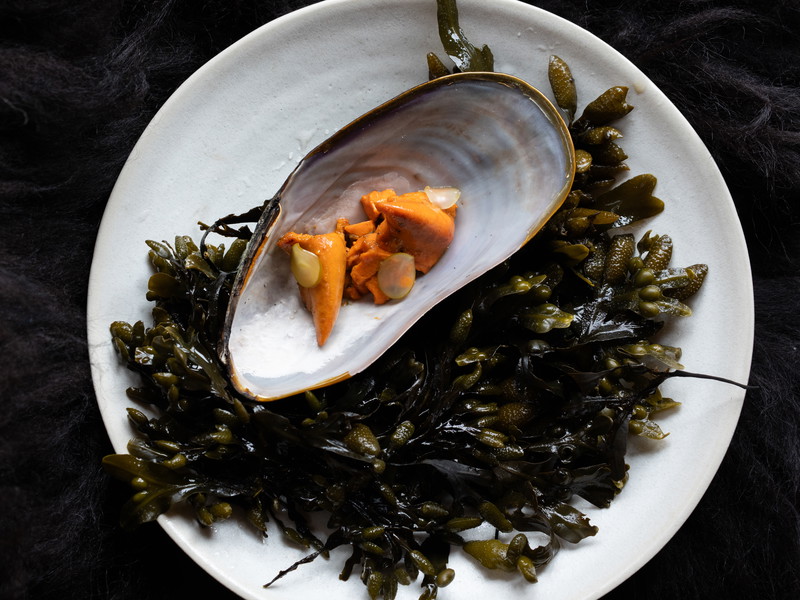
The work is visible at Skerpi, the group’s small lunch experience in a traditional Faroese fermentation shed – a so-called hjallur – beside a fjord outside Tórshavn. For the past two seasons, it has stood by a little pier used as a living pantry. Scallops, sea urchins, razor clams, horse mussels and other shellfish are kept in the water almost until they are needed at the restaurants. “So, what you eat at ROKS, it is kept here basically up until you eat it,” Visth says. For her, Skerpi allows guests to understand the Faroese ingredients. “It will never make us money,” she says. “But it’s important for storytelling.”

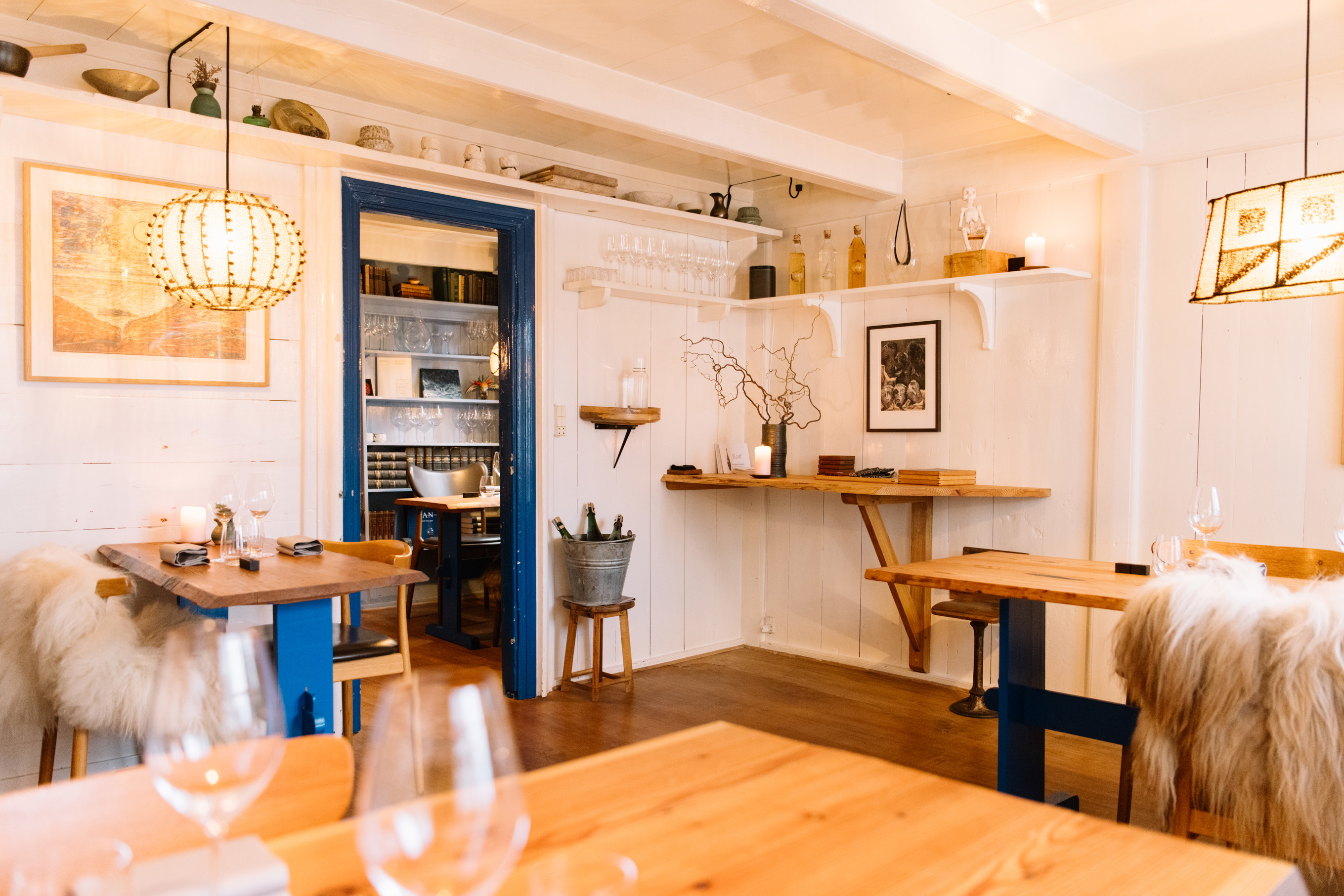
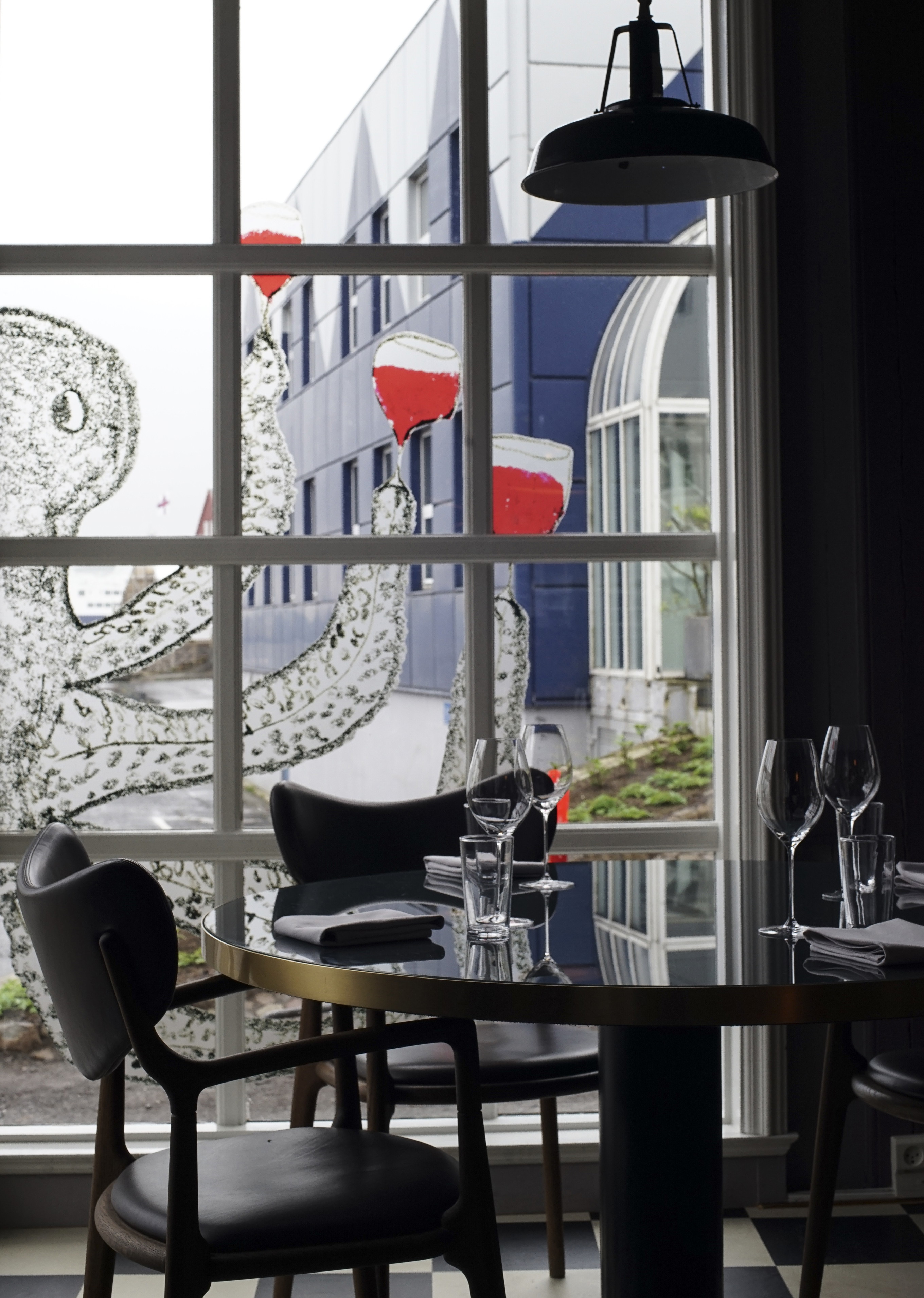
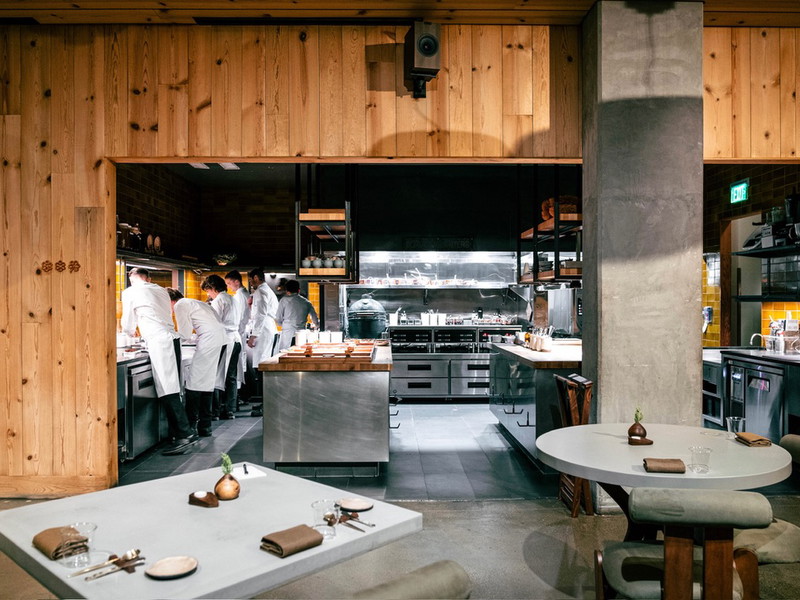
Storytelling, in this context, is a way of explaining why a restaurant in the Faroe Islands cannot be separated from the fjords, the weather, the farmers, the divers or the preservation techniques that shaped the islands long before international diners arrived. The four restaurants Visth manages are all housed in old, protected buildings in Tórshavn, built between 1610 and 1750. They used to be homes and Visth likes the atmosphere that creates. “They’ve never been museums or anything like that,” she says. “We still know some of the people who lived there. That feels quite beautiful.”

In 2025 the organisation was forced to change under painful circumstances. Within two weeks, Áarstova lost both its head chef and restaurant manager in unrelated deaths. “It was the biggest personal shock we’ve been through,” Visth says. In the aftermath, she was asked to take responsibility for all four restaurants. Even while discussing one of the most difficult periods of her career, she quickly shifts the focus back to the people around her. “Staff is one of the most important things we have,” she says.

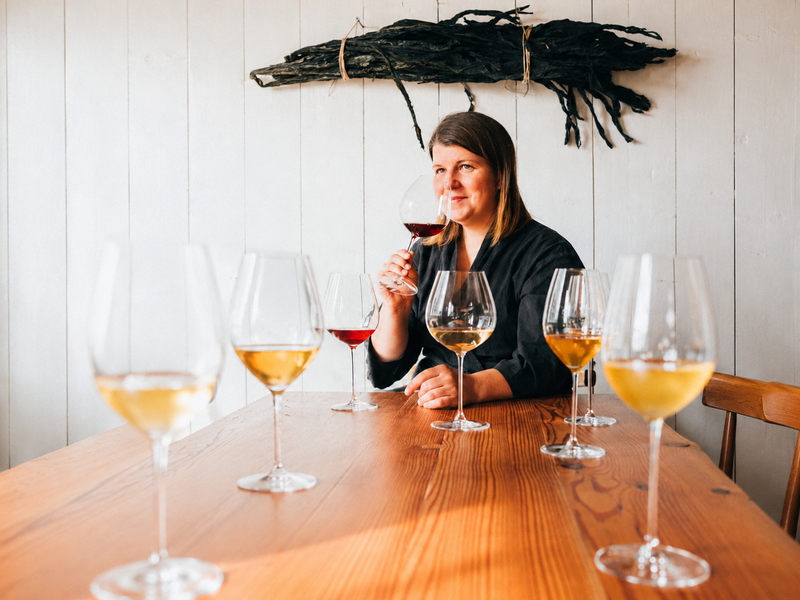
The challenge is particular in a country where modern restaurant culture is still young. “Actual gastronomy in the Faroe Islands literally didn’t exist 20 years ago,” she says. Many young Faroese entering hospitality have not grown up around fine dining in the way it is possible on mainland Europe. But they arrive with curiosity. “They’re very kind and really want to learn,” Visth says. And she should know. Daily, she handles things like training staff, retaining talent and building enough consistency for restaurants where distinctiveness equals deep knowledge.

The Faroes may be remote, but there is no interest in isolation. Ræst brings chefs to the Faroes, while Visth regularly takes ROKS abroad in the quieter winter months. One pop-up in Switzerland involved bringing Faroese beer, spirits and ingredients in her luggage. Another took ROKS to the restaurant ROOTS on the Philippine island of Siargao. Here, the team visited farms, travelled through mangroves and served Faroese elderflower kombucha, skerpikjøt – wind-dried, fermented lamb – and sea cucumbers. “This is not for profit either,” she says. “It’s more just building networks. And friendships.”

There are still ambitions, of course. Ræst’s wine programme has gained international acknowledgement, recently being awarded a Silver Star at the Star Wine List Global 2026 final. There are hopes for Michelin recognition. New collaborations are constantly being planned. At ROKS, Visth is already thinking about what the seafood bistro could become beyond Tórshavn. “We have direct flights to a few European cities these days,” she says. “I might need to clone myself, but it would be so very cool to realise the ROKS concept in many different places. I mean, to serve sea urchins in Paris – wow!”

Linda Iliste
Author
Find out more
1 / 12