Lake Garda: the blue pearl of Northern Italy
From glamorous hideaways to family-friendly campsites; Lake Garda combines luxury, adventure and culinary treasures. Those who come here are immersed in a landscape full of contrasts – where longings and childhood memories remain alive.
Lake Garda was discovered early on as a tourist destination due to its beneficial climate. However, its rise to the Olympus of desirable destinations began when post-war society was gripped by the desire to travel.
Back then, flights were still an expensive luxury and cars had just a little horsepower, but the longing for sun and lightness was great. And so, endless lines of metal pushed their way up the Brenner Pass and back down into the promised land. In order not to strain their overheated engines any further, many stopped off at Lake Garda; not yet by the sea, but still southern and sunny, and with enough dolce vita to satisfy all cravings.
The dreams live on
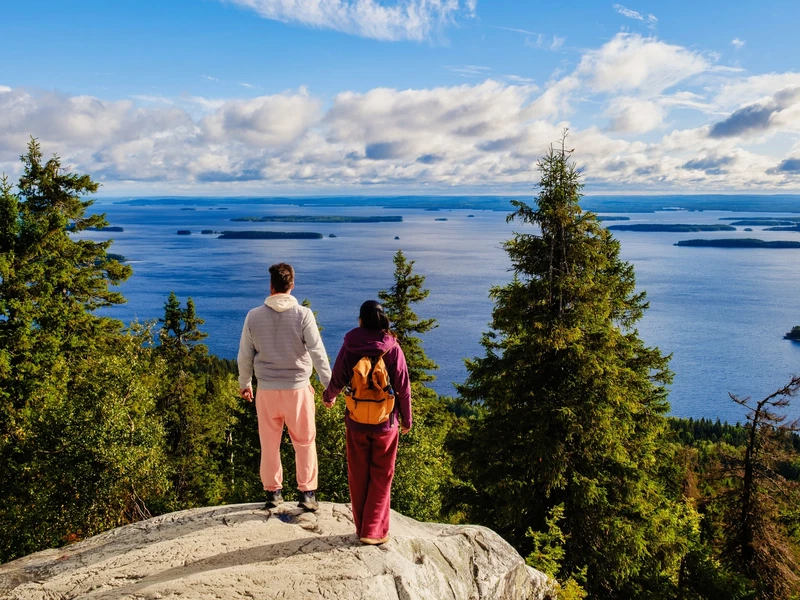
The lake – the largest in the country at 370 square kilometers – is sometimes called the "Mediterranean of the Alps". The Italians call it "Lago dei tedeschi", the lake of the Germans. "It is as if melancholy and sadness could not last under this sky," wrote the "Süddeutsche Zeitung" in 1955. "On the contrary: once you leave the highway, there is no limit to dreaming."
Seventy years later, these dreams live on, in a place that is one of Italy's most popular vacation destinations with over 25 million visitors a year.
A sanctuary of hidden riches
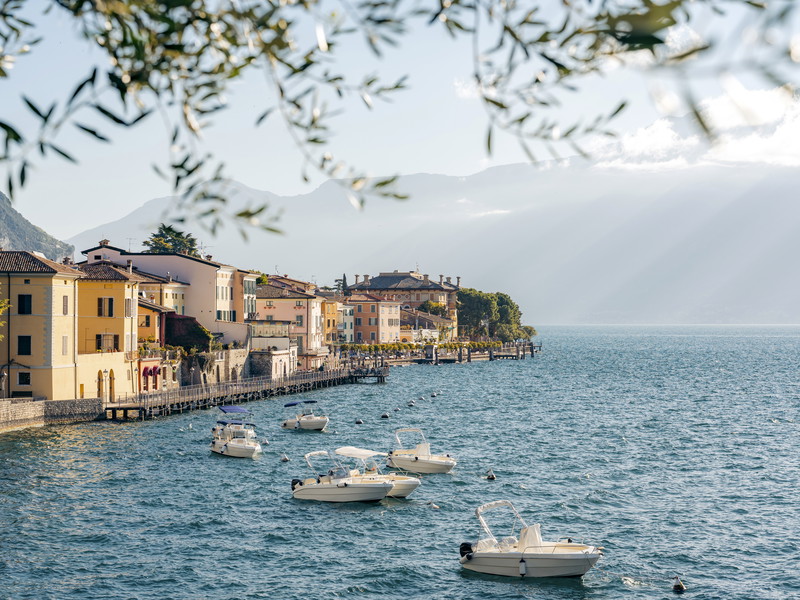
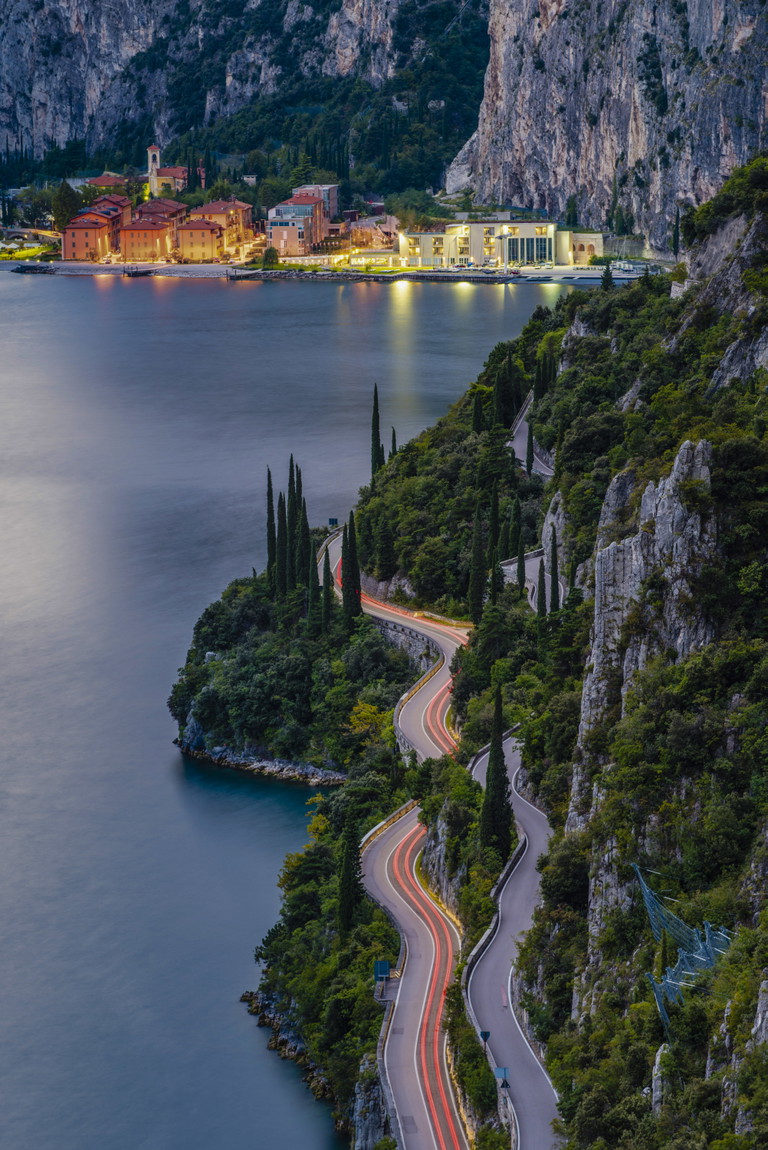
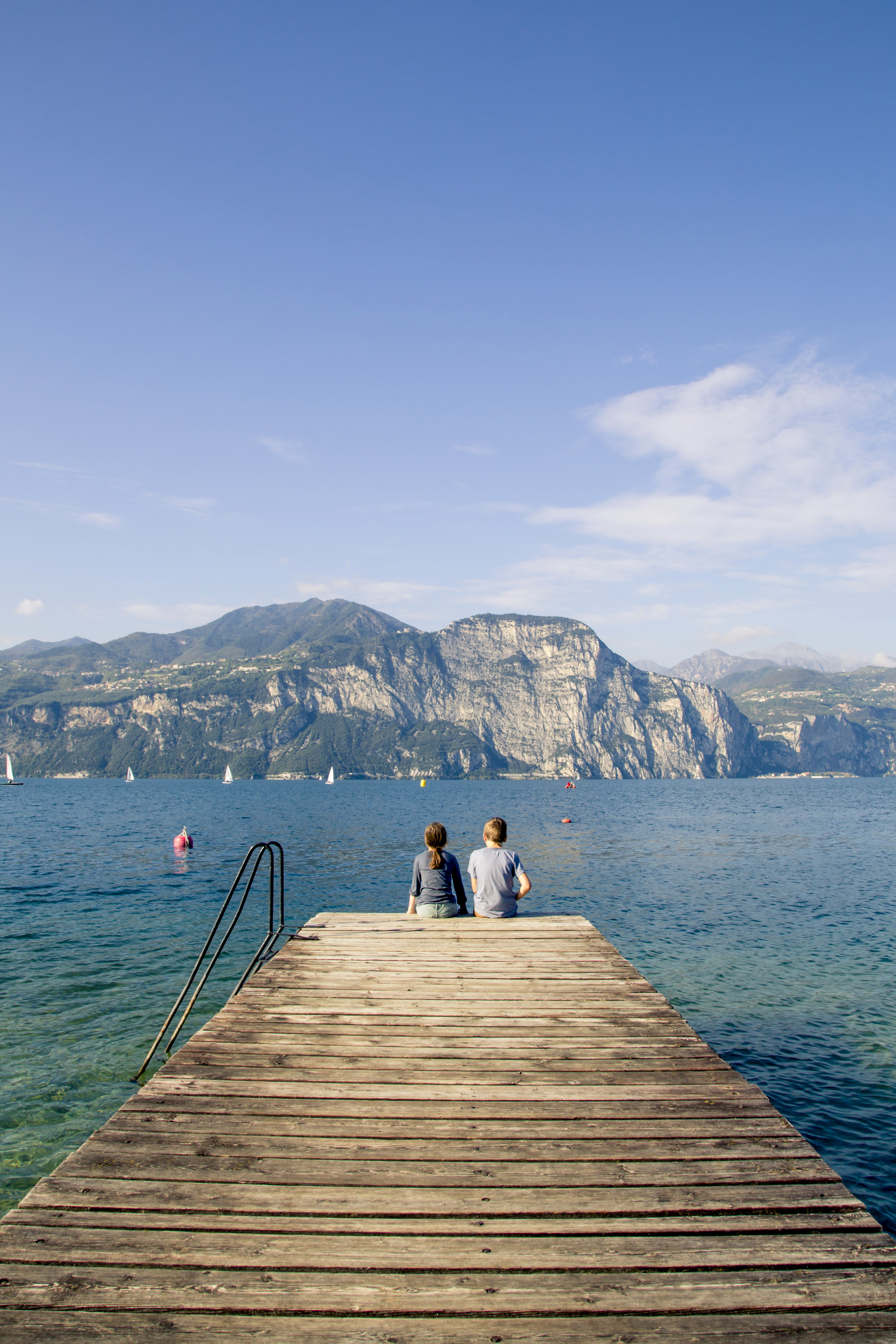
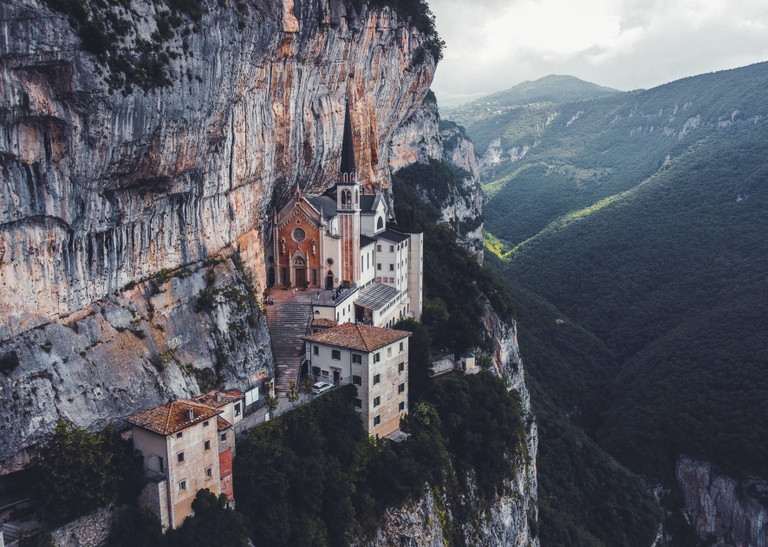
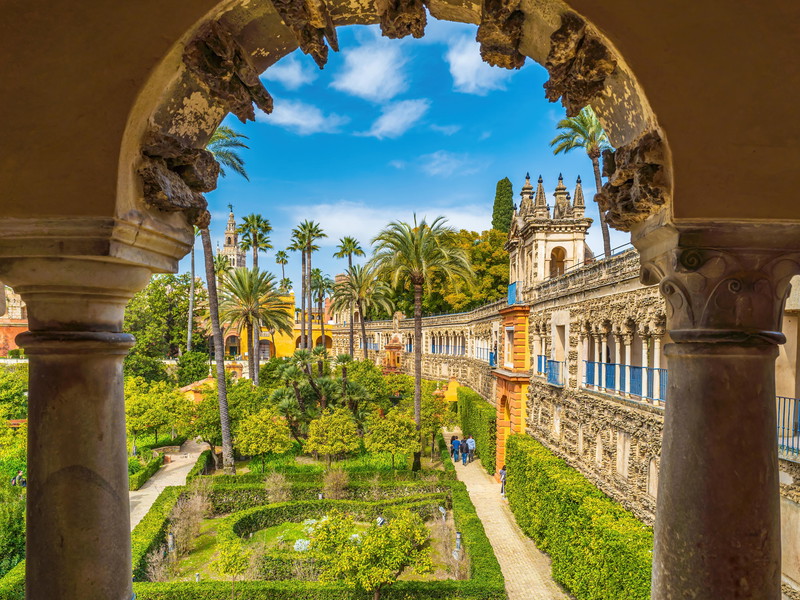
In the alpine north the mountains fall steeply down to the shore; the south is quite different, where the lake is framed by gentle hills. Here the water is warmer, the vegetation more Mediterranean and life a little sweeter. Vines and olives grow in the hinterland, then between are charming villages such as Borghetto di Valeggio, which is said to have the best tortellini in the world – and magnificent villas with equally magnificent gardens on the banks.
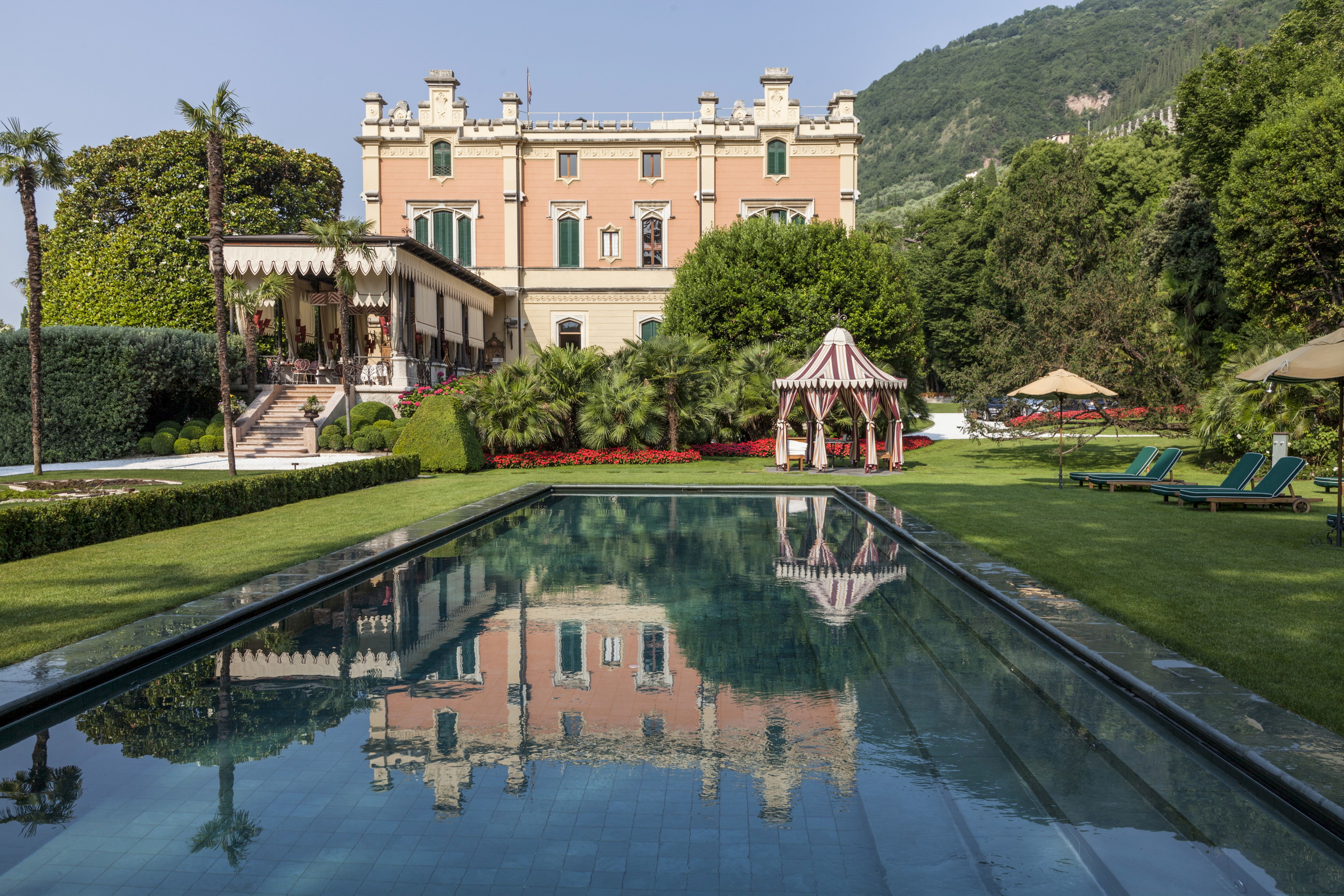
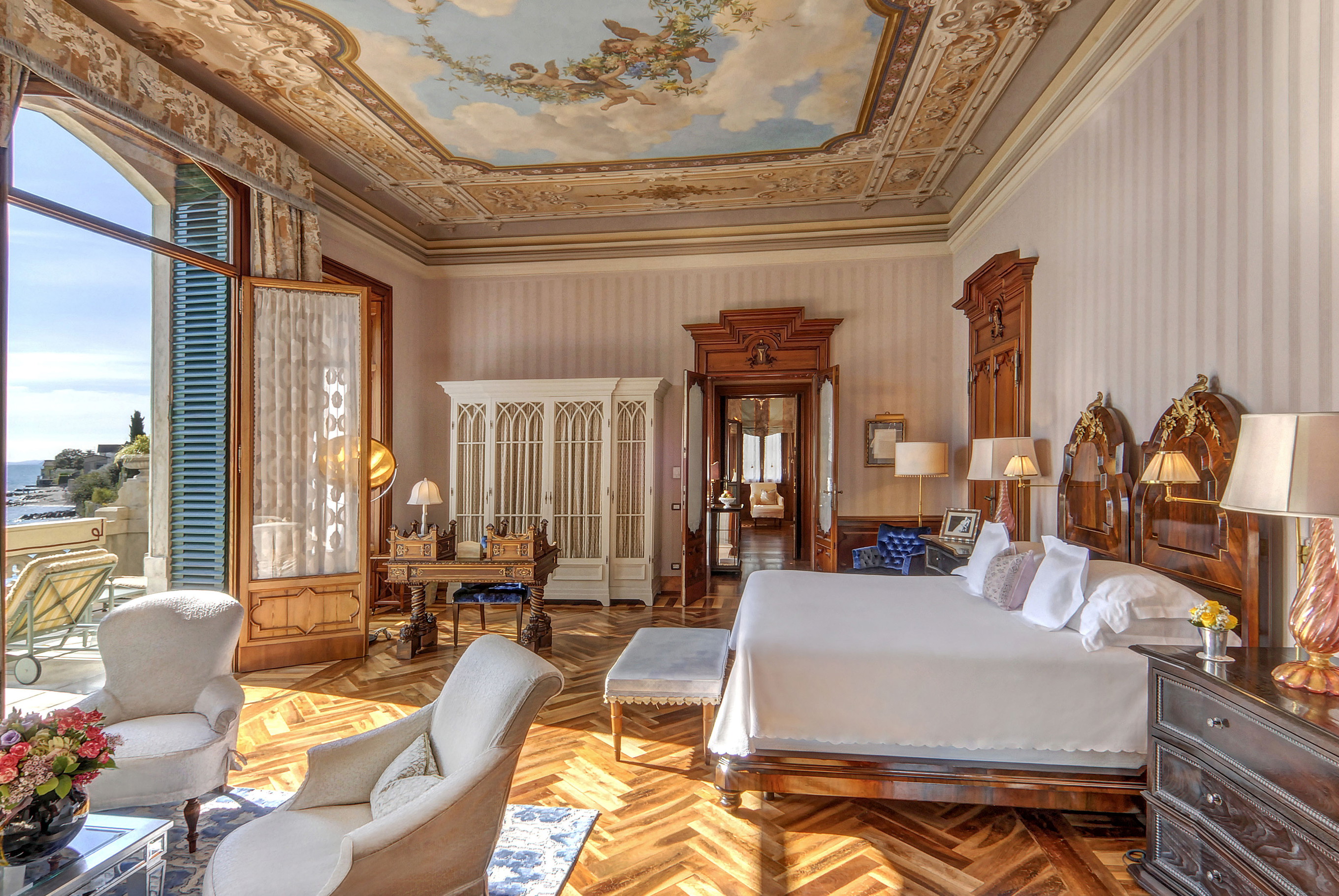
Many of these once private estates have been converted into luxurious hideaways. One of the most beautiful is the salmon red country residence of the Feltrinelli publishing dynasty: a habitable treasure trove in which a maximum of 40 guests are looked after by twice as many service staff.
One lake, many faces
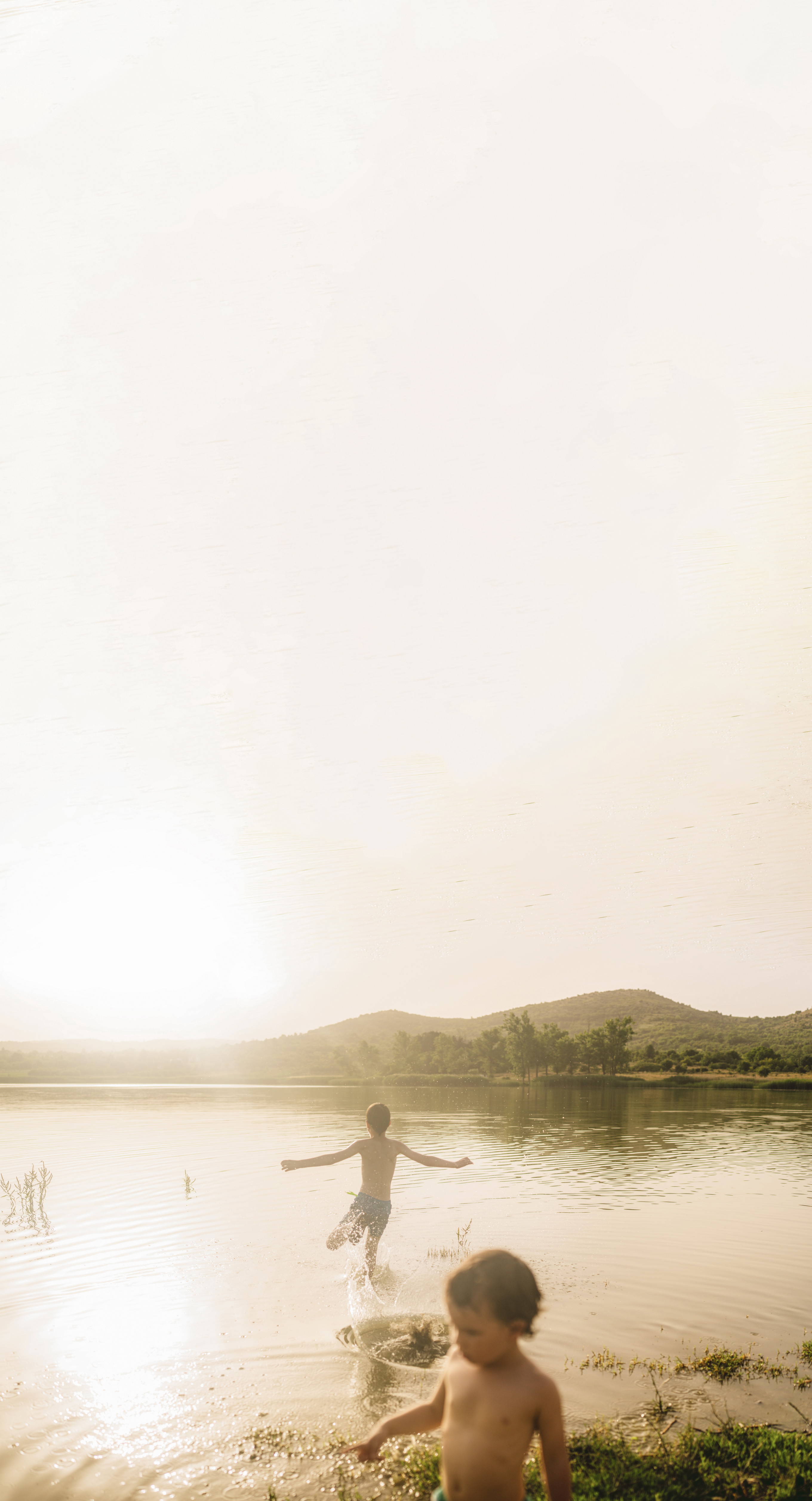
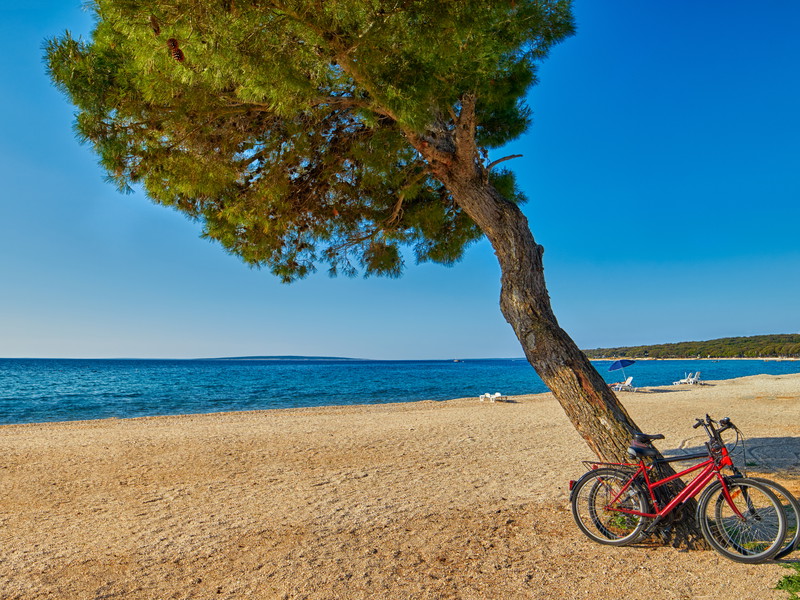
But Lake Garda is not just about luxury: camping, glamping, family-run guesthouses and charming boutique hotels also have their place here. Everyone can find their own slice of happiness; those looking for "dolce" can stroll through the narrow streets of the old town with an ice cream in hand or jump into the turquoise waters of Jamaica Beach.
Fancy some art? In André Heller's paradise garden, you can discover exotic plants and sculptures from all over the world. On the Isola del Garda, you can bathe in splendor and history in the recently opened Cavazza family villa. Sports enthusiasts can climb the steep rocky slopes on the northern shore, venture onto the water or explore the hinterland by bike.
The Ciclopista del Garda, which runs for over 160 kilometers around the lake, is due to be completed in 2026. The project is structurally challenging and controversial – like all popular vacation regions, Lake Garda is seeking a balance between progress and preservation. In June of this year, Garda Trentino to the north was recognized as a sustainable vacation destination by the Global Sustainable Tourism Council. The aim: responsible tourism that combines nature conservation, mobility and cultural heritage into a sustainable overall concept.
"Despite all the joy, tourism is a cause for concern," says Flavio Turri, who grew up on Lake Garda as the son of oil producers. He dreams of a nature park around the lake with rules against unbridled development and recommends exploring the hinterland, where it gets quieter and quieter as the altitude and kilometers increase. Turri's parents moved to the lake in the early 1960s – the son still remembers the first holidaymakers from the north, who sometimes loaded a few bottles of what was for them a foreign oil into the trunk of their car as a souvenir. "Olive oil, especially extra virgin, was completely unknown in northern Europe," says Turri. In 1988, his parents founded the country's first olive oil museum by the lake. Today, it contains more than 450 historical exhibits and is visited by guests from all over the world.
From Bigoli to Valpolicella
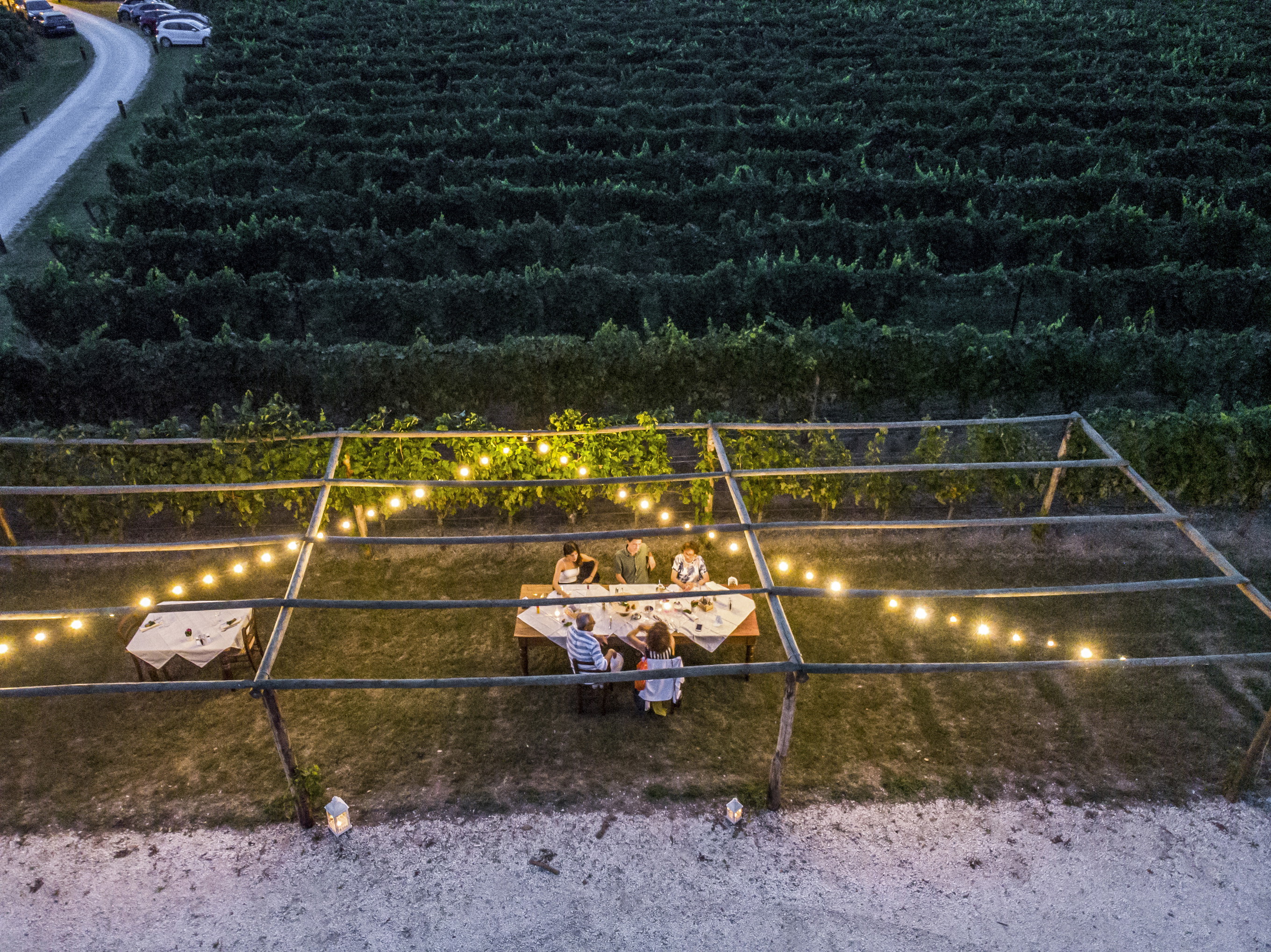
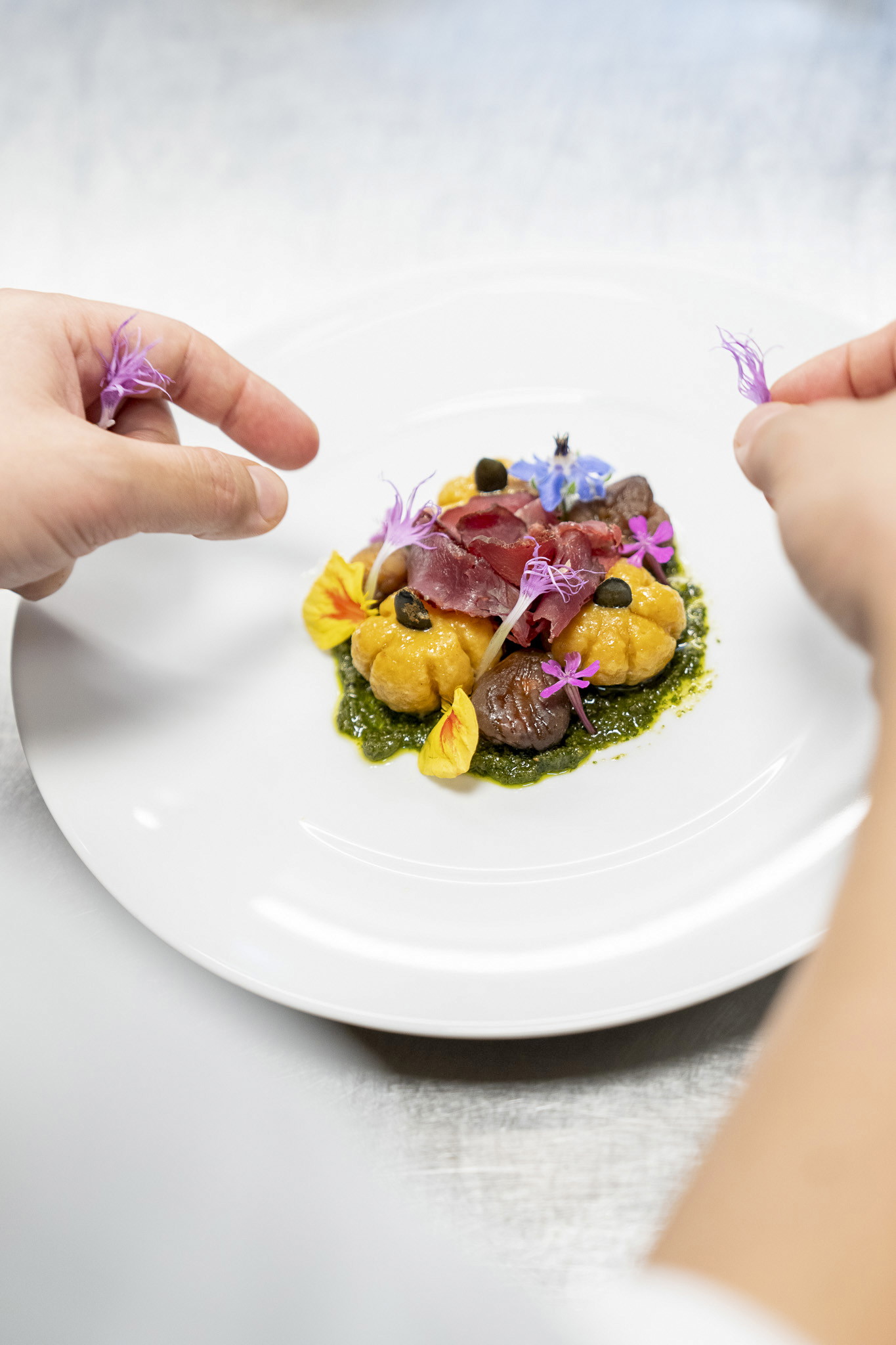
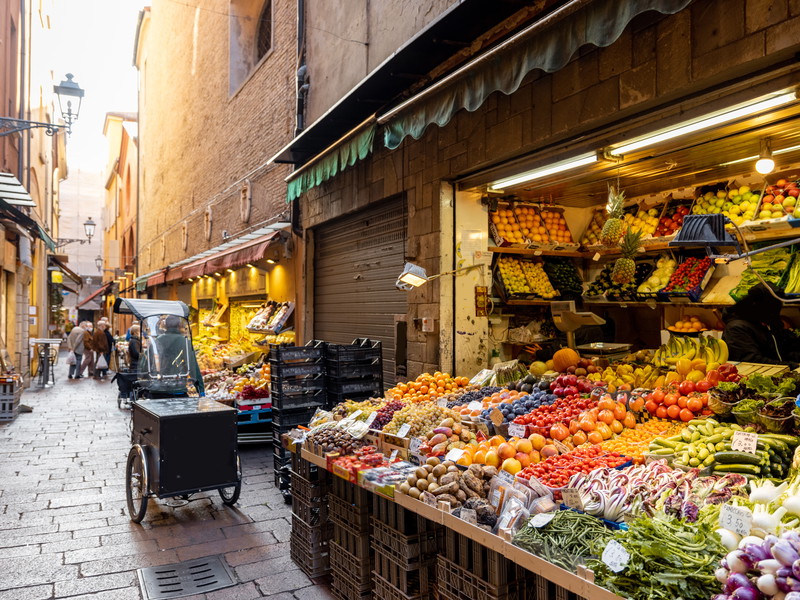
Of course, visitors also come to the lake for the culinary variety: for bigoli with sardines, fresh pike, oil from Casaliva olives, and of course for Lugana, Bardolino and Valpolicella, which have turned generations of wine drinkers into connoisseurs. More and more wineries are opting for sustainable cultivation. "Our vineyards are like children," says the Zordan family, who run the "Cascina Maddalena" winery on the south bank, "we listen to every sound they make, we observe - just like you do in a family."
To share their passion, more and more winegrowers are offering cellar tours as well as events such as cookery courses or food pairing tastings. As visitors' culinary expectations have risen, so too has the range of upscale restaurants – there are 20 starred establishments around the lake, including culinary institutions that have been delighting guests for decades and young free spirits who are only too happy to throw tradition to the wind.
Goodbye
The lake is like an old friend; after all, you grew up together. There is the ice cream parlor where you used to eat gelato with your grandparents, and the guesthouse with the lemon trees in the garden where you used to play with the current owners as a child. But over the years, this familiar acquaintance has also evolved; he now makes unusual ice cream from fresh organic ingredients and pampers guests in sophisticated wellness facilities.
But one thing will probably never change: the longing for this lake, and the childlike joy that accompanies every reunion.
Lake Garda facts
Italy's largest lake borders the regions of Trentino-Alto Adige, Veneto and Lombardy. It once captivated Goethe with its extraordinary beauty. The mild climate, the unique Alpine-Mediterranean landscape that looks like a painting, the charming towns with magnificent buildings that invite you to stroll for hours, delicacies from gelato to pasta and the wonderful feeling of dolce vita - all this and much more makes Lake Garda a place of longing par excellence.
The impressive visitor numbers are proof of the unbroken interest. Many have practically grown up with the lake and make regular pilgrimages to the destination of their hearts.