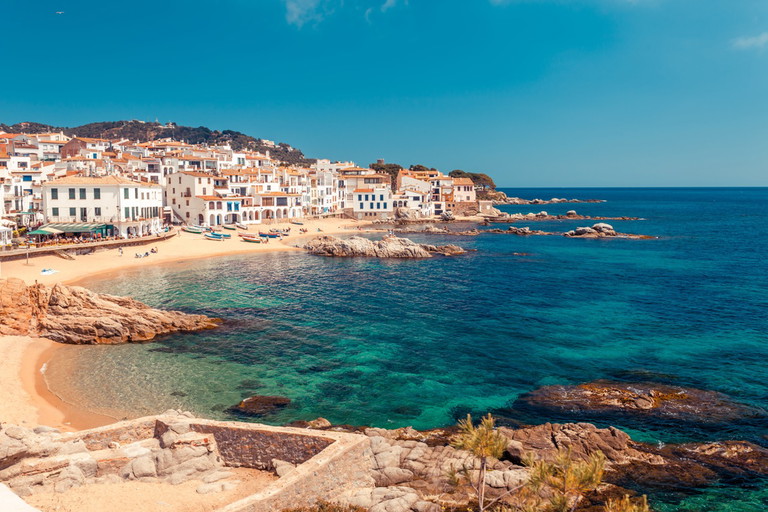
Something Special: Costa Brava Vacations
In the 1960s, Germans, Brits, and Dutch travelers discovered the roughly 200-kilometer-long wild coastline as a vacation spot: the first trip without parents, the first taste of real freedom, sangria by the bucket—and suddenly the Costa Brava was a party hotspot. But the region has so much more to offer.
Fans of the Gaulish hero Asterix know that the age of tourism also began in Spain in the 1960s: in the 1969 comic book "Asterix in Spain", he and his obese companion Obelix meet columns of Gauls and Goths heading south on their ox-drawn caravans for their vacations. The authors take aim at the French and German tourists who had discovered the country south of the Pyrenees as a vacation destination in those years and arrived in droves every summer.
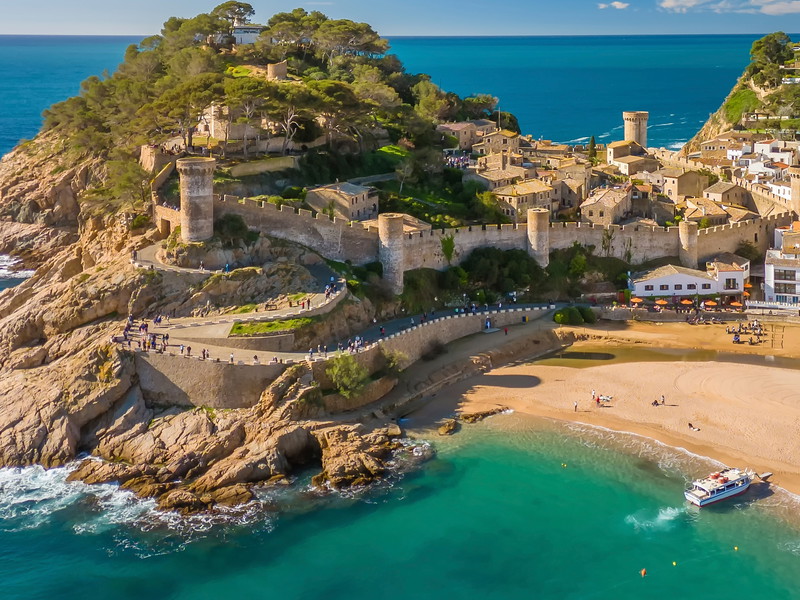
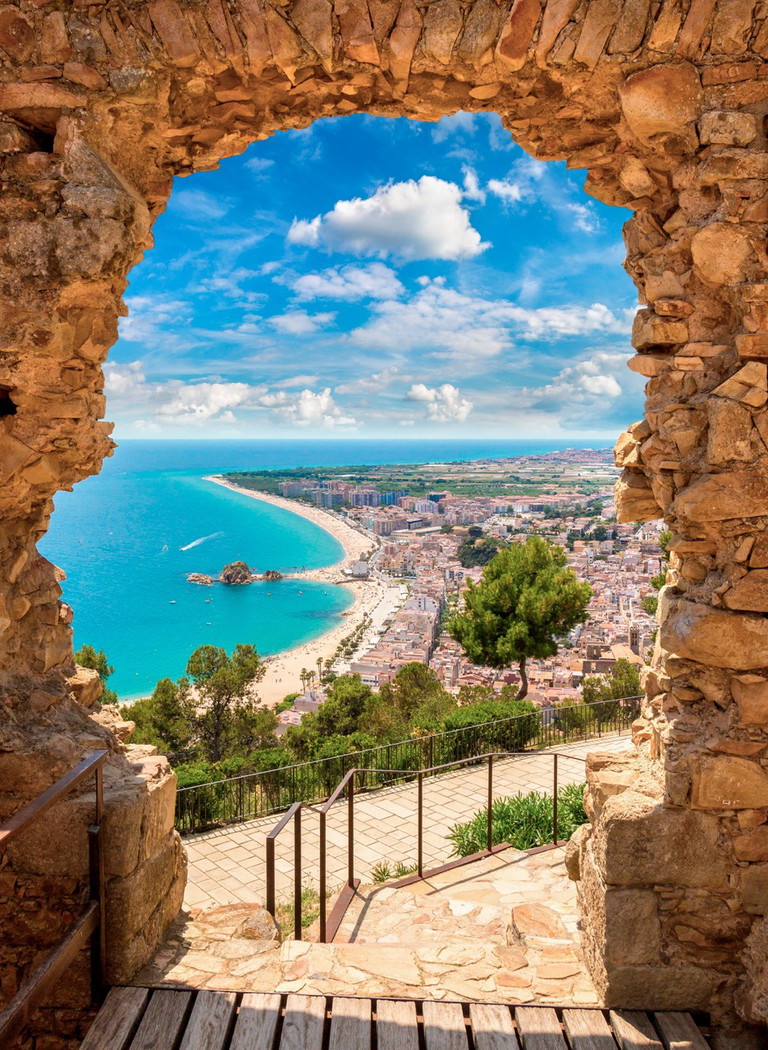
From the 1960s onwards, tourists were particularly taken with the Costa Brava, the section of the Mediterranean coast in the north-eastern Spanish region of Catalonia that begins south of the border with France and stretches as far as the metropolis of Barcelona. Spain's fascist government at the time had recognized it as an ideal development area, transformed and marketed it into a vacation destination - and thus brought the mass tourism that was just beginning at the time into the country.
Cultural route
In the meantime, targeted efforts are being made to focus on the cultural heritage and scenic diversity of the region. A trip to Girona is one of the cultural highlights of this region - with its magnificently restored old town, imposing cathedral, the remains of the ancient and medieval city walls and the well-preserved Jewish quarter. Particularly impressive are the baths from the 12th century, which were built in the style of Arab hammams and are therefore still called Arab baths today.
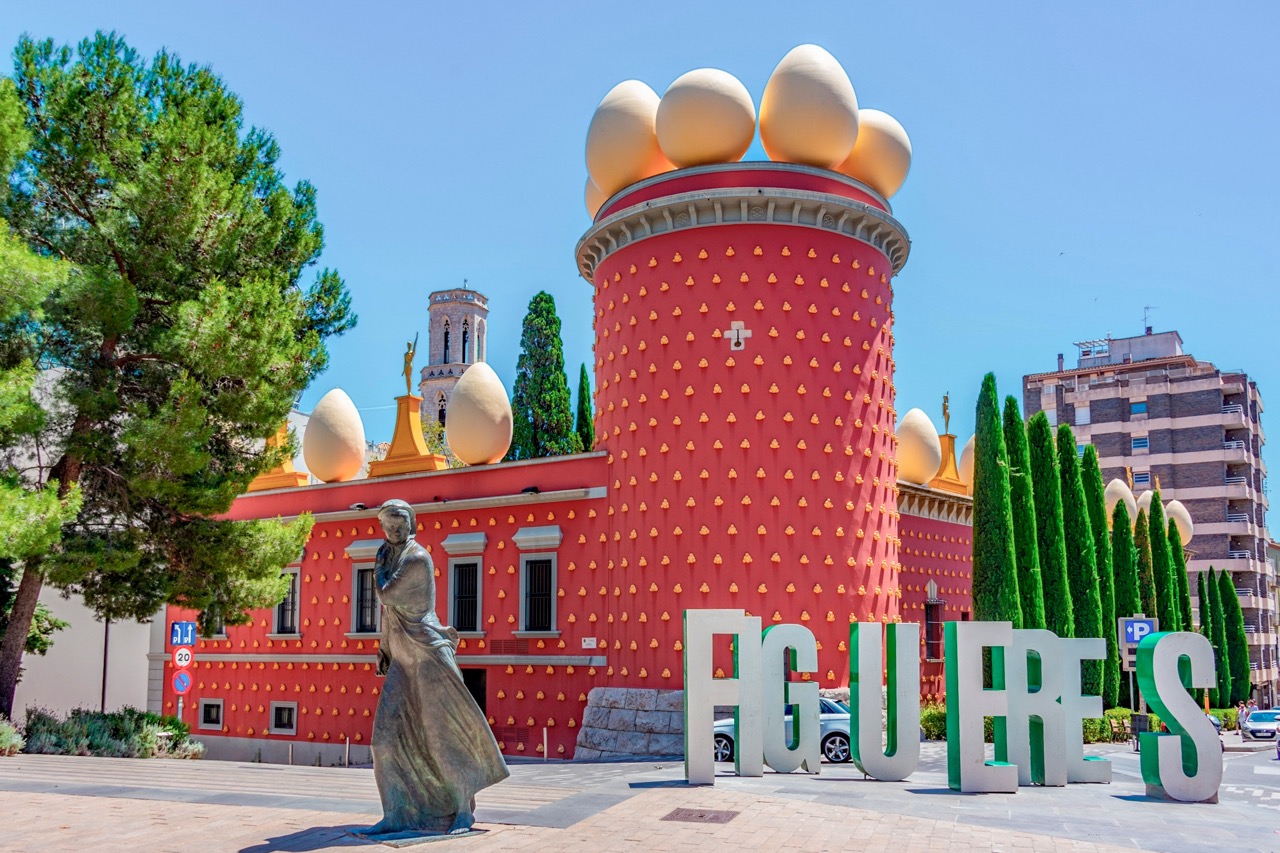
And then there is the so-called Dalí triangle, named after the master of surrealism, Salvador Dalí. On the Costa Brava, three places are dedicated to the life and work of its most famous son and bring his eccentric world to life in an impressive way - namely Figueres, the painter's birthplace, Portlligat, near the fishing village of Cadaqués, where Dalí's parents already owned a vacation home, and finally Púbol, where he bought an old castle, gave it to his wife Gala and redesigned it for her. Dalí spent most of the summers of his life in Portlligat and welcomed friends and famous artists of his time, including Federico García Lorca, André Breton and Luis Buñuel.
Painting and molecular cuisine
Today, the surrealist spirit of the region is even reflected in the cuisine. It all started with the legendary restaurant El Bulli in Roses. Ever since host and chef Ferran Adrià astonished the international culinary world with his daring experiments in 1993, Spain in general and the Costa Brava in particular have been considered strongholds of good and, above all, creative cuisine.
Although El Bulli has now closed and hardly anyone talks about the so-called molecular cuisine that was once invented there, the coastal area is still home to some of the best restaurants in the country - above all El Celler de Can Roca run by the three Roca brothers Joan (head chef), Josep (sommelier) and Jordi (head pastry chef).
With their flamboyant style, the brothers not only continue the legacy of El Bulli, but also the surrealist spirit of the region. The Rocas demonstrate this in signature dishes such as the Bola de Colores - a sphere of cotton candy filled with colourful frozen explosions of flavour, such as fennel, basil, red fruit, lychee, caramelized green apple, citrus fruit, passion fruit, coconut, blackcurrant, apricot and mint. It's served on vanilla cream and flavored with rose petals - in the spirit of Dalí, who once said: "I eat, therefore I dream."
Gems on the Costa Brava
Cadaqués
Hidden between rugged cliffs and emerald green water lies this fishing village that makes artists' hearts beat faster - whitewashed houses, winding alleyways and a light that even enchanted Salvador Dalí. Today, the surrealist's former home invites you to marvel and dream.
Empúries
Here, the remains of a Greco-Roman city lie between the pine trees and dunes. Stroll through ancient mosaics and temple ruins with a view of the Mediterranean.
Besalú
A picture-book medieval setting, as if it had stepped back in time: The mighty stone bridge, Romanesque churches and cobbled alleyways make Besalú one of the most atmospheric places in the region. Particularly impressive: the well-preserved Jewish quarter with the ritual bath in a medieval synagogue.