Rising Bubbles: the best sparkling wines from Spain
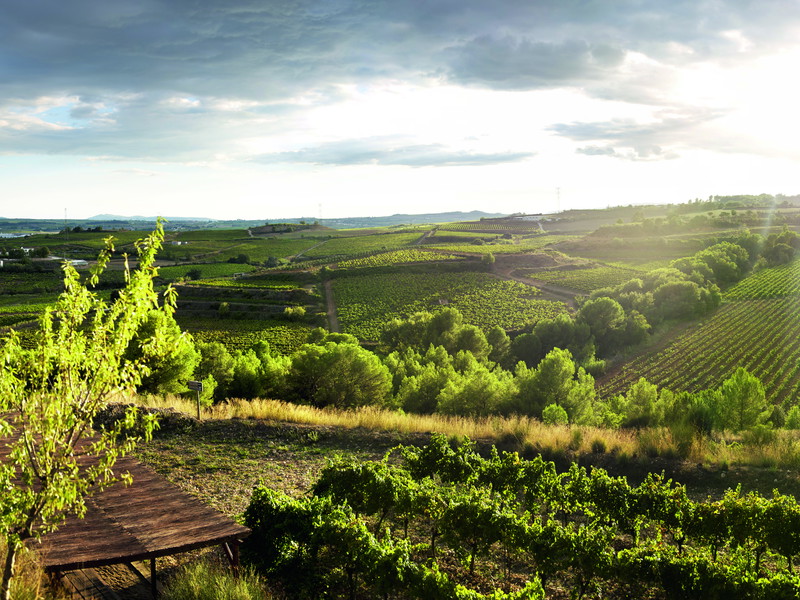
The Penedès wine region is one of the world’s most important sparkling wine areas today. Located inland from Barcelona between the Mediterranean coast and the dramatic Montserrat massif, it has been producing sparkling wines for more than 150 years.
Cava, Spain’s best-known sparkling wine, has enjoyed worldwide popularity since the 1970s. Over the past two years, howevver, traditional-method sparkling wine from the region has seen remarkable growth. Javier Pagés, President of the D.O. Cava, proudly notes that despite economic and geopolitical challenges, cava continues to gain importance and international standing. In 2023, nearly 252 million bottles were sold – an increase of more than four percent compared to 2022.
Another notable trend is the rise of organic viticulture, which now comprieses around twelve percent of cava production. Among the pioneers is family-run Pere Ventura, which stood out at this year’s tastings with its Gran Vintage Brut, Paraje Calificado Can Bas 2015. Crafted from the traditional Macabeo and Xarello grapes, this single-vineyard cava meets the strict requirements of the prestigious Paraje Calificado classification. Pere Ventura takes pride in its historic Can Bas vineyard, where some vines are over a century old, and their wine matures for 43 months. This year, the estate also advanced its sustainability initiatives, earning certification for reducing its carbon footprint and improving water management.
Despite the persistent challenge of drought that has affected Spanish viticulture for years, conditions around Sant Sadurní d’Anoia improved in 2024 thanks to some much-needed rainfall. Still, the fight against water scarcity remains critical, making measures to reduce consumption and recycle waste water increasingly important. In 2020, an extended quality pyramid was introduced for cava. At its base is Cava de Guarda, which accounts for over 89 percent of the market and must spend at least nine months maturing. These entry-level cavas are typically produced by major wineries such as Henkell-Freixenet and Codorníu. Above them are the Cava de Guarda Superior categories: Reserva, aged for a minimum of 18 months; Gran Reserva, for at least 30 months; and the top tier, Paraje Calificado, which requires at least 36 months of ageing.
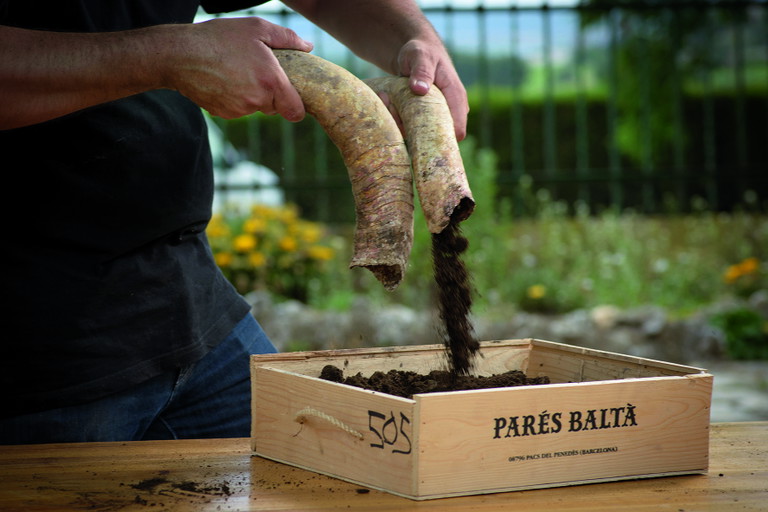
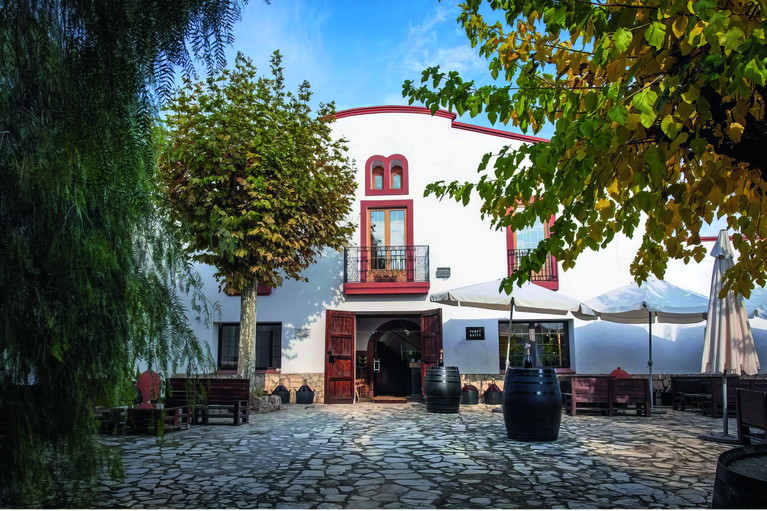
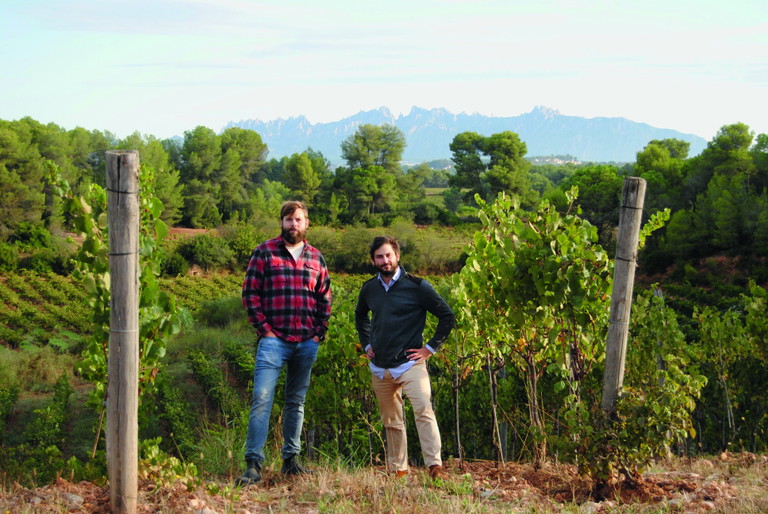
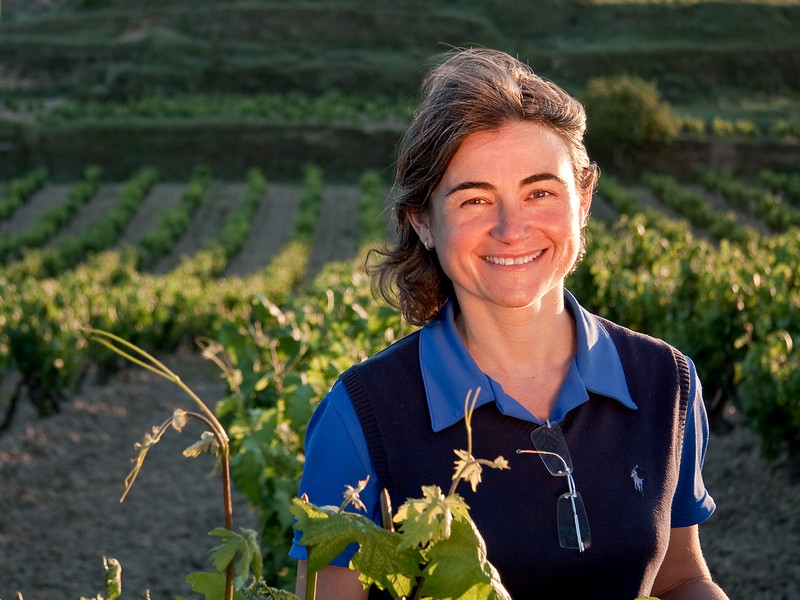
One outstanding winery is Parés Baltà, known for its commitment to organic cultivation. Oenologists Marta and Maria Elena impressed Falstaff's tasting panel with their Blanca Cusiné cava. To provide consumers with greater transparency, a 2020 regulation now allows optional labeling of zones of origin, such as "Comtats de Barcelona" or "Valle del Ebro". Wineries that only use their own grapes may also use the designation Elaborador Integral. Beyond the D.O. Cava, other sparkling wines from the region have emerged. In 2017, eleven wineries founded the Corpinnat brand and withdrew from the D.O. Cava, arguing that its quality standards did not go far enough. Among the founding members is the biodynamically certified Gramona estate, which, after the passing of Xavier Gramona in 2023, is now led by his son, Leonard, and nephew, Roc. The winery is renowned for sparkling wines like Enoteca 2011. “For us, Enoteca is more of a wine than a sparkling wine,” explains Leonard Gramona, noting that it consists of 70% Xarel·lo and 30% Macabeo and retains remarkable freshness – even after extended ageing.
Falstaff's 2024 Trophy once again highlights the rich diversity of Spain’s best sparkling wines – across both quality levels and ageing periods, as well as the distinct philosophies and traditions each winery holds.