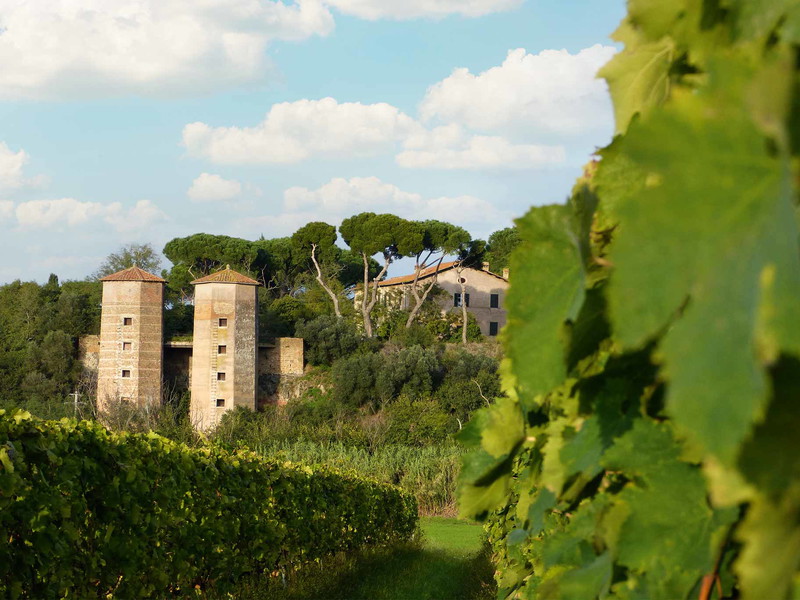
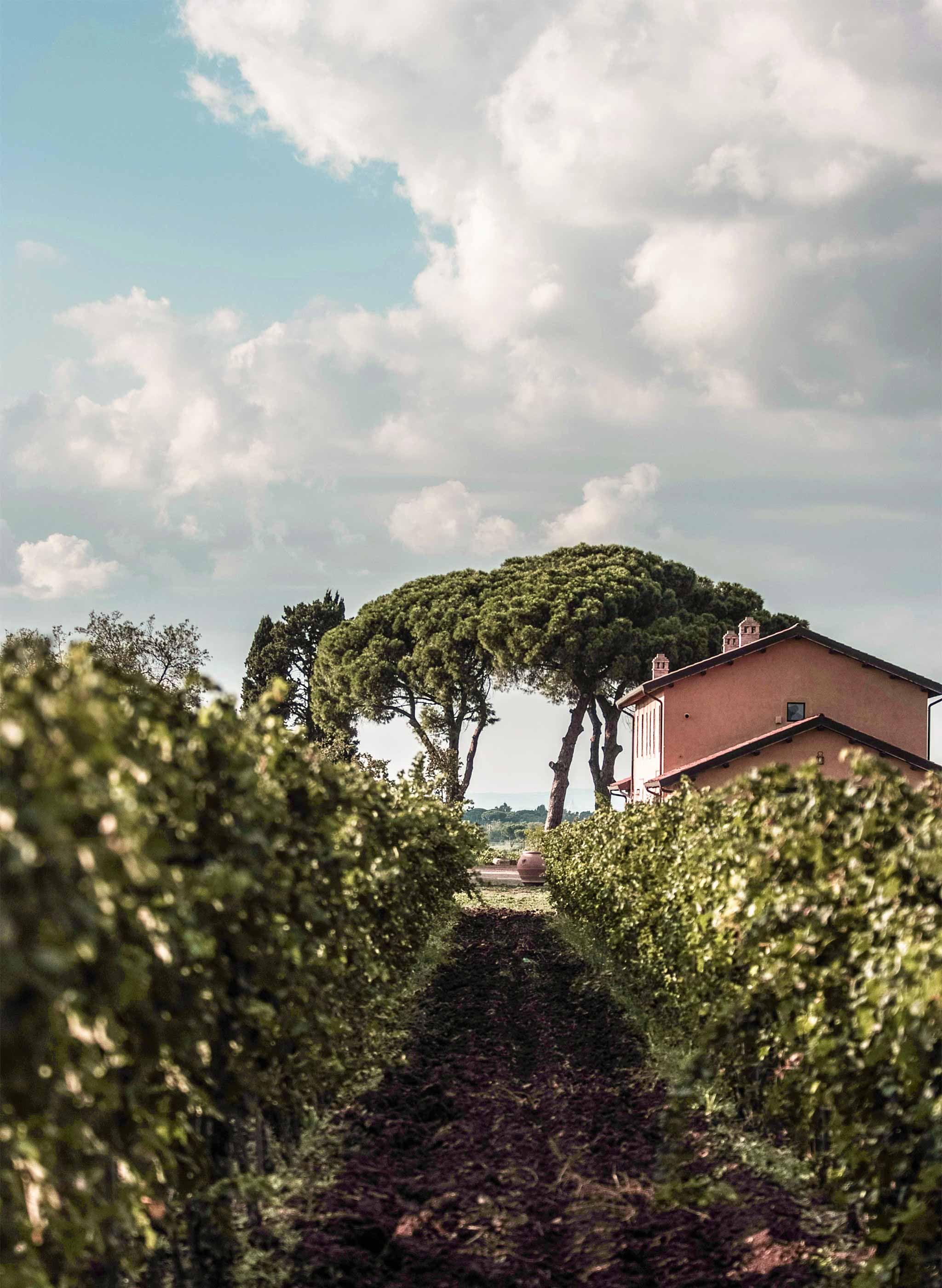
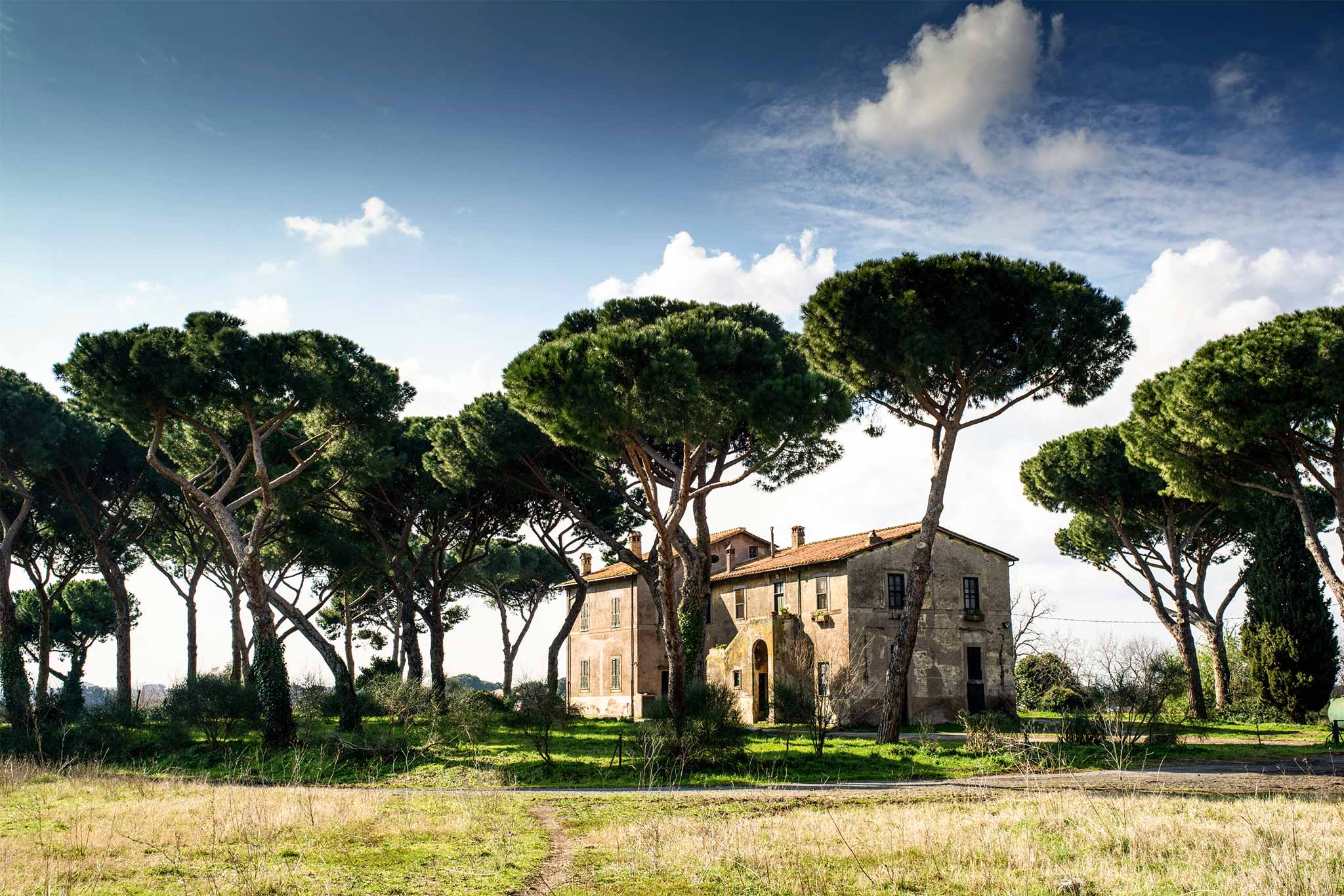
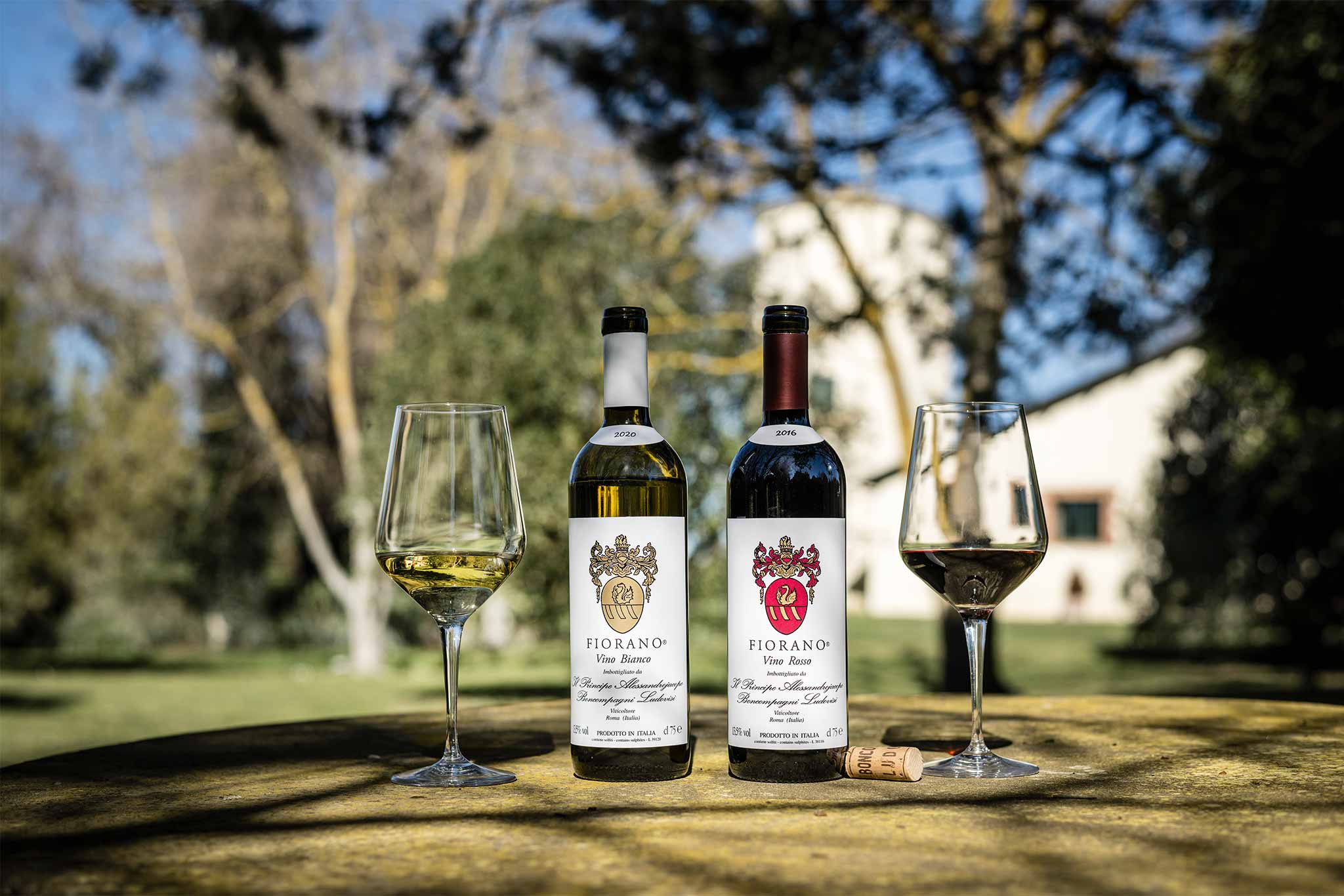
But back to the Tenuta di Fiorano, which is bordered to the north by the main road. On the opposite side of the road is a simple entrance gate with the name Tenuta Principe Alberico. Oops, thinks the unknowing passer-by, what's that? The solution to the riddle: Alberico Boncompagni Ludovisi's daughter is married to none other than Antinori. The three Antinori daughters, Albiera, Allegra and Alessia are therefore Alberico's granddaughters. The villa and part of the estate therefore went to the Antinoris and Allegra Antinori has been running the winery on her own since 2011.
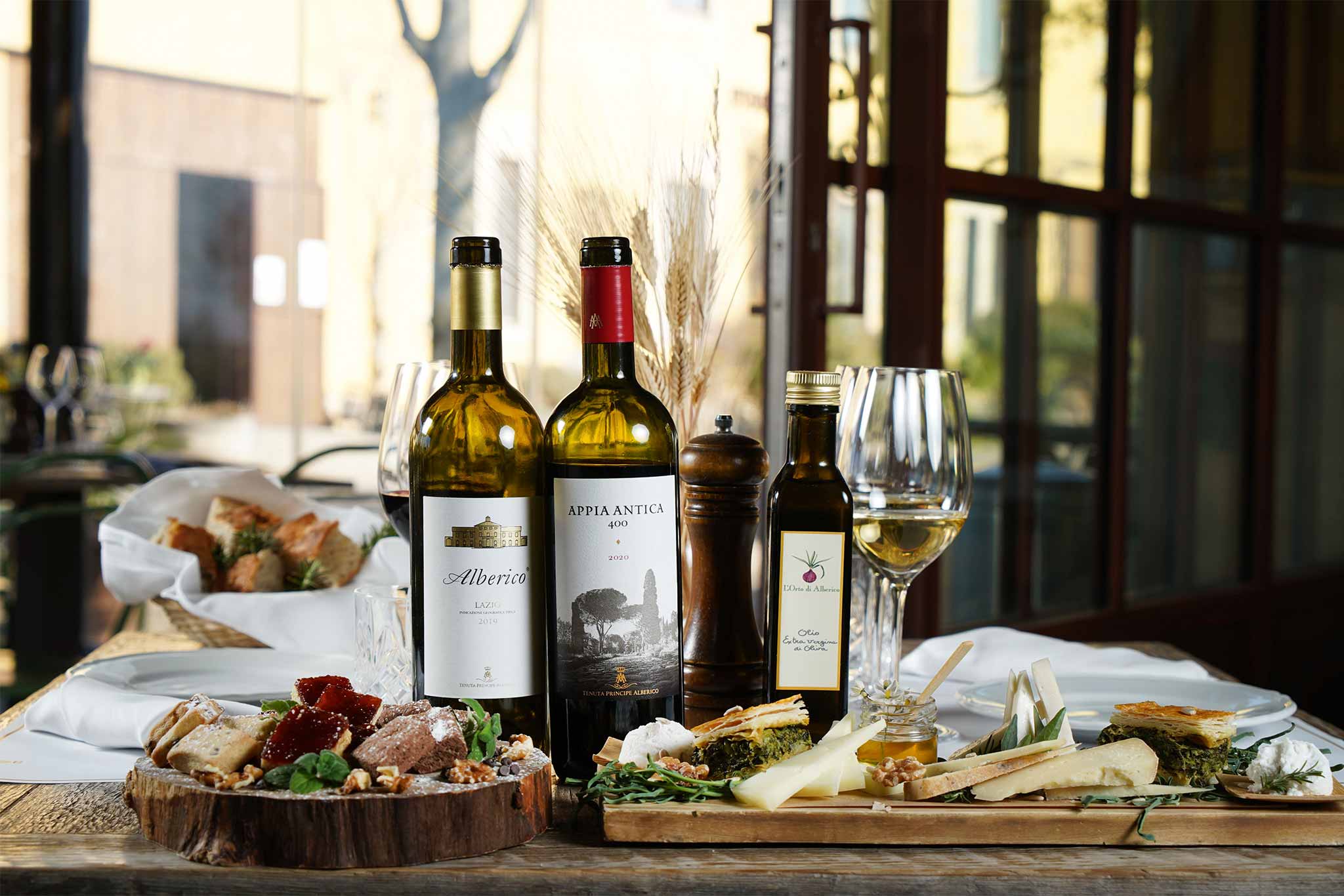
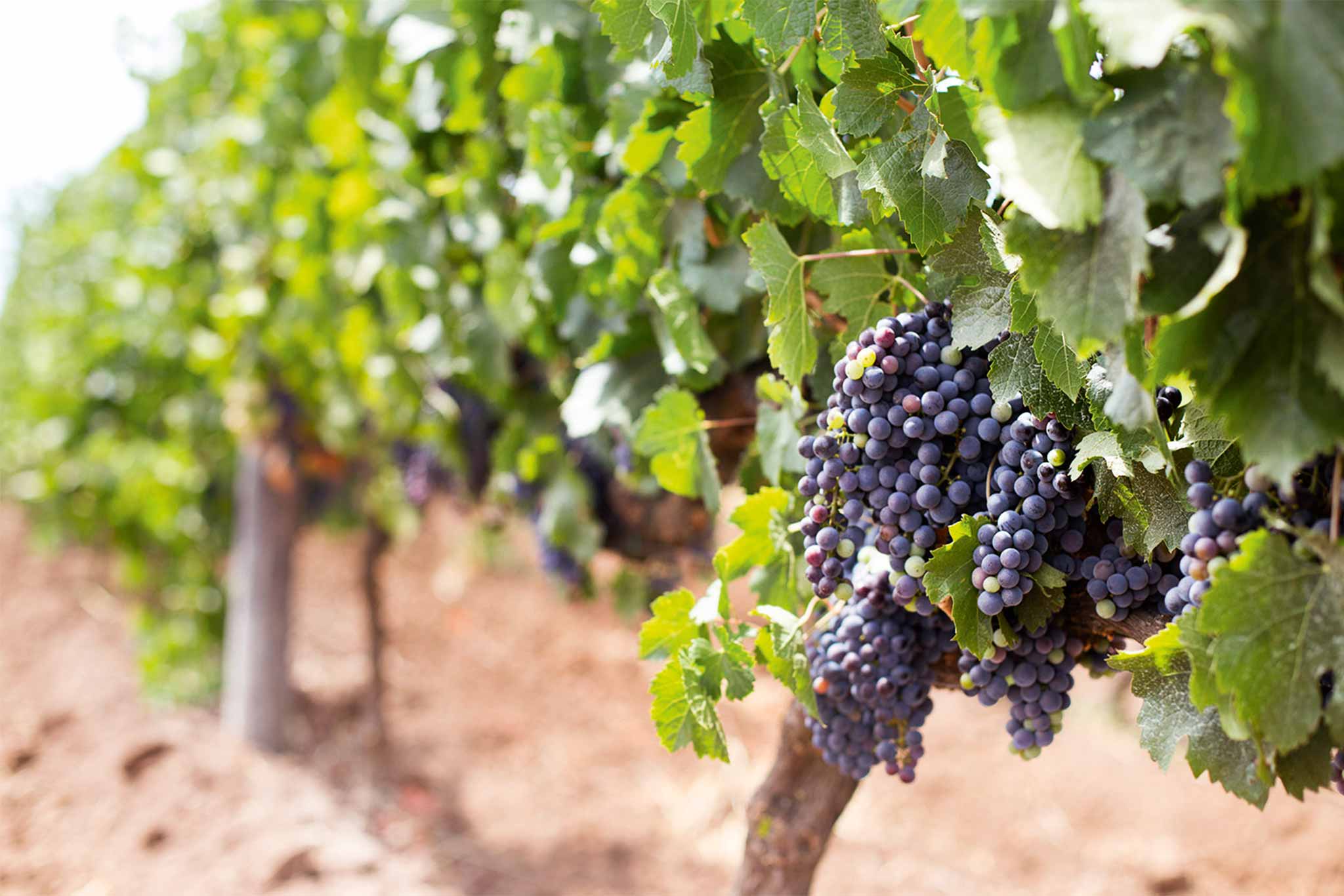
The Know–How comes from the parent company, everything is processed on site in a wine cellar that has been reduced to the essentials. Here too, the vineyards were replanted in 2011, with Semillon and the local Malvasia Puntinata variety for whites and Cabernet Sauvignon and Merlot for reds. The top red wine is called Alberico Rosso, which is perhaps a little less profound than its counterpart from the other side of the road, but trumps with juiciness and elegance. The entry-level white Appia Antica 400 leaves a lasting impression with its freshness and saltiness. This comes from the volcanic soils.
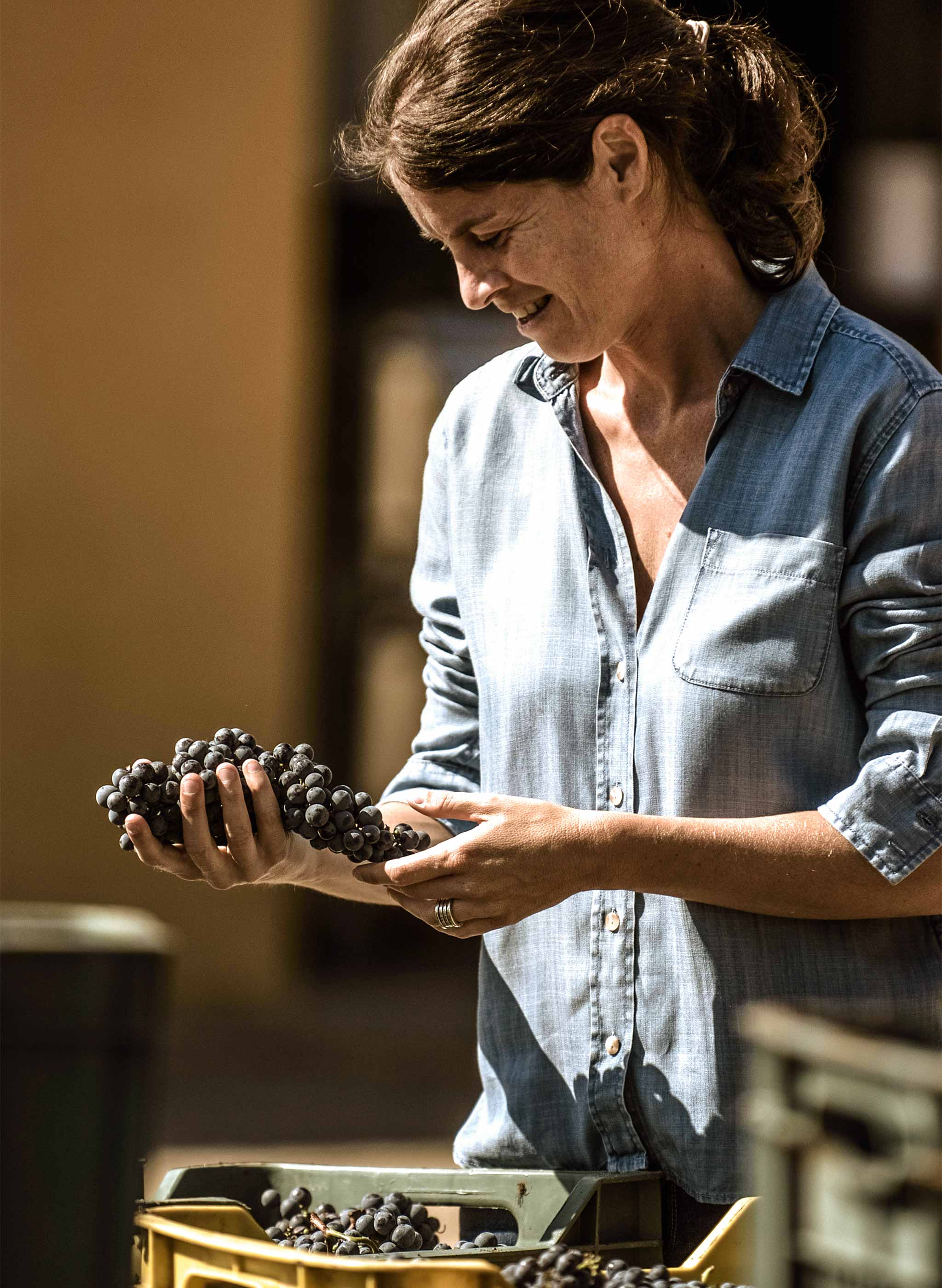
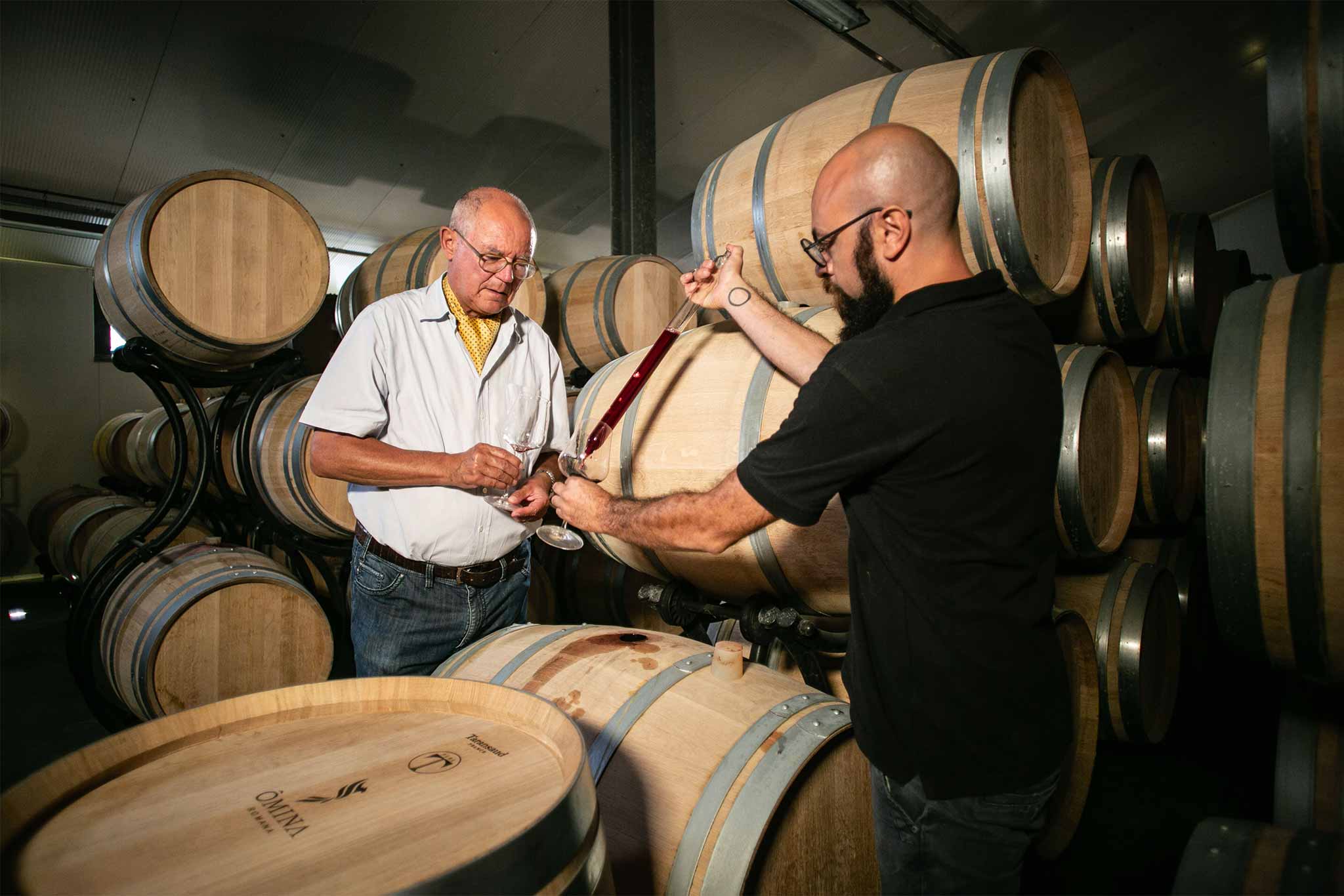
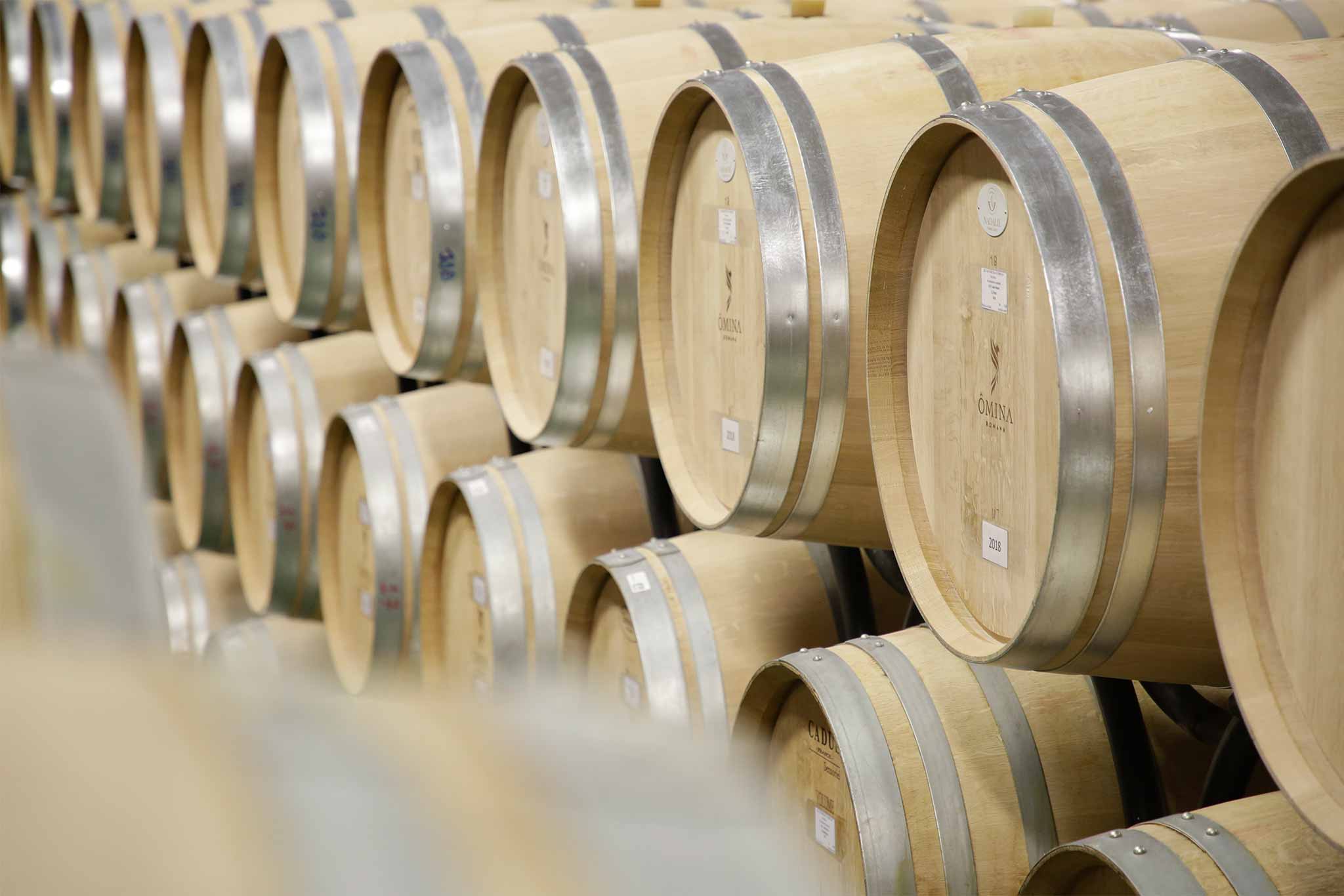
Change of location to the southern slope of the mighty volcanic crater that characterizes the Castelli Romani and its wine-growing areas (Frascati, Marino, Rocca dei Papi, Castel Gandolfo). Not far from Velletri is the Ômina Romana winery, which was founded by German businessman Thomas Börner at the beginning of the millennium. 40 hectares of vines, all on volcanic soil. The winery is managed operationally by Börner's daughter Katharina. First and foremost, French noble varieties were planted, which are generally processed as single varieties. Chardonnay and Viognier are excellent, as is Cabernet Franc. A specialty is the Cesanese d'Affile, a local red wine variety of which only a few bottles are produced. Ômina Romana is today undisputedly the leading winery in the area around Rome. It's a shame that so few wineries are following suit and are content with the quick success that Frascati and co. enjoy in Rome's trattorias and wine bars.
Places of pleasure
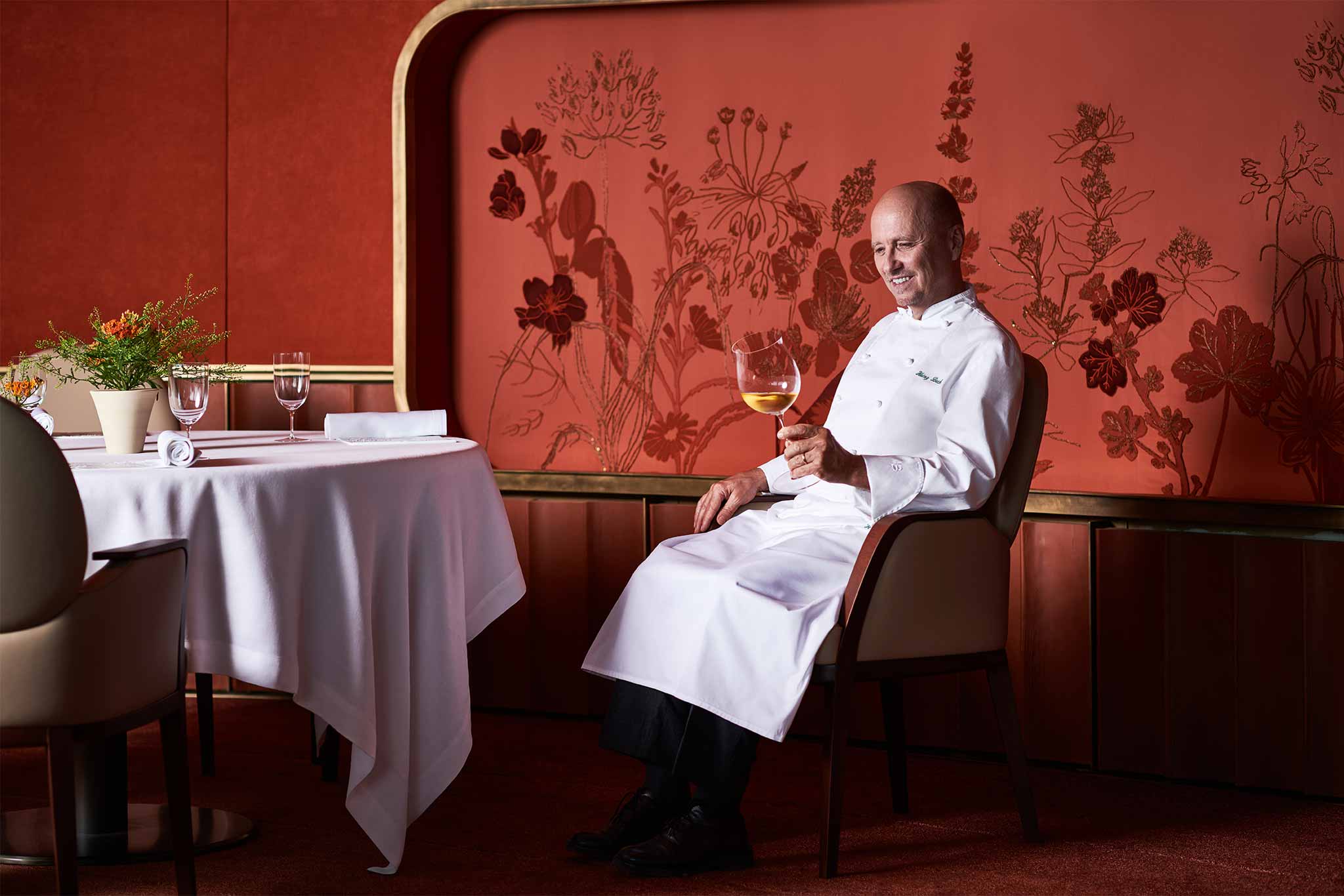
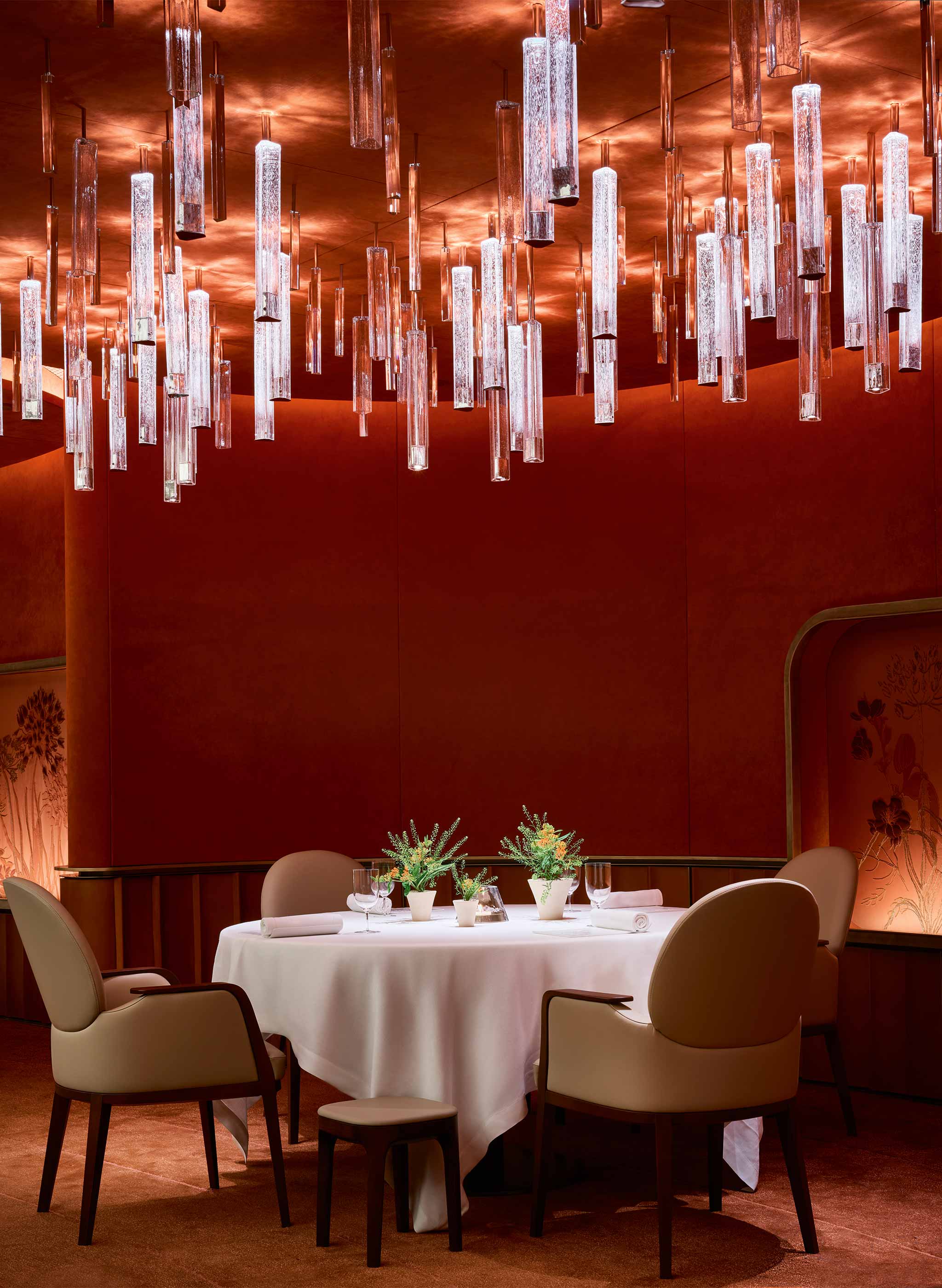
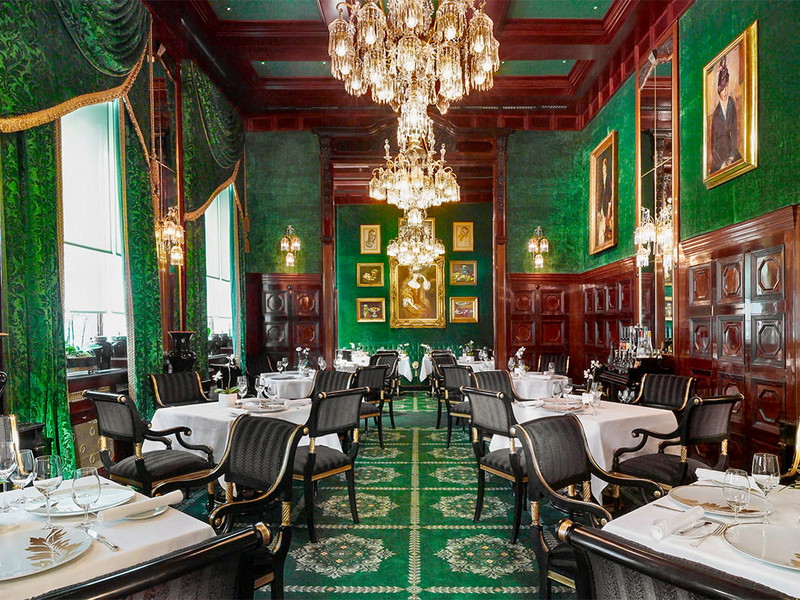
But there are also fine places in Rome where wine plays a central role. One of these is La Pergola in the Waldorf Astoria high up on Monte Mario. The restaurant on the 9th floor, which has just been refurbished, offers a breathtaking panoramic view of the city. The kitchen and wine cellar in the 3-star hotel are also breathtaking.
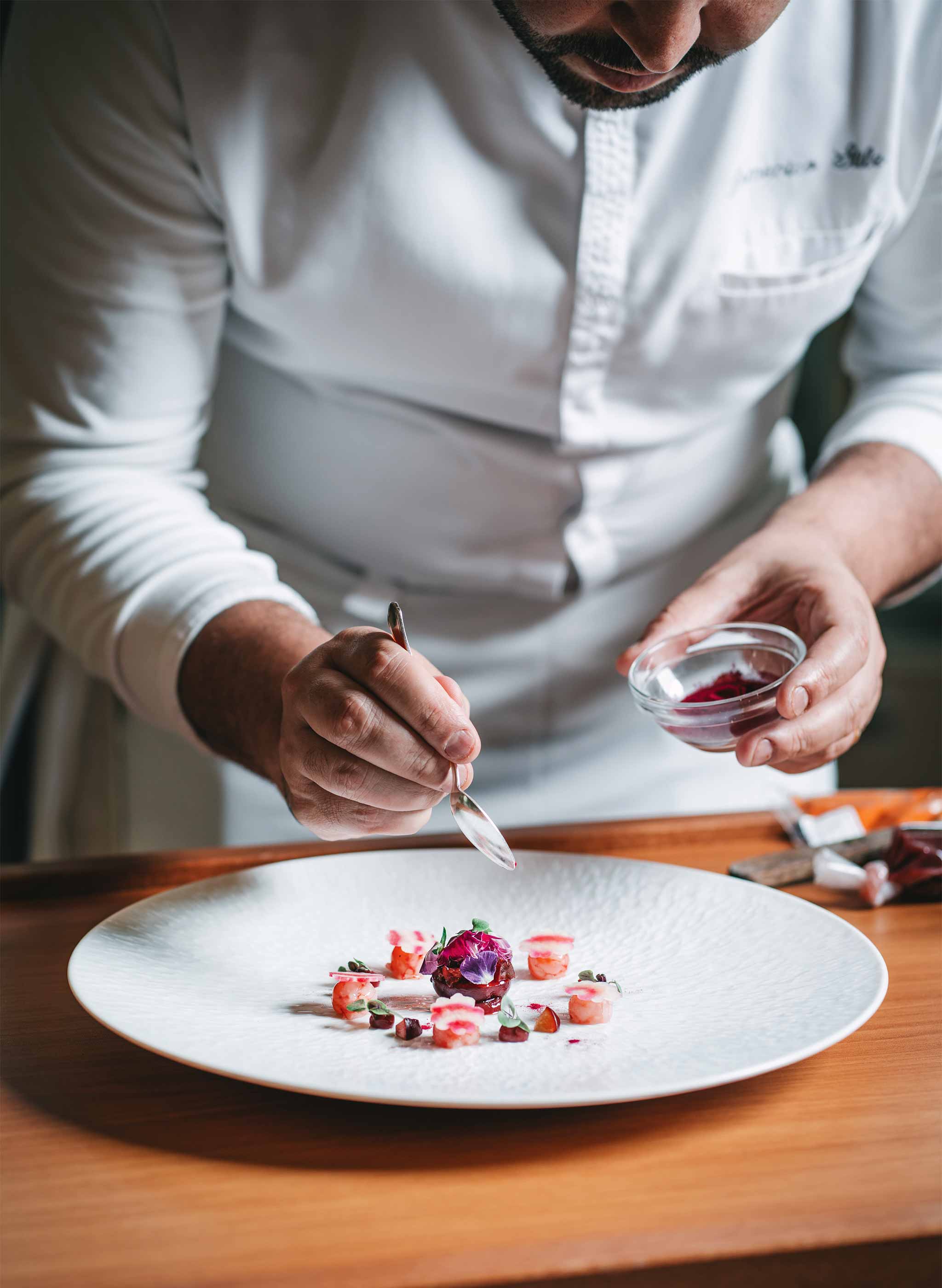
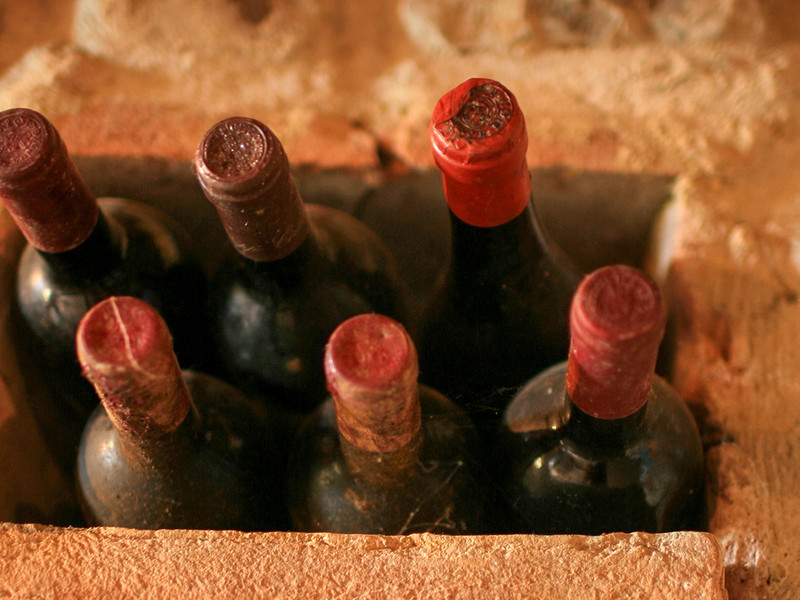
Heinz Beck came to Rome 30 years ago, at the time – as he says – completely unfamiliar with the country's peculiarities and traditions. Today, he is one of the Italians' favorite chefs. Heinz Beck is a trained sommelier himself and is passionate about wine. Beck has been supported in his passion for many years by the extremely friendly and competent head sommelier Marco Reitano. Over years of meticulous collecting, Beck and Reitano have amassed a wine cellar 10 floors below the restaurant that is second to none.
The Enoteca La Torre, the Pagliaccio and the Convivio Traiani also shine with a great selection of wines. But the simple trattorias Roscioli and Pierluigi or the numerous wine bars are also a place for fine wine enjoyment.
Don't miss out!
Sign up now for our .