Avoid this food before flying
Shops, cafes and restaurants at the airport are filled with tempting options, but experts suggest...
Friday the 13th reminds us bad luck can be just a bite away.
Last week’s Friday the 13th once again revived its reputation as the world’s most infamous unlucky date. The superstition runs deep: Some airlines skip row 13, hotels leave out room numbers, and entire floors quietly jump from 12 to 14. Even history has fed the myth. At the Last Supper, 13 people sat at the table—a number later linked to betrayal and death. It is hardly surprising, then, that superstition has also found its way onto the plate.
Across cultures, certain foods and table rituals are said to tempt fate—especially on a day already charged with symbolism.
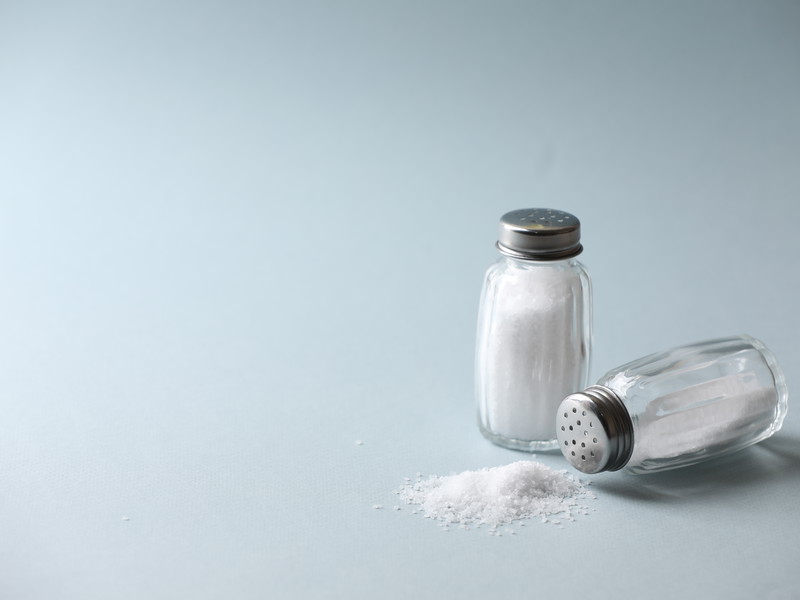
For centuries, salt has symbolized protection and purification—yet spilling it is considered a classic omen of conflict and misfortune. Even a minor slip of the hand while seasoning, according to folklore, invite strife. The traditional remedy? Toss a pinch over your left shoulder to ward off bad luck.
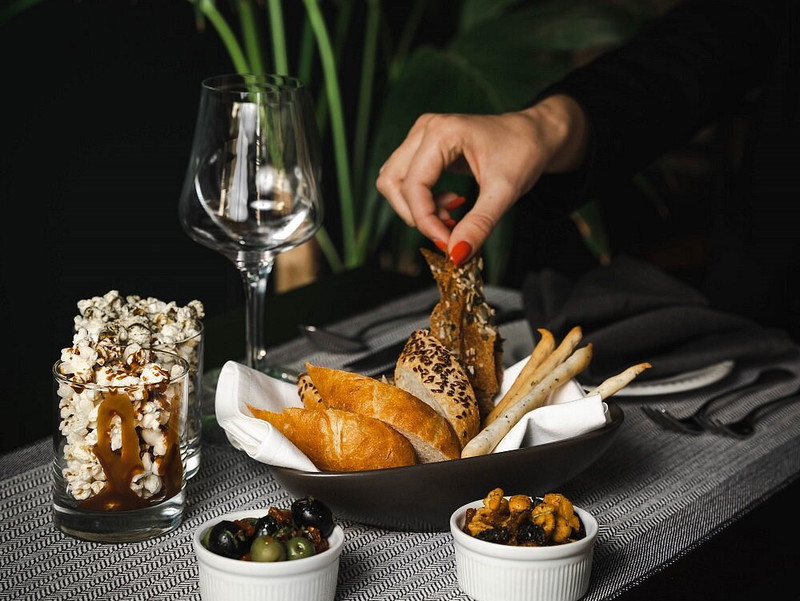
In parts of Europe, placing bread upside down on the table was once seen as an ill omen, associated with death or hardship. Bread represents sustenance and community—but only when treated with respect. Handle it carelessly, tradition warns, and you disrupt more than just the table setting.
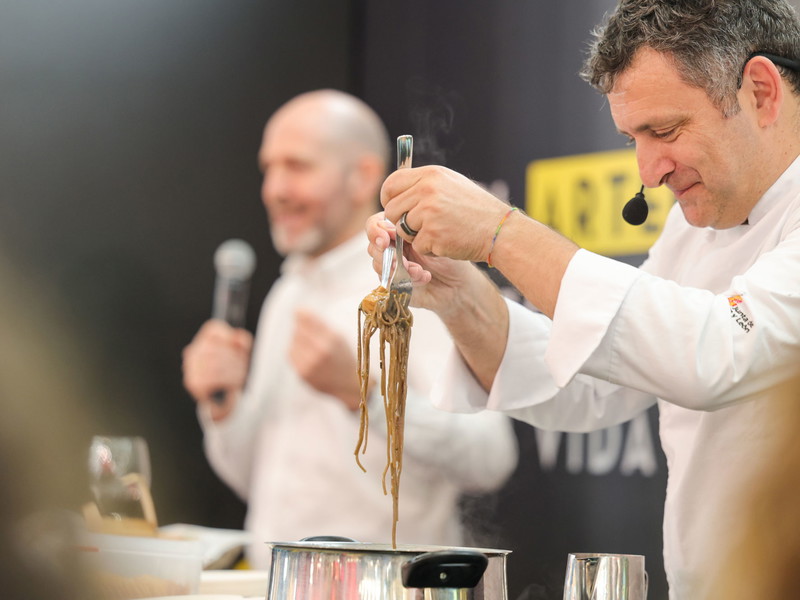
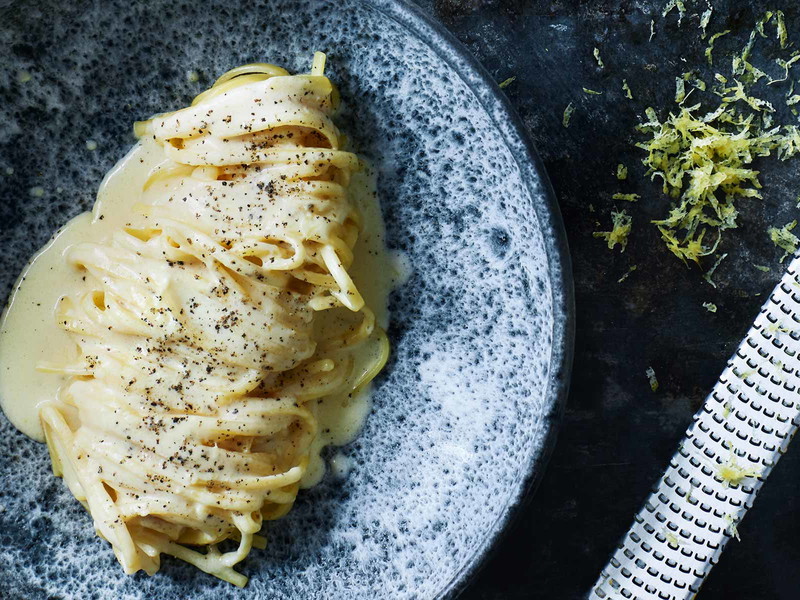
In several Asian cultures, chopstick etiquette carries deep symbolic meaning. Sticking the pair of narrow sticks upright into a bowl of rice resembles funeral rites and is considered a no-go. In Italy, cutting pasta can be frowned upon as a small act of culinary disrespect. Even everyday gestures at the table can carry unintended symbolism.
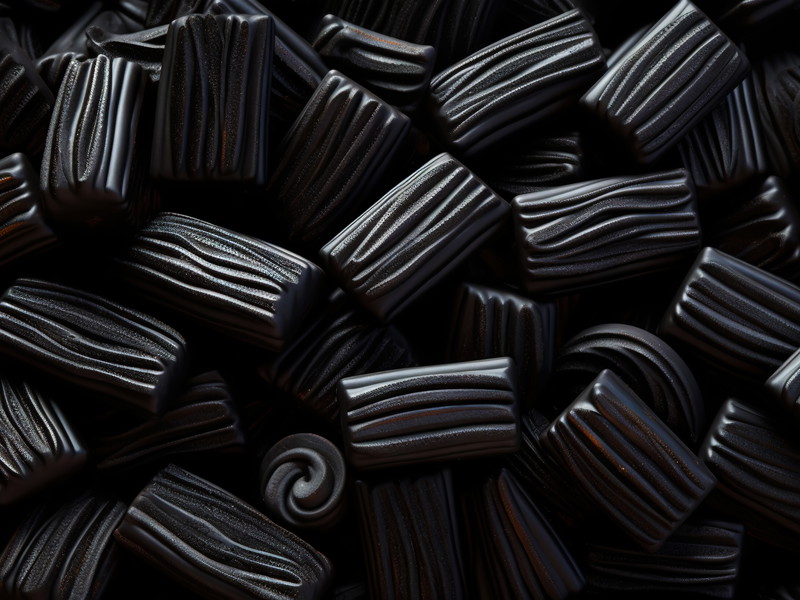
Dark ingredients such as liquorice, squid ink, or activated charcoal have long been associated with mourning and misfortune because of their color. On a day like Friday the 13th, some might avoid them entirely. Today, however, their dramatic appearance often feels more playful than ominous—a theatrical nod to old beliefs rather than a genuine fear of fate.
Certain fruits—apples or pears, for instance—have carried symbolic warnings in regional folklore. In some traditions, sharing an apple was thought to foretell trouble in love. Elsewhere, specific fish, spices, or dishes were avoided because they were linked to illness or misfortune.
Of course, few people now plan their menus around ancient omens. Yet the persistence of these culinary superstitions reveals how deeply food and symbolism intertwine. Even after Friday the 13th has passed, the stories remain—sometimes as cautionary tales, more often as cultural curiosities best enjoyed with a grain of salt.