Each spring, Riga finds a new rhythm — one measured not in steps, but in courses. From April 13 to 26, the Riga Taste Festival returns, expanding beyond its Restaurant Week origins into a citywide celebration that brings together chefs, bakers, and café culture under one idea: to experience Riga through flavour.
What began as a focused showcase of restaurant menus has evolved into something broader and more reflective of the city itself. Today, the festival invites not only dedicated gourmands but anyone curious enough to explore — locals and visitors alike — to sit down, taste, and rediscover familiar places through a different lens.
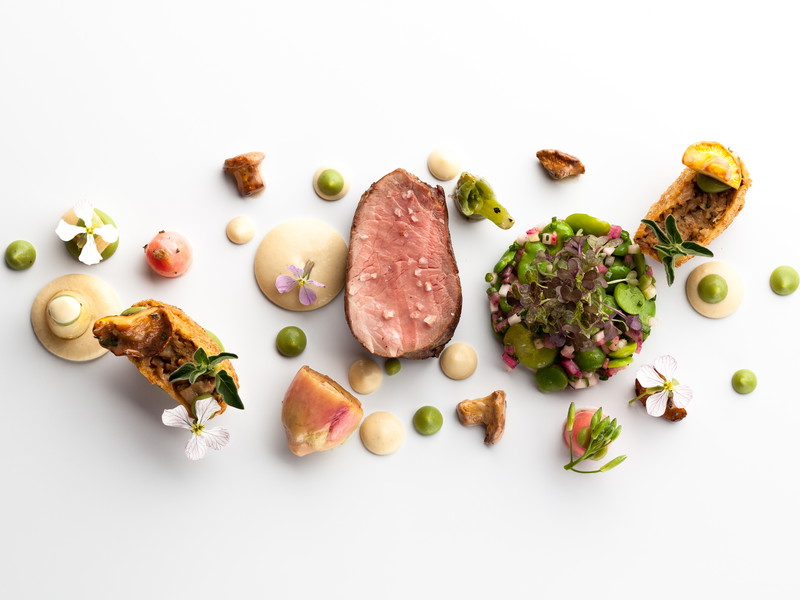
At the centre of the programme remains Restaurant Week, where some of the city’s most notable kitchens present three-course menus priced accessibly at €30, €35, €40, and €45 (the latter for Michelin Guide restaurants only). Behind these menus lies a careful selection process, with a professional jury ensuring a consistent level of quality while allowing space for interpretation. The result is a cross-section of contemporary Latvian cuisine — one that moves fluidly between seasonality and storytelling.
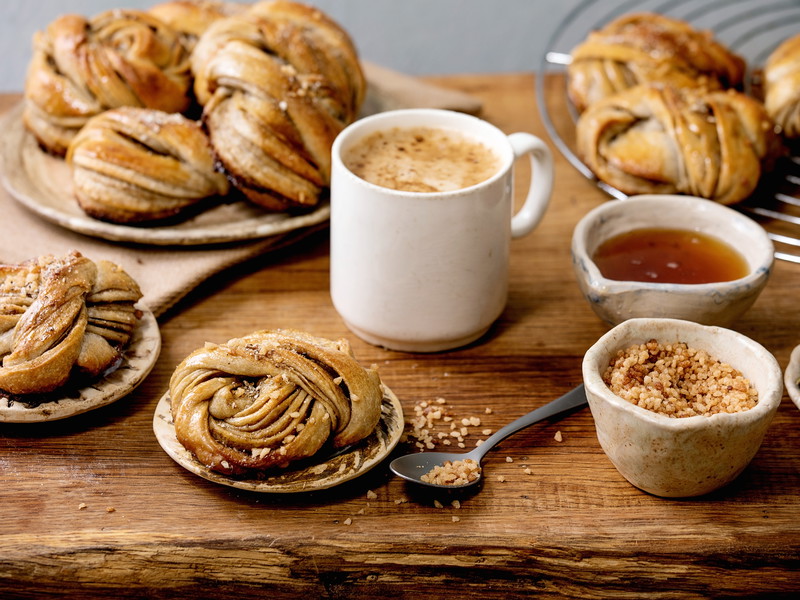
This year, however, the experience extends beyond restaurant tables. With the introduction of Bakery Week, the festival broadens its scope to include one of Riga’s quieter but deeply rooted traditions — pastry. At the heart of it is the revival of the “Vecrīga” cake, a dessert that has long been part of the city’s culinary identity. Participating bakeries reinterpret it in their own way, offering it alongside a drink for up to €8 — a small, accessible entry point into the festival’s wider narrative.
The decision to highlight a single pastry is not incidental. As Riga marks its 825th anniversary, the festival leans into questions of identity — what defines the city on a plate, and how that definition evolves. If restaurants tell one part of the story, bakeries and cafés tell another: more everyday, perhaps, but no less essential.
Across the city, from Old Town to quieter neighbourhood streets, the festival unfolds as a series of small invitations. A table reserved in advance. A menu chosen out of curiosity. A familiar dessert, seen again with new eyes.
For two weeks, Riga becomes a place where gastronomy is woven into daily movement — a reminder that a city can be understood not only through its architecture or history, but through the way it feeds people, and the stories it chooses to tell on a plate.