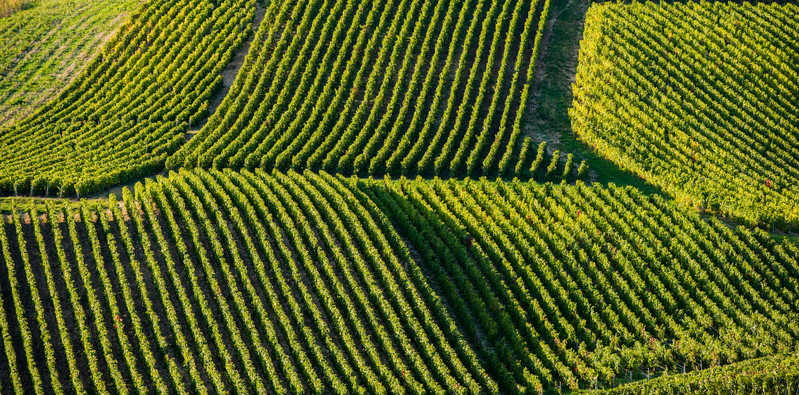
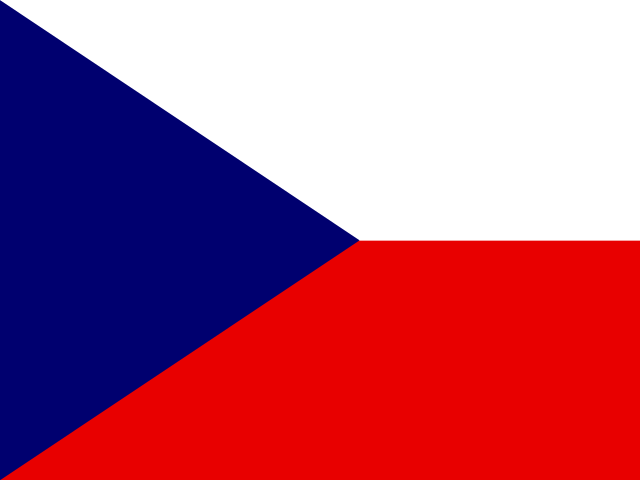
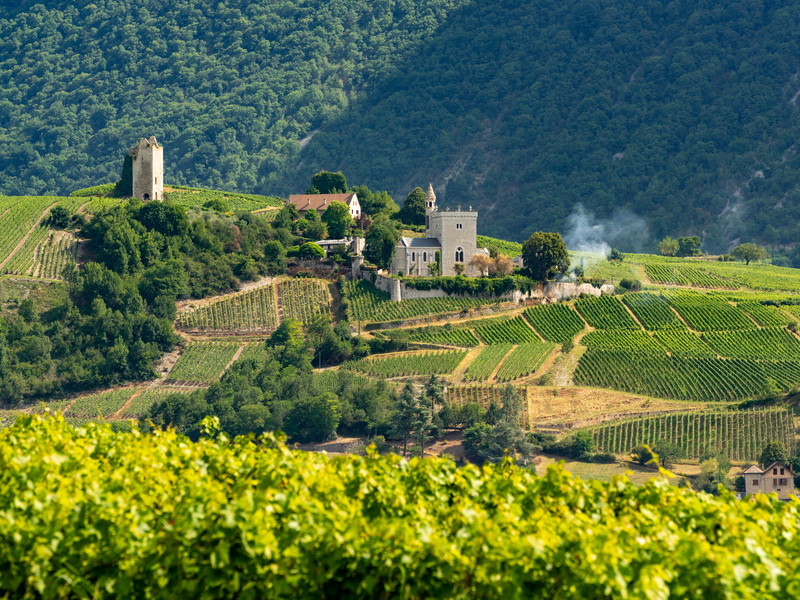
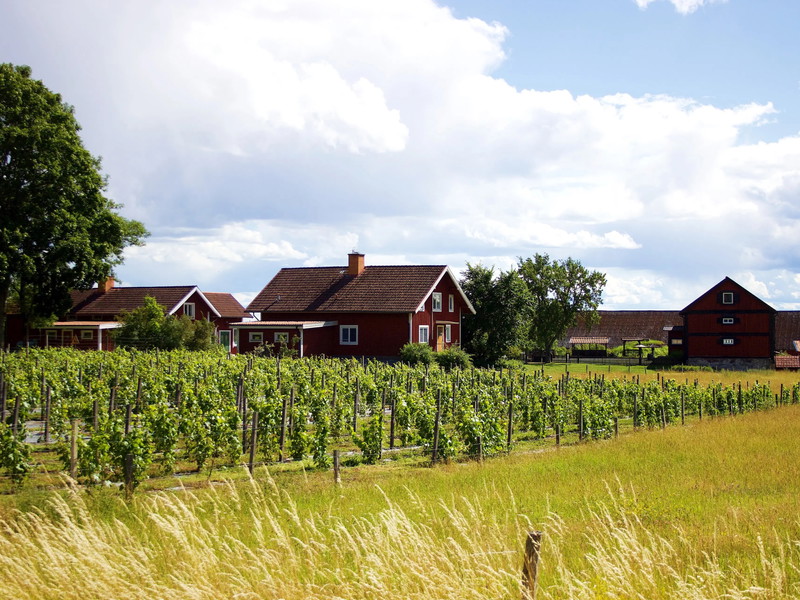
Viticulture in the Czech Republic can be traced back to the time of the Celts. When Emperor Probus invaded Lower Austria with his legions in the 3rd century AD and established viticulture there, he also roamed Moravia and soldiers from Vienna planted the first vineyards here. With increasing Christianization, the vineyard areas expanded, and monasteries and abbeys took care of the production of wine. Emperor Charles IV. even issued a ban on the import of wines from abroad to protect local wines. Viticulture in the Czech Republic experienced its first great heyday between the 14th and 16th centuries, until the beginning of the “Little Ice Age” and phylloxera brought viticulture to a standstill at the end of the 19th century. Even back then, the southern regions of Moravia and Bohemia were the centers of viticulture. At the end of the 19th century, numerous wine-growing schools were founded, of which what remains today is the Valtice Wine-growing School and a course dedicated to viticulture at the Mendel University in Lednice. Nevertheless, the vineyard area declined massively at the beginning of the 20th century. When what was then Czechoslovakia was separated in 1993, almost 2/3 of the vineyards fell to the newly founded Slovakia. Today, around 18,500 hectares of vineyards in the Czech Republic are cultivated by just over 20,000 winegrowers, which also indicates that in most cases these are probably small-scale winegrowers. The wine-growing country of the Czech Republic consists of 2 well-known regions, on the one hand the wine-growing region of Bohemia in the southwest and the Moravia region further east. Both regions border Austria in the south and even the Lower Austrian wine-growing region Weinviertel. The soils in Bohemia are diverse and consist of marl or basalt. The climate is rather dry and continental, protected by Atlantic wine rivers. Moravia, on the other hand, is a little cooler and rainier; the soil here consists of gravel or loess, for example. In both regions another very diverse range of grape varieties, which partly reflects Austrian influences. Dominant for both regions are the Grüner Veltliner, the Rheinriesling, the Welschriesling and the Müller-Thurgau, supplemented in Moravia by Traminer and Sauvignon Blanc. St. Laurent dominates among the red wine varieties. Blaufränkisch, Pinot Noir, Zweigelt and Blauer Portugieser. However, local, autochthonous varieties are also grown to a lesser extent. Czech cuisine is heavily influenced by Bohemia, with dumplings in many variations taking center stage. “Vepro-knedlo-zélo”, braised pork with Bread dumplings and red cabbage, seasoned with caraway, marjoram, coriander and garlic. Also popular and typical are goulash, which originally comes from Hungary, roast duck, with dumplings of course, and garlic soup. Of course, the famous Prague ham must also be mentioned. Fish only plays a minor role, but carp is often used on holidays such as Christmas.