Kulinarik in Caorle: Es tut sich was in Klein-Venedig
Die besten Adressen am beliebten Ferienort an der Mündung der Livenza.
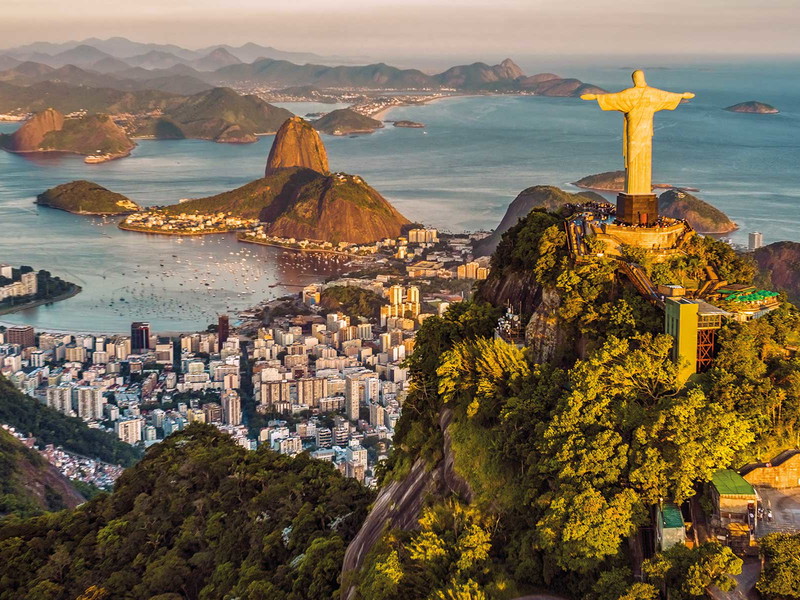
Rio de Janeiro reinvents itself. Huge investments were made for the World Cup two years ago and the Olympic Games in August. Rio is also becoming an exciting culinary trend metropolis.
In São Paulo, people work and eat, while in Rio de Janeiro they prefer to go to the beach and drink - this cliché had its justification until recently. In Rio de Janeiro, good food meant steak or lobster served in expensive hotel restaurants. In São Paulo, they were already further ahead. With his restaurant "D.O.M." and a modern interpretation of Brazilian cuisine, Alex Atala has also caused a stir internationally.
Restaurants like Helena Rizzo's "Maní," Alberto Landgraf's "Epice," or Rodrigo Oliveira's "Mocotó" conquered a young, curious public in Atala's slipstream, eager to learn more about their own culinary identity. After a few years' delay, this trend towards a self-confident Brazilian top gastronomy has now also taken root in Rio de Janeiro.
"A vibrant restaurant scene doesn't happen overnight. On the one hand, we need producers to provide us with good food. On the other hand, we have to find employees who can also implement a sophisticated cuisine. And then, of course, we also need guests who appreciate this effort," says Rafael Costa e Silva, who three years ago opened Lasai, currently the most exciting restaurant in Rio de Janeiro. Like five other restaurants in the city, it is currently awarded a Michelin star.
Costa e Silva cooked in some of the best restaurants in Europe - as did many of his colleagues - before deciding to return to his homeland to open his own restaurant. "Just ten years ago, it was unthinkable here for a chef to become a restaurateur himself. Our profession was seen as a kind of unskilled labor and paid similarly," Costa e Silva recalls.
Although Brazil actually has a huge treasure trove of natural resources, the cuisine - apart from a few regional specialties like the Bahian fish soup moqueca - was quite monotonous. There were quite decent churrascarias, but a typical Brazilian cuisine could never develop.
The best restaurants in Rio de Janeiro were located in luxury hotels and were French or Italian inspired. The more imported luxury products were used, the better the reputation of the restaurant.
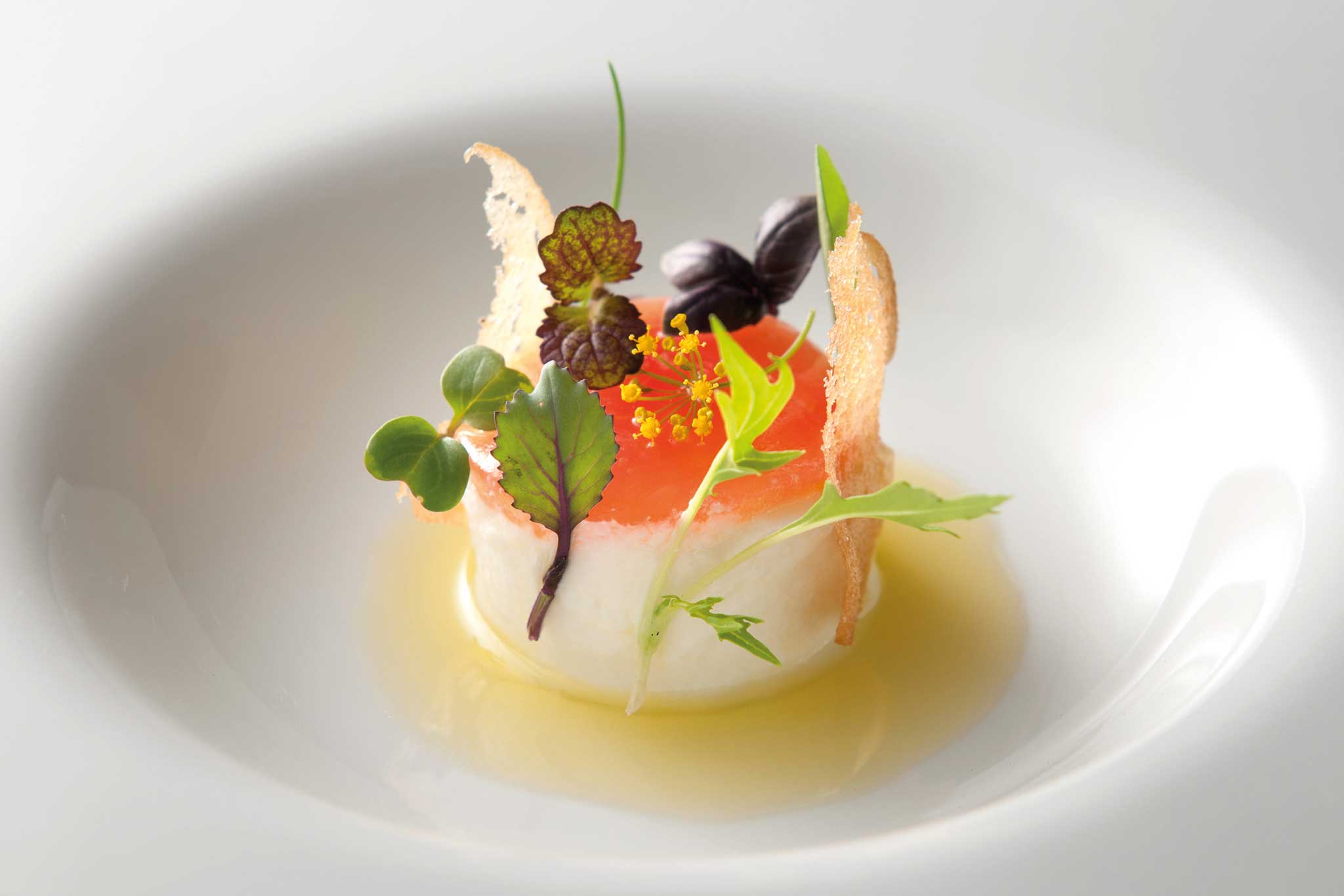
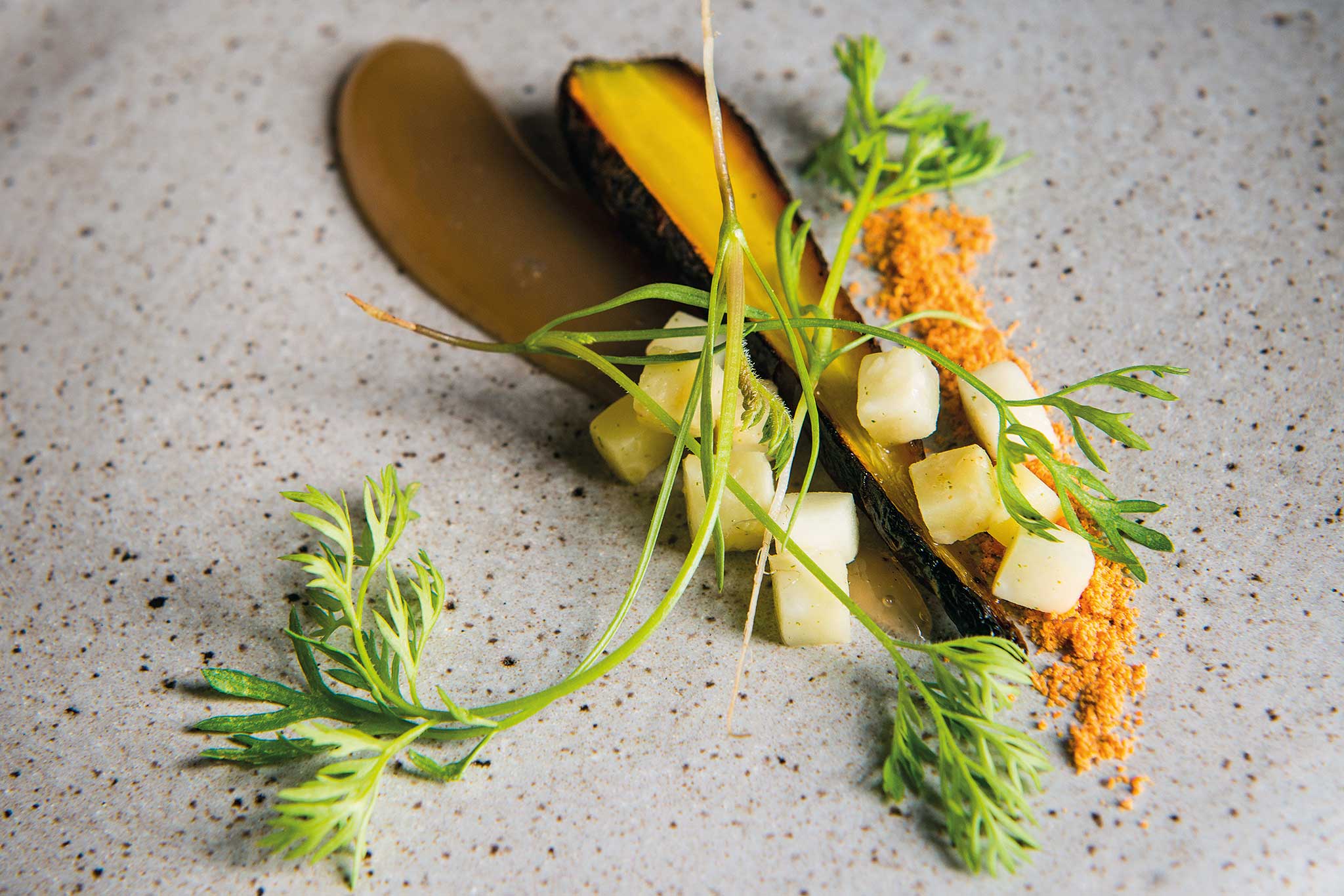
"With Andoni Aduriz at Mugaritz, I learned how important it is to develop your own signature based on regional products," says Costa e Silva, who made it to sous chef at the legendary two-star Basque restaurant. In parallel with the planning of his restaurant "Lasai," the chef planted a large garden where a good portion of the vegetables he uses thrive. The rest he gets from contract farmers who work without chemicals according to organic principles. And so the cuisine at "Lasai" is also very vegetable-heavy, original and yet at the same time... uniquely Brazilian.
Pedro Siqueira follows a similar philosophy in his "Puro" restaurant, which opened last year. Although Siqueira refrains from offering his guests exclusively tasting menus - at "Puro" you can also casually snack on just a few starters - the signature of a chef who knows what he is doing is clearly recognizable.
Just a few meters away is the restaurant of Roberta Sudbrack, who has been celebrated for some time as the best female chef in Latin America in the list of the "World's 50 Best Restaurants". She used to cook at the Brazilian presidential palace, acquiring a broad knowledge of different regional cuisines. Today, she is considered a figurehead of modern Brazilian cuisine, in which many of the old classics are interpreted in a completely new way.
Not only on the plate, but also in the glasses, a real revolution has taken place in Brazil. All too often in the past, the beer was stale, the local wine thin, and the cachaça so spicy that no matter how much sugar was added to the caipirinha, it could only be tamed to a limited extent. In the cool south of the country, winemakers are increasingly pressing appealing red wines - Merlot and Pinot Noir in particular are doing well - and refreshing sparkling wines. The white wines usually lack a bit of race, but there are now one or two usable natural wines.
"We would like to work even more with local winemakers, but of course the quality has to be right. Overall, however, our wine scene is on the upswing," says "Puro" chef Siqueira. The Brazilian beer landscape is not merely on the upswing, but in a veritable vertical takeoff. In São Paulo and Rio de Janeiro, the craft beer scene has been booming for the past two or three years. On the one hand, it is oriented toward international styles - IPA, porter, sour beer - but on the other, it also produces fun fruit beers with açaí, cashew, or mango.
Bars such as the Escondido in Copacabana and the Aconchego Carioca also serve excellent international beers from microbreweries in the USA and Scandinavia. Even in the elegant Asian restaurant "Mee" in the "Belmond Copacabana Palace," Brazilian beer is increasingly being served alongside wine and sake.
"Drinking wine is not really a tradition in Brazil, so in addition to our extensive sake menu, we offer select Brazilian craft beers," reports Rejane Kawano, who serves as sake sommelier at the Michelin-starred restaurant Mee.
Mediterranean influences skillfully complemented with star-level Brazilian flavors can be found at "Eleven Rio," which is run by German Joachim Koerper. The "Eleven Rio" is an offshoot of the "Eleven" restaurant in Lisbon. Other luxury restaurants with an international pedigree include "Le Pré Catelan" and "Olympe" by Claude Troisgros.
The absolute trendsetter for modern Asian cuisine was and is "Sushi Leblon," which has been one of Rio de Janeiro's absolute hotspots since it opened ten years ago. Here it was shown for the first time that there is indeed a market for sophisticated cuisine in a relaxed setting.
Recently, there are even fancy and really good vegetarian restaurants. The best is called "Naturalie Bistrô", is located in the trendy Botafogo district and is run by the charming Nathalie Passos. She is the girlfriend of Alberto Landgraf, who until recently ran the "Epice" (1 star) in São Paulo, but closed it down in order to open a new restaurant in Rio de Janeiro. It's not just love that prompted him to take this step: "Rio de Janeiro has become a culinary hotspot," says Landgraf, "I definitely want to be part of this development."
Rio de Janeiro was the capital of Brazil until the creation of Brasilia in 1960. With more than six million inhabitants (with suburbs over twelve million), Rio is a modern metropolis with all the associated advantages and disadvantages. Tourists rarely stray into the actual city center, and the historic center and its neighboring districts of Catete and Glória are not necessarily highly rated by foreign visitors, which is a shame.
The artists' quarter of Santa Teresa, with its winding alleys and low houses, is celebrating a real revival. Just below is the Lapa nightlife district, popular especially with young people. Botafogo is also very much in vogue, with the most exciting local openings currently taking place there.
The most famous part of the city is Copacabana, which is separated from Ipanema by a rocky cape (Arpoador). Southwest of the lagoon, the beach section is then called Leblon, this part is considered the most expensive real estate in South America. Even further southwest are São Conrado and Barra da Tijuca, where multi-story apartment buildings, hotels and huge shopping centers have been built in recent years. Newly rich Brazilians love this clean area, but it lacks the typical flair.
From Falstaff Magazine No. 05/2016