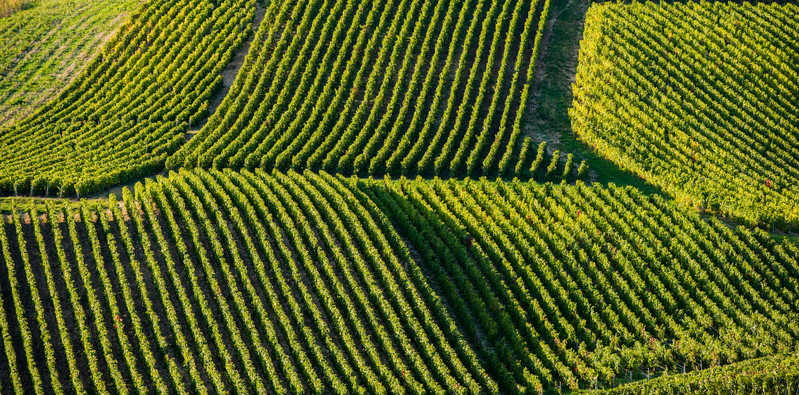
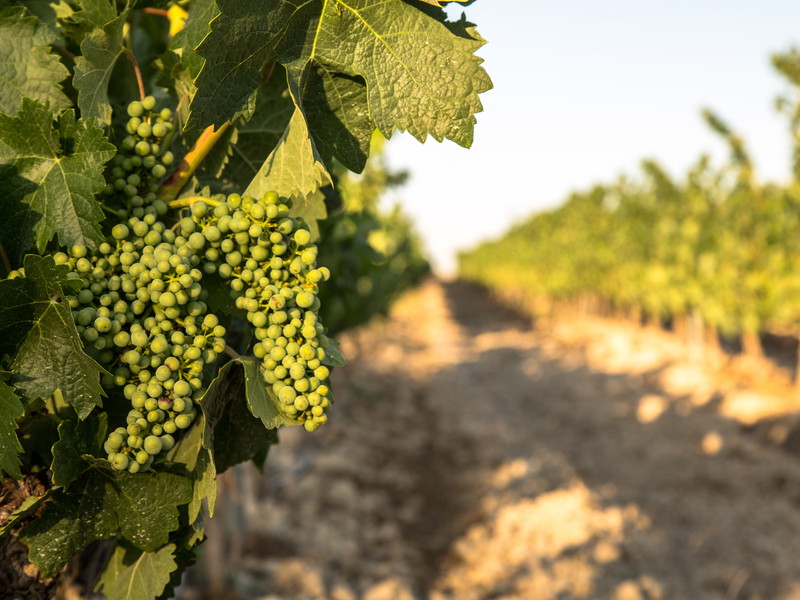
Although the unique name suggests clarity, the origin of the Rosenmuskateller or Moscato Rosa, as it is called in its heartland of Italy, is obscure. It was first mentioned at the end of the 19th century, although it is believed that its name derives from its distinctive scent of fresh roses rather than its dark rose color. For a long time it was assumed that the origin was a natural crossing of Yellow Muscat with an unknown variety. However, since three different forms of rose muscatel are grown in northern Italy, it remains questionable which one was specifically examined. Its main growing area today is undoubtedly Trentino, where it is almost exclusively made into noble sweet wines, which are again in great demand as a major specialty. The rose muscatel is difficult and demanding to grow, produces quite low and incalculable yields and is also very sensitive, especially when it comes to black and sour rot. The yield difficulties are increased by the fact that the vine flowers are female and must be pollinated. Outside Italy, there are only a few winemakers in Germany and Austria who take on this variety.
This grape variety is also known by the name of:
Krajinska Tamjanika Crna, Isonzo, Moscato Rosato, Moscato Rosa Di Madera, Muskat Ruza, Muscadel Of Roses Black, Muscat Des Roses Noir, Moscato Rosa, Muscat Rose, Muskat Crveni, Muskat Ruza Omiski, Moscato Delle Rose Nero, Muskat Ruza Porecki, Moscata Rossa, Rosenmuskateller Blauer, Uva Rosa, Rosen Muskateller, Tamjanika Crna