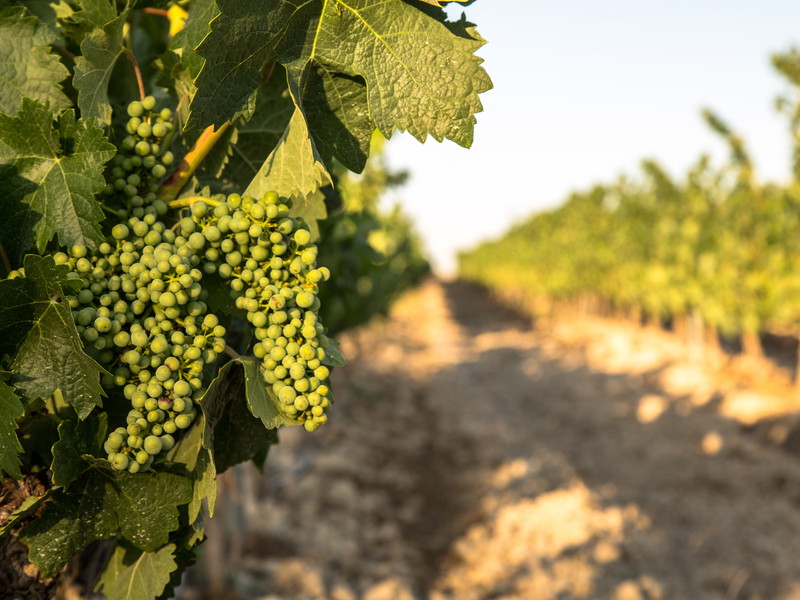
Vernaccia di San Gimignano is a synonym for the Canaiolo Bianco grape variety. To avoid possible misunderstandings, Vernaccia di San Gimignano has absolutely nothing in common with similar-sounding grape varieties such as Vernatsch in South Tyrol. Rather, it is a long-established, independent grape variety in Tuscany that was first mentioned in 1276 in a tax document in the San Gimignano archives. There are also speculations that Vernaccia immigrated to Tuscany via Liguria. In the Middle Ages and the Renaissance, the variety was made into a sweet or sweet wine, at least that's what the cellar master of Pope Paul III mentioned. in the 16th century. The Vernaccia is vigorous, very productive and ripens late rather than early. Nothing is known about very special or specific susceptibilities to illness. Vernaccia has its own DOC dedicated to Vernaccia di San Gimignano, where it covers around 800 hectares. As a rule, today these are clean, fresh and quite moderately fruity, dry wines, but to a limited extent the sweet variant “Vin Santo” is also produced from dried grapes. Plantings outside of Tuscany or even Italy are not known.
This grape variety is also known by the name of:
Alba canina, Caciunella, Canajolo, Canajolo Bianco, Caccinella, Caccione, Colombano, Canajola, Drupeggio, Dumpeccio, Canaiolo Bianco, Drupeccio, Lupeccio, Primaticcio Bianco, Trupeccio, Tulopeccio, Uva Vecchia