Last stop: Altaussee
To this day, the Salzkammergut captivates visitors with its unspoiled nature, literary heritage, and rare delights such as the famous char. Once you arrive, you’ll never want to leave.
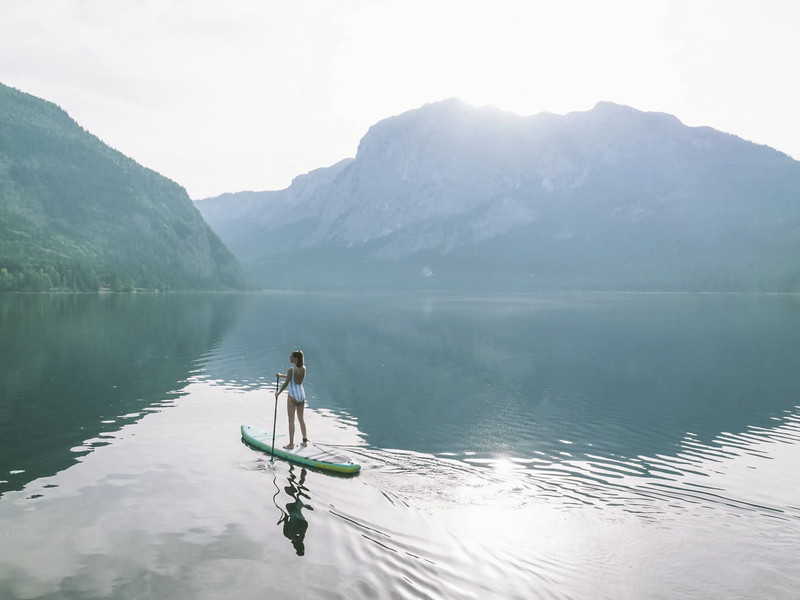
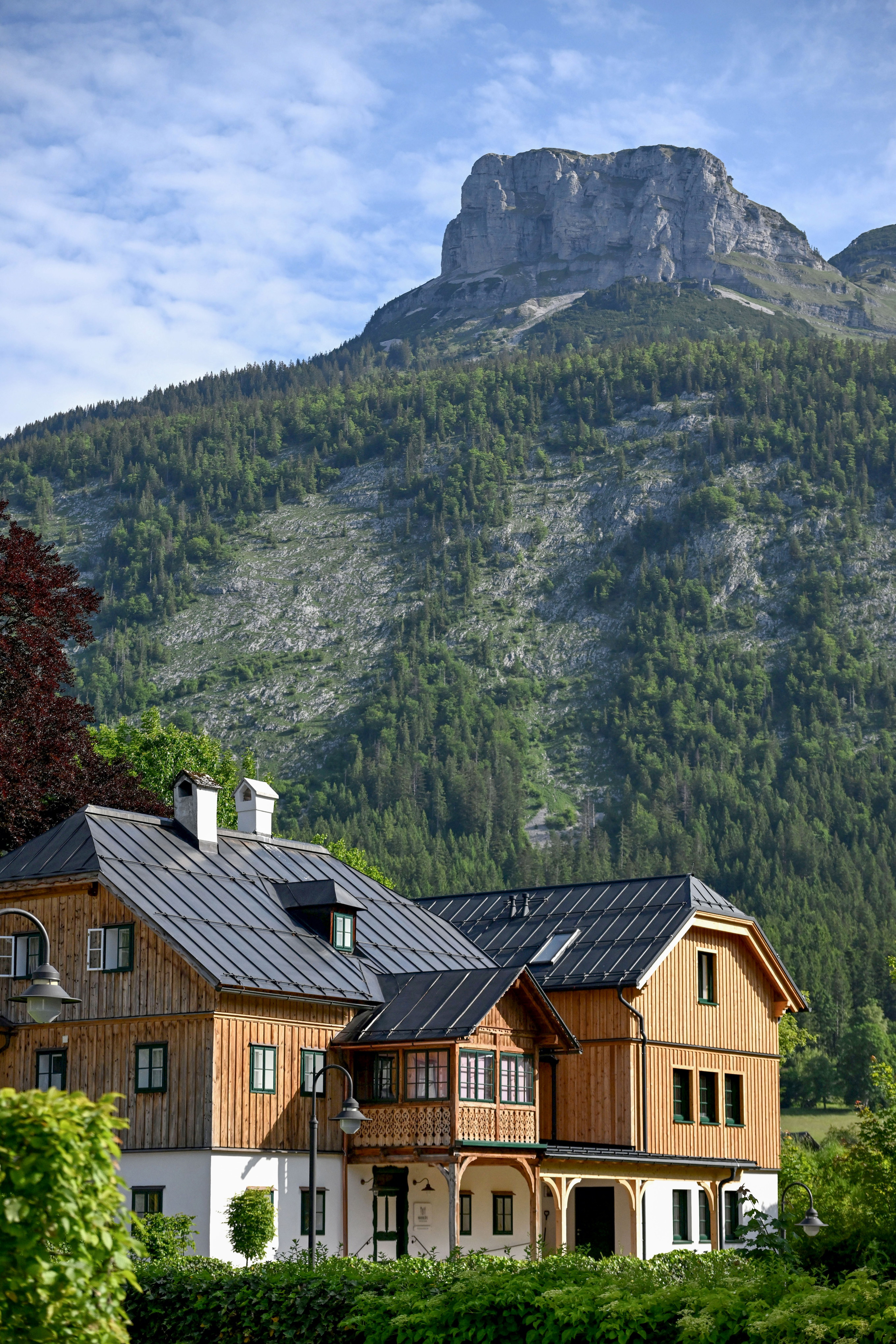
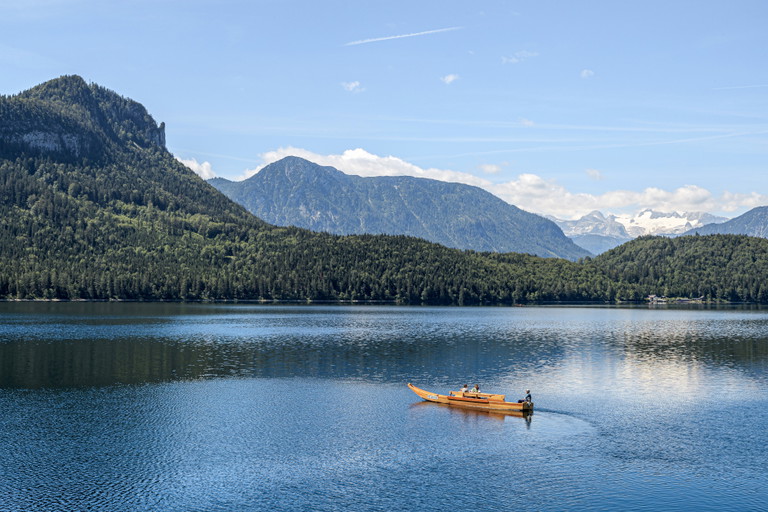
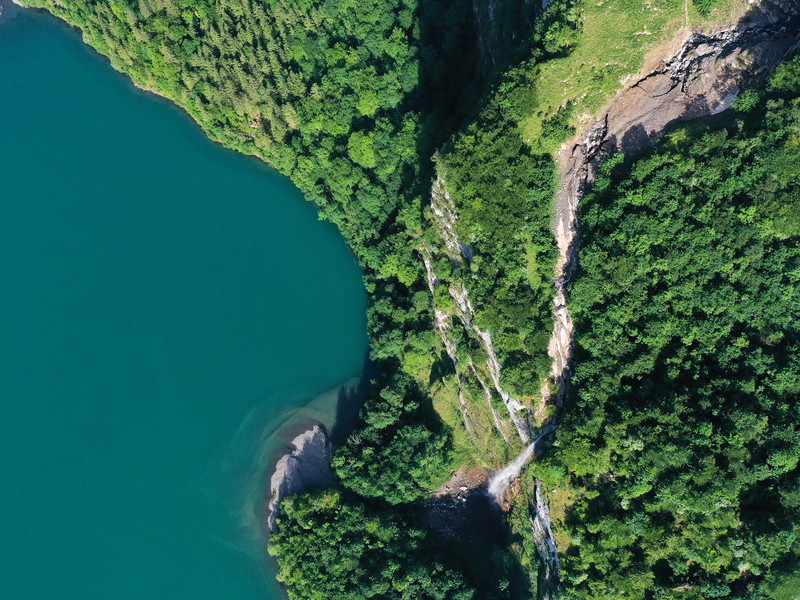
Cul-de-sacs don’t have the best reputation—they’re seen as symbols of stagnation, of being stuck. And yet there are exceptions: some lead to places where you’d want to stay forever. Lake Altaussee is one such cul-de-sac. Friedrich Torberg once called it “the most beautiful dead end in the world”—and anyone who’s been there immediately understands why: to the left, the Loser mountain rises like a praying sphinx; straight ahead looms the rocky Trisselwand; and to the right stands the densely forested Tressenstein.
Torberg was just one of many writers and artists who visited the lake in the Austrian Salzkammergut: Richard Strauss was inspired by the surrounding mountain landscape for his Alpine Symphony, Hugo von Hofmannsthal wrote large parts of his Jedermann here. In a letter to a friend, he wrote about this place: "This is how I sit on my forest bench, with the summer sky shining in between the trees - and I am, I must confess to myself, where I like to be myself most of all places!"
To this day, only a narrow footpath circles the lake, which on sunny days sparkles like a blue gemstone. “We people of Altaussee realized early on: if we built a road around the lake, the lake would be ruined,” says Monika Gaiswinkler. She’s one of those true Altaussee locals—born and raised by the lake, still captivated by it at over 70. She calls it “a jewel.”
As if fallen out of time
Altaussee is one of the most renowned destinations of the historic summer retreat tradition. “City folks enjoyed our clean air and the cool nights,” recalls Monika Gaiswinkler. “Summer was fresh, and that was a luxury.” Cool summer air—today more precious than ever. At Lake Altaussee, summers are still just as they were back then: warm enough to tempt you into the cold water, clear all the way to its deep bottom. The lake is fed only by underground springs. Its outstanding water quality not only makes for a refreshing swim but also for excellent fish, which—by a medieval decree—may be caught from the lake by only eleven local families.
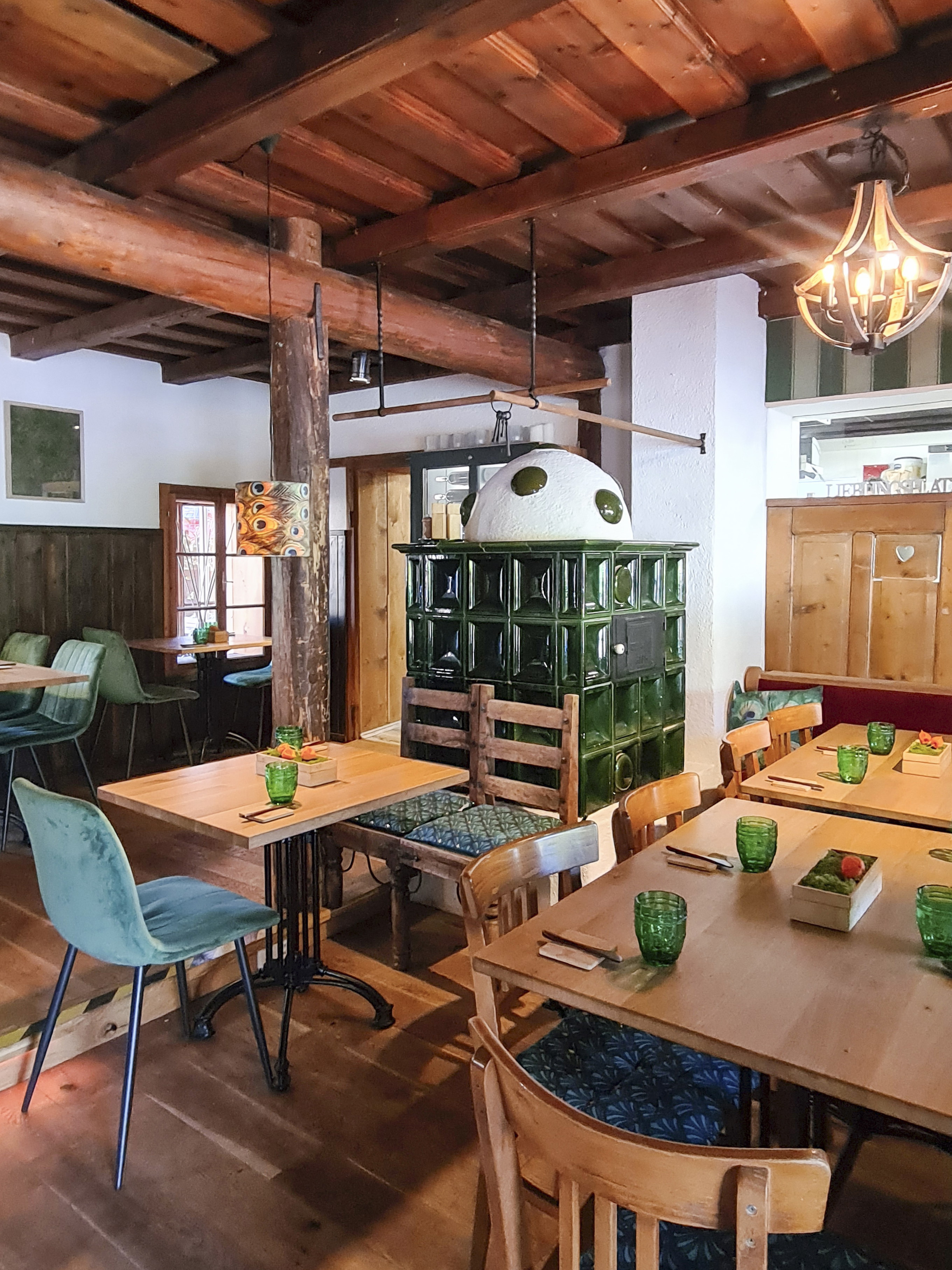
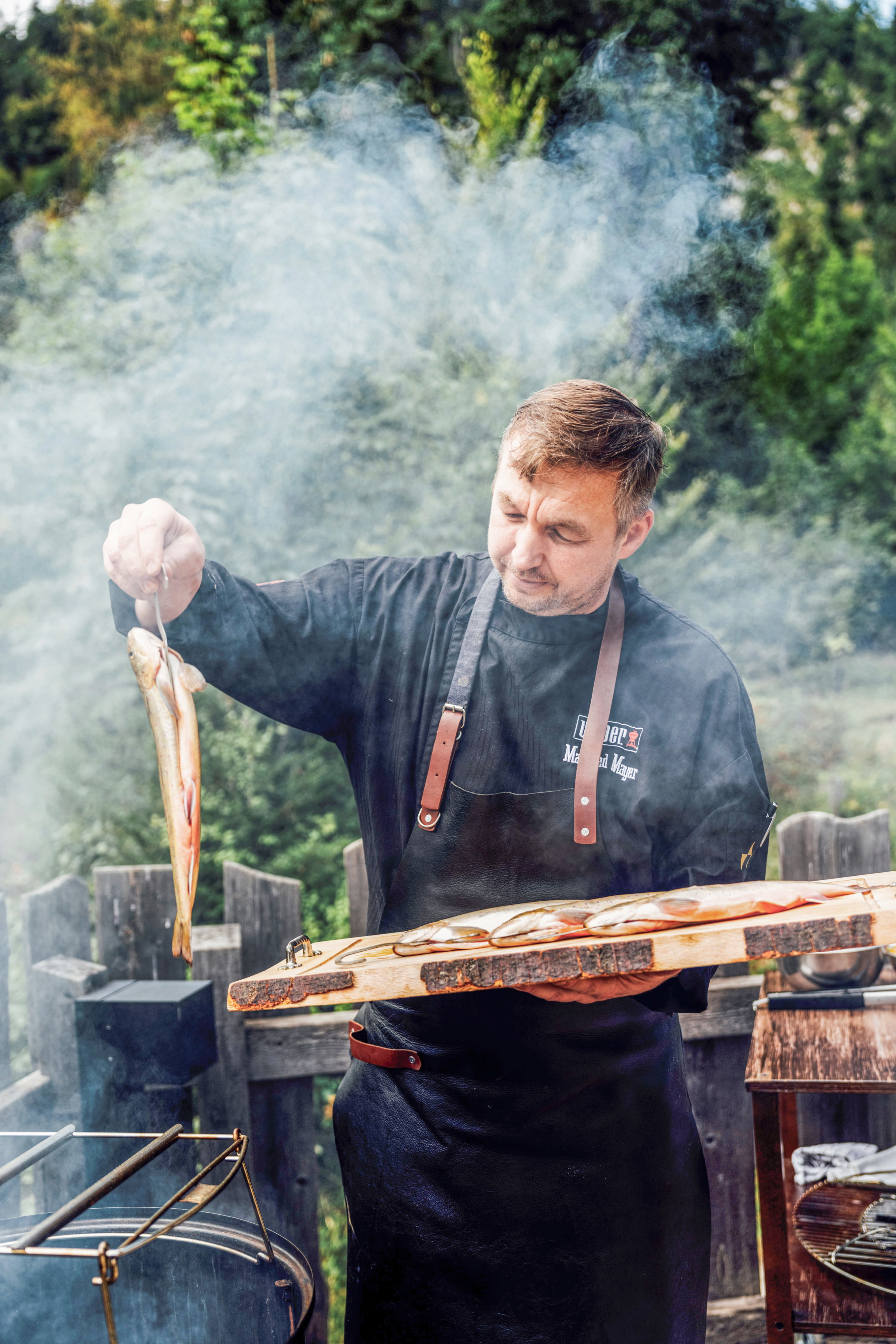
"Our char were already an export hit back then," says Monika Gaiswinkler. They still are today, but they're so rare that they are only available in a few restaurants on the lake, and of course only during the season, which lasts a few months. Marianne Seitz, who runs a small guesthouse in the village, is one of the chosen ones: When she gets the longed-for call - "Do you need fish?" - she goes down to the lakeshore with a plastic bucket to pick up the freshly caught specimens, which have been butchered with a stick just a few minutes earlier. The meal afterwards is all the more reverent (and very enjoyable): pan-fried, with crispy skin, served with creamy boiled potatoes. The kind of pub fare you rarely get these days.
"Longing for Altaussee"
The lake is like a time capsule, especially once you have left the small village of Altaussee behind and there's only a narrow path and small wooden huts along the way where you can fortify yourself with richly stocked snack platters and homemade strudel.
Do I want to go to the lake today, to the hermitage?
Do I want to go to the Blaa-Alm?
A snack at the fisherman's,
Will it be a trip to the Wasnerin?
- Friedrich Torberg (1942)
Friedrich Torberg wrote "Sehnsucht nach Altaussee" in 1942, driven into exile in America by the political situation. And many people know this longing - once you've been there, the lake never lets you go. The celebrities still come today: "We know the people and we greet them when they walk around the lake," says Monika Gaiswinkler. "But we leave them in peace. We've never had a sideways glance society."
Longing, summer retreats and superstars
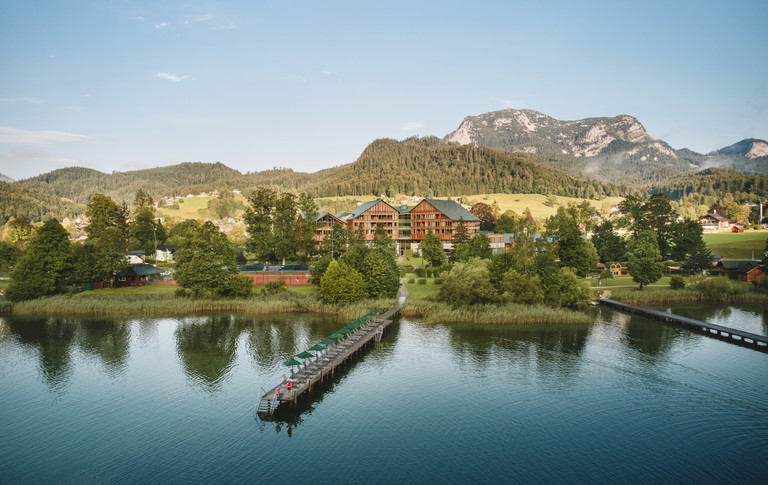
Not even James Bond, who visited Altaussee in 2015 to hunt down villains, has been able to detract from the dead-end charm of the lake - and neither have celebrities like Kate Moss, who come to the Mayrlife Resort to recover from the hustle and bustle of the world and recharge their batteries with the lake's special energy. The Health and Wellness Resort has been voted the best medical spa in the world several times. Modern tourism has also arrived here on the lake, but it blends quietly and modestly into the imposing mountain landscape and the life of the local population.
In summer, the famous Narcissus Festival is celebrated here, along with readings at the local literature museum, which reopened last year after extensive renovation. The artistic heritage can still be felt all around the lake; on guided tours and hiking trails, visitors learn about the renowned residents who once lived in the villas overlooking the water. To this day, nearly all houses are built in the traditional style: simple wooden structures modeled after humble farmhouses. Only the verandas are elaborately decorated with ornaments. “Typical for Altaussee,” says Monika Gaiswinkler. “Back then it wasn’t fashionable to be tanned”—so society ladies would relax on the verandas, enjoying the cool, shady summer air, often for the entire season. “No one would have come for just 14 days,” she adds with a laugh, and you can’t help but feel a little wistful: by today’s vacation standards, 14 days would be half an eternity!
Altaussee facts
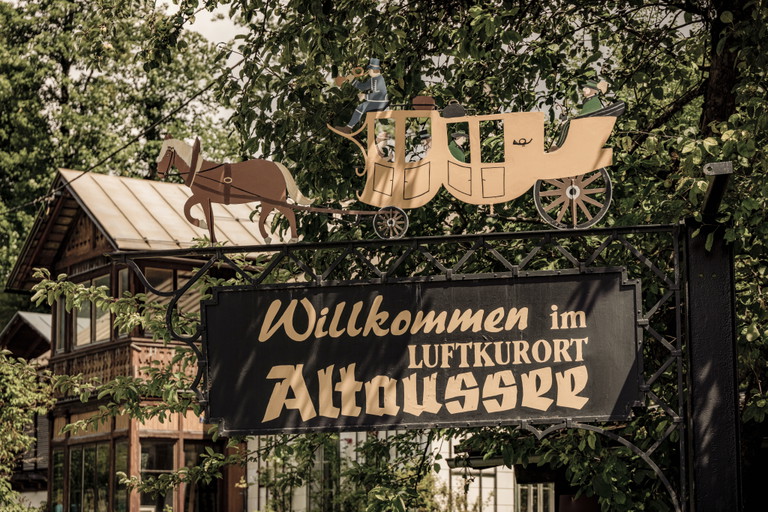
Lake Altaussee is picturesquely nestled in the Styrian Salzkammergut - only about an hour from Salzburg and two hours from Graz. The nature around the deep blue lake, whose water is considered one of the clearest in Austria, is largely untouched. From the middle of the 19th century, writers and artists sought refuge here from the heat of the big city: Hugo von Hofmannsthal, Jakob Wassermann, Marta Karlweis and Friedrich Torberg, to name but a few. The lake has lost none of its appeal to this day: It still attracts celebrities - stars such as Kate Moss have found their temporary hideaway at the luxurious "Mayrlife Resort".
8992 Altaussee
Austria