Mallorca is changing: the best places to find peace amidst the hustle and bustle
Notorious yet underrated: the largest of the Balearic Islands also offers space for exclusive relaxation—from luxurious private hideaways to sustainable indulgence.
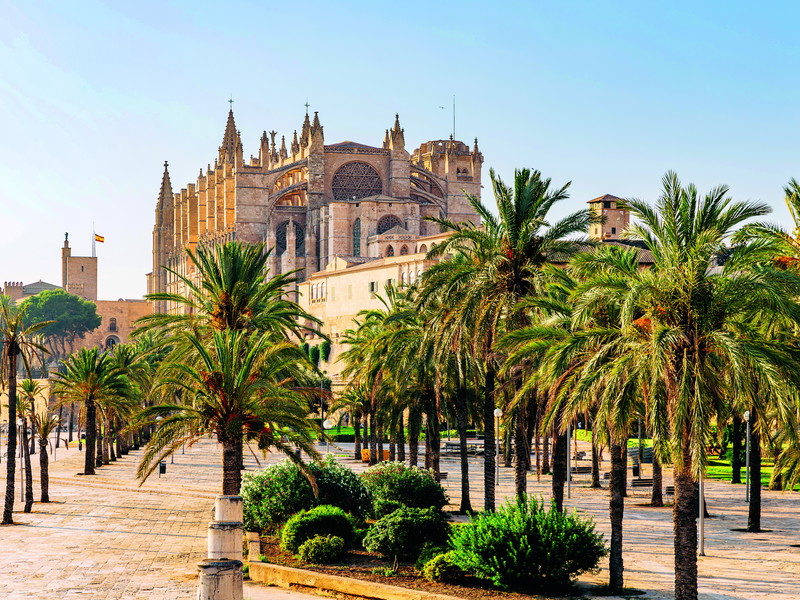
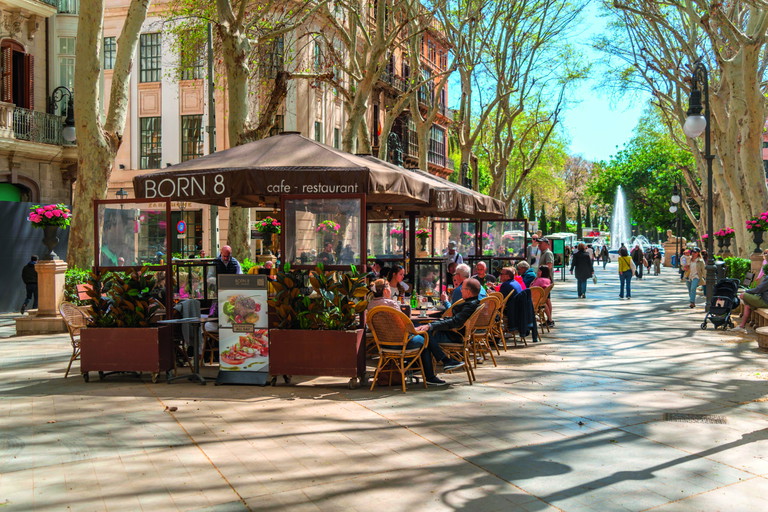
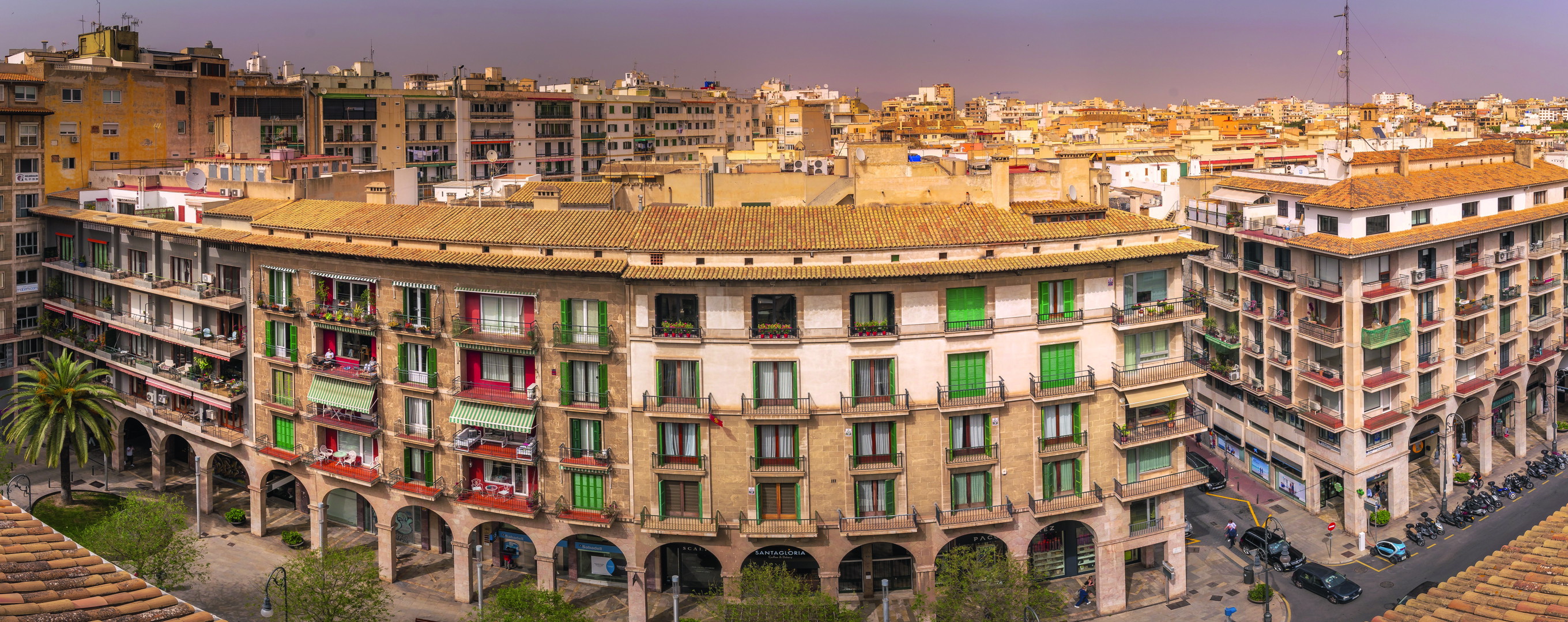
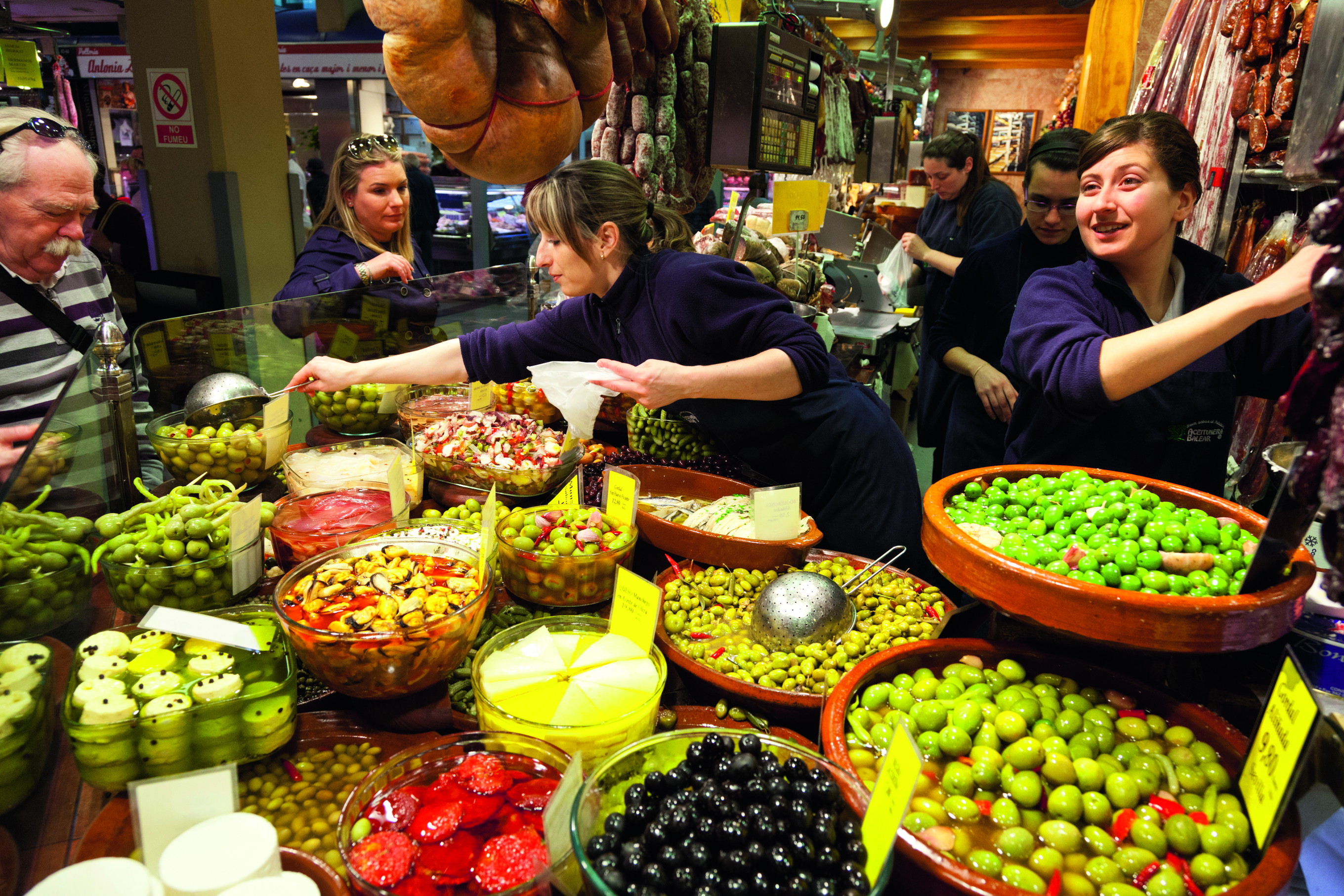
Just a few years ago, Mallorca looked at its little sister Ibiza with some envy - after all, the other Balearic island was considered the more cultured. The one with the upscale nightlife, the superstars, the good food. Mallorca waited almost too long to counter the Ballermann image. It was not until the early 2010s that the island's image began to change. For many reasons: Billions of euros are being invested in infrastructure. Modern highways and expressways are being built. The beach and harbor promenades are being extensively renovated and luxury hotels are being built all over the island. The Tramuntana mountain range becomes a World Heritage Site, as does the cuisine of the Balearic Islands, whose flavors, techniques and recipes are now recognized as part of the Intangible Cultural Heritage of Humanity. Palma is now considered one of the most attractive cultural cities in the Mediterranean, and the local chefs are the stars. For them, sustainability and regionality are at the heart of their art. The island now has ten Michelin restaurants.
CUISINE AT TOP LEVEL
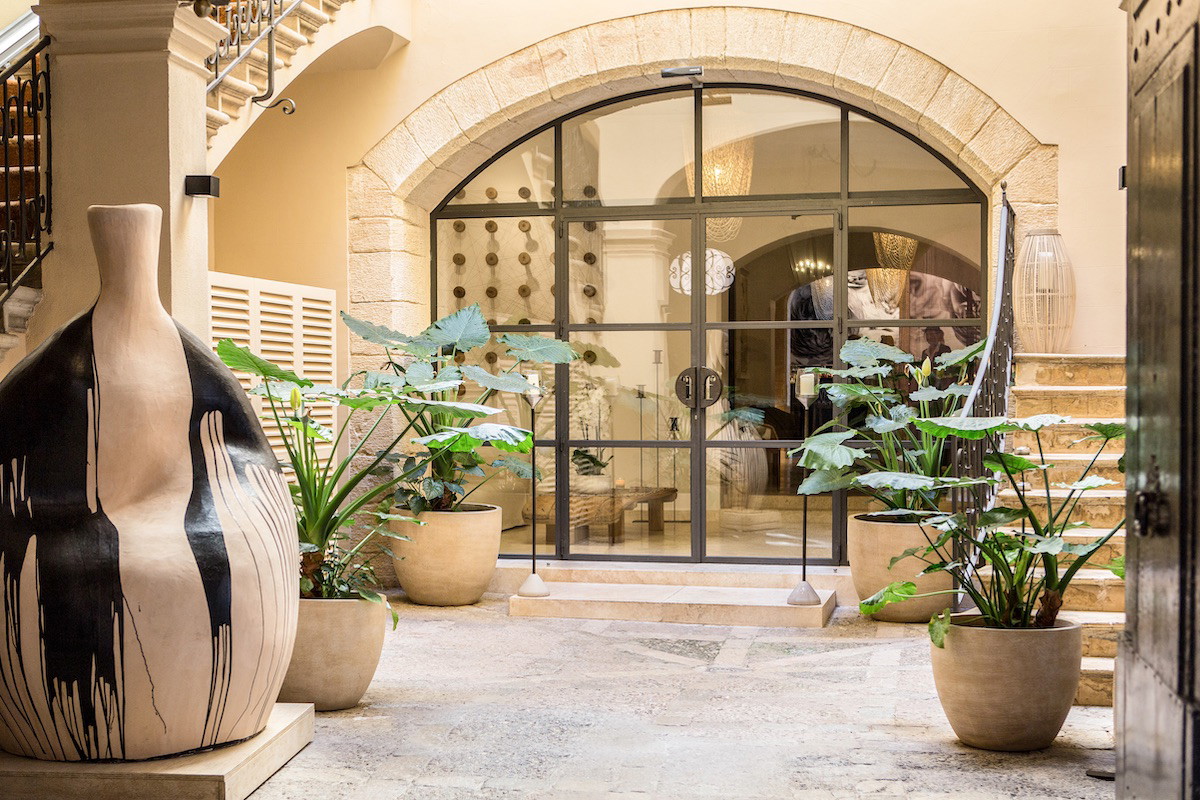
Most of the culinary minds can be found in Palma's restaurants. One of the most important is Santi Taura. The 48-year-old son of the island has revolutionized Mallorca's haute cuisine - by taking it back to its roots. His restaurant, DINS Santi Taura, is hidden away in the winding old town district of Calatrava, just a stone's throw from Palma's cathedral, on the first floor of the elegant boutique hotel El Llorenç Parc de la Mar.
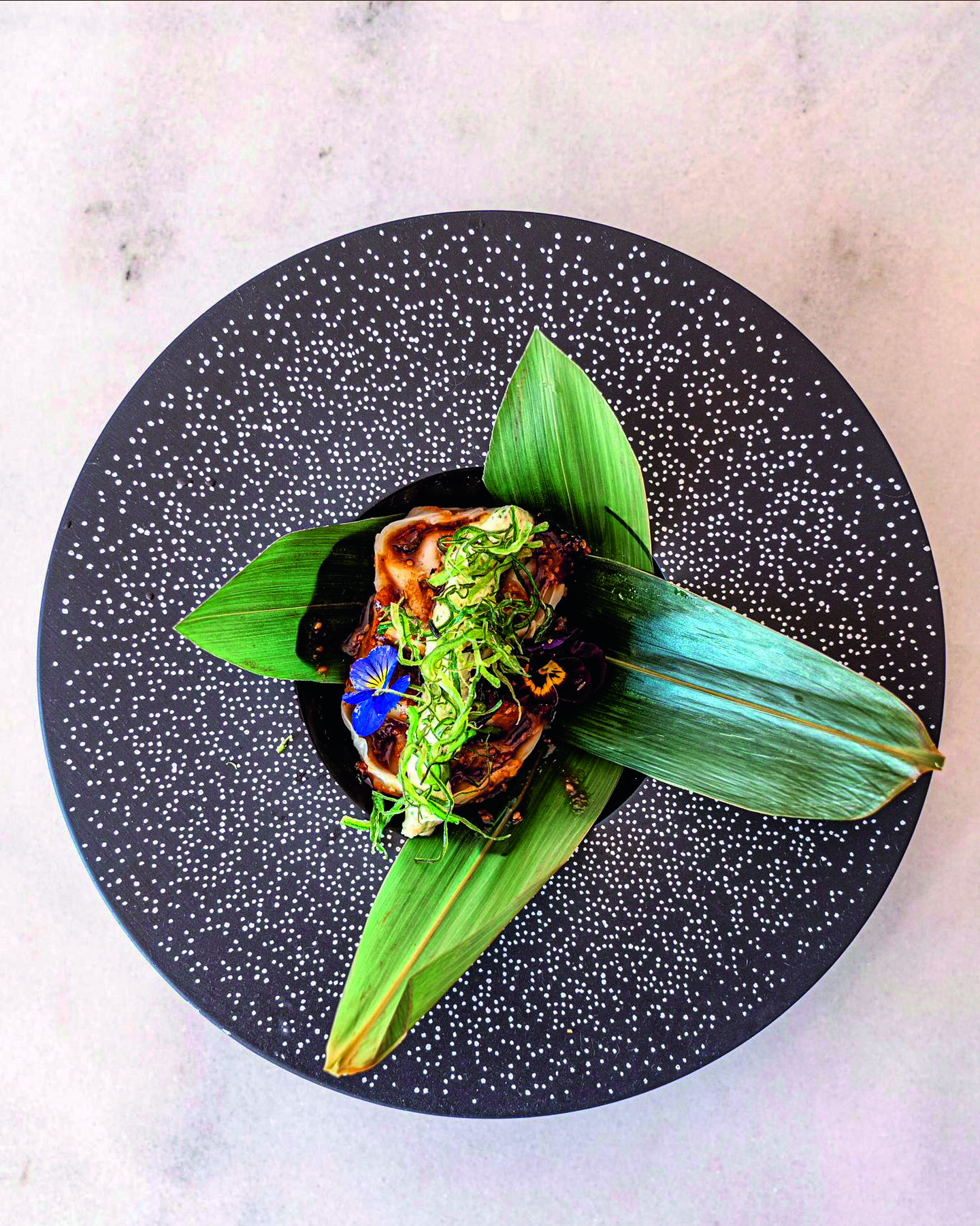
During the construction work, an old pottery kiln from the 11th century was discovered - from the era when Mallorca was under Arab rule. The oven was carefully integrated into the interior and elevated by Santi Taura to a symbol of his work: a return to the roots of Balearic cuisine. While other hotel restaurants mainly attract tourists, Taura's DINS remains firmly in the hands of locals, even in high season, and for many Mallorcans his dishes are a journey back to their own childhood. And once you have tasted his empanadas - the traditional, filled dumplings, masterfully prepared - you'll never forget them again.
The art lies in simplicity
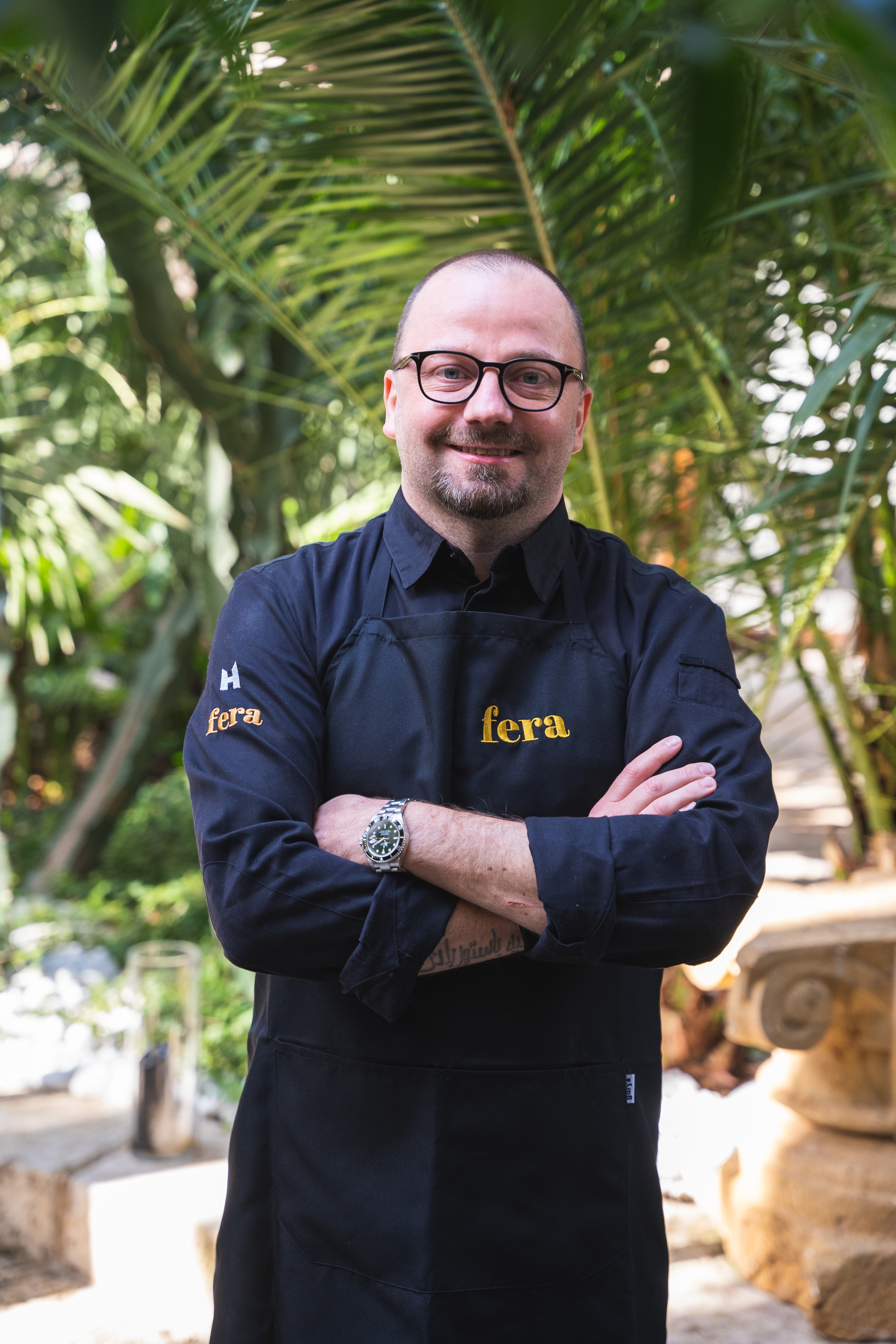
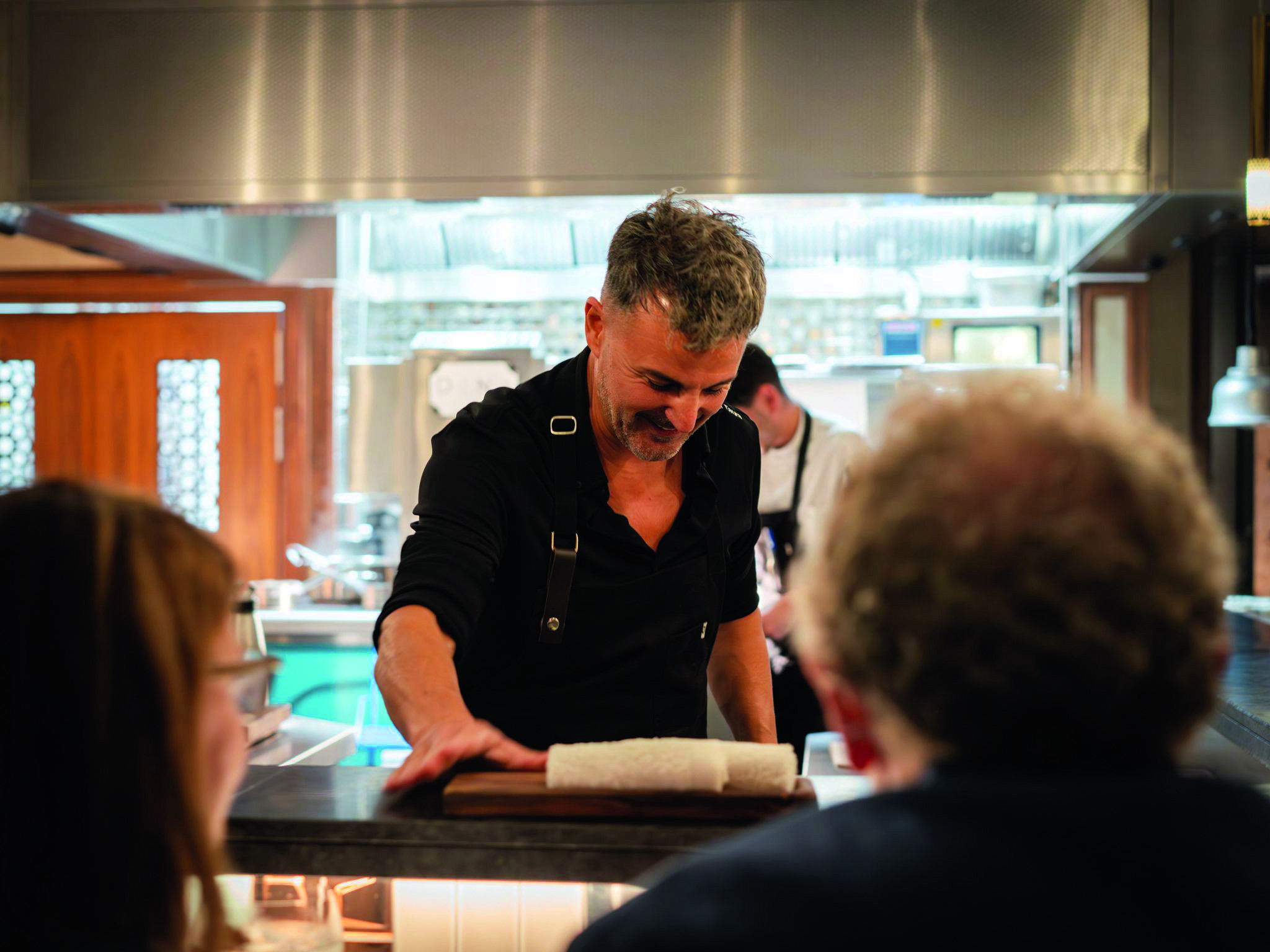
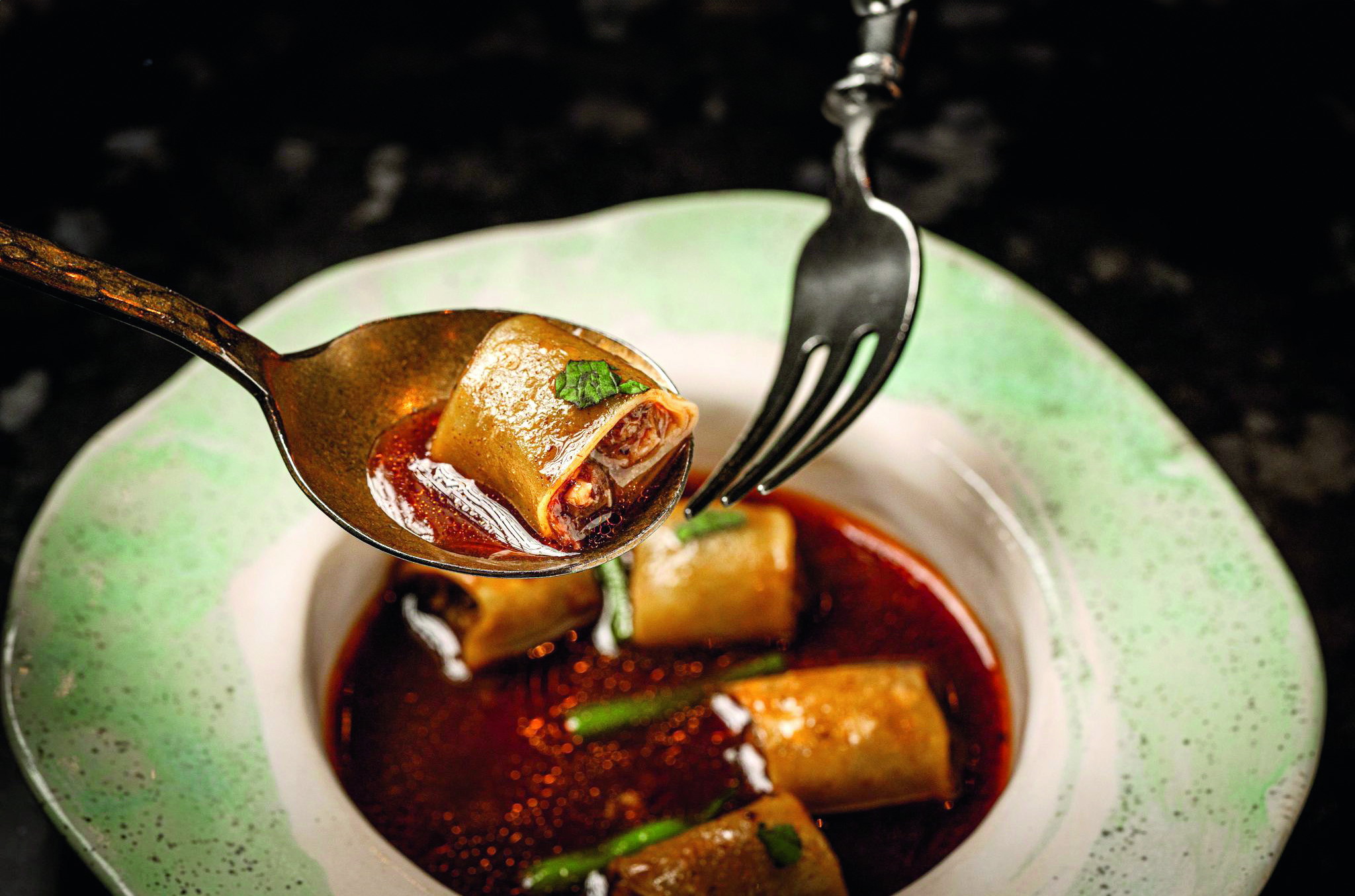
One of the most exciting newcomers in recent years is Fera restaurant in the old town of Palma - run by Carinthian chef Simon Petutschnig. It's spectacular not only because of its location in a lavishly renovated city palace, but above all because of its unusual style of cooking, which Petutschnig calls Mediterrasian. The products are all sourced from the island and the chef draws inspiration from Far Eastern food culture when preparing his dishes. One example: his seaweed canelloni filled with beef tartare - inspired by the Catalan national dish Mar y Montaña (sea and mountains). Its special feature: meat and fish are cooked together for a certain time so that the flavors combine.
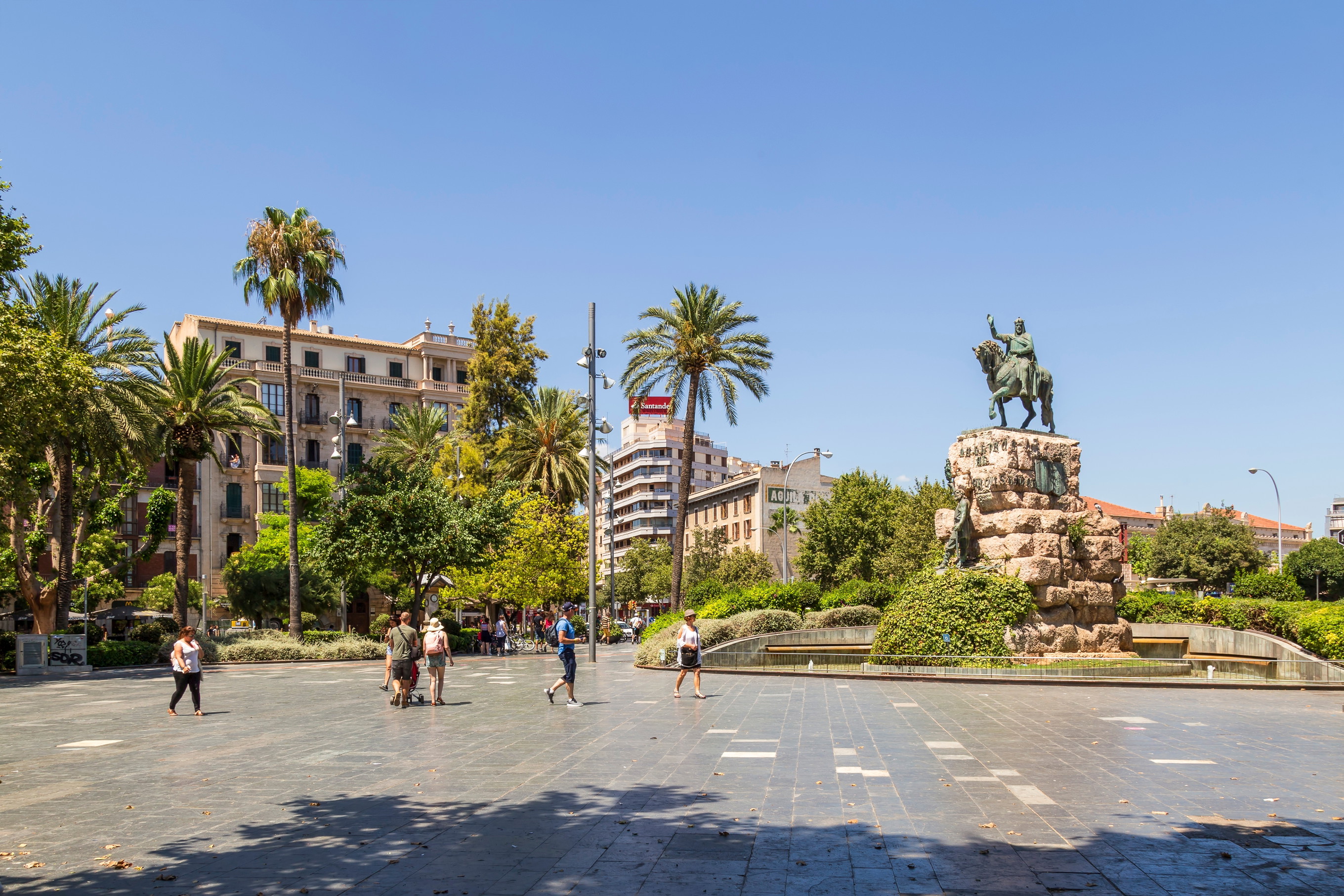
More of an insider tip than a mainstream spot, Casa Maruka is a longstanding local favorite just a few minutes' walk from Plaza de España. The interior is an eclectic mix of styles, but the food more than makes up for it: Spanish cuisine at its finest, featuring market-fresh ingredients and top-quality fish and meat. A must-try: the freshly made apple tart with vanilla ice cream. It takes about 30 minutes to prepare, so savvy guests order it at the start of the meal to enjoy it as a perfect finish.
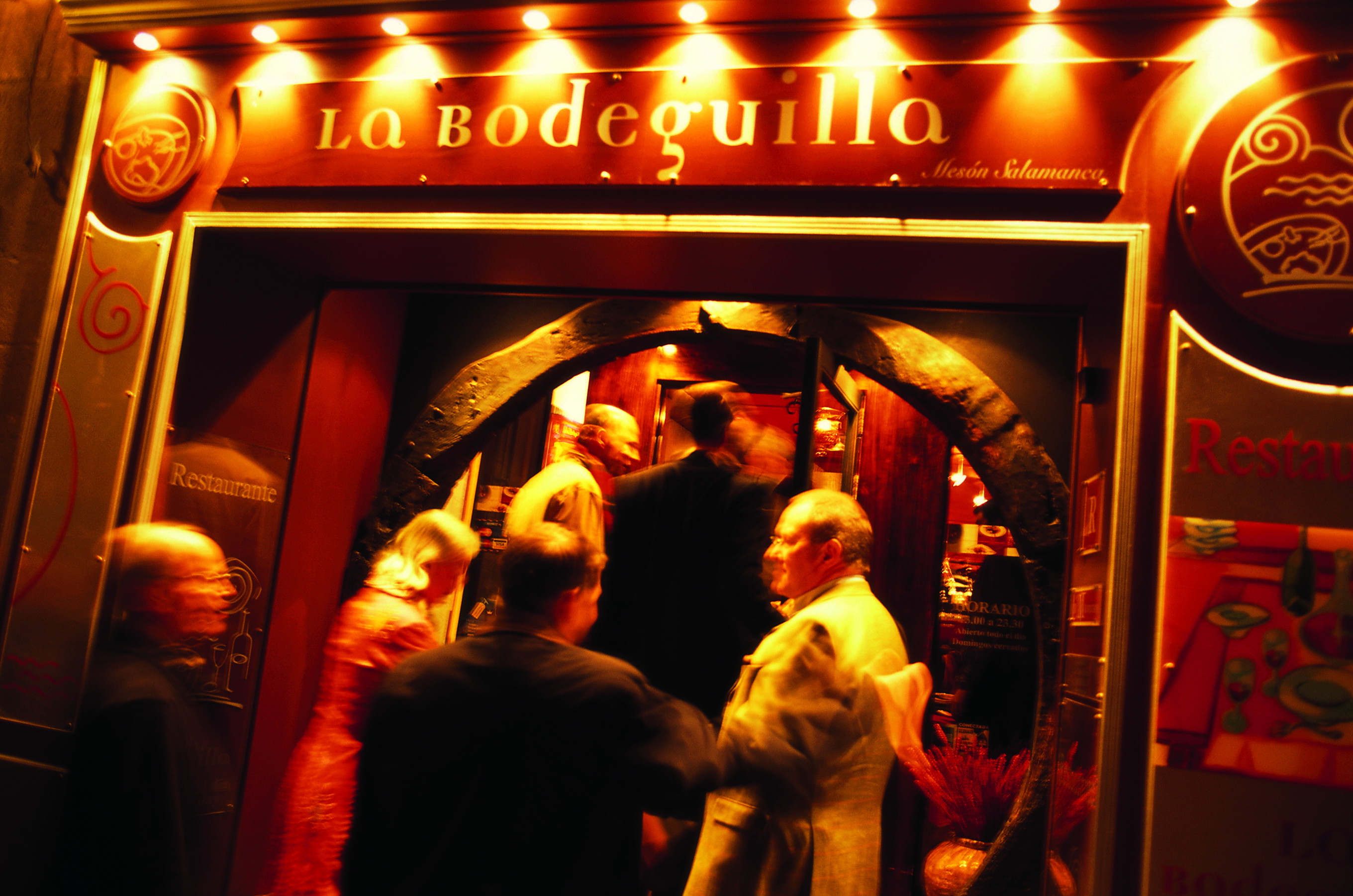
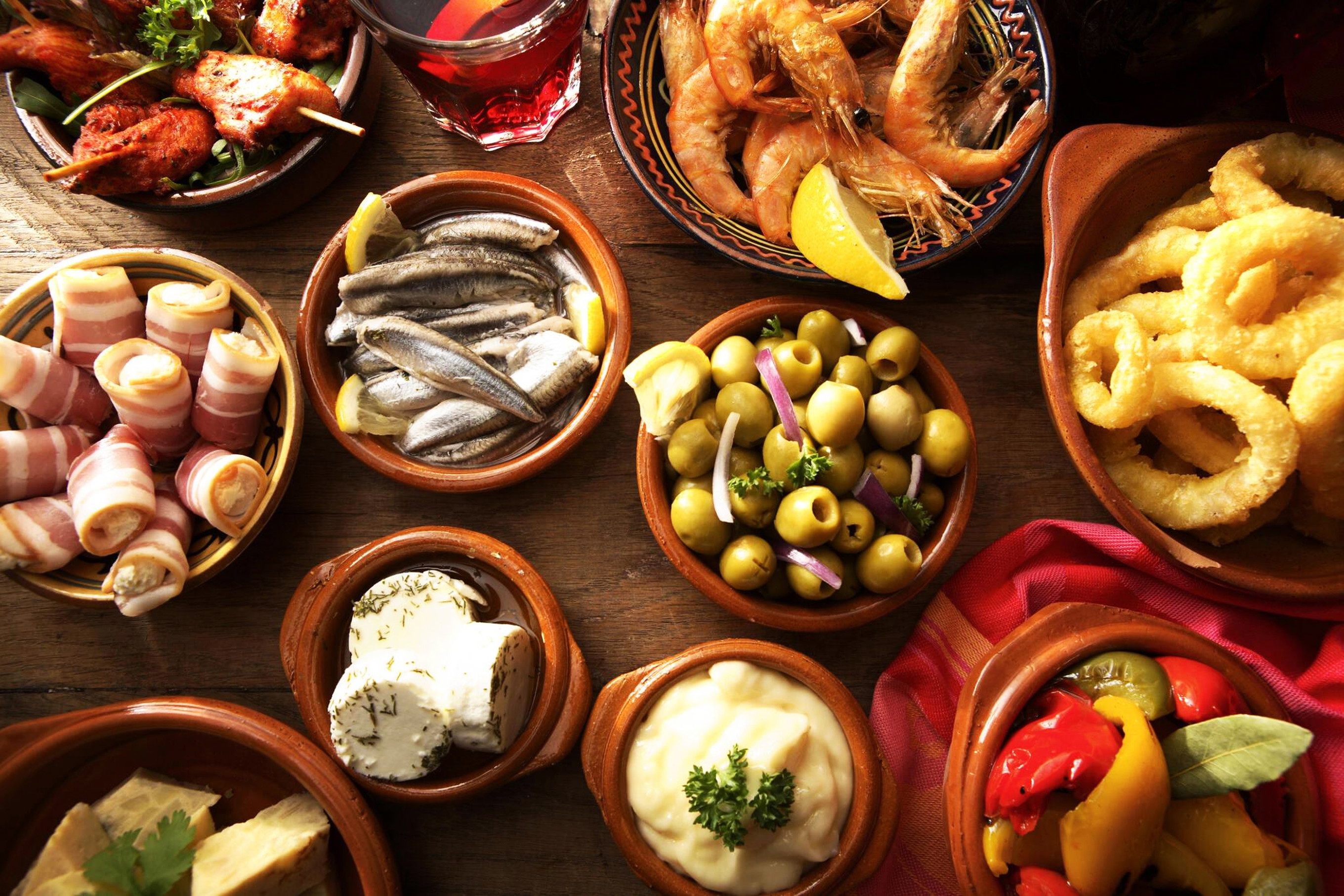
La Bodeguilla is a convincing example of how the art of Mallorcan cuisine often lies in simplicity, even in the island's lively capital. Here, guests sit shoulder to shoulder with locals and insiders, surrounded by ceiling-high wine racks. There are tapas - originally a slice of bread placed on a glass of wine or beer to keep insects away, today delicious snacks made from fish, meat, seafood or vegetables.
Even Playa de Palma—long known mainly for its Ballermann party scene—is undergoing a transformation. While the party hub still dominates the center of the beach, it’s worth taking a closer look. Beyond the beer-fueled revelry, between Balneario 8 and 13, Mallorca reveals some of its best sides: excellent infrastructure, plenty of space, and breathtaking sunsets. The most stylish way to enjoy them is from the rooftops of the area’s new luxury hotels, most of which opened in the post-COVID years—when it became clear that Mallorca’s future no longer lies in mass tourism.
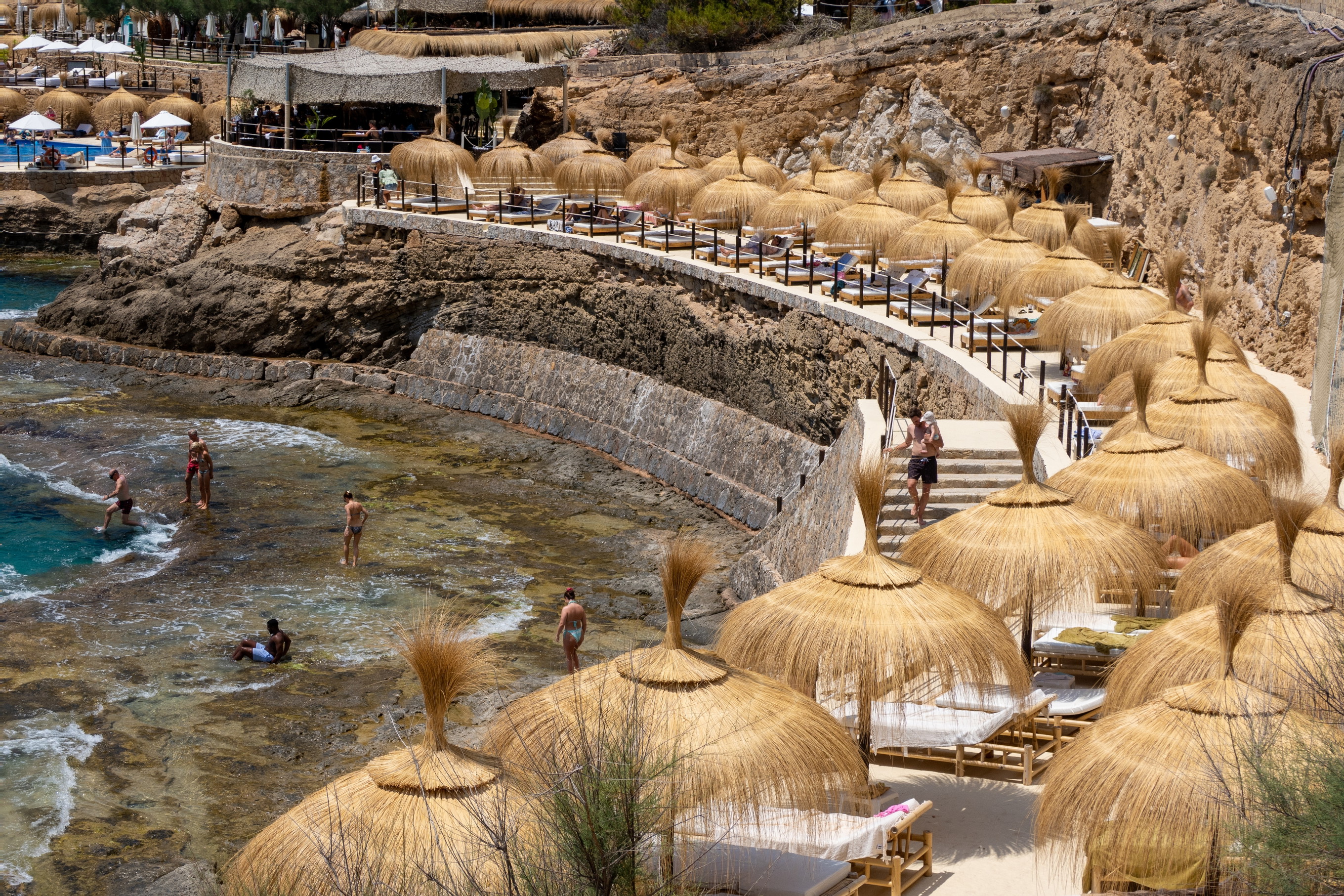
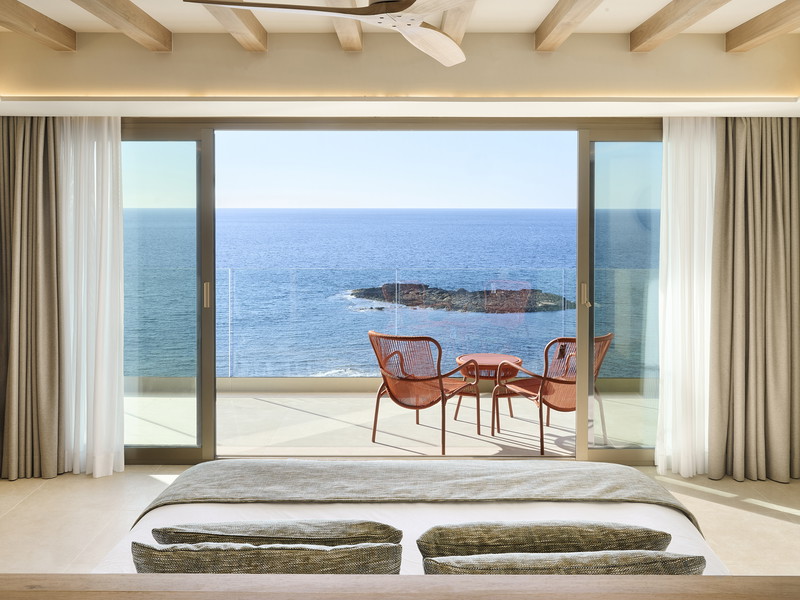
Take the boutique hotel The Hype, for example. It has just eight suites, but offers pure designer luxury and the best view of the setting sun. Culinary offerings at Playa de Palma have also reached a new level: oysters, caviar, or Chateaubriand are on the menu at Al Faro Beach, currently the hottest restaurant at the Balneario. With palm-fringed umbrellas and a front-row view of the sea, the atmosphere blends Caribbean vibes with a Balearic backdrop. With Al Faro Beach, restaurateur Axel Schneider has fulfilled a long-held dream: to bring refined, guest-focused dining to a place once considered a stronghold of budget tourism.
FIND THE SILENCE
The past year was one of extremes in the Balearic Islands. A total of 18.7 million tourists arrived, most of them heading to Mallorca. And yet, there are now ways to escape the crowds and find peace and quiet. The most exclusive option? Renting a private villa or finca. The Private Hideaway is one of the island’s top-tier providers, offering modern designer fincas and villas for eight to twelve guests, complete with 24-hour full service. The motto: unlimited comfort.
Guests shouldn’t have to worry about a thing—everything is taken care of: airport transfers, golf outings with equipment, bikes, a private chef, yacht charters, restaurant or show reservations, even helicopter rides. There’s even an electric golf cart available—for trips to the nearby course or a quick outing to the sea.
Merging borders
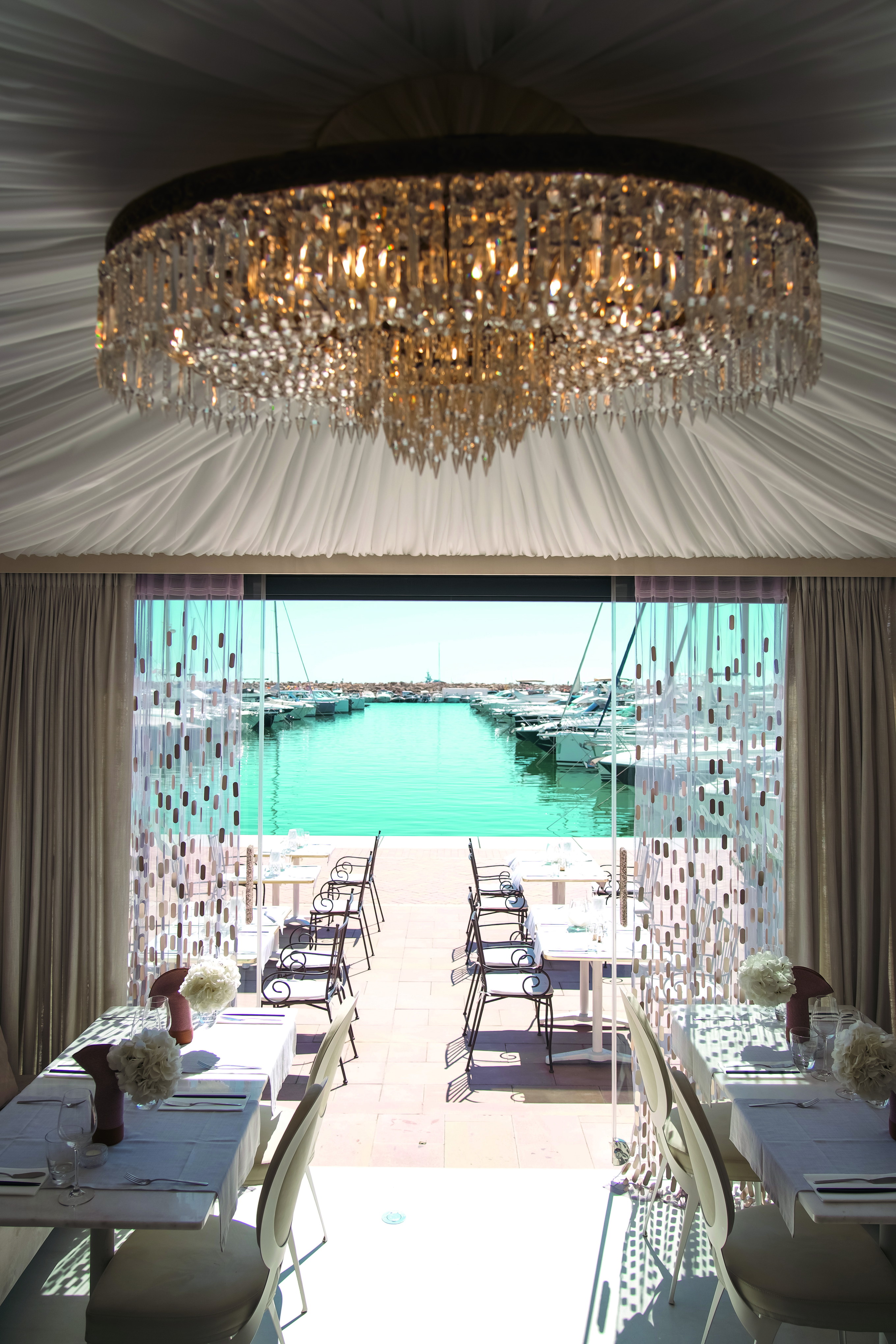
Before COVID, many visitors spent their evenings hopping from one restaurant to the next. But the desire for peace and privacy has grown—there are now around 300 private chefs on the island who cook for guests in their villas or fincas. Janina Zweig has also created a private hideaway for herself and her guests. Located in the upscale Puerto Portals in the island’s southwest, it’s the smallest restaurant in the marina. Janina sits right on the waterfront and has just 30 seats—a true rarity in Mallorca.
The operation is so small that there isn’t even a walk-in fridge. “We shop fresh every day,” says Zweig. For groups of ten or more, the restaurant becomes a private event space. Guests can watch their meals being prepared right in front of them. The master table sits directly next to the open kitchen, and as the evening unfolds, the lines between chef, server, and guest begin to blur. After a culinary journey through the flavors of Japan, Thailand, and Spain, the evening ends on a hearty Austrian note—with Kaiserschmarrn and Salzburger Nockerl to finish things off in rustic style.
Celebrating in seclusion
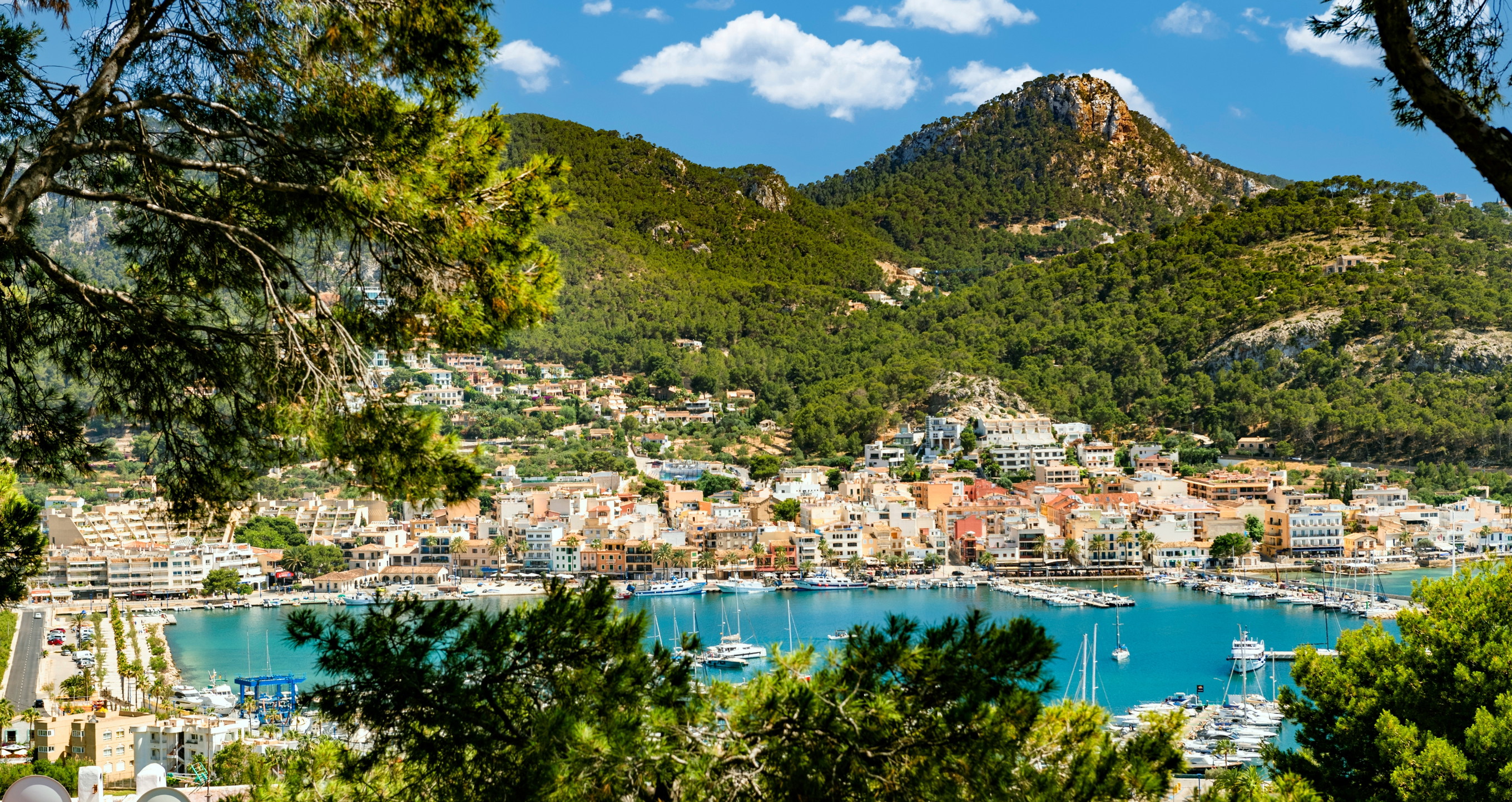
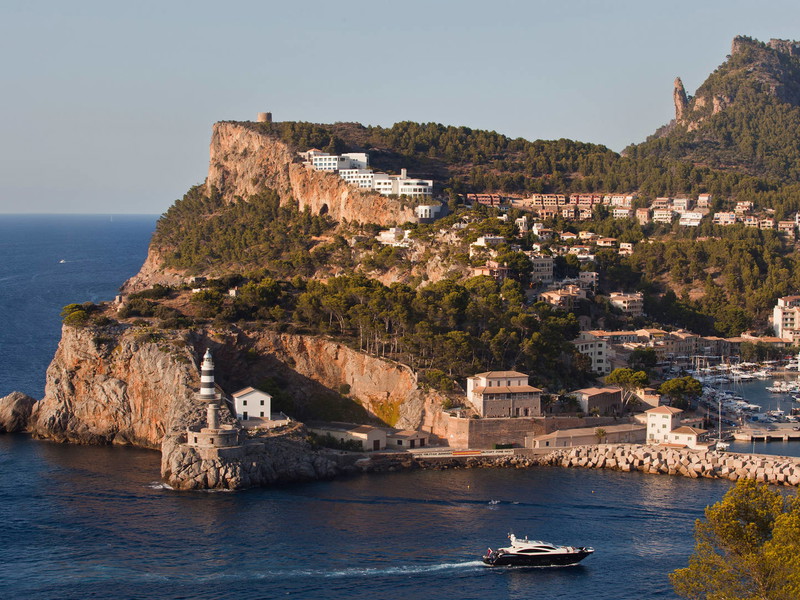
A little farther west lies Port d’Andratx. What makes this small marina special is that it sees very few tourists—mostly just day-trippers. The reason? There are no large hotels around the former fishing village, but countless villas and homes owned by foreign residents.
In the neighboring town of Camp de Mar, the legendary restaurant Campino sits right next to the golf course. Entirely decked out in white, it’s the only restaurant on the island with its own helipad. For 25 years, Campino has been serving upscale Italian cuisine that also welcomes Spanish and German influences. A standout dish: watermelon gazpacho—the perfect way to cool off on hot days. When the temperatures drop, the menu shifts to heartier fare like roast goose or stuffed beef rolls.
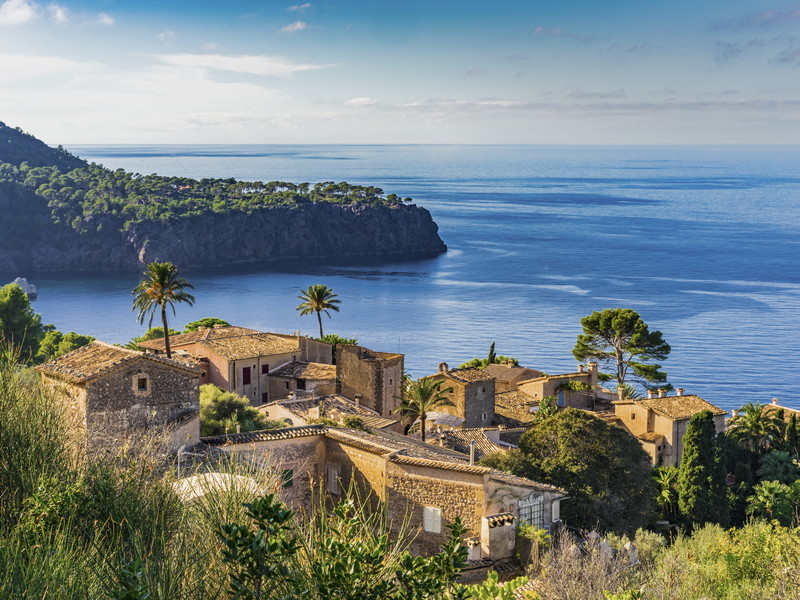
Just one cove over, in Cala Llamp—an area completely free of hotel developments—the evening is best wrapped up at Gran Folies, a beach club that Jeff Bezos reportedly enjoys visiting for a culinary break when he’s on the island. Gran Folies is probably the most secluded beach club on Mallorca—and also one of the oldest. This year, it's celebrating its 25th anniversary as well.
QUIET STREETS, GOOD WINE
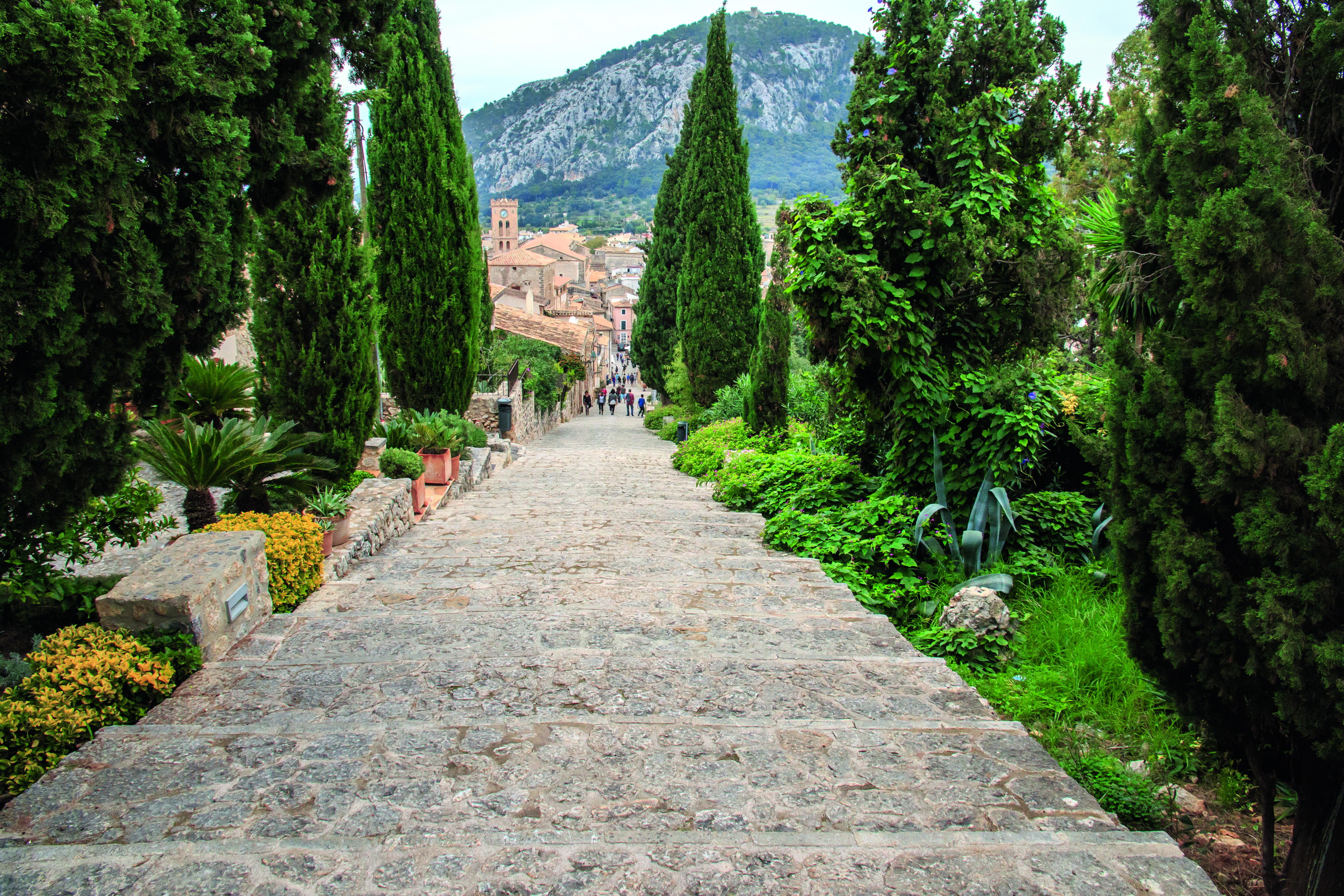
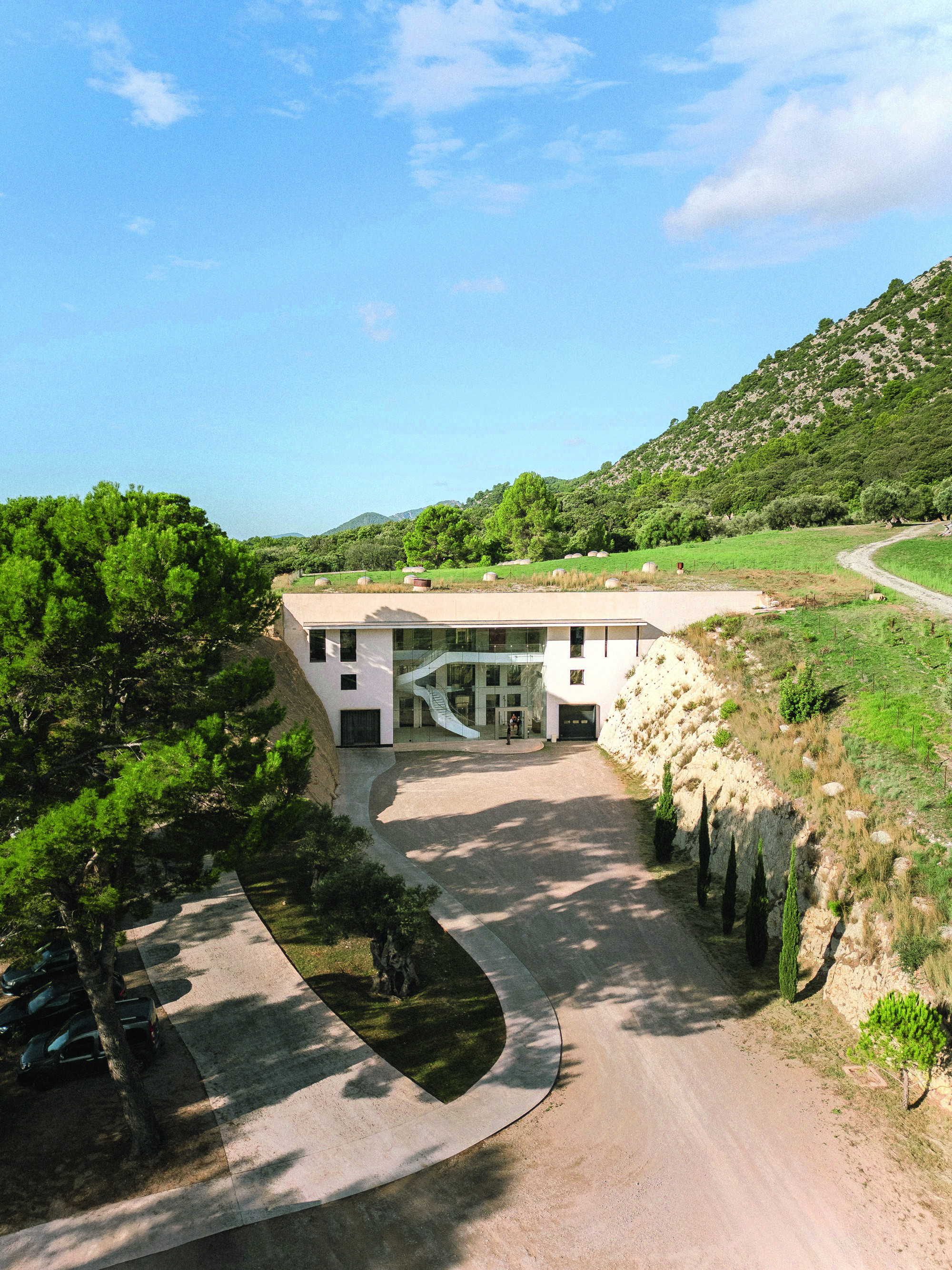
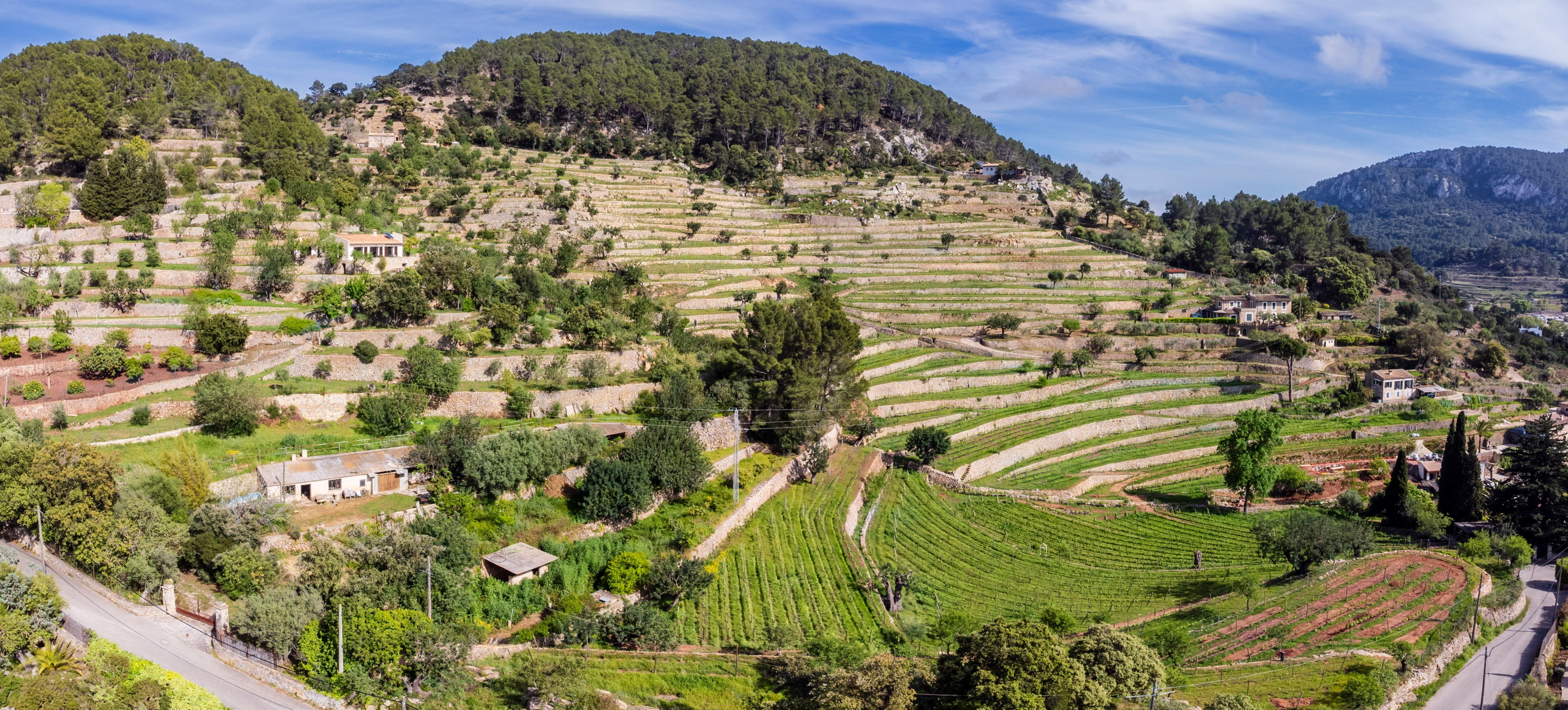
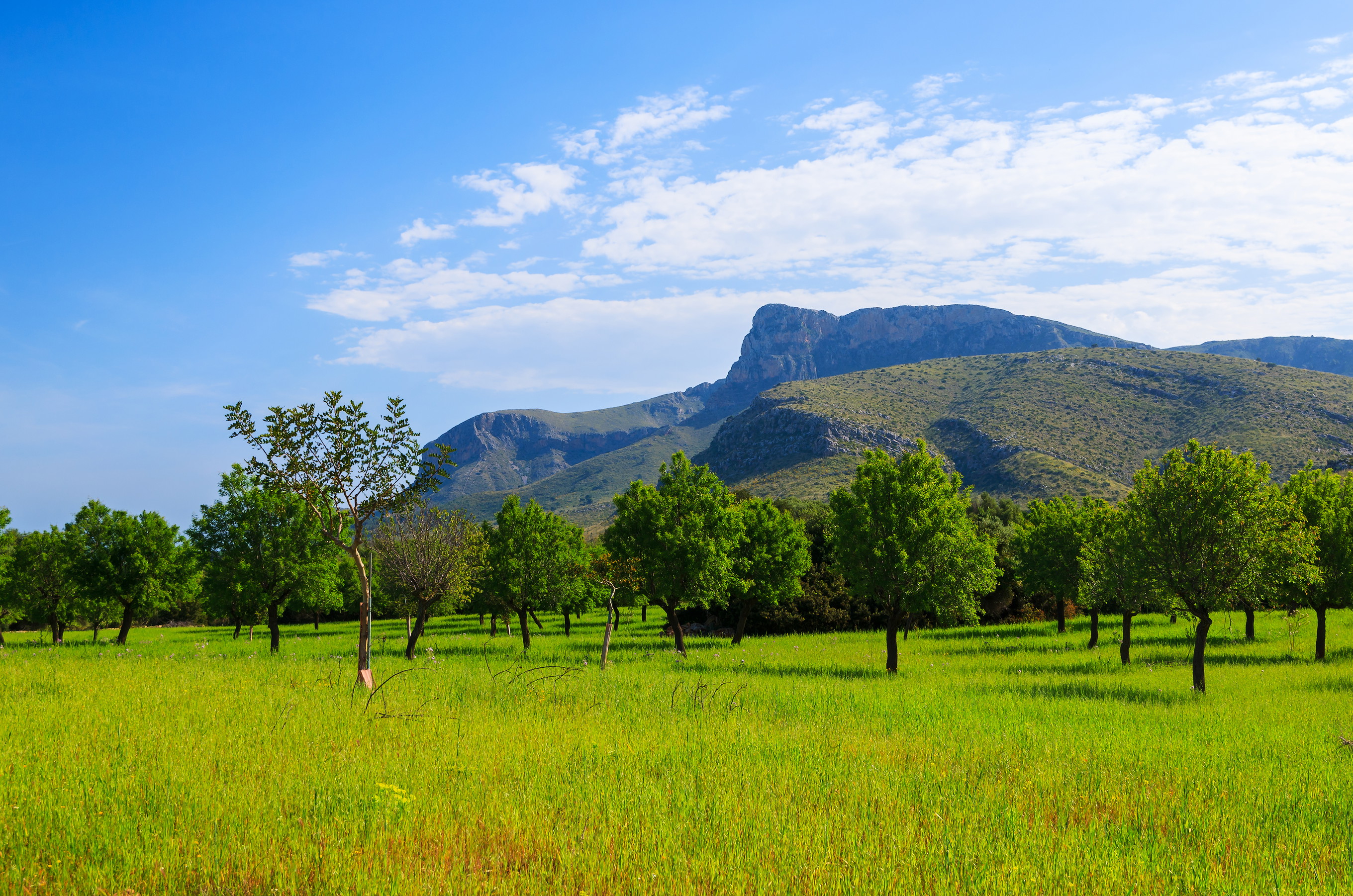
High up in the north, in the small town of Pollença and far away from the party strongholds, it is mainly people looking for a relaxed vacation experience who meet here. Plaça Major is the heart of the municipality. The spacious square is lined with small bars where people enjoy a glass of wine or share a few tapas. A little further out is a special place for wine lovers: the Bodega Can Axartell. Until the end of the 1990s, the area - apart from a few olive and almond trees - consisted solely of fallow land, dominated by a disused quarry that gaped like an open wound in the landscape. Then the Hamburg-based cosmetics entrepreneur Hans-Peter Schwarzkopf discovered the site at the foot of Penya Mascorda - and developed one of Mallorca's most sustainable wineries.
Can Axartell
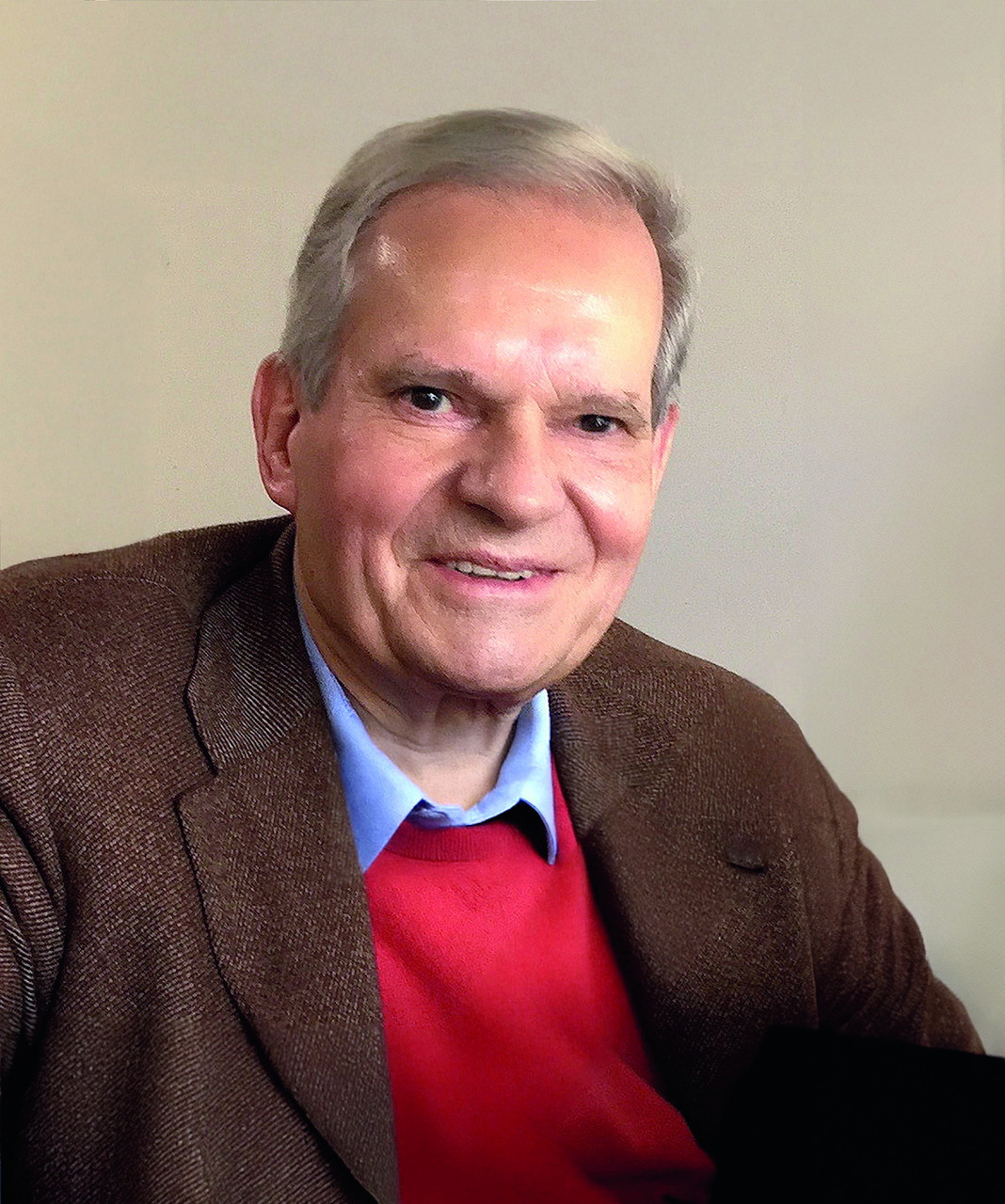
At an age when others are retiring, Hans-Peter Schwarzkopf founded Bodega Can Axartell - a winery that sets standards in terms of sustainability. Hamburg entrepreneur Hans-Peter Schwarzkopf, 91, has created one of Mallorca's most sustainable wineries with Bodega Can Axartell. After leaving the management of his cosmetics company in 1997 and retiring, the Hanseatic visionary has opened a new chapter - and proves that entrepreneurial spirit knows no age limit.
Falstaff: Mr. Schwarzkopf, in 1997 you bought a piece of wild land near Pollença - today's vineyard. But originally you wanted to farm there ...
Schwarzkopf: During the Second World War and in the years afterwards, my family lived in the countryside. After school, I often helped out on the surrounding farms. Since then, farming has never let go of me. With the purchase of Can Axartell, I then had a large area of land at my disposal. This allowed me to fulfill my long-held wish to try my hand at farming myself. Together with my family, I played through various options: from raising sheep to growing herbs. During historical research, we found out that wine was grown on the site several centuries ago - that was the impetus for us to try it ourselves.
They have integrated the production facility into a disused quarry on the site. How has that worked out?
After the bodega was integrated into the old quarry, the original slope was restored by covering the building with earth. Only the entrance front and the driveway remain visible - the rest blends almost invisibly into the mountain. The former eyesore has disappeared, the architecture embedded in the landscape. The hand-picked grapes are brought to the bodega immediately after the harvest and are processed at an optimum cool temperature, thus avoiding undesirable pre-fermentation. Thanks to the natural conditions, the temperature inside is a constant 16 to 18 °C - ideal conditions for vinification and storage, without any additional cooling.
Sustainability plays a major role for you. How can this be seen in concrete terms?
For example, all our wines are produced according to the gravity principle - Mètode Gravetat. Grapes and mash move by gravity alone. No mechanical pumps are used at all in order to process the grapes as gently as possible and preserve their finest aromas.
In addition to organically certified cultivation, the bodega relies on a gravity pressing system that is unique on Mallorca. Instead of mechanical pumps, the grapes and mash follow only the natural force of gravity - a particularly gentle process. Even though Schwarzkopf was entering a new industry with viticulture, he did not forego a tongue-in-cheek reminiscence of his roots in the family business: His wine bottles are adorned with a portrait - similar to the one on Schwarzkopf's shampoo bottles.
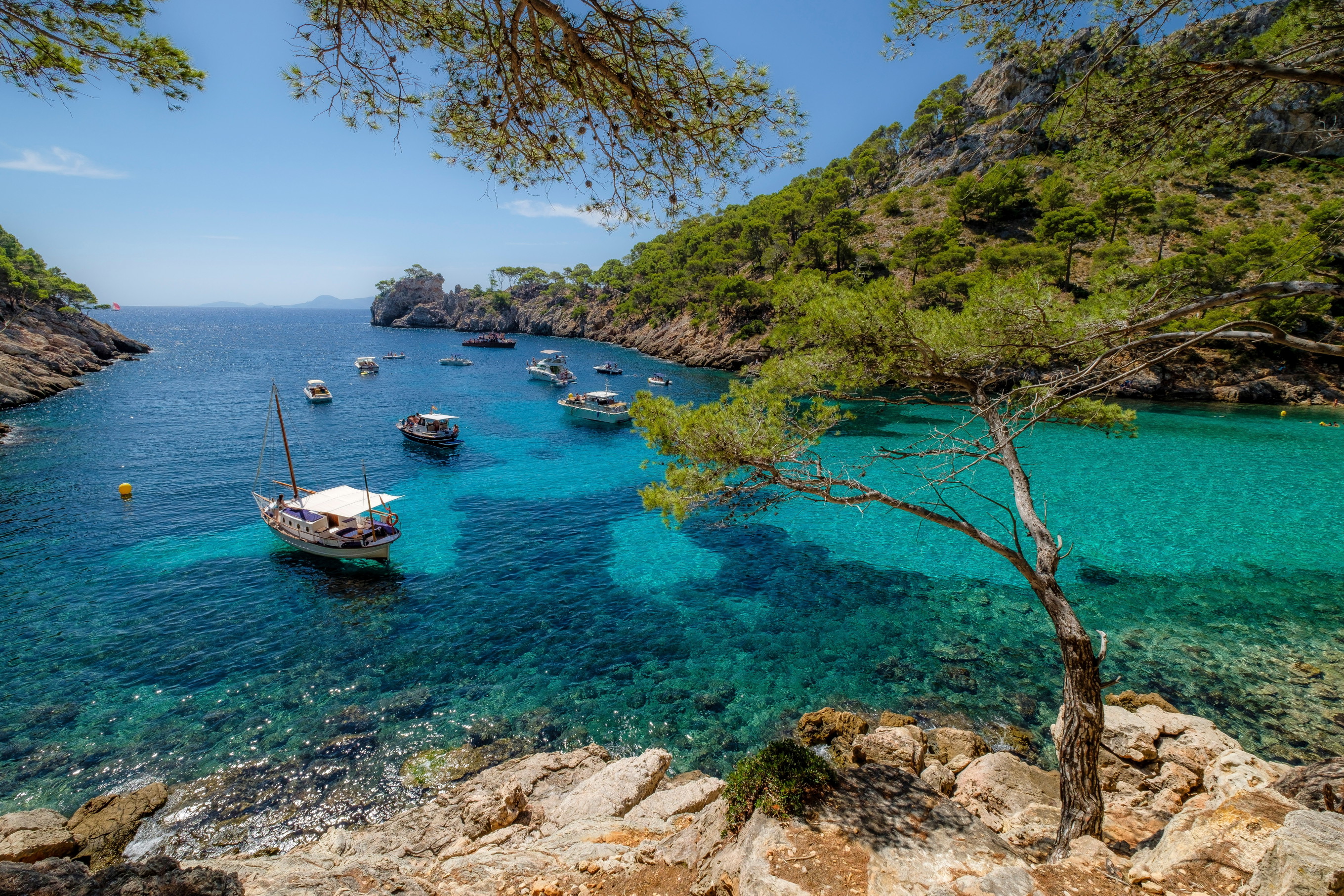
If you're looking for peace and quiet on Mallorca, you'll find it. Even if real exclusivity has its price, as everywhere else. In any case, the future of the island no longer lies in free beer and crowded beaches. Mallorca is returning to its roots.
To the most beautiful retreats and places to enjoy