Spectacular views will likely be in short supply at the new hotel set to open beneath Drottninggatan, one of Stockholm’s best-known shopping streets, in 2027. Scandic Hotels and property developer Axfast are planning a new Scandic Go, which will be partly located underground. Former retail and storage spaces will be transformed into a mixed-use development featuring hotel rooms, office space and shops.
Around 135 rooms are planned, spread across four levels below street level. The guest rooms themselves will be windowless, while communal areas and staff facilities will continue to receive natural daylight. Check-in will take place either one level underground or entirely digitally.
Windowless Guest Rooms
The concept is clearly aimed at the economy segment. Thanks to its central location close to the main railway station and bus terminal, the hotel is expected to appeal primarily to city travellers looking for functional accommodation in the midst of urban life while still valuing peace and quiet.
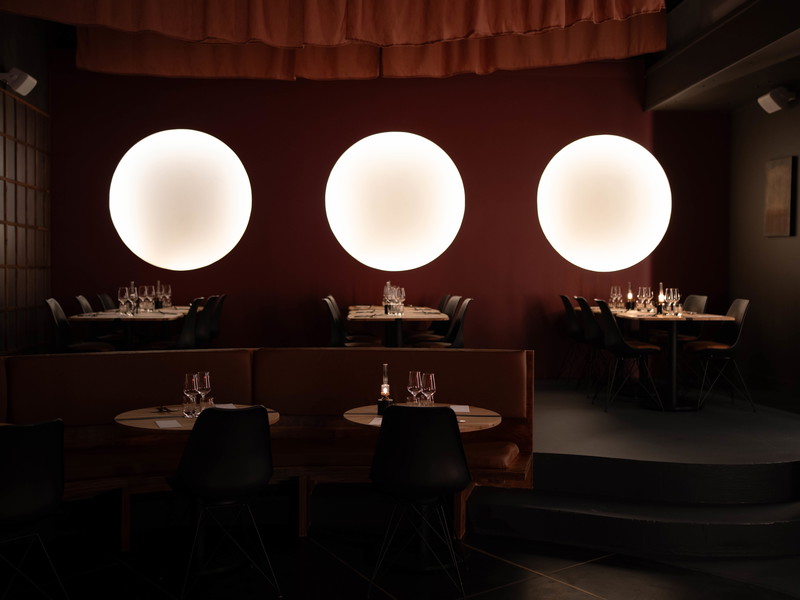
Windowless rooms are already part of Scandic’s existing offering and are now being reimagined on a larger scale. In terms of design, the company is placing particular emphasis on lighting concepts, materials and acoustics in order to create a pleasant atmosphere despite the lack of windows.
Sustainability also plays a key role: the building is set to be certified according to the BREEAM In-Use Standard (Excellent), while operations will be certified under the Nordic Swan Ecolabel. With the project, Scandic is also driving the expansion of the Scandic Go brand and focusing on the adaptive reuse of existing spaces in a densely built city centre where space is particularly limited.