Skip to content
© Provided

URE: Where Lofoten’s Fishing Heritage Meets Contemporary Dining

Norway
Gourmet
Travel

Lofoten has long drawn visitors for its dramatic scenery and exceptional produce. Now, with the opening of Ure restaurant, there is yet another compelling reason to make the journey north.

Text by Thea Engvik

Before the Second World War, Ure was one of Lofoten’s most celebrated fishing villages, a thriving community of up to 1,200 inhabitants that hummed with cafés, telegraph offices, and lively trade year-round. On stormy days, as many as 150 boats would shelter in the harbour, and fish left these shores by steamship for Bergen, then onward to Spain, Portugal, and Italy. Today, just 65 people call Ure home.

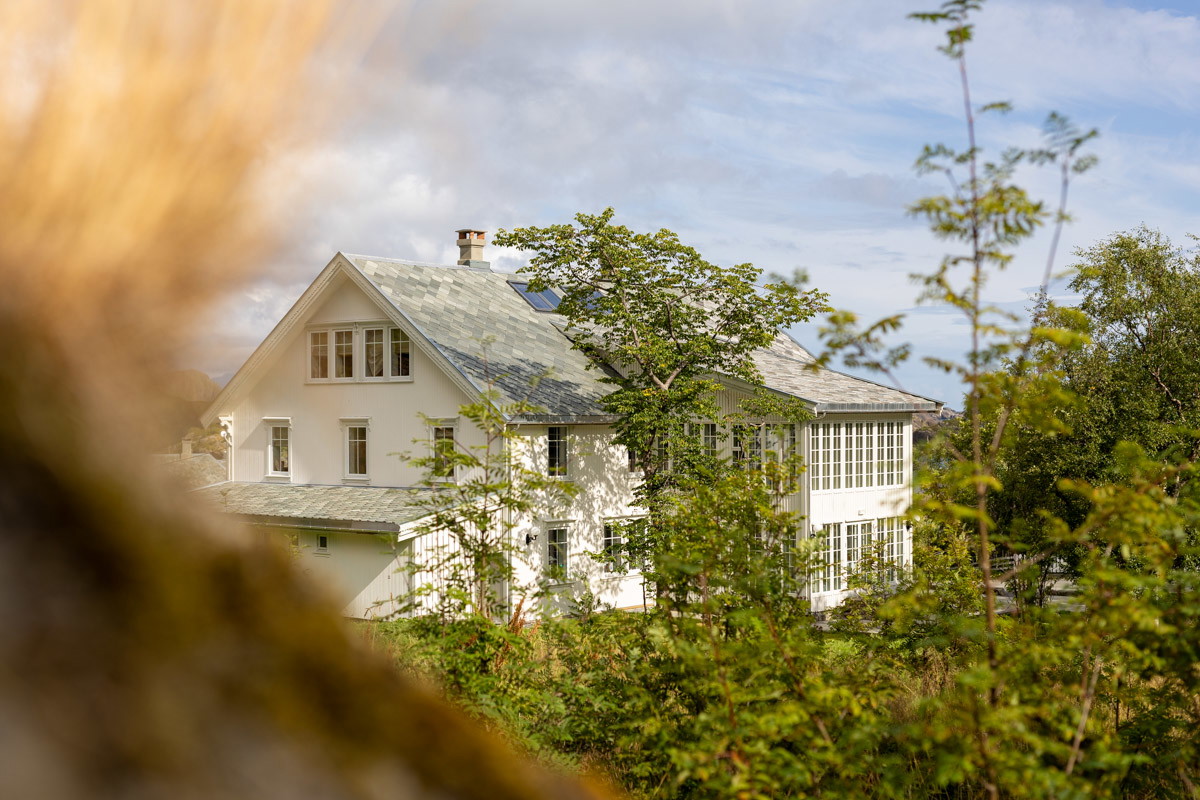
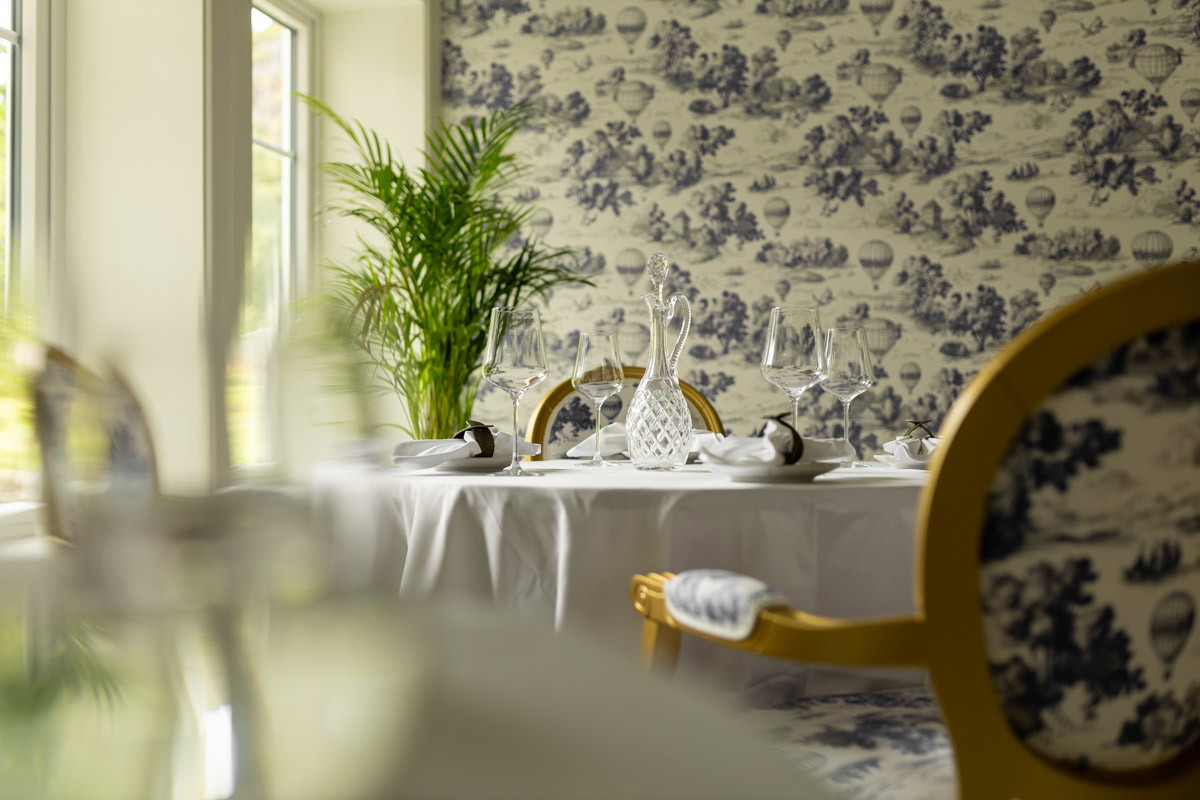
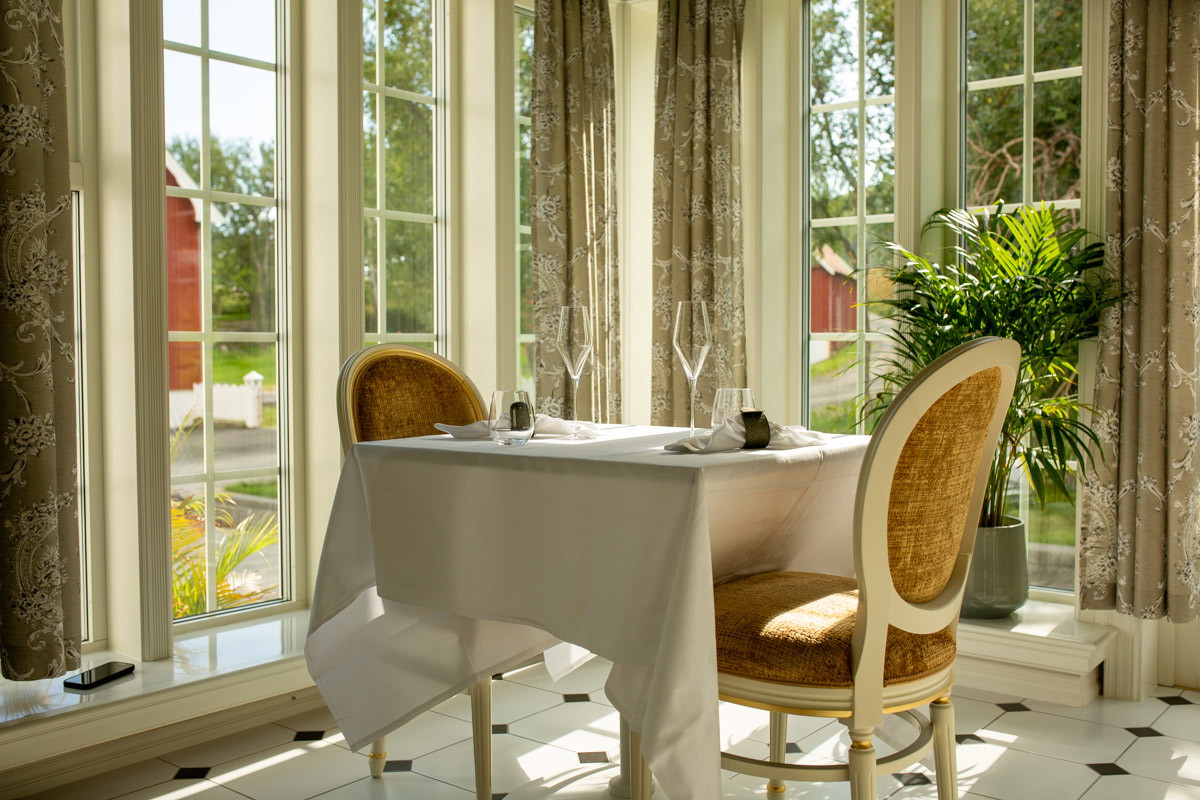
It is into this storied place that Ure Lodge has arrived. Opening in May 2026, the boutique hotel and restaurant complements the simpler rorbuer at the harbour, with Fiskerheimen at its heart. The building dates to 1865 and has served, over the decades, as an internship house, aquaculture facility, and prayer house. The new kitchen, clad in white stone, sits on the exact footprint of the original. Inside, sixteen chandeliers illuminate a rococo interior. The winter garden, glass on three sides with the open kitchen visible on the fourth, gives the room a warmth and openness that few dining rooms can match.

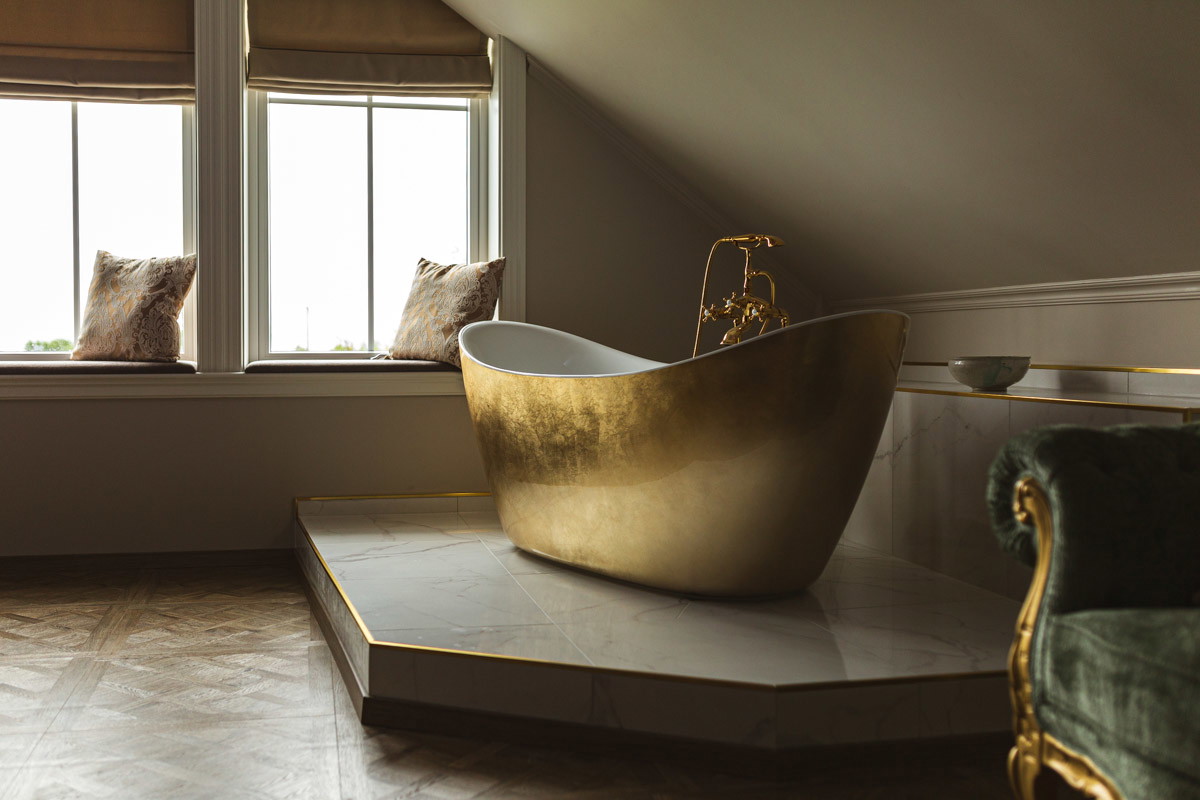
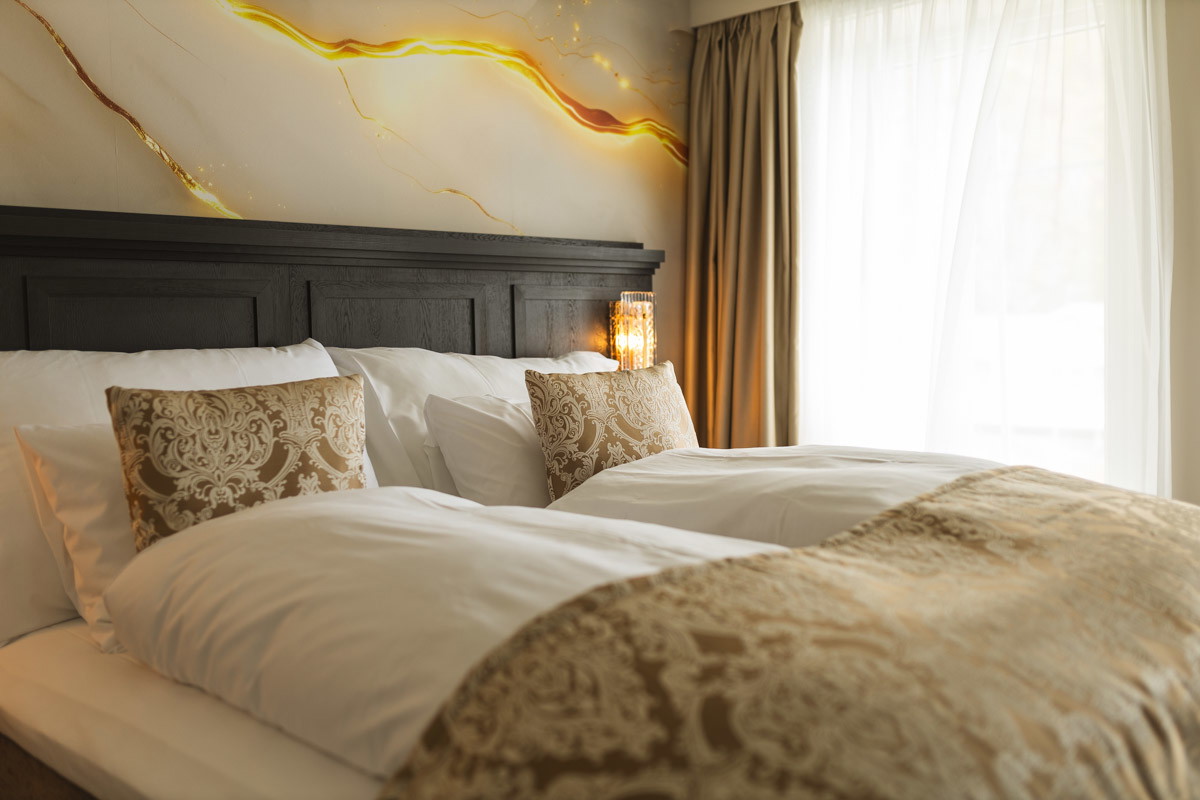
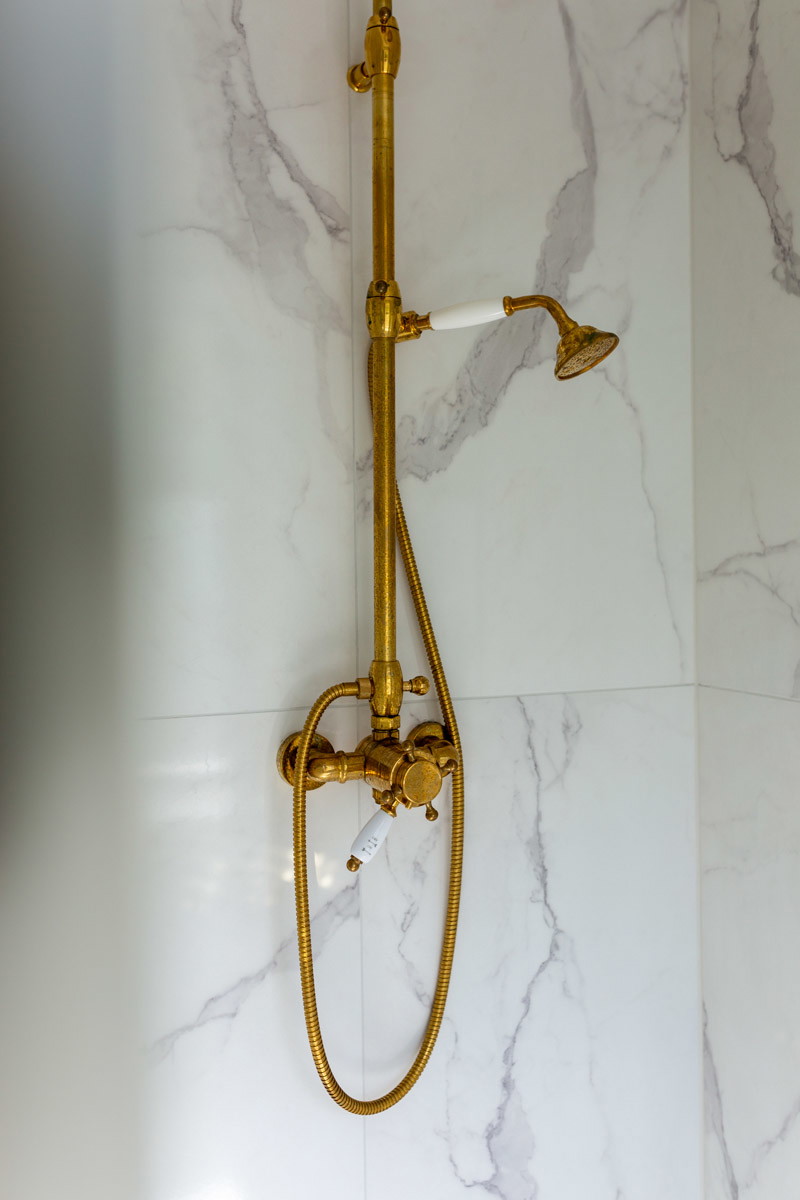
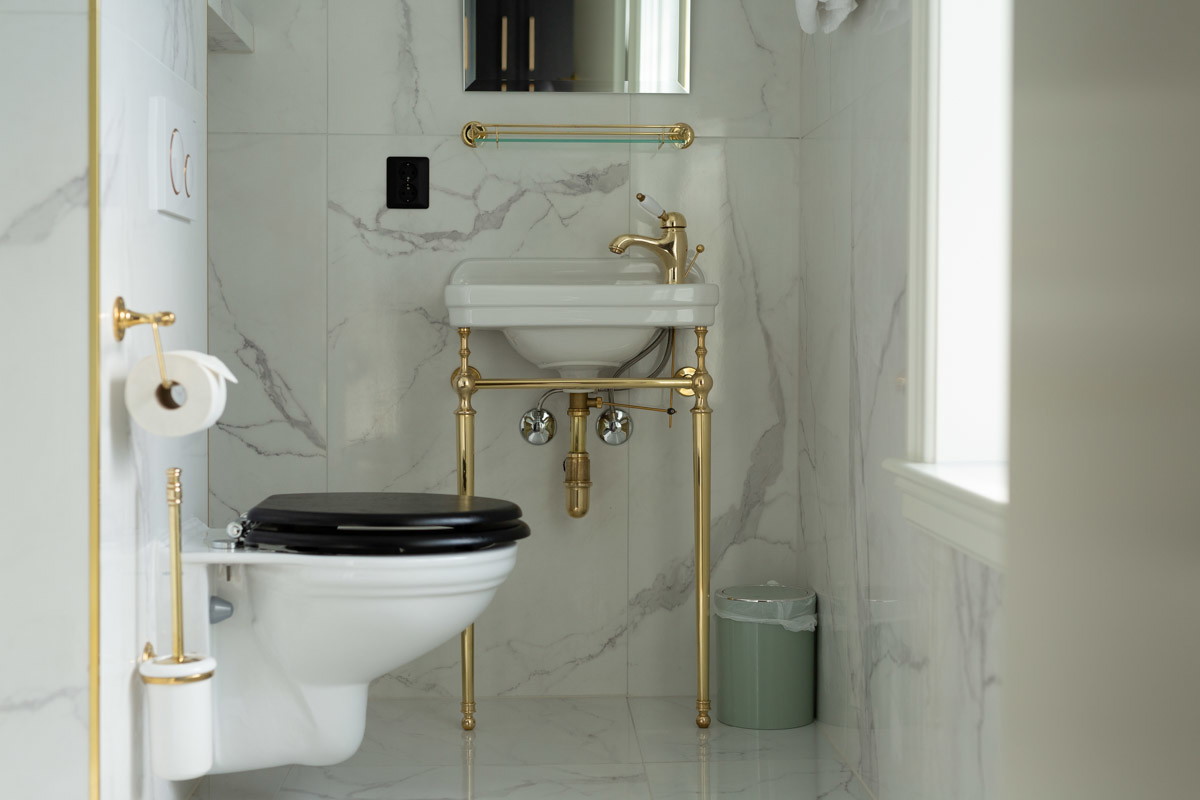
Fiskerheimen now also houses seven newly built rooms and two suites, framing views of both sea and mountain. The sauna floating in the harbour, complete with jacuzzi and cold plunge, makes for a perfect start or end to any stay. Rounding out the harbour, the converted smokehouse café offers a front-row seat to the salmon smoking process over a cup of coffee.

Oskar Ørskog returns home

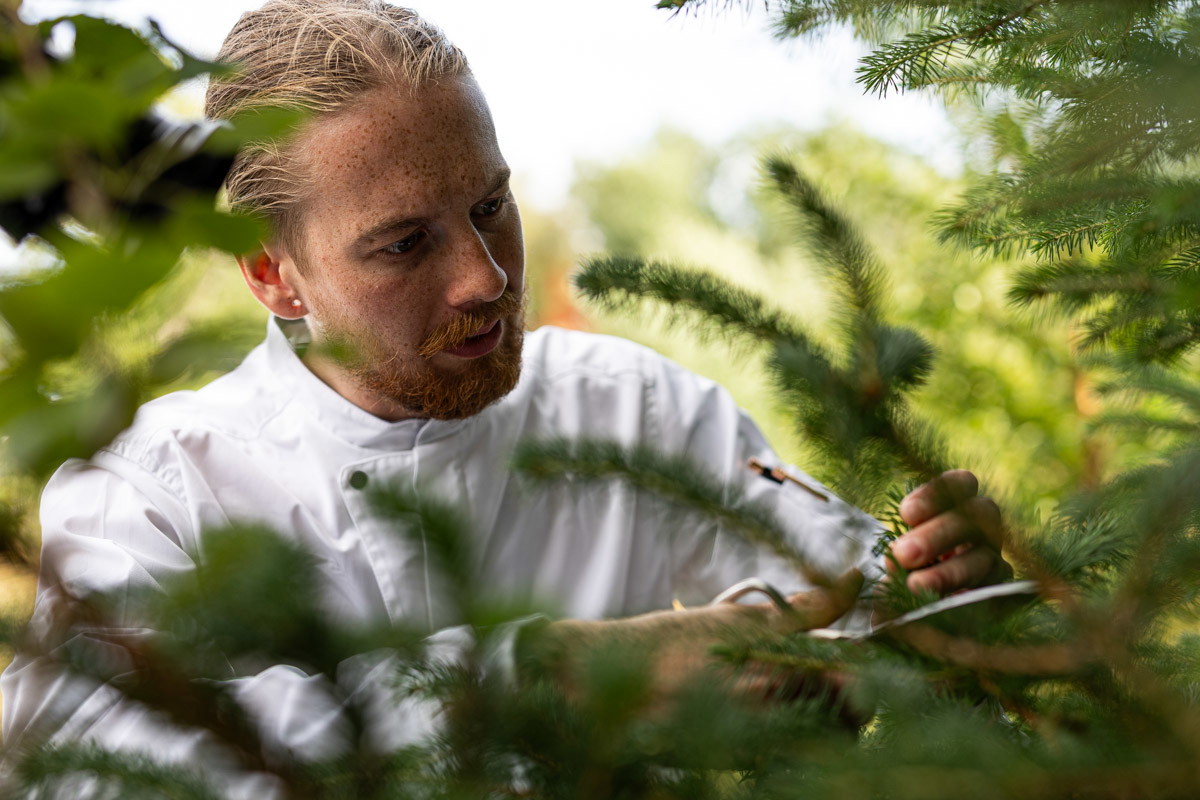
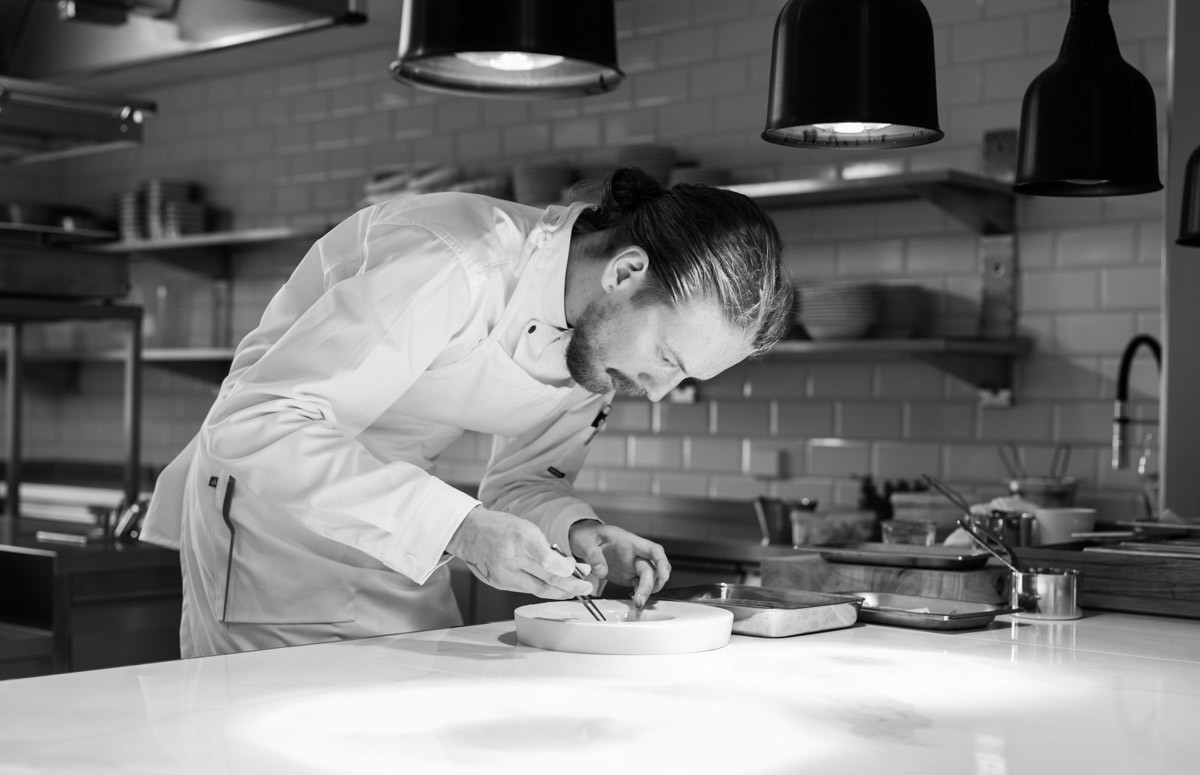
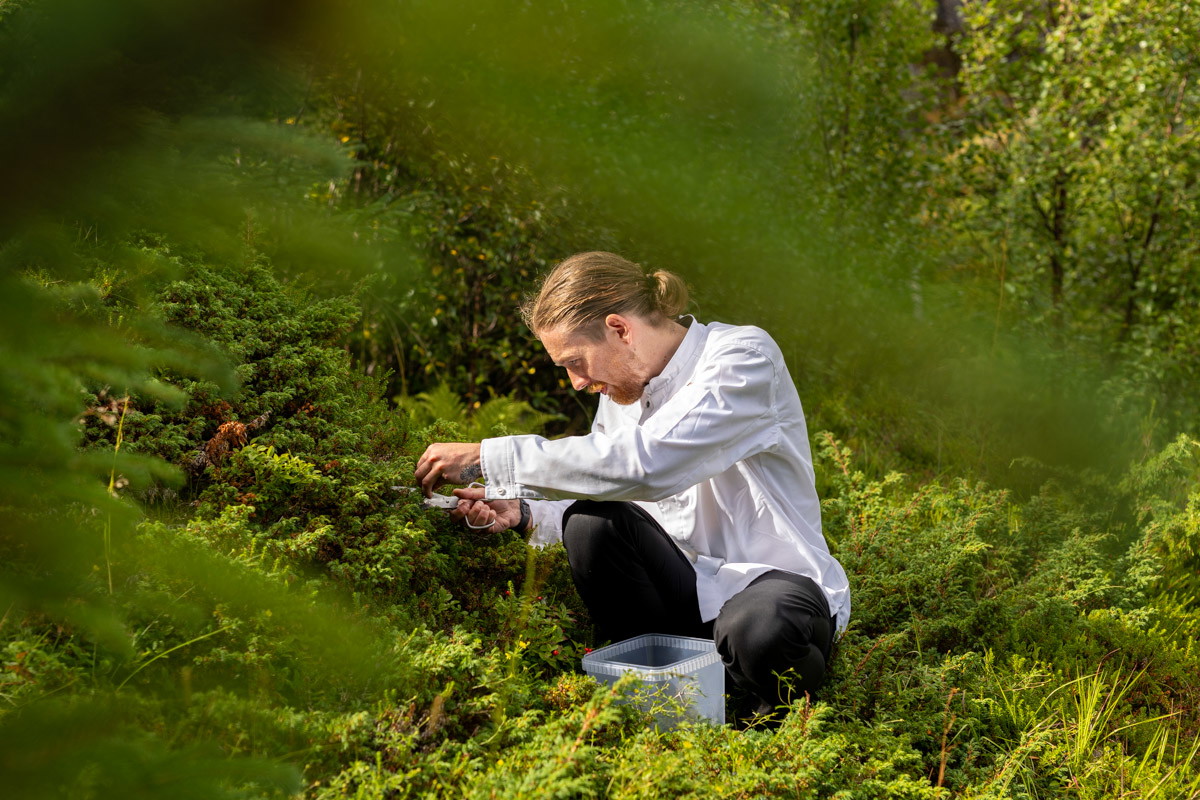
Head Chef Oskar Ørskog is happy to finally open the doors after a year of planning. “Things take time to get up here,” he says with a laugh, recalling a set of peelers that arrived three months after they were ordered, long since forgotten.

His connection to this corner of Norway runs deep. With a great-great-grandmother from Leknes and his mother's entire side from Vesterålen and Sortland, the region is in his blood. Childhood memories scattered across Lofoten and Vesterålen make coming to Ure feel, he says, like coming home. His Bodø dialect leaves little doubt. Working with the local produce means working with flavors he grew up with, flavors he now wants to present in a new way.

Oskar trained in Ålesund before an apprenticeship at Zuuma, then travelled to Paris and London on a scholarship. From there he spent four years at restaurant Äng in Sweden, where the story behind every ingredient matters as much as what ends up on the plate, a philosophy that is unmistakable in his cooking: simple in appearance, precise in flavor, always with something to say. When Äng earned its Michelin star, he was ready for a new chapter. He joined Michael Ray Vera Cruz Angeles, Jonathan Hagen, and Ryan Huertas at the opening of Mike’s Corner in Oslo, a high-energy launch that meant 1,000 sandwiches a week and prepping 70-kilogram batches of chicken. Then came Liminal on Torshov, secured on a ridiculous lease and built on almost no budget. Elegant food was served on folding tables, svele with tartare and caviar the dish everyone was talking about, and great wine made it one of Oslo's most beloved neighborhood spots.

It took some convincing to bring him back north, but one day on Ure was all it took. He was ready to sign the contract that same evening. Arriving in February 2025 to a bare, unfinished space, he finally had the chance to build something entirely on his own terms and spent the next year doing exactly that.

The taste of Lofoten

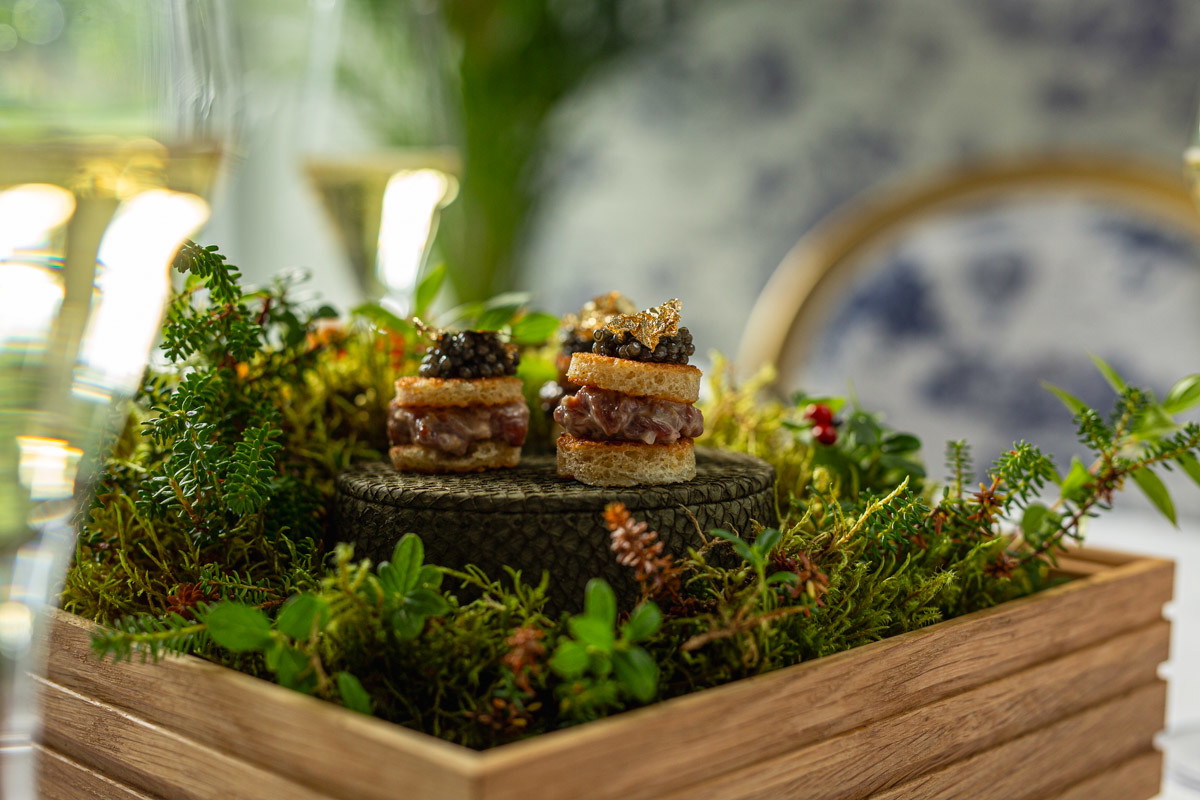
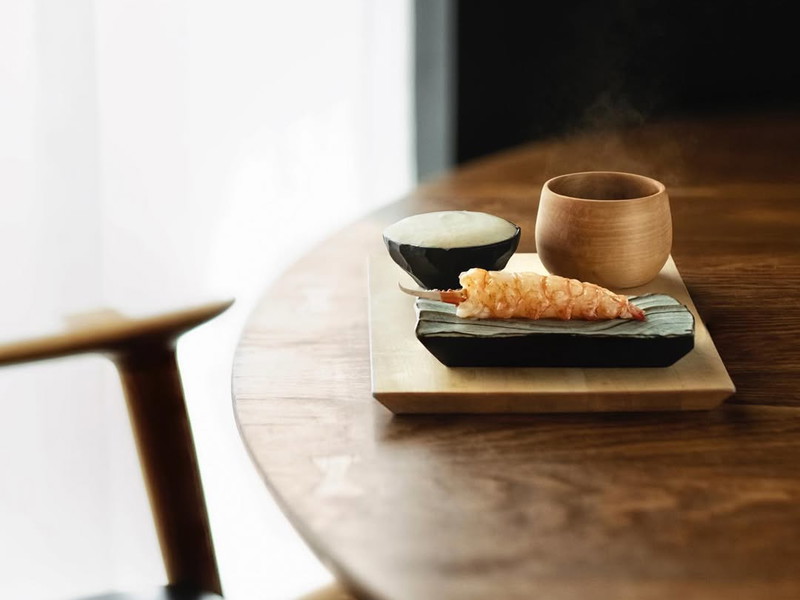
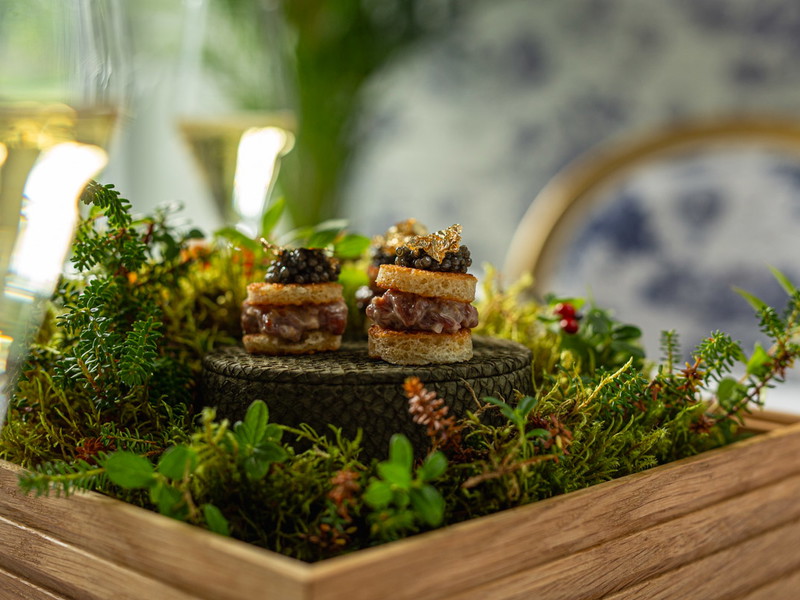
The flavor of Lofoten announces itself in the very first bite: brioche with smoked crème fraîche, and salmon smoked to a family recipe by the man sitting at the table next to us. A snack of raw prawns from Steigen with N25 Beluga caviar follows, before the move from the lounge into the winter garden.

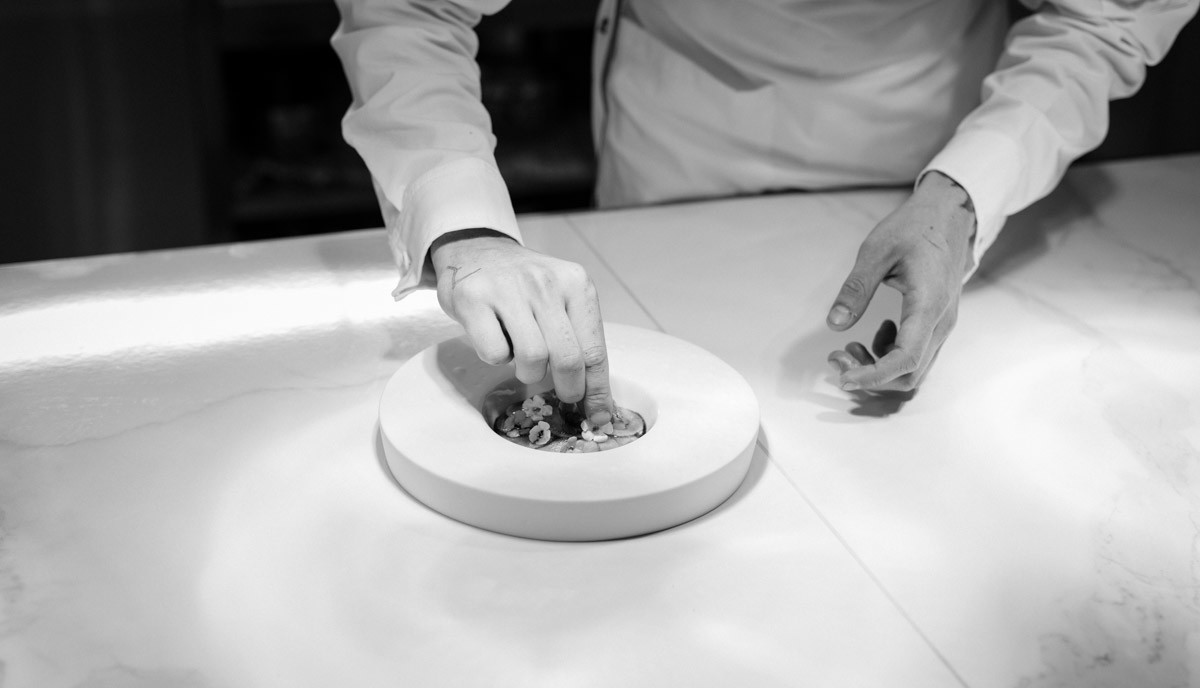
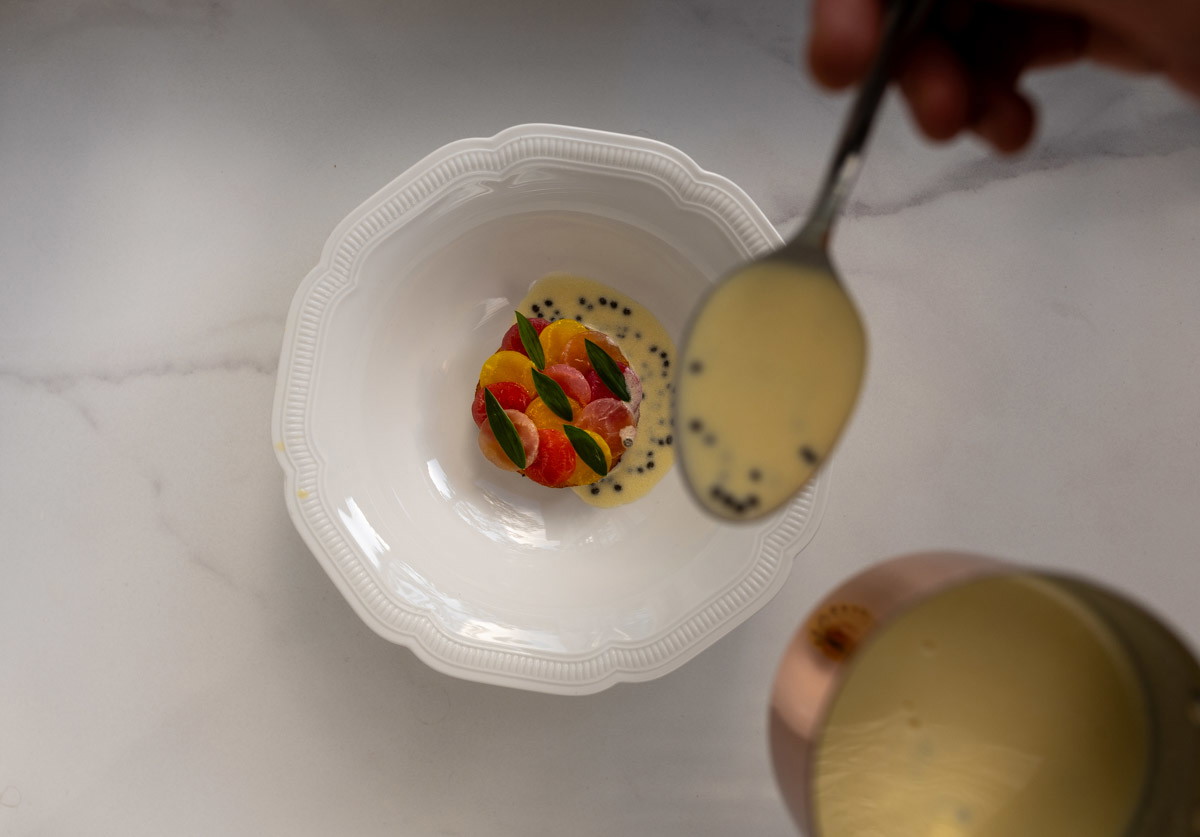
The first dish from the kitchen is quietly stunning and remains one of the meal’s highlights: halibut with chive and parsley oil, thin discs of turnip arranged with care across the top. Served with the story of how Oskar used to eat turnips like apples as a child, the dish gains another dimension entirely.

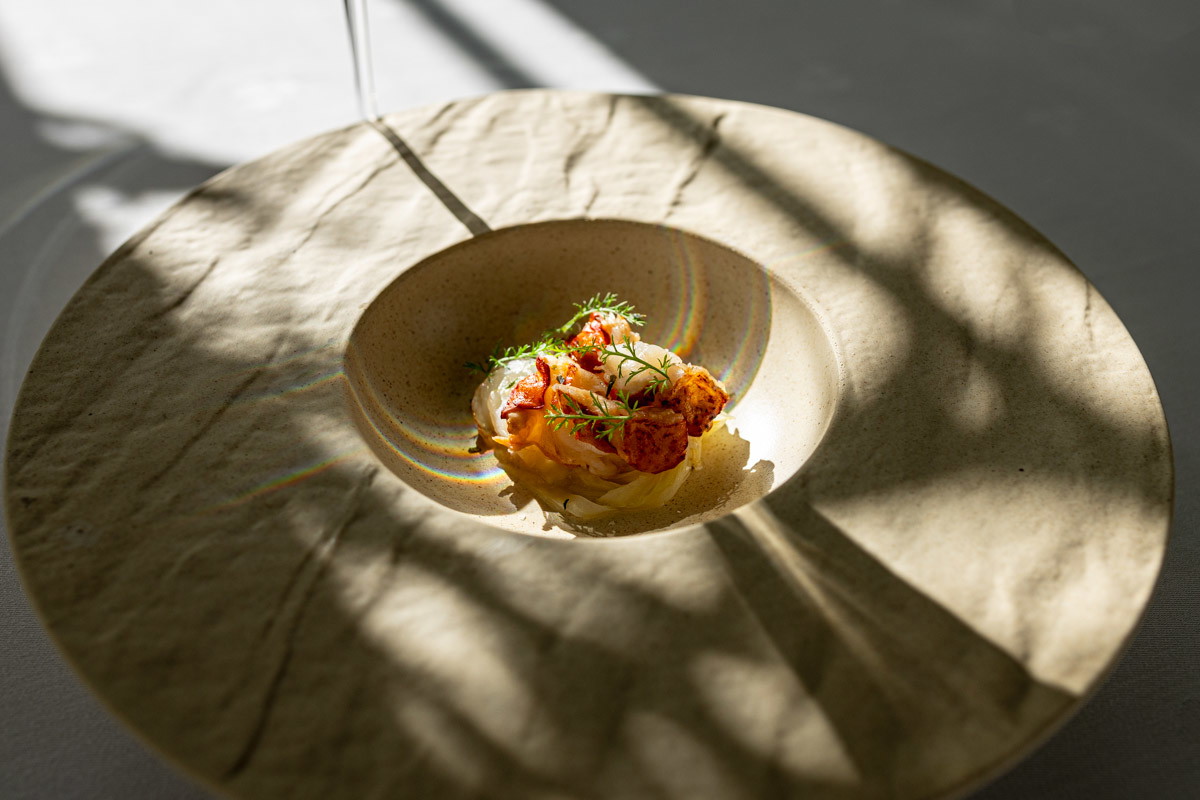
“The next dish is a bit crazy,” says Eric Bertinato, the assistant restaurant manager. He is not wrong. King crab loin with pickled and pan-fried white asparagus, bound by a rich shellfish sauce, exactly the kind of crazy that earns its place on a menu. It began as a misdelivery of 30 kilograms of king crab. It may well become the dish Ure is known for.

A langoustine course follows, its natural sweetness complemented by a fennel crudité, before the dish that will make any former Liminal regular smile: Dundrun scallop on a purée of parsnip and celeriac skins, with a sauce of garum from Tim Wendelboe coffee.

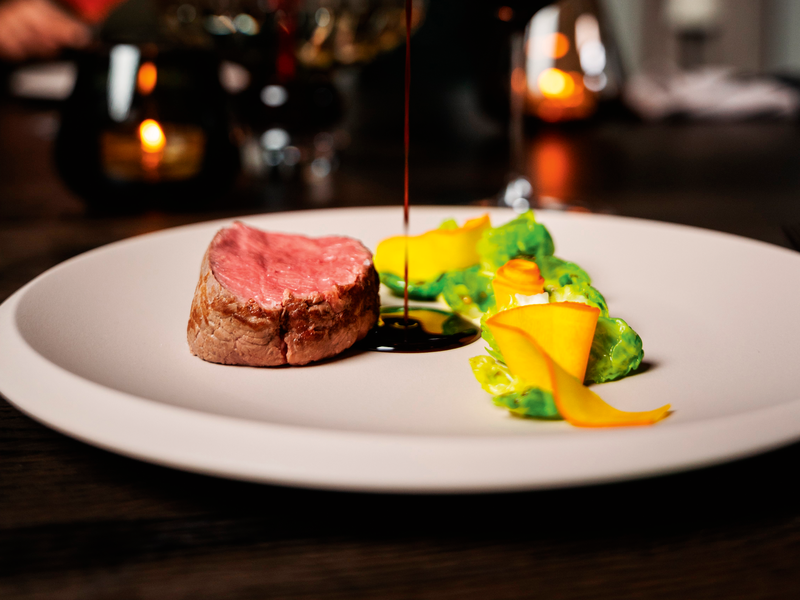
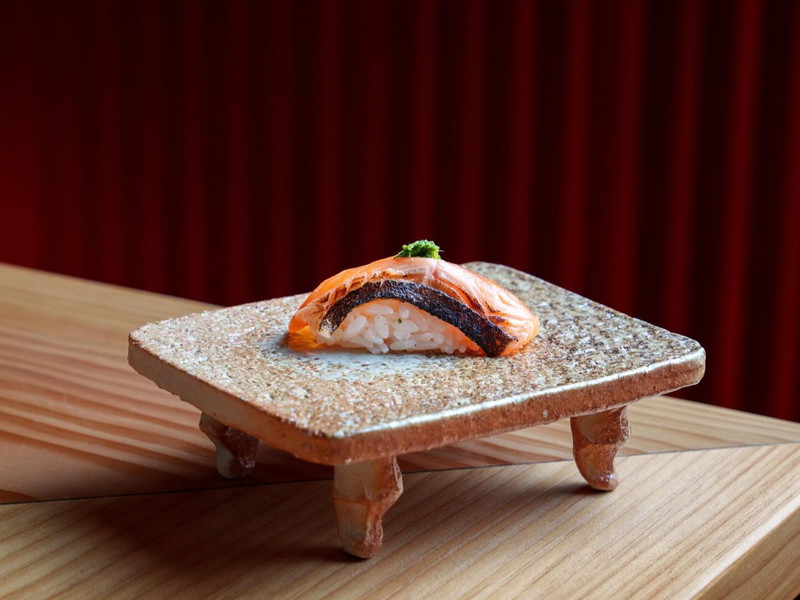
Ure Lodge is owned by a family with generations of salmon farming, so a salmon course was never in doubt. Here it takes form as a modern riff on a Norwegian classic: celeriac purée, pickled cucumber, and a sauce inspired by Sandefjordsmør. Next, lamb that grazed in the garden just beyond the glass wall, finished with a rich jus and ginger cured, smoked and dried in a technique inspired by katsuobushi.

Dessert pays tribute to the Norwegian strawberry, a quenelle set on an apple cake crumble, before the meal closes, unconventionally and memorably, with local cheeses and smoked skrei.

 

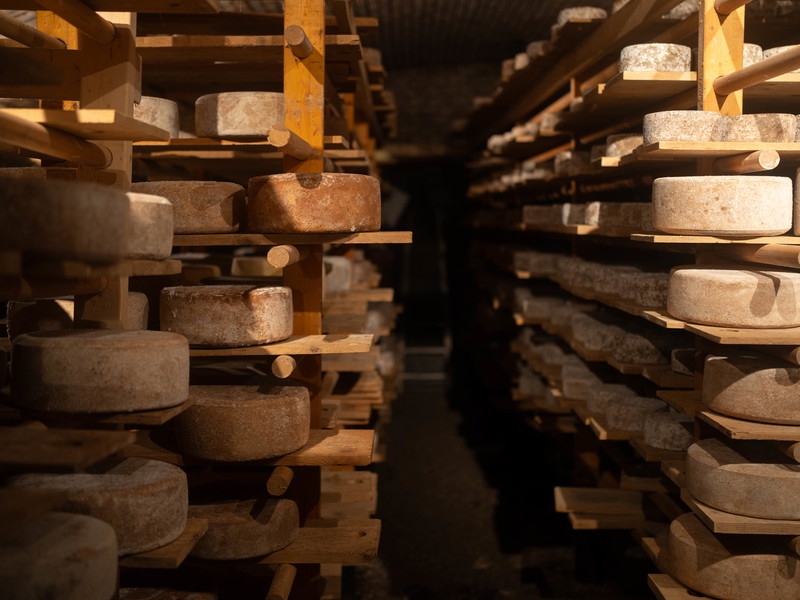
The team radiates something rare: the energy of people who have waited a long time for a room to be ready, and now finally are. Rudyna Abbas, known to everyone as Natta and our server for the evening, talks with infectious enthusiasm about plans to forage everything that grows this summer, enough to build her own juice pairing for returning guests. Oskar speaks of cheeses being developed with Lofoten Ysteri, of meadowsweet in abundance, of the smokehouse being put to full use. These are people with a plan and the patience, already proven, to see it through. Getting to Ure takes effort. Leaving, it turns out, takes more.

Find out more
1 / 12