Skip to content
© Torsten Mühlbacher

A Winter in Tyrol: Here Are the Best Tips

Destinations
Experiences

Ready, set, hit the slopes: In Tyrol, the mountains are right at your doorstep, and winter is at its most beautiful. But there's so much more to experience than just racing down the slopes on skis—Tyrol also has plenty to offer when it comes to culinary delights.

Winter Wonderland

Sankt Jakob im Defereggenta

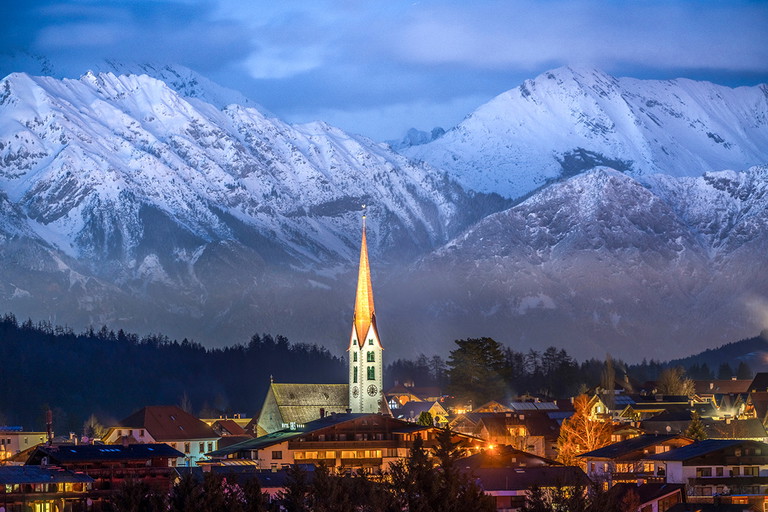
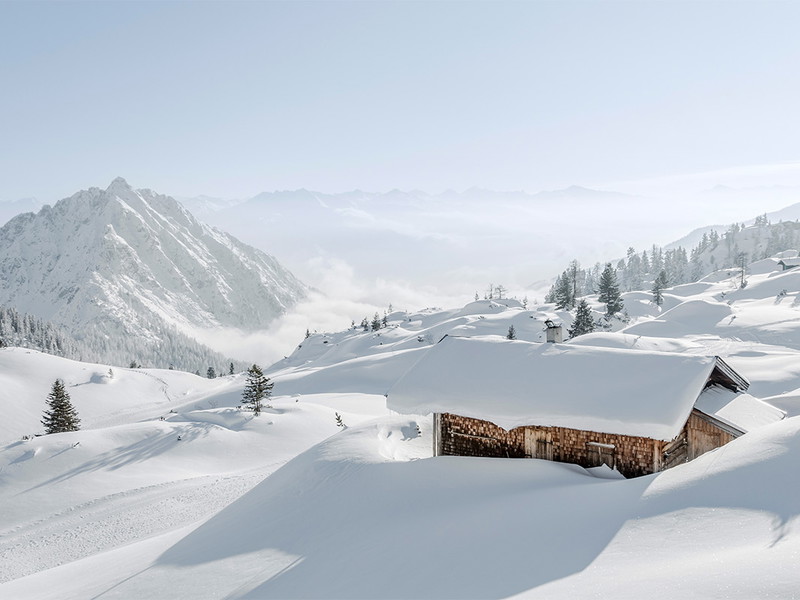
With just 54 people per square kilometer, Tyrol might seem sparsely populated at first glance. However, numbers can be deceiving, as the usable area amounts to less than 15 percent. For tourism, these dry facts translate into an abundance of nature—snow-covered mountain peaks, alpine slopes, ski runs with guaranteed snow, and sun-drenched plateaus above the clouds. At the same time, this winter paradise is well-developed, featuring cable cars, hiking trails, toboggan runs, ski touring routes, and accommodations for every budget, from affordable options to high-end luxury.

© coolnest

It's no exaggeration to say that Tyrol is like a continent. Within a small area, there's an incredible amount to discover, and each region has its own unique charm. That's why many regular visitors don't just say they're going to Tyrol—they specify destinations like Arlberg, Kühtai, or Zillertal. The landscape shapes the vacation experience, and often you can find everything in one place: gentle slopes for kids with free beginner lifts, thrilling downhill runs that will get your adrenaline pumping, and, of course, a lively après-ski scene. The legendary "Streif" at Hahnenkamm is one of the most challenging slopes in the world, with speeds of up to 145 km/h (90 mph) and jumps of up to 60 meters (almost 200 feet). But less famous runs, like the "Lange Wand/14a" in Ischgl, are equally nerve-wracking. This slope descends into the valley without a flat section, with a gradient of up to 70 percent. A specially designed machine with a winch is used to prepare it. Similarly steep is the "Lange Zug" in the Lech Zürs ski area at Rüfikopf: 4.7 kilometers (nearly 3 miles) with a maximum gradient of 80 percent. Then there's the Harakiri slope in Mayrhofen, where the name speaks for itself.

© provided

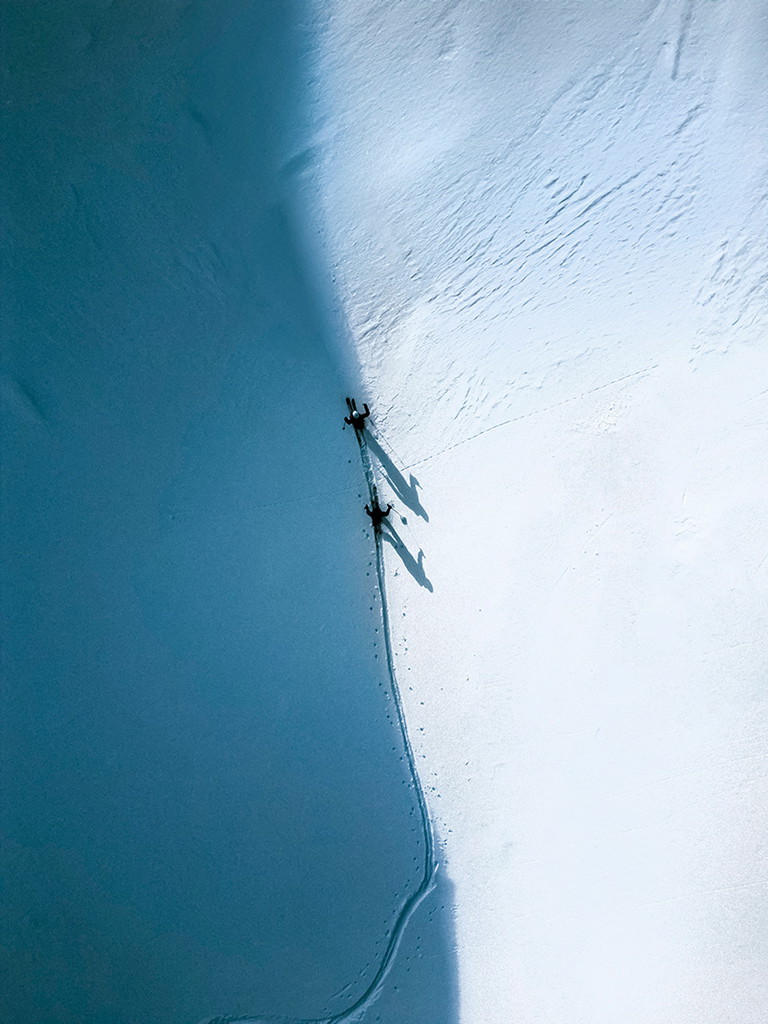
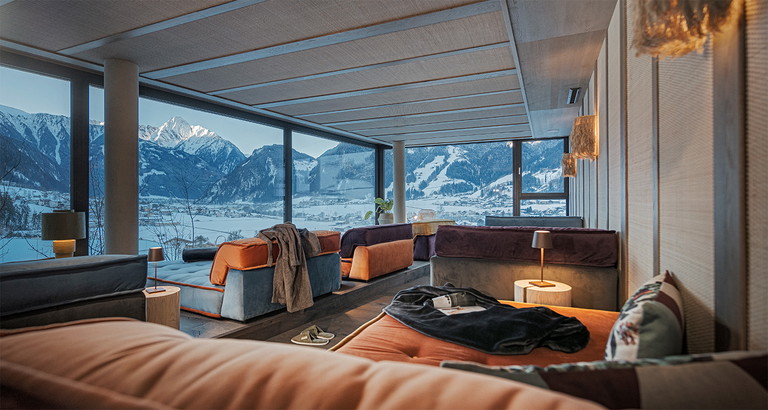
There's nothing you can't do in Tyrol during the winter—the possibilities are endless. However, it's worth deciding in advance what type of experience you're looking for. Do you want to party in the snow to DJ beats in the evening or even in the afternoon? Ischgl, the party hotspot, is a great option, offering not only a vibrant nightlife but also the legendary "Champagnerhütte," which combines extravagance with a traditional alpine vibe. At Arlberg, you'll find the modern jet set, while many Munich locals head to Wilder Kaiser, which is just a short drive away for them. Sölden boasts a high party density, attracting a younger crowd. Or perhaps you'd prefer to simply relax in the hotel sauna after a day on the slopes? Kühtai offers a quieter atmosphere, and the Hornbach Valley, far from the pistes, is also peaceful. East Tyrol's Villgraten Valley is one of the most unspoiled natural landscapes in the Alps, perfect for ski tours such as the one to Rotes Kinkele. For the adventurous, ice climbing on frozen waterfalls is another option. The most popular icefalls are in the Sellrain area, but the Ötztal and Paznaun Valley near Ischgl also offer great opportunities. "José" and "Fernando," both 50 meters high, are beginner-friendly, while those looking for a challenge can tackle "Ladylike," which already demands considerable effort just to reach. If you'd rather avoid the hustle of ski lift lines, ice skating is always a fantastic way to enjoy the sparkling winter landscape. And for insider tips, don't hesitate to ask the locals—if you're lucky, they might share their best-kept secrets!

© provided

Schlutzkrapfen, mountains and James Bond

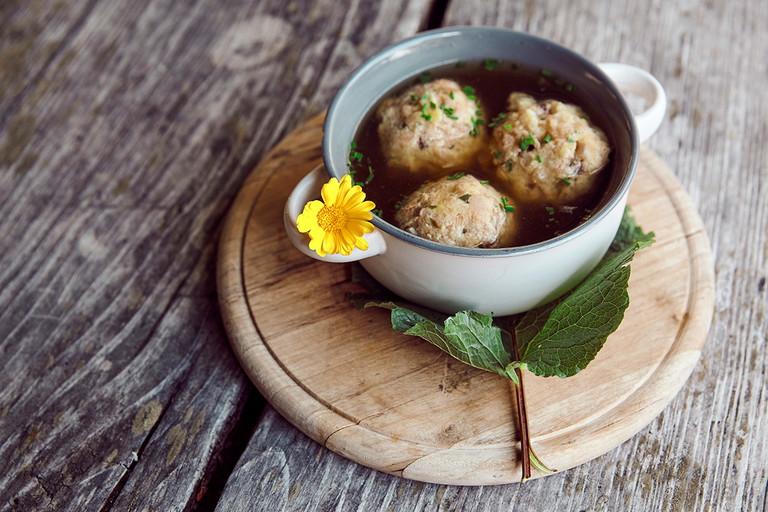
People also travel to Tyrol for its exceptional culinary scene. There are still charming, rustic huts and inns, such as the Griena, where traditional recipes are prepared, or the Unterwirt, a protected landmark since 1490 that serves as both a gourmet restaurant and a traditional tavern. Hearty classics like Kaspressknödel (cheese dumplings), Kasspatzln (cheese noodles), Schlutzkrapfen (Tyrolean dumplings), and the delightful Moosbeernocken for dessert—made with local wild blueberries—are dishes you simply have to try. Other treats like deep-fried Strauben or Apfelradln are equally delicious. The region’s high-quality local ingredients, such as the distinctive Graukäse made from sour milk, speak for themselves. Vegan dining options are also on the rise, offering something for everyone. Ultimately, it's the mix that makes Tyrol special: cozy parlors and fine-dining establishments—sometimes even combined under one roof. With 119 Gault Millau-rated restaurants, Tyrol boasts more award-winning spots than Vienna or the province of Salzburg.

Tom Specht

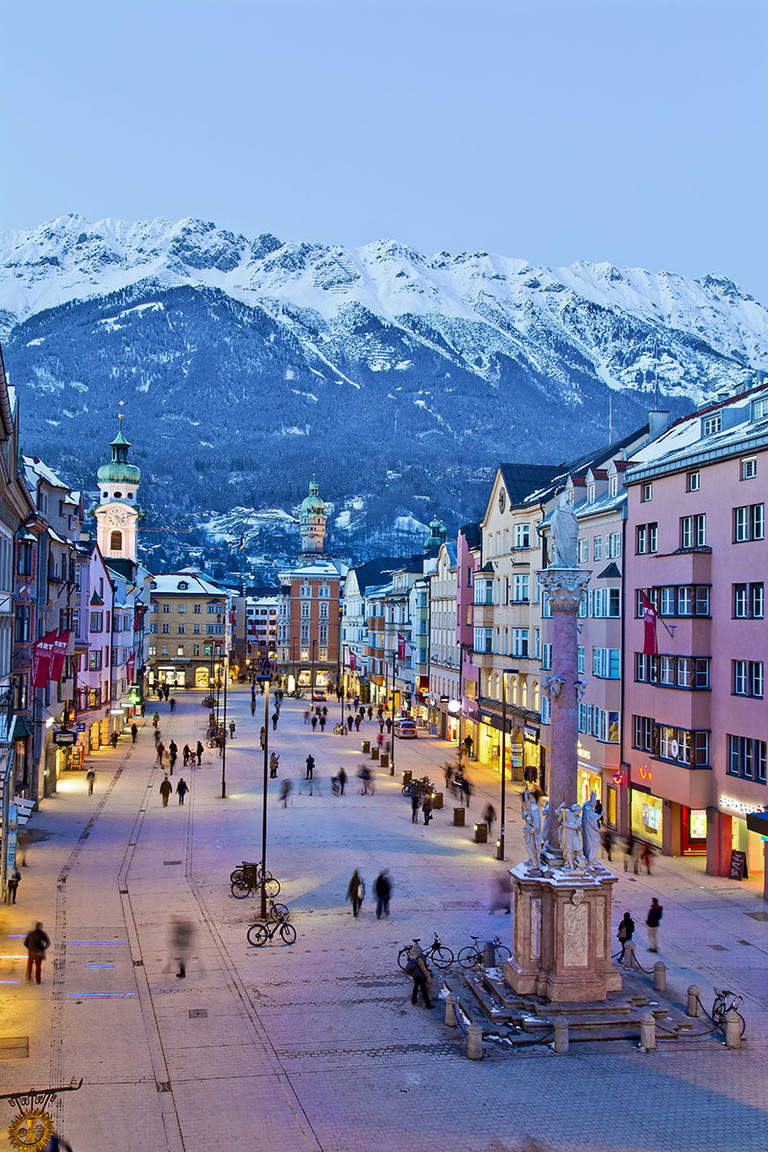
Tyrol in winter is often unfairly reduced to its breathtaking mountain scenery. Yet, Innsbruck has plenty to offer as well: the historic old town, dusted with snow, is especially romantic, with snow-covered mountains providing a stunning backdrop. Architecture enthusiasts will love the Bergisel Ski Jump or the Café 3340 on the Pitztal Glacier, which looks like a UFO. In Schwaz, visitors can explore ancient tunnels in the silver mine, while in Sölden, the James Bond Experience at Gaislachkogel awaits. The viewing platforms on the Stubai Glacier offer incredible views of 109 peaks over 3,000 meters high, while Valluga Peak in St. Anton and the Panoramabar in Obergurgl-Hochgurgl provide equally breathtaking vistas. For a unique high-altitude experience, visit the world's longest Tibet-style pedestrian suspension bridge in Reutte. It sways and wobbles, and the view into the depths below is a real adrenaline rush. This mix of thrills and beauty is what keeps visitors coming back. Tyrol truly is a giant adventure playground. 

© provided

Read more: Genuss-Hotspots Tirol - Die Fab 6 von Narrischguat

Karin Cerny
Find out more
1 / 12