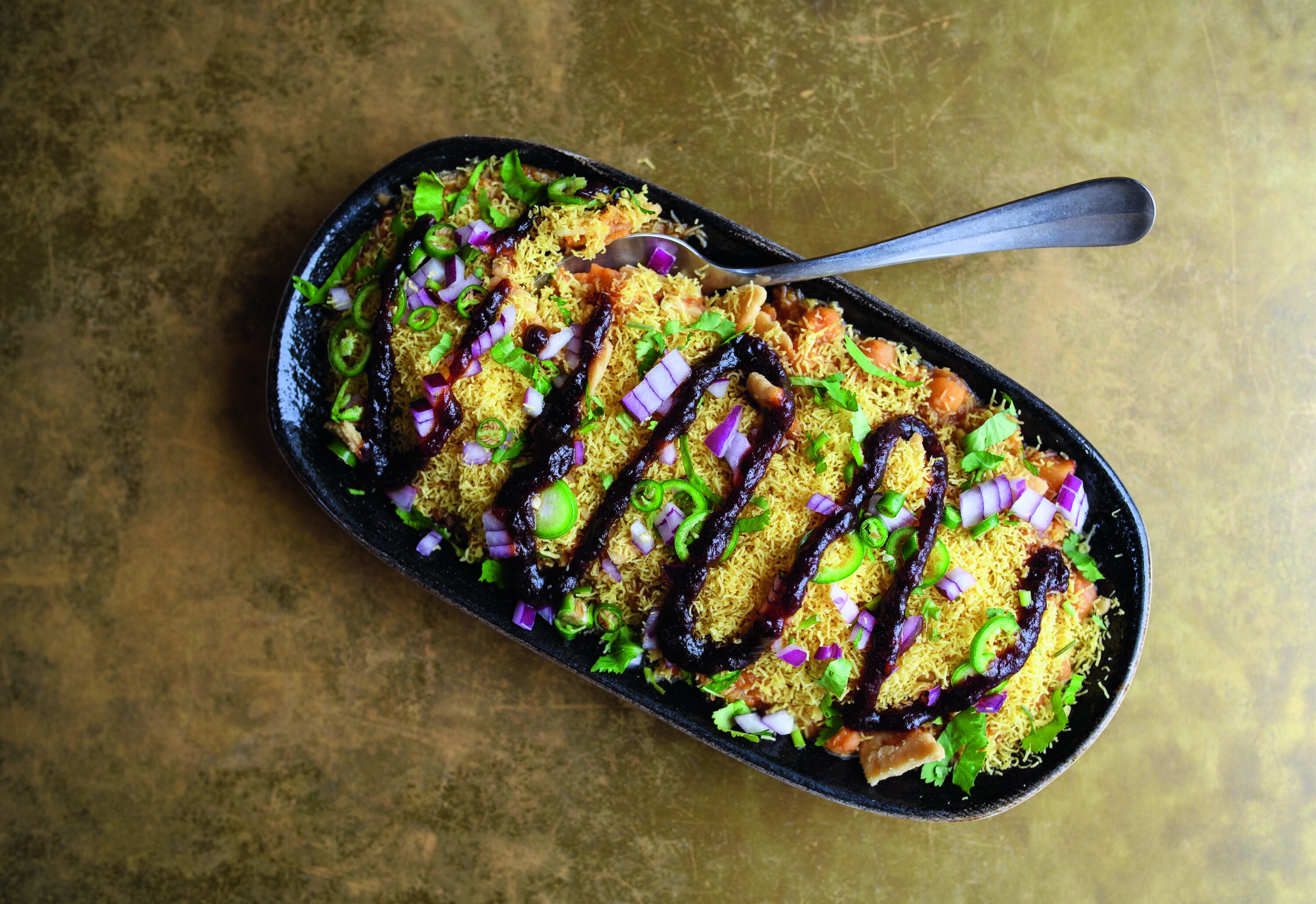
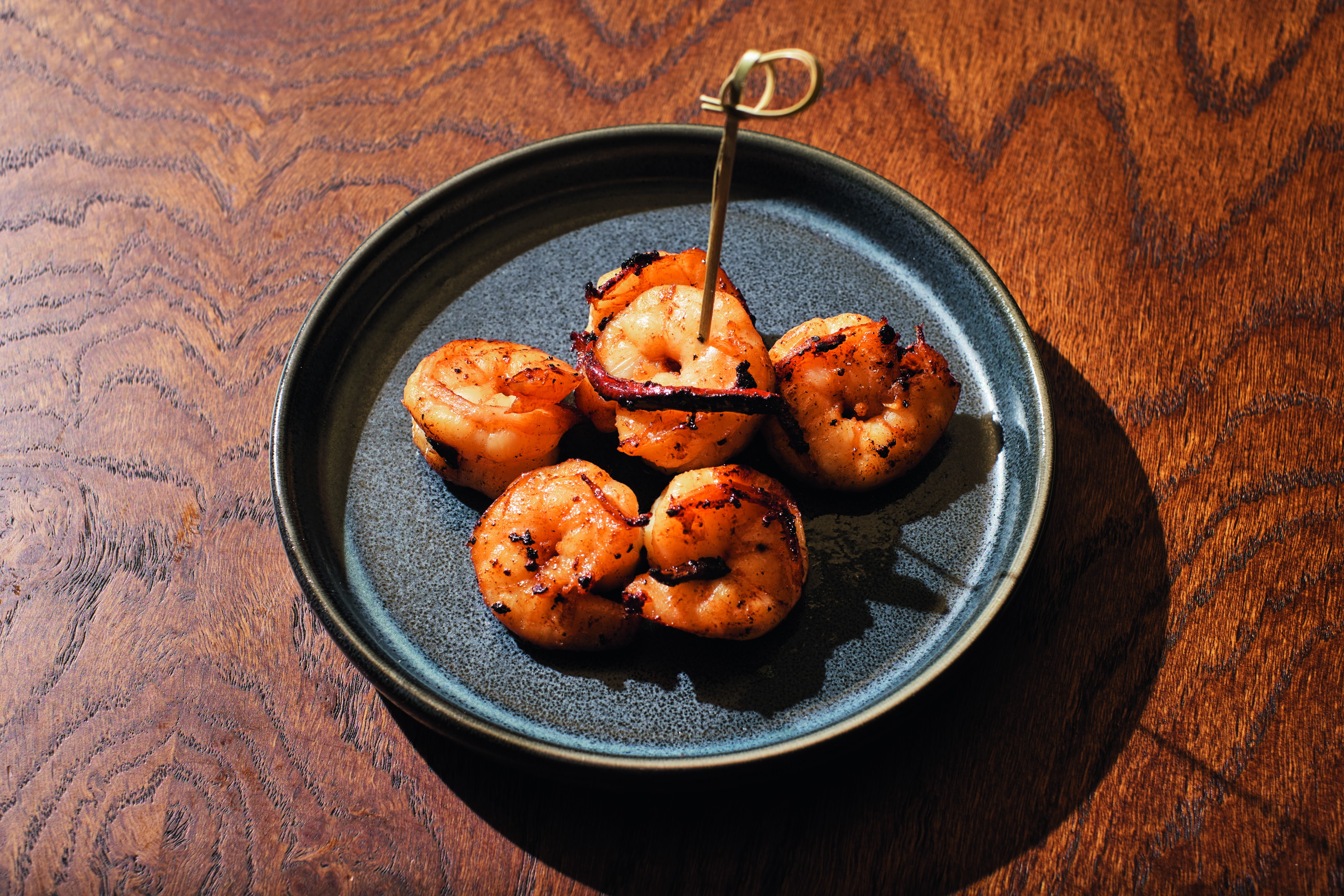
Darjeeling Express: London's most hyped Indian restaurant
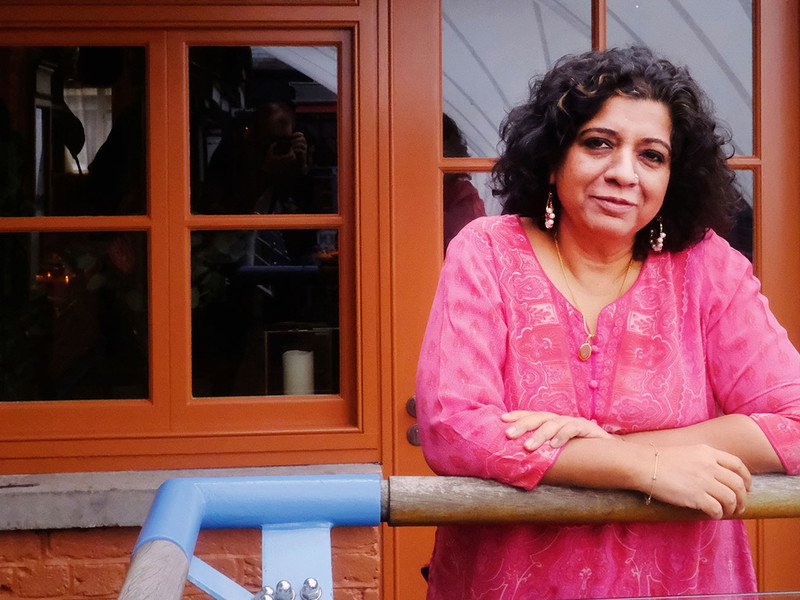
Asma Khan started cooking to free herself from her homesickness for India. Today, the doctor of law is one of England's best-known restaurateurs. Along the way, she has done away with many prejudices against women. Their recipe for success: authentic food and equal pay for all.
If British bookmakers had been at the opening of the Darjeeling Express, hardly anyone would have bet on Asma Khan's success. No wonder, because by all current standards it seems pretty reckless to run a restaurant without professional chefs in a highly competitive food court. But Khan learned early on to exceed the expectations of others.
"In my home country of India, daughters are considered a burden," says the 55-year-old. "They should be married off well, which costs a lot of money." The reason for this is the dowry that the bride's father traditionally has to pay to his son-in-law. While jewellery used to be given as gifts, today it is often consumer goods such as televisions, laptops and sometimes even cars. For many families, girls are therefore primarily a cost factor that, at worst, puts them in financial difficulties. "There's an old saying in India," adds Khan. "Raising a daughter is like watering your neighbour's garden."
Fully booked
Fortunately, her parents are more progressive. "They never made my sister and I feel unwanted," says Khan, "even when my mother eventually had a son, we siblings were treated equally." Khan was even the first in the family to gain a doctorate; in law at King's College London. "It was important to me to make my parents proud," she says. It is all the more remarkable that Khan gave up her career as a lawyer to work behind the stove.
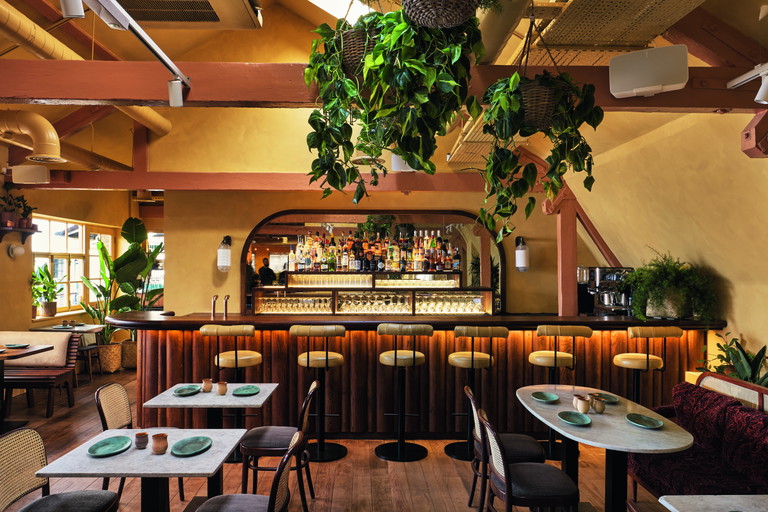
When Khan arrives for the interview at the Darjeeling Express, her colleagues are setting the tables. This evening, the restaurant in London's West End is once again fully booked – as it almost always is since Khan was given her own episode in the Netflix series Chef's Table. "When the request came, we had only been open for six months," she says.
All-female kitchen brigade
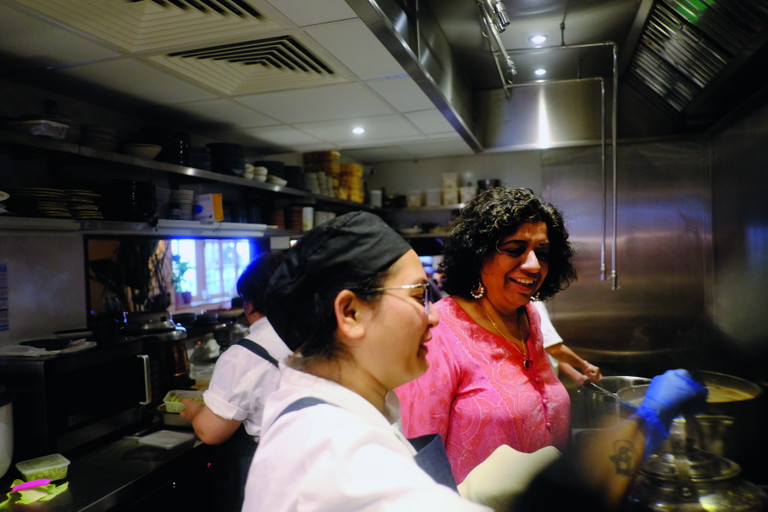
However, the concept of the Darjeeling Express is so unique in the male-dominated restaurant industry that this sensation is hardly surprising: Khan works with an all-female kitchen brigade. All the women in her team are immigrants from India and Nepal without professional cooking training. "Everyone receives the same wage," says Khan, "including me."
For her, there is no greater success than seeing her chefs gain self-confidence through their work. "You can feel their energy as soon as you walk into the restaurant," says Khan. "For years, these women thought their lives were worth nothing because they received no recognition from their families. Now they are appreciated. I believe that is the reason for our success."
Cooking against homesickness
If you ask Khan about her own start as a chef, she tells you that it all began with unbearable homesickness. She was 20 years old when she moved from Calcutta to Cambridge with her husband. The marriage was arranged, as is still often the case in India today. But that wasn't the bad thing. "My husband is highly intelligent, deeply liberal and has a strong sense of justice," says Khan. However, he was so busy with his job at the time that she was usually alone. "I was completely isolated. As a young, dark-skinned woman, it was difficult to get to know people back then."
If I had to choose one dish that best describes me, it would be this one.
One day, she was walking past a house and noticed the smell of freshly baked pancakes through an open window. Home, she thought. Back in her apartment, Khan immediately rushed to the stove and started cooking. "As the aromas spread through the kitchen, I felt like I was back in India. It was as if my mother was standing next to me and guiding me."
In 1996, Khan and her husband moved to London. She gave birth to two sons and began studying for a doctorate, although she already knew at the time that she would rather be in the kitchen. "If someone had told me back then that I would one day open my own restaurant, I would have laughed at them." To her, gastronomy seemed like a private club for white men.
It started in the supper club
That changed when Khan first heard about the so-called supper clubs that were springing up in London at the time: semi-secret dinner events where food is served to friends and strangers without official permission, usually in private homes.
Khan also began inviting people to her home. Over time, the number of her guests grew, and at some point the demand was so great that she could no longer manage the kitchen work alone. "Our apartment at the time was opposite a school," she says. "Every day I saw South Asian women there who worked as nannies for wealthy families." She invited these women to her home and soon they were actively helping Khan with the cooking.
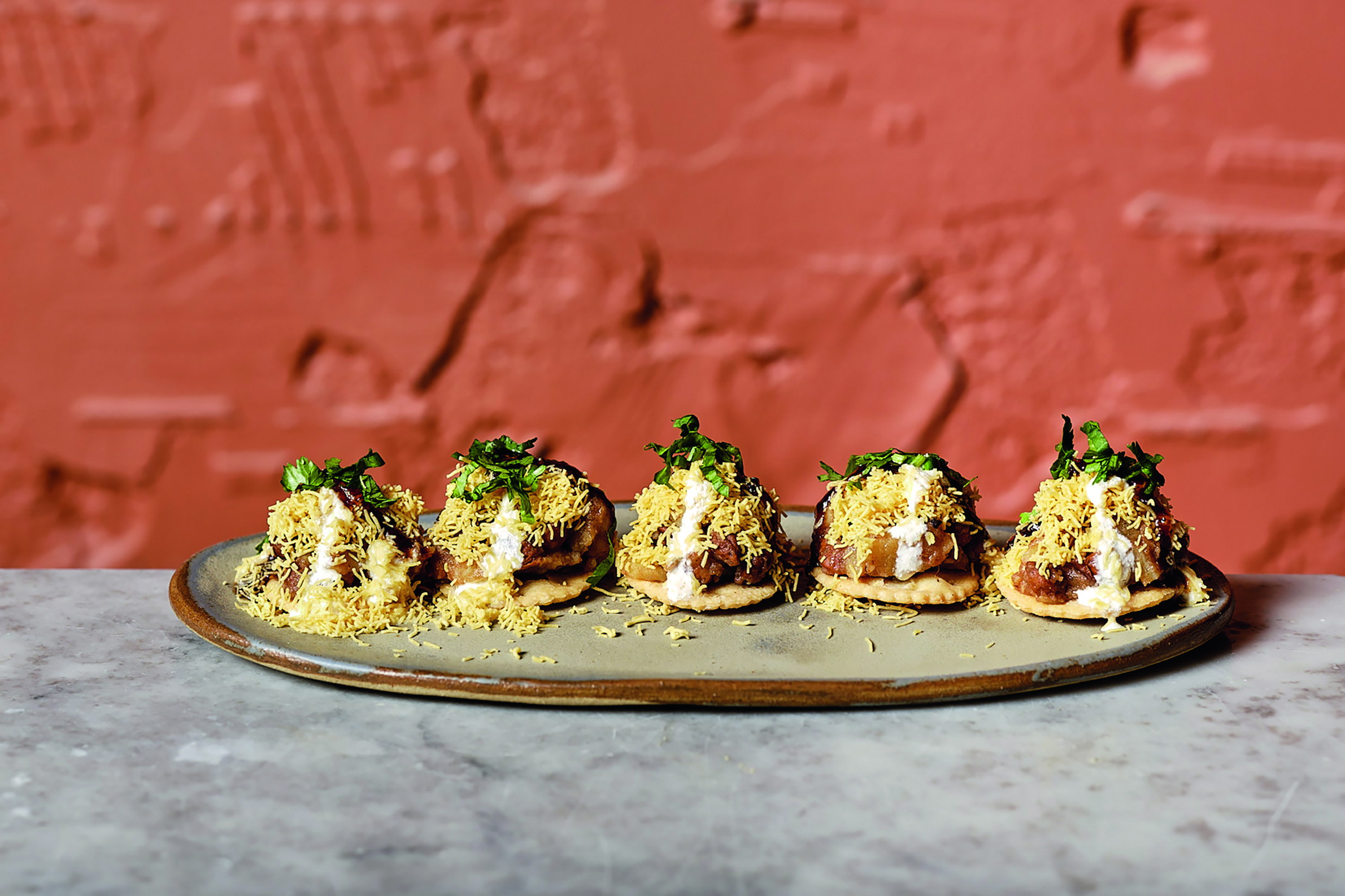
In 2017, she opened the Darjeeling Express, which is now considered one of London's top addresses for Indian cuisine. The food there is simple but authentic – like the biryani, a traditional stew made from meat, saffron milk, potatoes, rice and lots of spices. The ingredients are layered in a large pot, which is then sealed with batter. You can't look in while the biryani is cooking. "You need confidence to prepare it," explains Khan, "If I had to choose one dish that best describes me, it would be this one."
Don't miss out!
Sign up now for our newsletter.