Skip to content
Roderick Aichinger

Delights in the mountains of Tyrol

Advertorial
Tirol
Regionalität
Gourmet
Hüttenguide

After decades of mainly serving ready meals, Tyrolean mountain huts are discovering the benefits of regional and seasonal dishes.

High up, where there is a pleasant scent of alpine herbs in the air, the cows graze contentedly on the lush green alpine meadows and you can feel your legs getting heavier and heavier after a challenging ascent, it is waiting: the reward at the »Hüttn«. The regional and seasonal Tyrolean specialties served taste of home; they are not a meal, but a feeling. But how is it possible to serve good food at an altitude of over 2,000 meters?

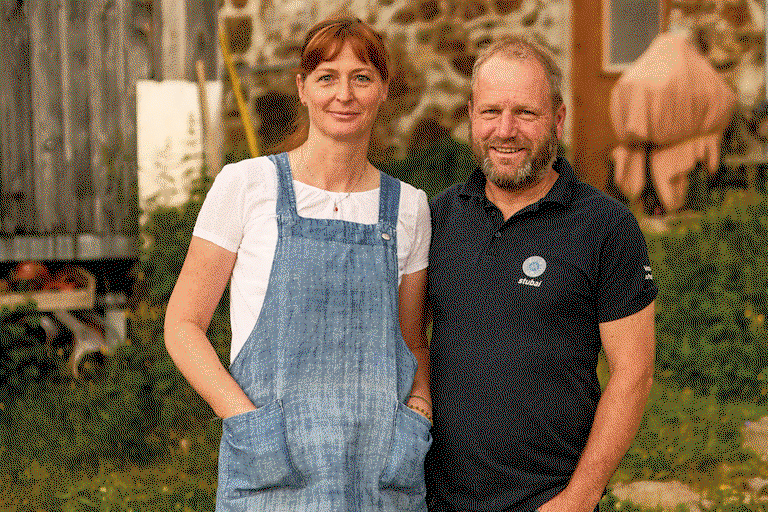
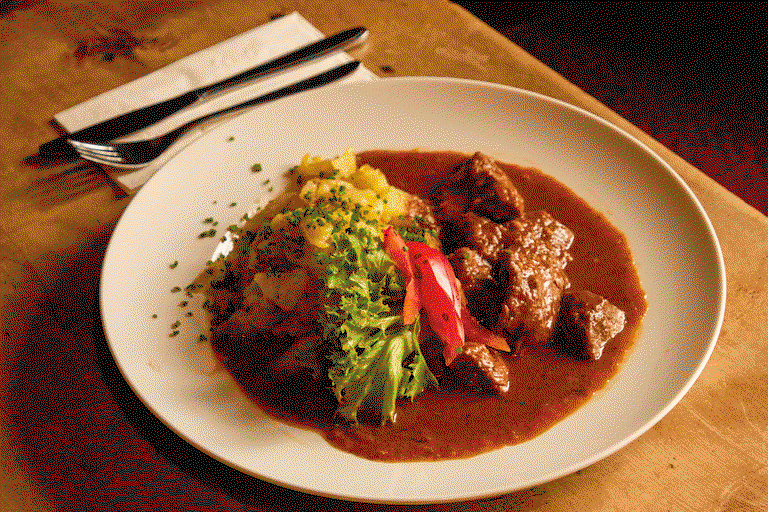
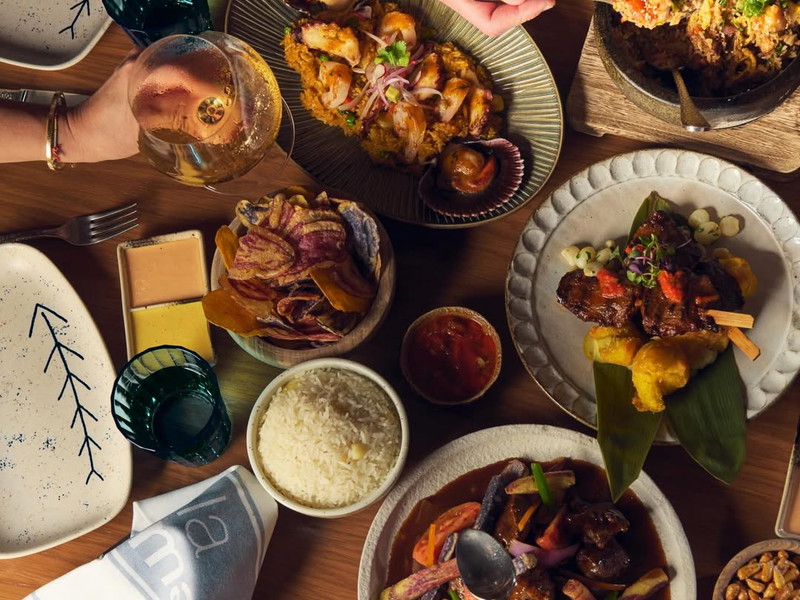
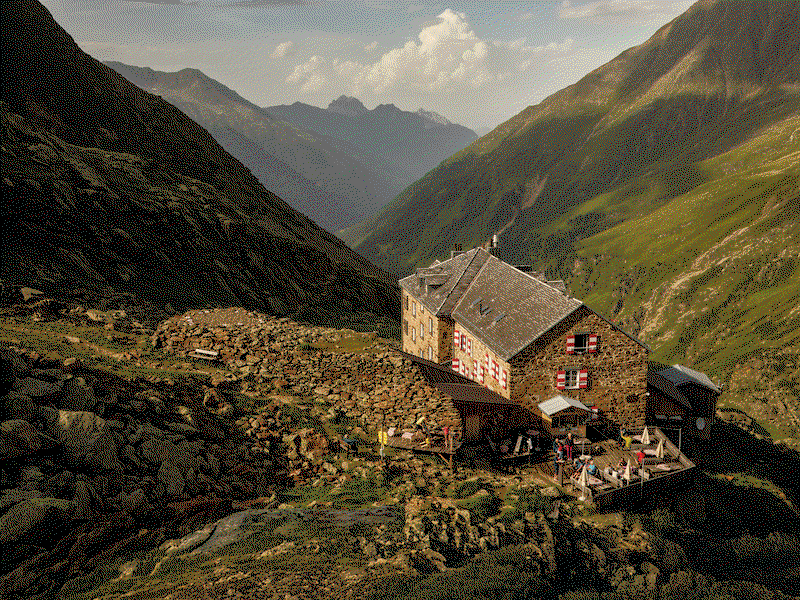
Silky-creamy organic hay milk from the cows Heidi and Gundi, bacon potatoes of the Ditta variety, fine smoked bacon from home-cured pork, Sweet and sour jams and compotes made from local fruit, freshly harvested vegetables - it reads like the ingredient list of modern top gastronomy (the Originality and sustainability as a kitchen philosophy), but in fact it's all about products for »a Marende«, »wos Gscheids« and »wos Siaßes«, as enjoyed by hungry hikers from June to October at Martina and Leonhard Siller's »Nürnberger Hütte«; products from the organic farm »s'Landhaus« in Neustift. Industrial products such as frozen fries or analog cheese spaetzle do not make it into their shopping bags, even though they bring everything fresh up to over 2,000 meters. The »Nürnberger Hütte« is without doubt one of Tyrol's culinary hotspots, where the emphasis is on quality from the region.

©
©

The rise of Alpine cuisine began at the end of the 19th century. In the beginning, huts offered shelter - without food. People lived from what they hauled up or produced: Cheese, butter, bacon, schnapps, pickled sausages. The »Nürnberger Hütte« was built in 1886 as a shelter. »During the war, many people were self-sufficient«, says Leonhard Siller, who is the fifth generation to lease the hut with his wife. Provisions were dug into the snow in winter, then potatoes and flour were brought up with Haflinger horses - soon dishes were being prepared on the mountain just like in the valley.

Most businesses in Tyrol are family-run and recipes are passed down through the generations. Martina makes her apple strudel with shortcrust pastry, »because puff pastry is a bit of a flop«. »Schlipfkrapfen« and »Kaspressknödel« are also long-established dishes. But there was one brief interruption: »Grandma once made pea soup from the packet,« Leonhard remembers. However, the use of convenience food was only a brief interlude.

© Roderick Aichinger

The mass tourism of the 1960s brought tinned and ready-made food to the huts. However, trends such as slow food and a new, picky generation put an end to this phase; it was easy to return to it, as traditional Tyrolean cuisine has always fulfilled everything that today's healthy hedonist heart desires: it is healthy, sustainable and delicious. Classics such as »Brettljause«, »Kaiserschmarrn« and »Strudel« are always a hit, seasonally there are pumpkin dishes or raw barley risotto. During the week, we experiment, for example with pulled beef or roast pork burgers with home-baked buns.

The audience is younger and more international. Martina knows that the Dutch don't like dumplings. The kitchen adapts: Aperol Spritz for Instagram, vegan dishes with carob bean gum. But Nobody writes down recipes: Martina calls her mother-in-law: »Maria, how did you do make that?« - »With thyme.« But the most important ingredient is feeling.

More info

Further information can be found at tirol.at/magazine

Find out more
1 / 12