Skip to content

Easter in Sweden: A Colourful Table of Traditions

Nordics
Sweden
Traditional Dish

From pickled herring and gravlax to playful traditions and vibrant spring decorations, Easter in Sweden – påsk – marks the return of light after the long Nordic winter.

The Swedish Easter Table

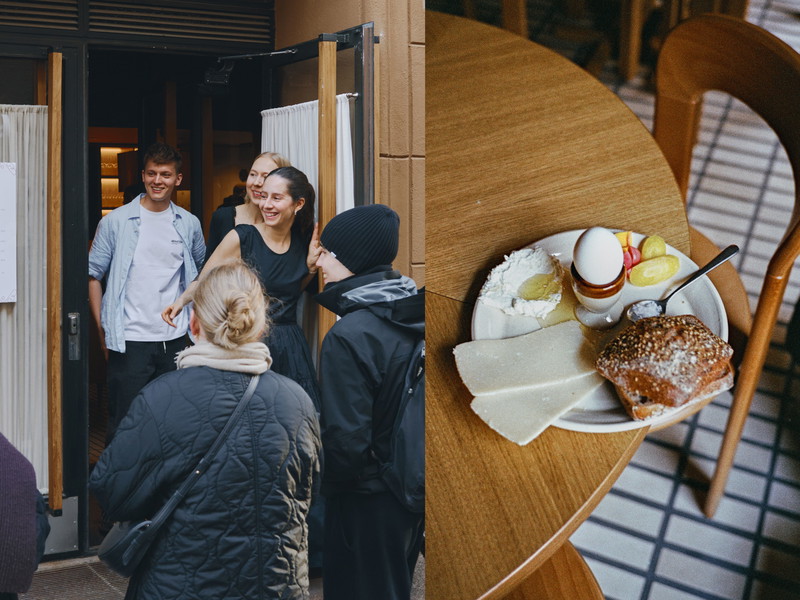
As with many Swedish holidays, Easter revolves around food and time spent together. Families gather for a festive Easter buffet (påskbord), often laid out in the style of a traditional smörgåsbord, the Swedish buffet of small dishes meant for sharing.

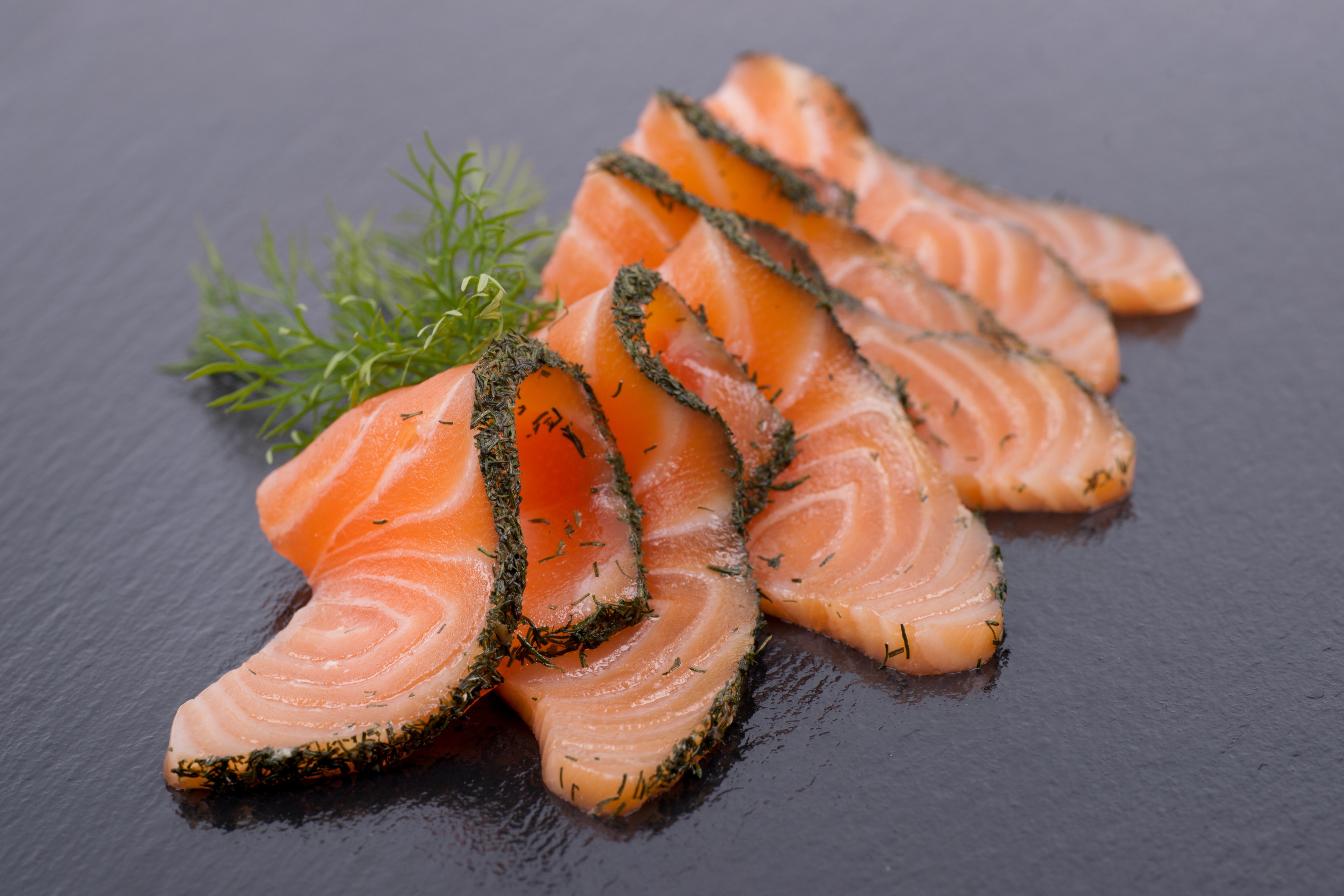
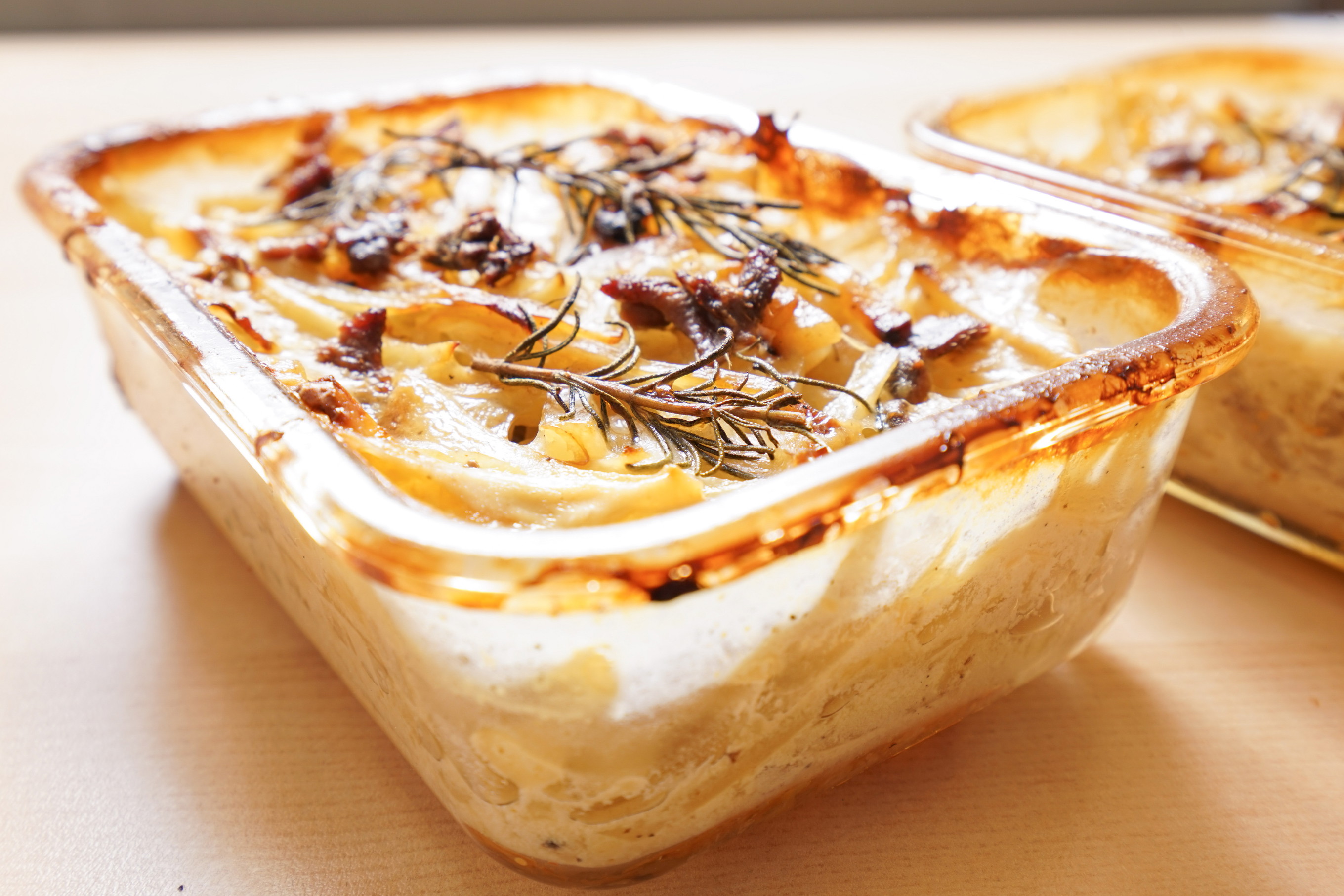
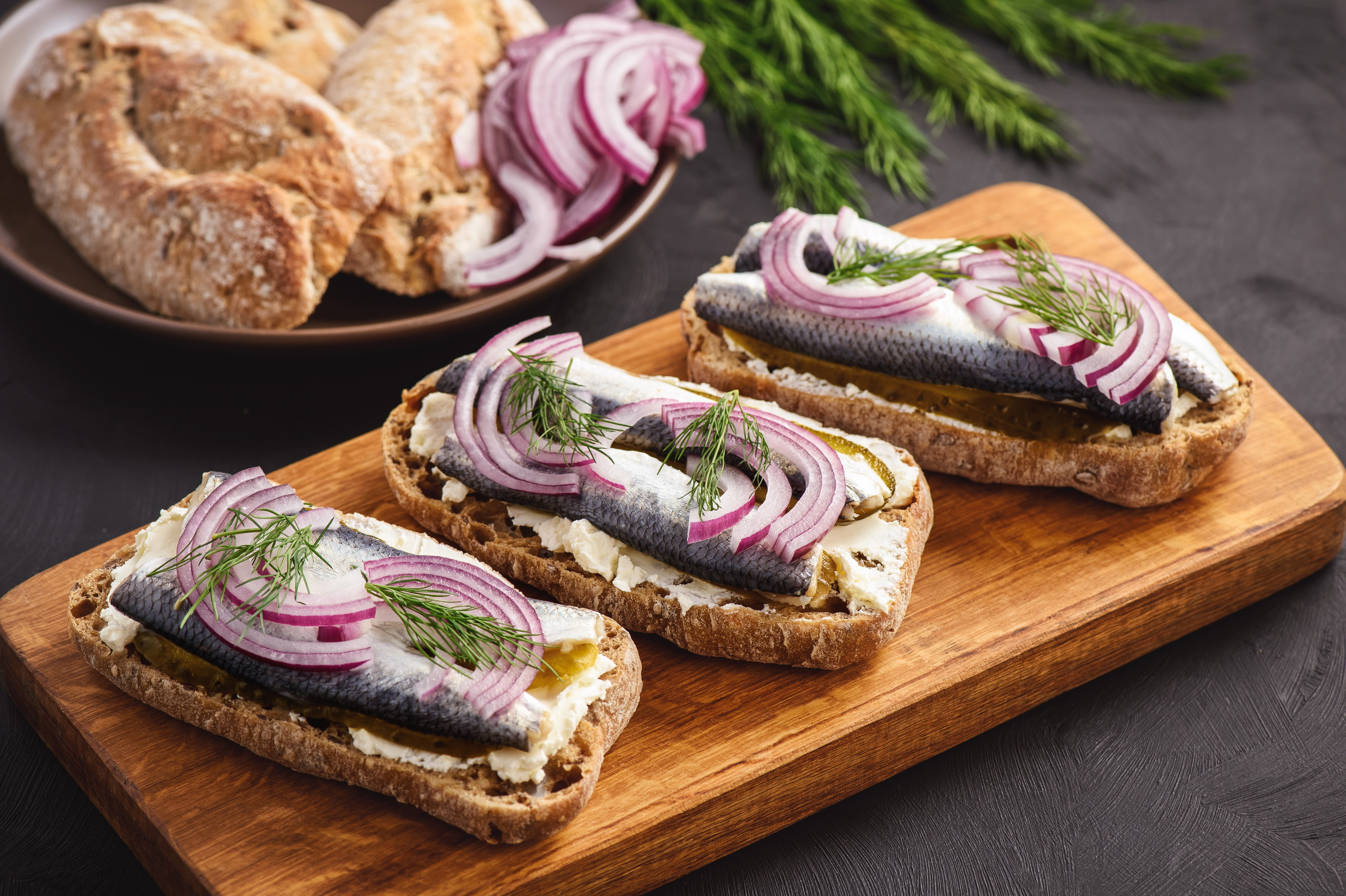
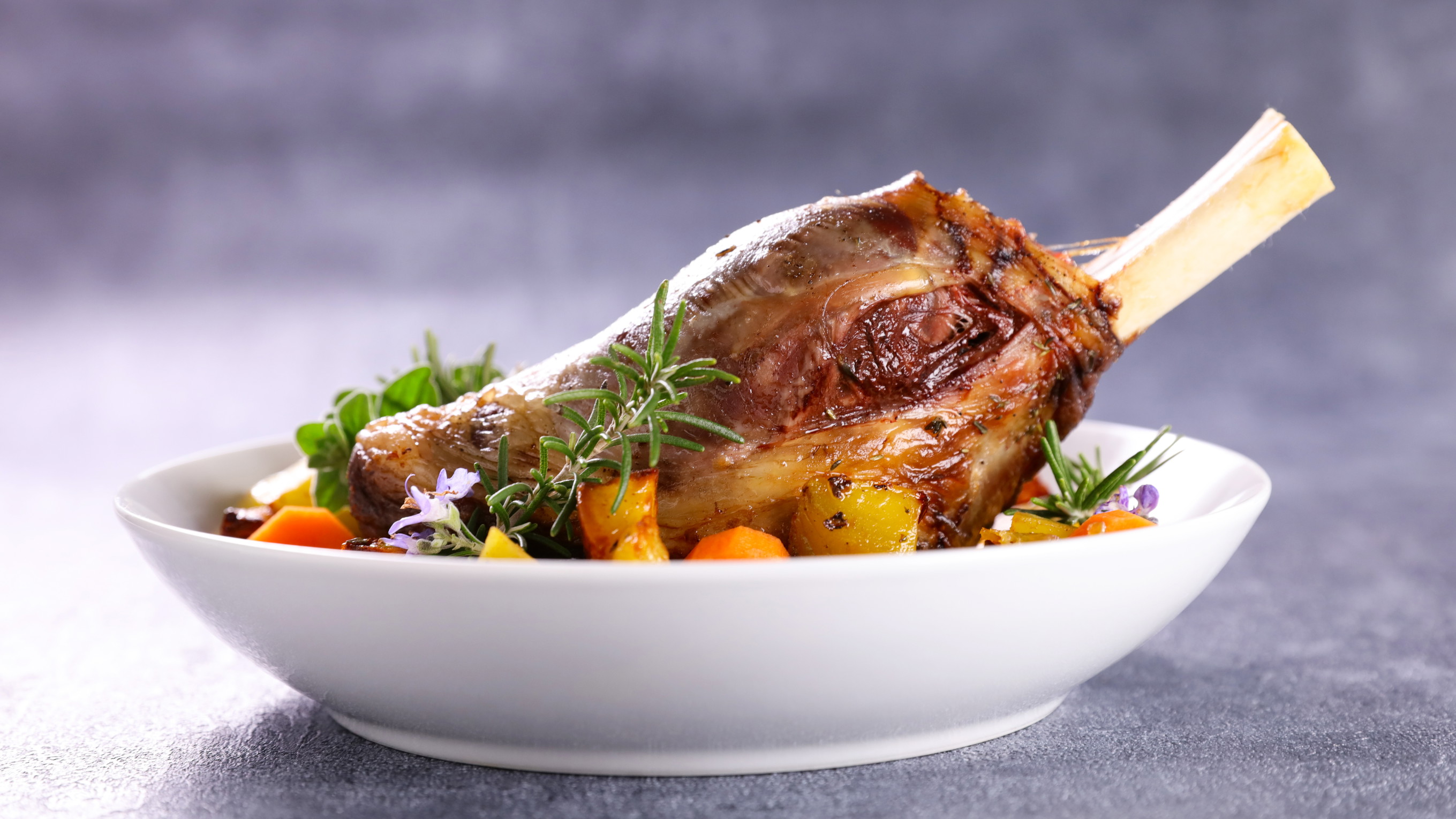
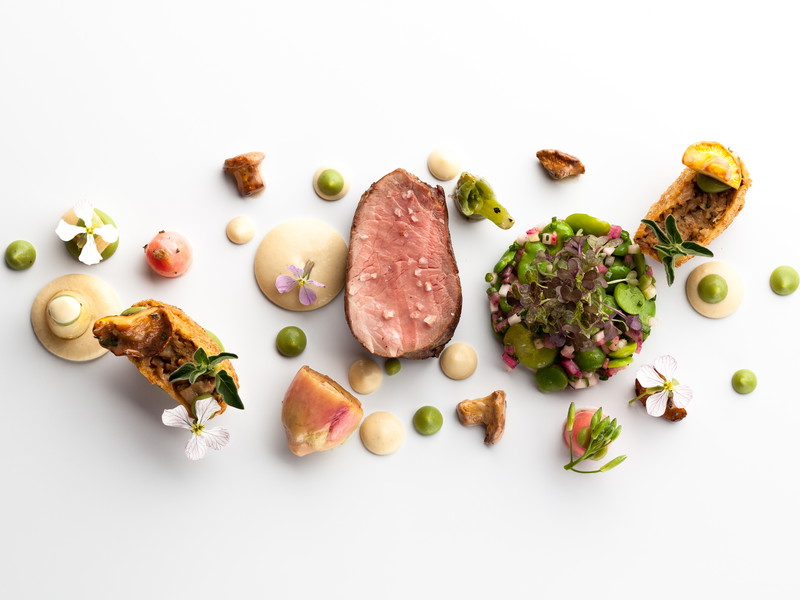
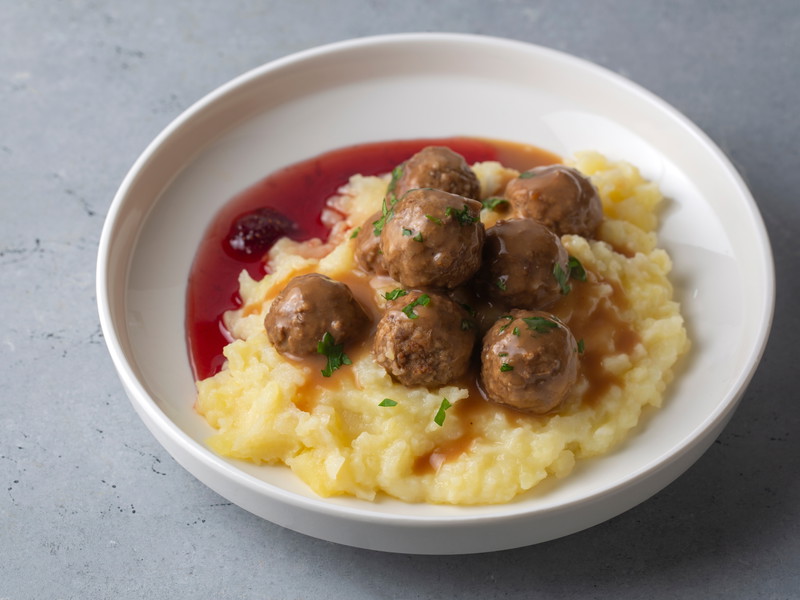
Pickled herring is the centrepiece, typically served in several variations alongside boiled potatoes and eggs topped with fish roe. Thin slices of gravlax, the classic Scandinavian dill-cured salmon, are another essential, while favourites such as meatballs and the creamy potato casserole Jansson’s Temptation often appear on the table. For the main meal, many Swedes serve roast lamb, accompanied by seasonal sides.

The table is usually paired with chilled beer and aquavit, a Nordic spiced schnapps often enjoyed alongside traditional drinking songs that add a cheerful tone to the gathering.

Spring Colours and Traditions

Easter decorations in Sweden reflect the arrival of spring. Homes are often adorned with birch twigs decorated with colourful feathers, known as påskris, a tradition dating back to the late 19th century.

Another uniquely Swedish custom is the tradition of Easter witches (påskkärringar). An old Swedish legend says that witches once flew to the island of Blåkulla on the Thursday before Easter. Today, children dress in colourful headscarves and painted rosy cheeks, going door to door with drawings in exchange for sweets – a charming custom that loosely echoes Halloween.

While Easter still holds religious meaning for some, modern Swedish påsk is largely a celebration of family, food and the arrival of spring. Bright decorations, generous buffets and playful traditions transform the holiday into a warm and colourful time.

The Editors
Find out more
1 / 12