
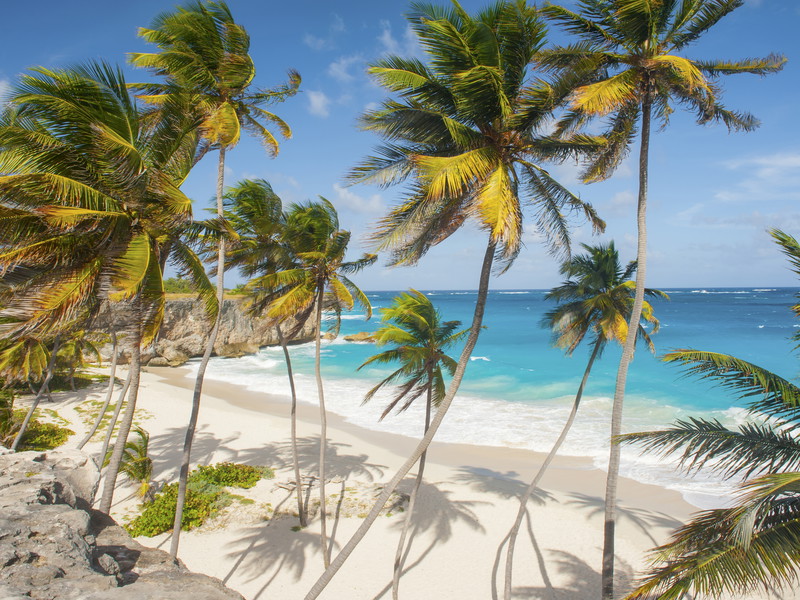
Just beach and sea? The Caribbean is more than a postcard idyll
Sand, beach, sea and palm trees - the common image of the Caribbean hardly does justice to its diversity. If you really want to discover the region, you will find more than just a postcard idyll. Falstaff TRAVEL presents the Caribbean as a true kaleidoscope.
White sand, turquoise blue water, green palm leaves; the trinity of the Caribbean postcard motif. Yet the Caribbean is much more than the cliché of the tropical dream beach that has been immortalized in the collective memory through films, travel catalogs and Instagram. It is an extraordinarily diverse region of the world, comprising over 7,000 islands, more than a dozen sovereign island states and numerous other territories. European and African influences, Creole culture, sleepy and lively colonial towns, volcanoes, rainforests, coral reefs and, of course, paradisiacal beaches - the Caribbean has it all.
TEA TIME AND "FLYING FISH"
Each island has its own individual history and charm. The European powers left their mark, as did the descendants of slaves from Africa. Barbados, for example, the home of rum, cultivates its British heritage - the former colony is closely linked to Great Britain, and it shows. The "Sandy Lane Hotel" on the elegant west coast of Barbados is a Caribbean icon. The resort, which opened in 1961, is home to royals, Hollywood stars and top politicians. They appreciate the gourmet restaurants, the golf courses and the spacious spa. The legendary hotel combines the tradition of a British grand hotel with tropical comfort. In the capital Bridgetown, colonial buildings, cricket pitches and afternoon tea are reminiscent of the Caribbean's "Little England" era. Holetown is the meeting place for the jet set on the Gold Coast in the west, also known as the Platinum Coast. But a detour to the south is also worthwhile; at the evening fish fry in Oistins, the local Bajans put everything from marlin to swordfish on the grill. Be sure to try it: Flying fish with cou-cou, the national dish.
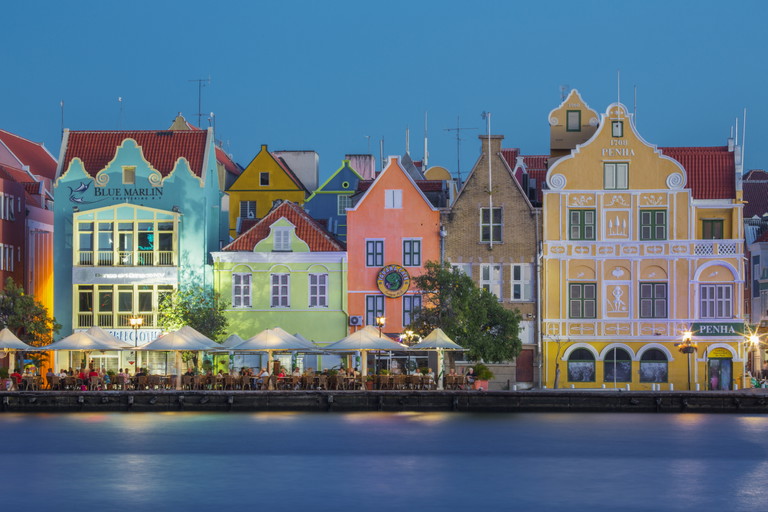
The island of Curaçao, on the other hand, exudes Dutch flair. The narrow plots with their gables on the Handelskade are reminiscent of Amsterdam canal houses, only with a Caribbean twist: pastel colors, plastered coral stone facades; a kind of Dutch-tropical mix. Curaçao was also a colony for a long time, then part of the Netherlands Antilles. Today, the island still belongs to the Kingdom of the Netherlands as an autonomous country. The colorful old town of Willemstad is a Unesco World Heritage Site; most of the locals are Afro-Caribbeans. Despite its urban character, Curaçao has several beaches that fulfill the cliché of the Caribbean postcard motif, including Playa Kenepa Grandi, Cas Abao and Playa Porto Mari. The island is particularly interesting for snorkelers and divers, who can explore a wreck on Tugboat Beach, for example.
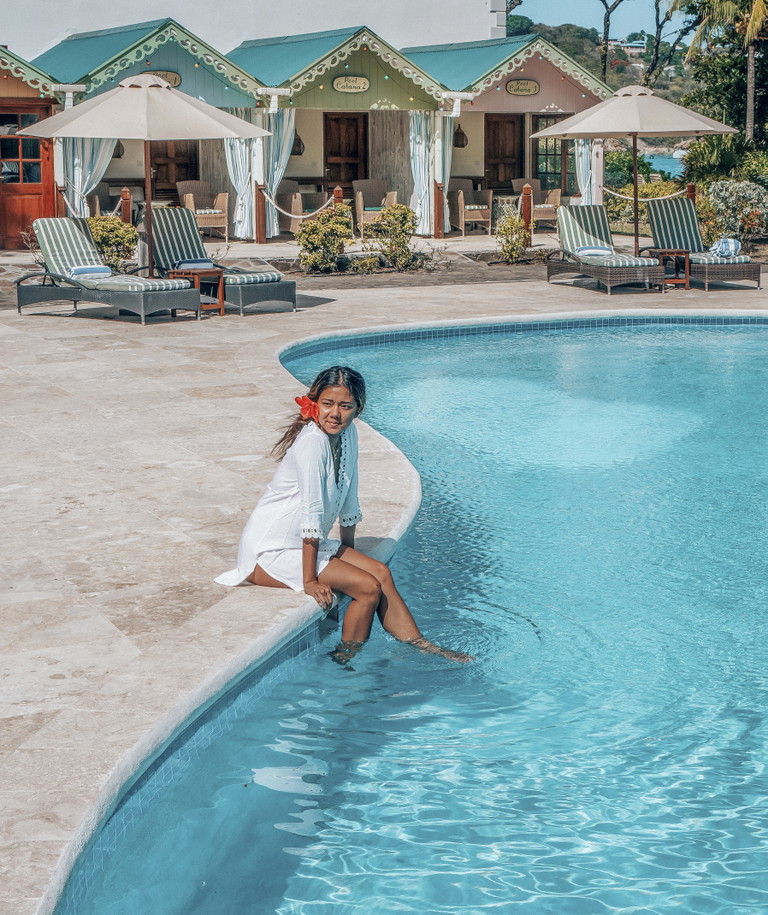
© Patrick C. Hutchins, bereitgestellt
© Jane Sweeney / AWL Images
HIKING TOUR AND DESERT LANDSCAPE
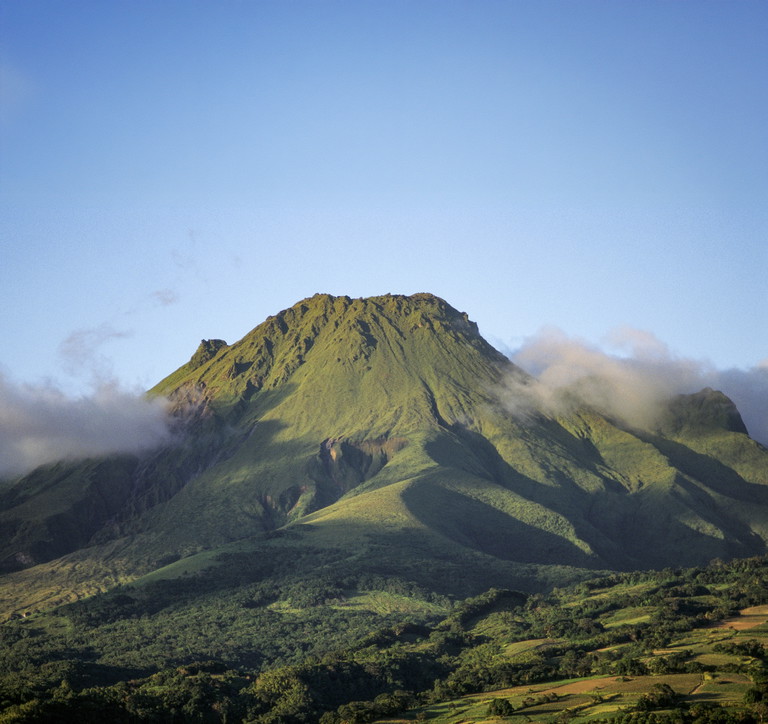
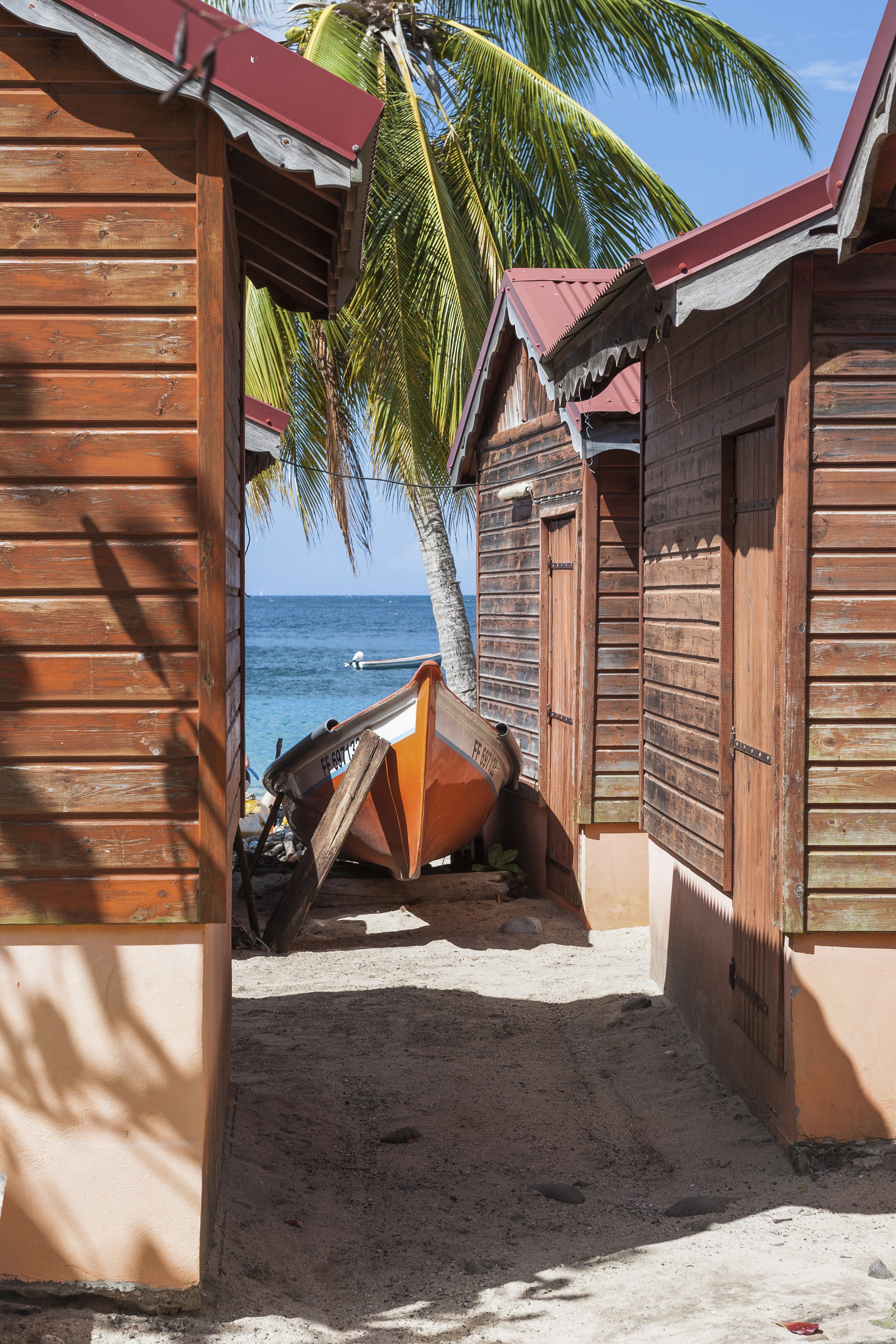
Many islands are surprisingly versatile. Hiking in the Caribbean? Unusual, but not impossible: Martinique is home to the 1,397-metre-high volcano Mont Pelée, which destroyed the coastal town of Saint-Pierre with an eruption in 1902. The inhabitants of the French overseas department refer to the mountain somewhat reverently as the "Grande Dame". The climb is steep and strenuous through lush tropical forest and rewards you with a 360-degree panorama of the island and the Caribbean Sea. Martinique is an island of contrasts - it combines French savoir-vivre with Creole joie de vivre; baguettes and bèlè (the music of the former slaves is part of the cultural heritage). The variety of landscapes is particularly surprising: quiet bays can be found on the west coast, while the Atlantic surf roars in the east; wild, black lava rocks in the north contrast with dream beaches such as Anse Noire and Anse Dufour in the south. The desert-like "Savannah of Petrification" with its cacti would be more likely to be found in the American West than on a Caribbean island.
© Getty Images
Imposante Naturgewalt: Der Vulkan Mont Pelée
RAINFOREST AND REGGAETON PARTIES
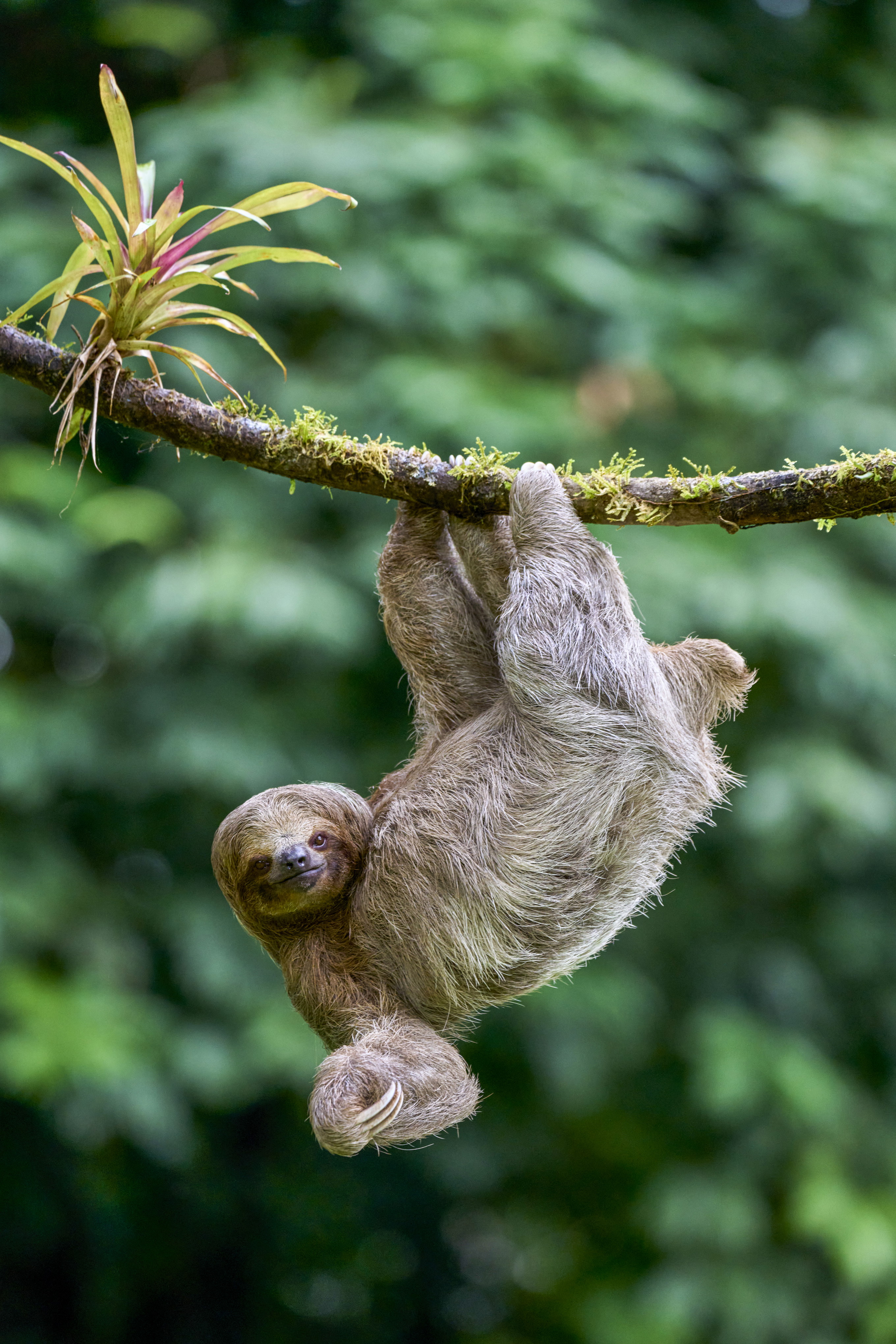
Even more facets are revealed when you head for the coasts of Central America on an extended cruise. Costa Rica, a pioneer of ecotourism, reveals the adventurous, jungle-green side of the Caribbean, for example in the tropical rainforest of the Tortuguero National Park, which can be explored on waterways. The boat glides silently along the densely wooded shore. A howler monkey makes itself heard, then a sloth in the branches. If you're lucky, you might see a caiman lurking motionless in the water.
Between July and October, sea turtles bury their eggs in the sand; a nocturnal spectacle. Or you can drive south along the coast to just before the border with Panama and let a knowledgeable local guide you through the Refugio Nacional Gandoca-Manzanillo after dark - you might spot the highly poisonous Terciopelo lance adder as well as the characteristic red-eyed tree frog. Costa Rica offers exceptional biodiversity and has protected its tropical nature.
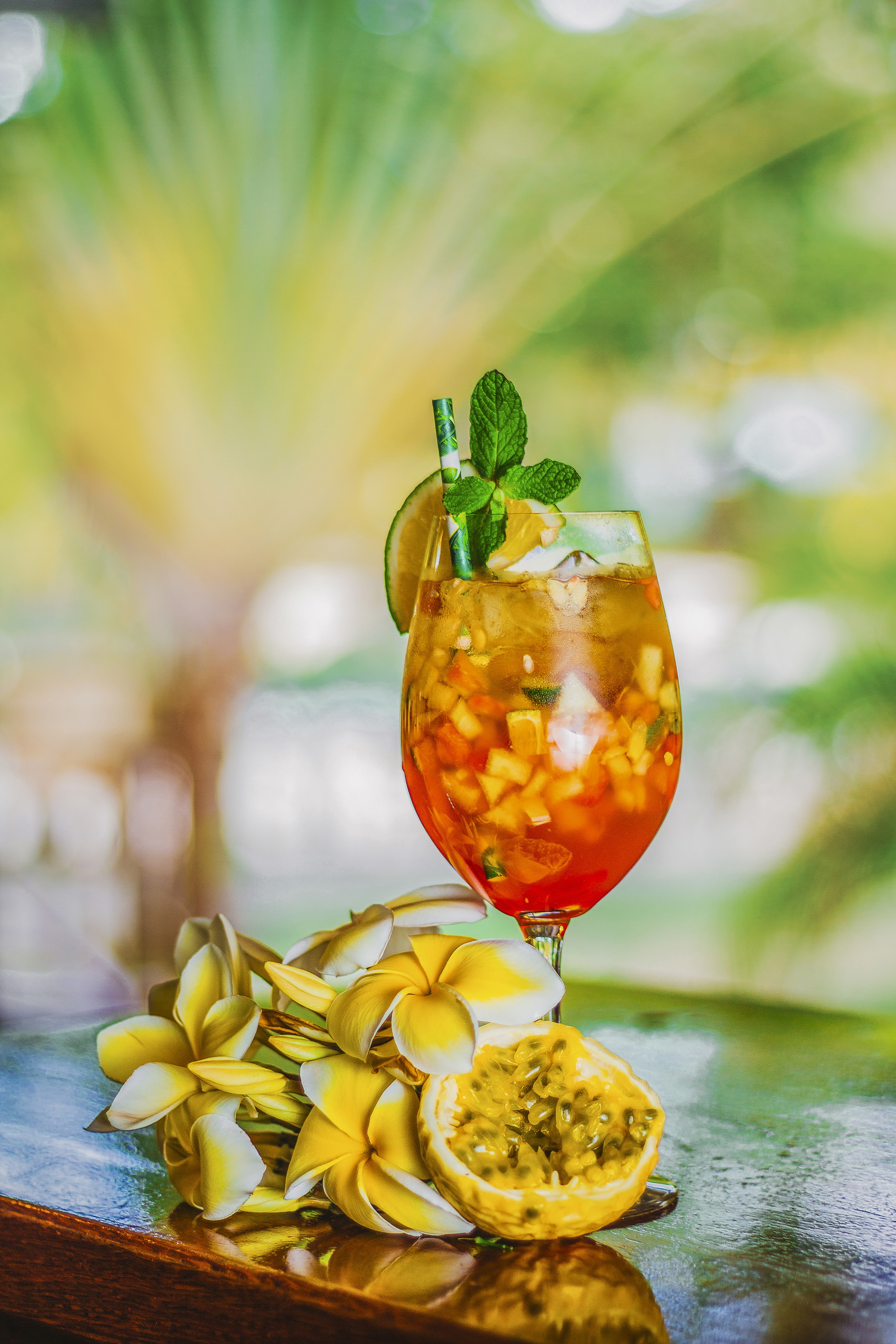
Things get lively in Colombia: the "Alquímico" in Cartagena is not only one of the best bars in the world, it's also the place to party the night away. When you enter the bar, you find yourself in an elegant room with art deco elements and a bar where cocktails are mixed using ingredients from local farmers - such as the Ajonjolí (whisky, sesame paste, orange and carrot cordial). A staircase leads up three floors to the roof terrace. There you step out into the balmy Colombian night, and a brief stop for a drink turns into an exuberant rooftop party.
Cartagena, with its old town surrounded by fortress walls, attracts travelers from all over the world. City villas, cobblestone alleyways, exuberant bougainvilleas; the city is a splendour that combines Caribbean flair with Latin American rhythm.
© Getty Images
Farbenfroh Kolonialarchitektut in Curaçaos Hauptstadt Willemstad
ESCAPE FROM CIVILIZATION AND PRIVATE ISLANDS
Those looking for a slower pace of life, on the other hand, will also find their island - just like two advertisers from the USA, who were drawn to Bequia in the 1950s to run a hotel on the island. At the uninhabited western end, they discovered a huge rock arch, the Moonhole. Fascinated by this remote location, they built a makeshift camp - which became their permanent home, a house like an enchanted pirate hideaway. The international press reported on it; over the decades, several buildings were built in the same style. Today you can rent a room as a vacation guest. Bequia is part of the little-known island nation of St. Vincent and the Grenadines, whose sleepiness is its great asset. Here you can finally find peace and quiet, for example at the "Bequia Beach Hotel" or the boutique hotel "Firefly Estate". You might think that the Caribbean has enough islands to keep cruise guests happy. However, the Italian shipping company MSC Cruises wanted another one and leased Ocean Cay - an artificial island created for the extraction of aragonite sand - from the Bahamian government and planted around 75,000 palm trees and other plants. This is how the "Ocean Cay MSC Marine Reserve", a private resort island, was created. BBQ restaurants, food trucks, beach bars, a spa and eight beaches await visitors there.
Since its opening at the end of 2019, the island has been continuously expanded to make room for more passengers. MSC has also opened a marine conservation center. However, those who are serious about relaxation can try their hand at the great art of doing nothing on the small island.
TIP: CRUISING THE CARIBBEAN
Caribbean cruises come in all shapes and sizes. The ships of the US shipping companies usually set sail from Florida (Miami or Fort Lauderdale); if you set sail with a European shipping company from Barbados (Bridgetown) or the Dominican Republic (La Romana), for example, you are right in the middle of the Caribbean island world. Three cruising areas can be defined: the eastern Caribbean with dream beaches and shopping stops, the western mainland Caribbean with Mayan culture and nature experiences and the southern Caribbean with the ABC islands, which can be visited all year round.
Travel information Caribbean
 Route
Route
Here, Caribbean dreams come true in the fantastic spa or on the beautiful golf course.
Sandy Lane
BB-24024 St. James, Barbados
Barbados
BB-24024 St. James, Barbados
Barbados


