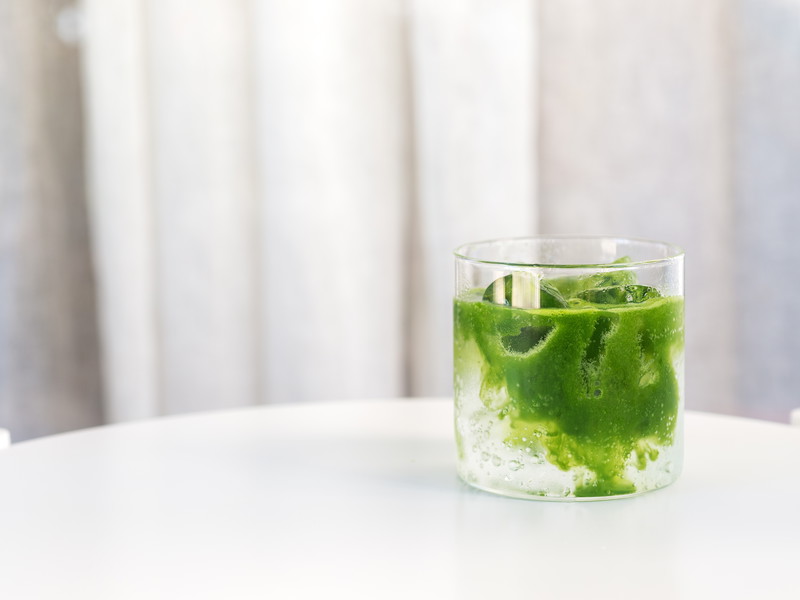
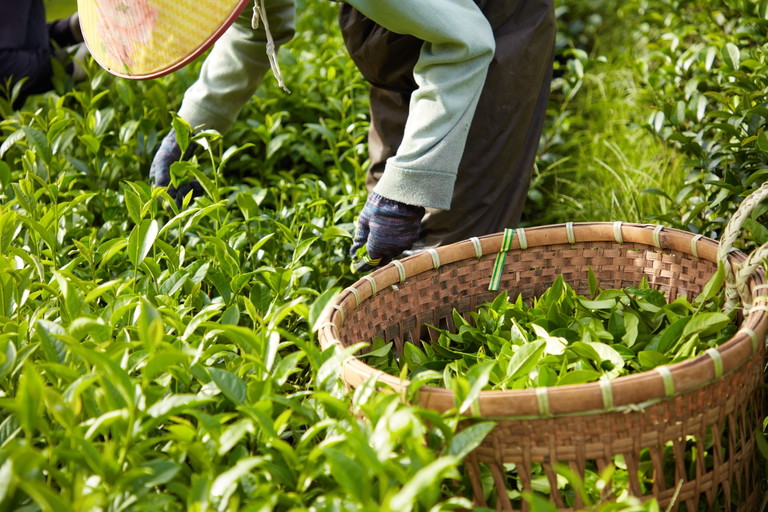
It's not just the bright green color that screams, "I'm healthy". A look at the ingredients also confirms this. The caffeine in matcha is bound to polyphenols, which means that it has a slower and gentler effect than coffee, for example. The non-essential amino acid L-theanine promotes relaxation without drowsiness. And I imagine it actually makes me more focused – at least, when I don't combine it with booze. And there's more: the catechins contained in matcha are highly effective antioxidants, intercept free radicals, have an anti-inflammatory effect, lower blood pressure and stimulate the metabolism. Green tea also contains vitamins A, C, E and K as well as minerals such as potassium, calcium, magnesium, iron and zinc. Bam!
Between intoxication and risk
I know. Alcohol, as charming as it can be, is – when seen in a sober light – full of health risks. Although our liver can break down most of the ethanol we consume, excessive and abusive consumption produces harmful substances.
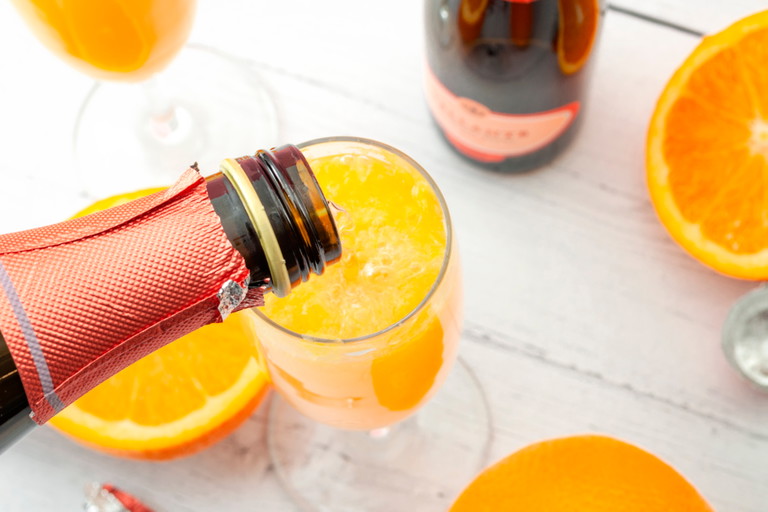
And yet, like many, I appreciate it not only for its taste, but also for its effect. That warm, exhilarating feeling that loosens inhibitions and makes evenings easier. Ultimately, as with other stimulants, it's the dose that counts. When consumed in small quantities and consciously, alcohol is mostly harmless.
Contradiction as balance
I was surprised by how nonchalantly Sundays combines both. A Matcha Hard Seltzer, with 4% ABV sounds harmless at first – a gin and tonic easily contains around 8 to 12 percent ABV – but it is still an alcoholic drink. Two such contradictory components in a single can. A courageous balancing act? I don't think so.
In this day and age, it is anything but unusual for opposites to clash: Mindfulness and hedonism coexist peacefully, mental wellbeing is just as present as collective escapism. Or to be more specific: I absolutely have to eat superfoods like avocado and acai for brunch on the weekend. And if I go to the gym during the week, I party twice as hard come Saturday.