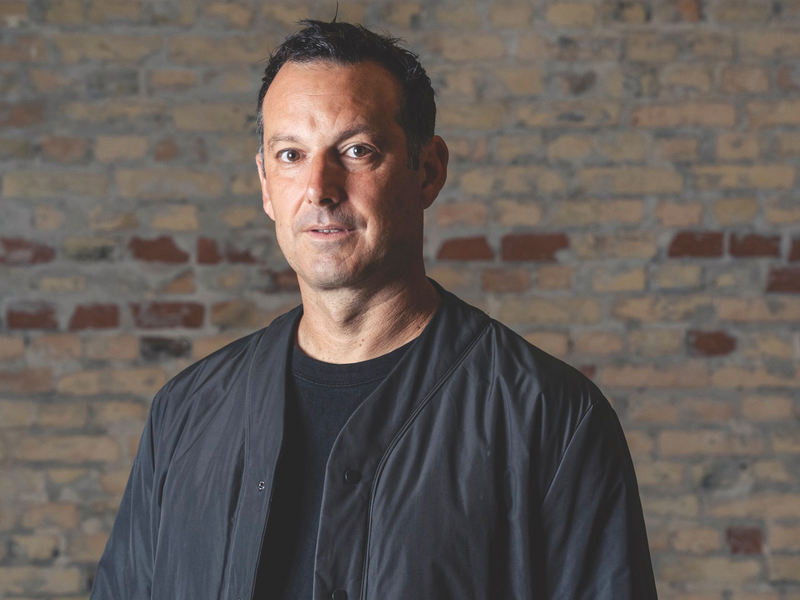
Matt Orlando: Renegade Reborn
When Matt Orlando closed “Amass”, one of Copenhagen’s most forward-thinking restaurants, it wasn’t defeat—it was a pivot. Now, the American-born former “Noma” head chef refines a decade of ideas into something leaner, wiser, and more circular than ever.
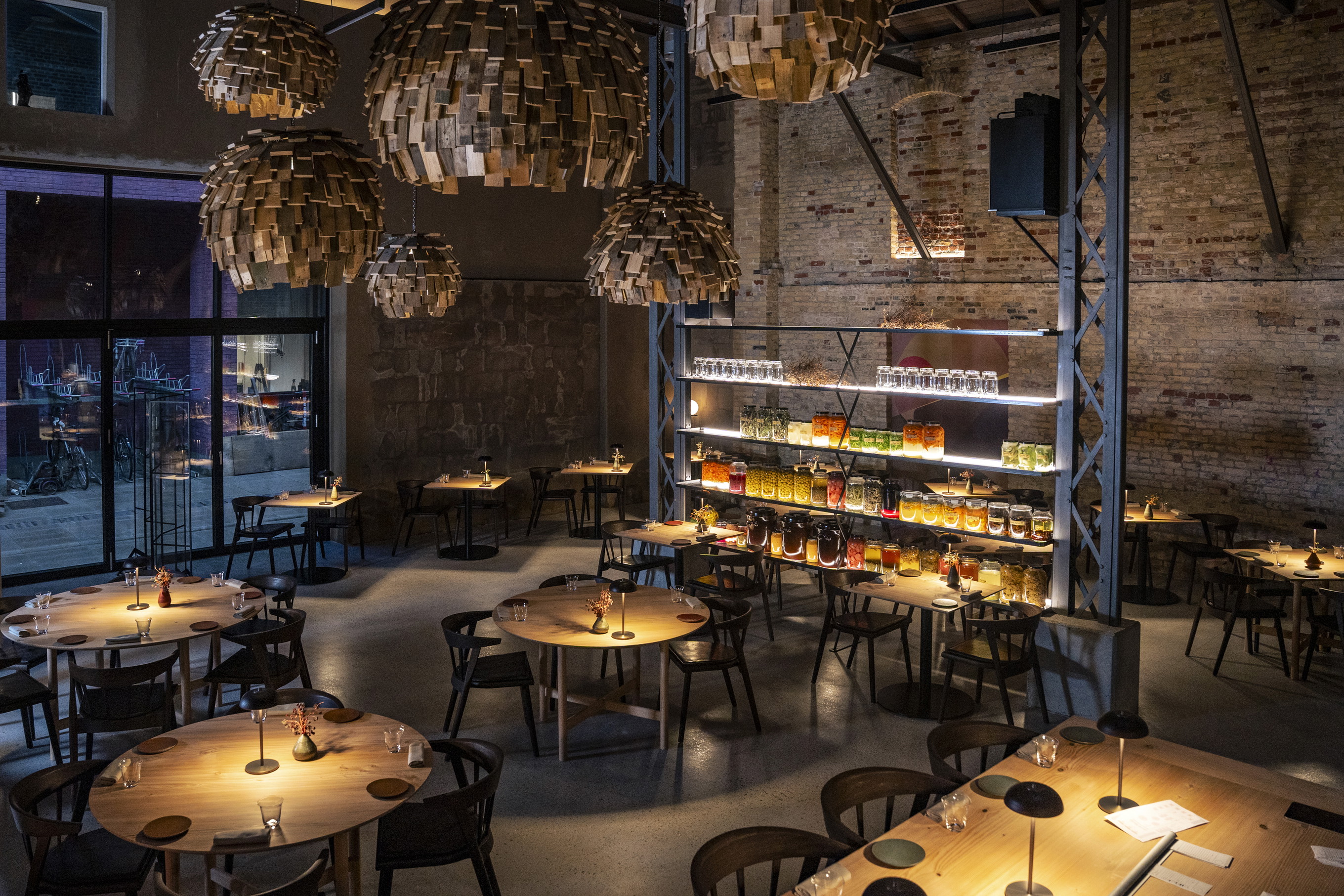
It’s a grey afternoon in Copenhagen’s Nordhavn, and, six weeks before opening, Orlando’s restaurant feels more like an art installation in progress. Big, wooden lamps are lying on the floor, waiting to be hung. “Those are made by my friend Thomas Dambo,” Orlando says, nodding upward. “He builds giant trolls from leftover construction wood. These lamps are made from what’s left after the trolls—the third life of the wood.”
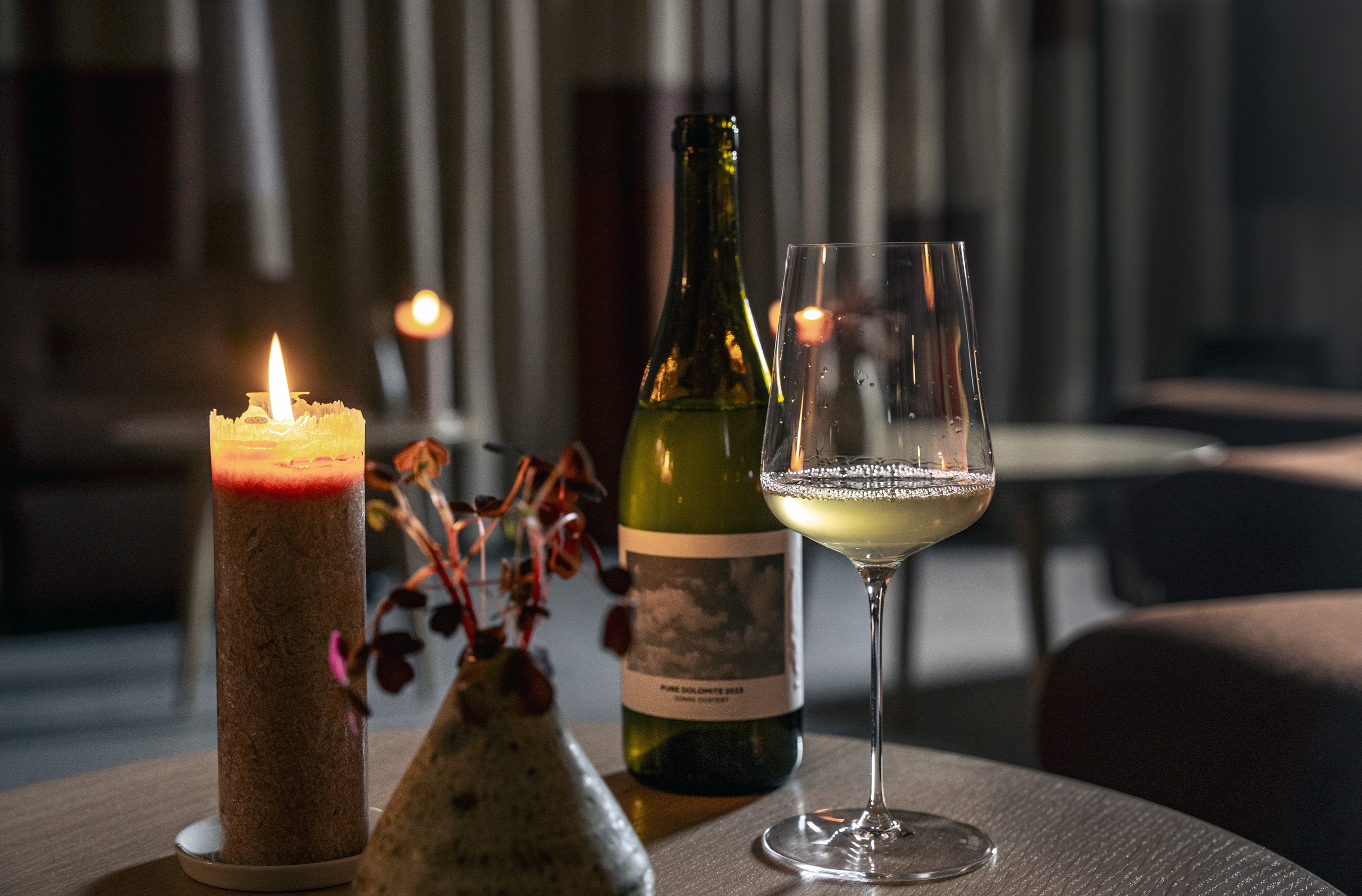
He gestures toward a sectioned-off corner: “That’ll be the lounge-couches made from recycled water bottles, ninety-nine percent recycled plastic frames. You’ll be able to drop in for a glass of wine and a snack, no reservation. We’re in a neighborhood, not a museum.”
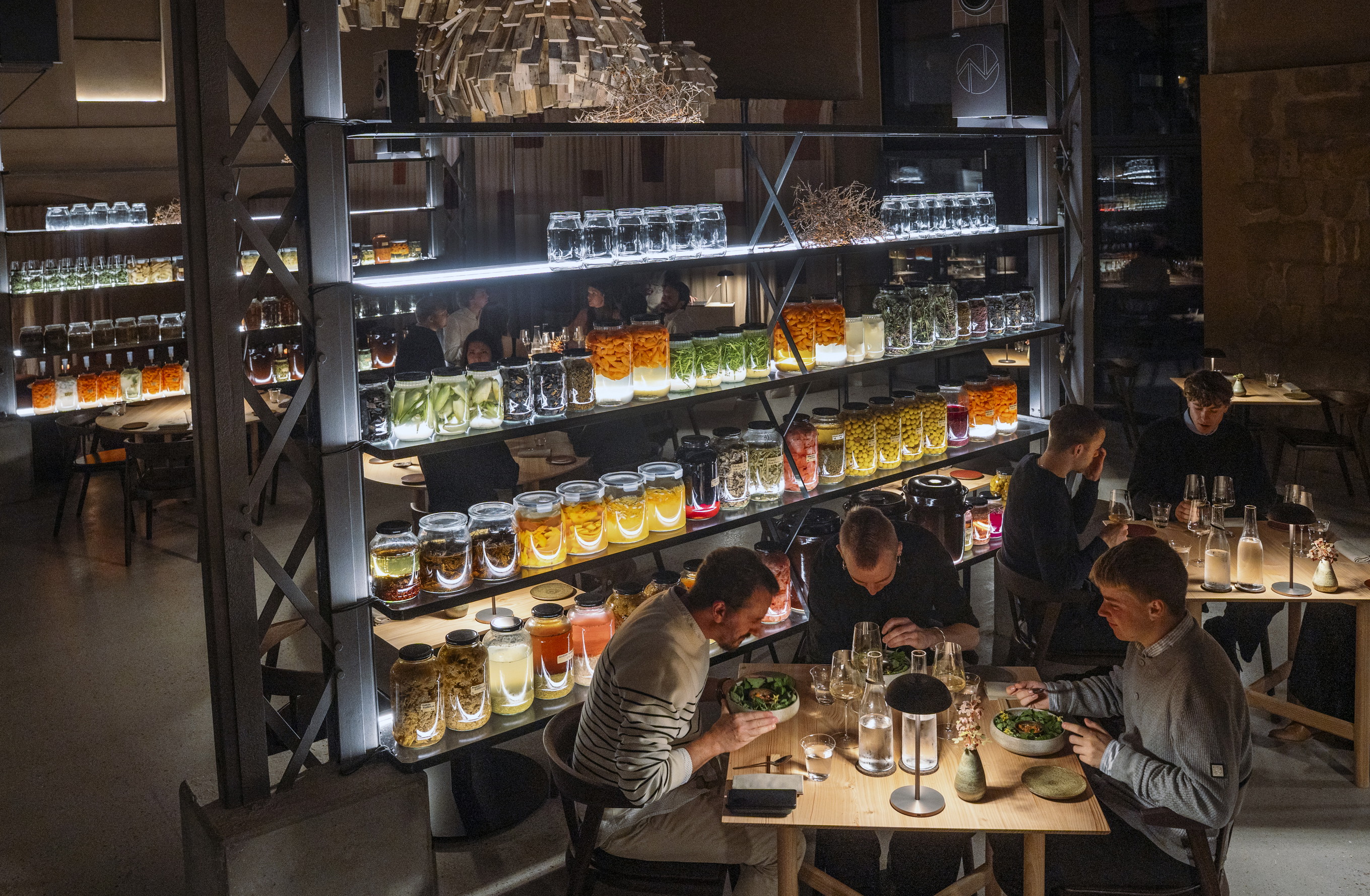
Around us, the space takes shape as he describes his vision: a fermentation wall, a four-seat bar, forty-two covers in total. “The dining room itself will be a living fermentation room,” he says. “All our misos, garums, pickles—they’ll be here, visible. People can see what we’re doing, ask questions. It’s a chance to communicate, not preach.”
He pauses, looking out across the unfinished floor. “We’re calling her ESSE. She’s the next evolution of Amass—more focused, more circular, more alive.”
Named after the Latin verb for “to be, to exist,” ESSE’s unfinished walls may still be raw concrete, but Orlando’s mind is miles ahead. To understand ESSE, you have to look back—to the restaurant that made his name, and the unexpected detour that shaped his next move.
When Orlando closed Amass in 2022, it wasn’t failure—it was business. The restaurant was thriving, but its sister brewery, Broaden & Build, had collapsed under the pandemic. “I could’ve worked fifteen years for free just to repay a loan for a business that no longer existed,” he says. “Closing was the only responsible choice.”
For the American-born chef–who trained at The Fat Duck, Le Bernardin, Per Se and later became head chef at Noma–the decision was both an ending and a revival. Within months, he was in Singapore, building a new restaurant from scratch alongside visionary Will Goldfarb of Room for Dessert and entrepreneur Ronald Akili of Potato Head, both in Bali.
For eighteen months he commuted between Denmark and Asia. His family stayed home, and the experience became a crash course not only in operations—he served as both chef and general manager—but in cultural nuance.
“How people communicate, how they absorb information—it’s all different,” he says. “It made me more rounded, both personally and professionally. When I came back to Denmark, I appreciated what I had here even more: the network, the creativity, the space to experiment.”
Returning home in late 2023, Orlando didn’t want to recreate Amass. Instead, ESSE is what he calls “a distillation of Amass”—stripped of inefficiencies and sharpened around its core values.
While Amass projected energy outward toward the garden, ESSE turns inward. Every element—the lamps of recycled wood, the furniture from reclaimed plastic, leather book covers pressed from shredded offcuts–is part of a circular philosophy. Even the walls and textures are a quiet manifesto.

It is easy to understand Orlando’s enthusiasm over his new restaurant. New ideas, new energy and a beautiful room filled with expectations, literally—and physically: The high ceiling brings an airy and light atmosphere full of promise.
During our interview, Orlando also highlights how he moved away from the language of alarmism. “I’m tired of fear-based communication,” he mentions. “People tune out. We want to inform guests on their terms, never preach.”
Before starting his new project, Orlando had stints at four restaurants who share his core values: SEM in Portugal, Nola in Helsinki, Domestic in Aarhus, and Silo in London.
“We all know each other, of course, but I had never cooked there, and cooking is the most intimate way to understand because everyone does it a little differently. You exist in a different system and understanding your system is the starting point. And it was fascinating to see how people engage in different ways.”
The new experiences of the last years have shaped the way he wants to work at ESSE. Behind the scene, the kitchen runs strictly sustainably. No single-use plastic, aluminum foil or baking paper. No vacuum machines. All fermentation happens in jars, using water-based methods. Packaging is treated as the restaurant’s biggest wastemaker: Several suppliers now deliver dry goods in reusable containers, which are emptied and returned.
Despite being out of Denmark for several years, seventy percent of Amass’s former staff have rejoined—many returning from abroad. Continuity, culture, and shared understanding form the backbone of the new operation.
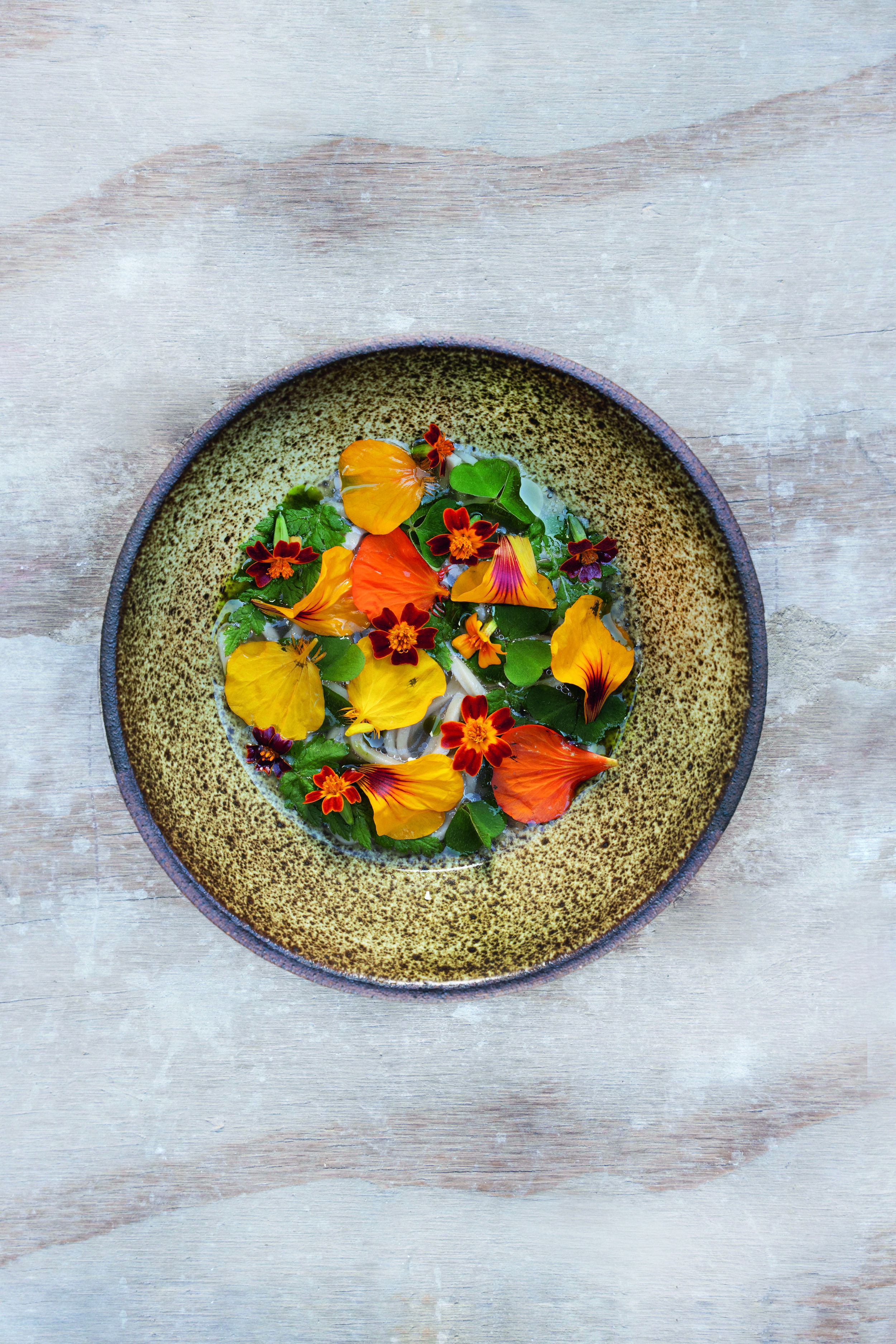
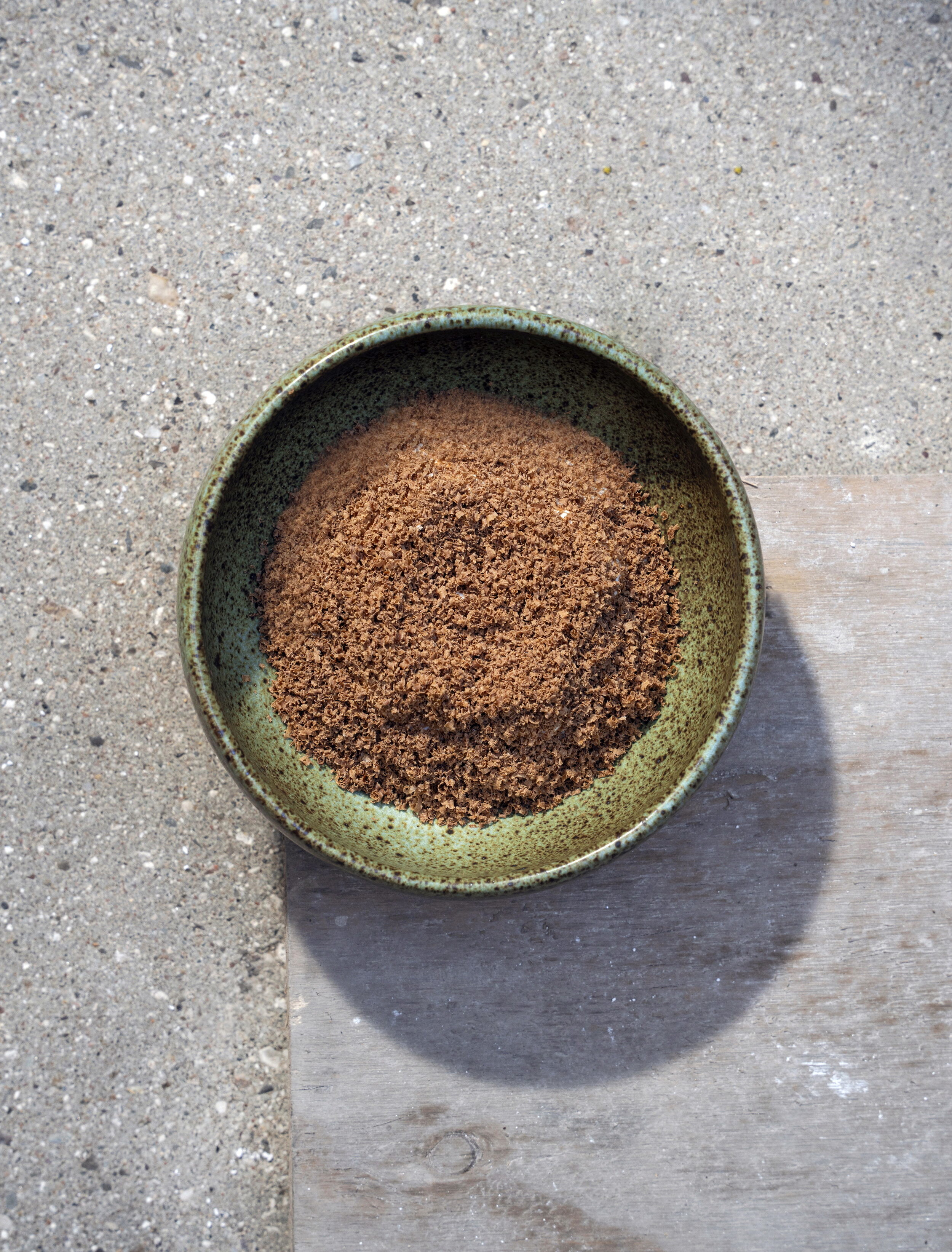
The menu doesn’t highlight “byproducts” any longer. A dish once described as “tomato skin oil” now simply reads “tomato oil.” Only the “fishbone noodles”—made from dried, ground fishbones—openly reference their unconventional origin. “The goal is to normalize circular cooking,” Orlando explains. “If we treat it as ordinary, it becomes ordinary.” And above all: flavor first.
“We’ll never do something just because it’s sustainable,” Orlando insists. “If it’s not exceptionally good, it undermines the whole movement. The only way to change behavior is through taste.”
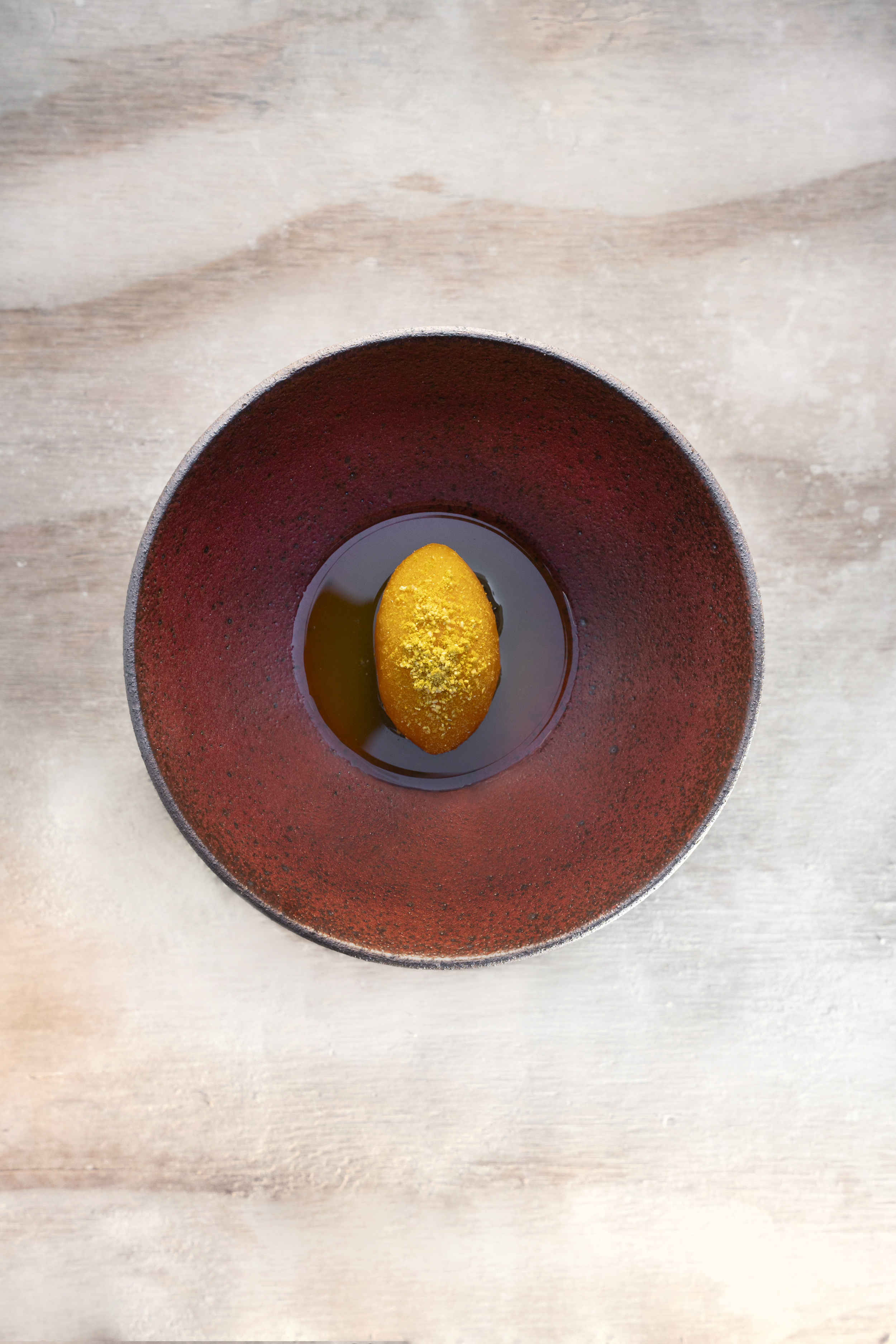
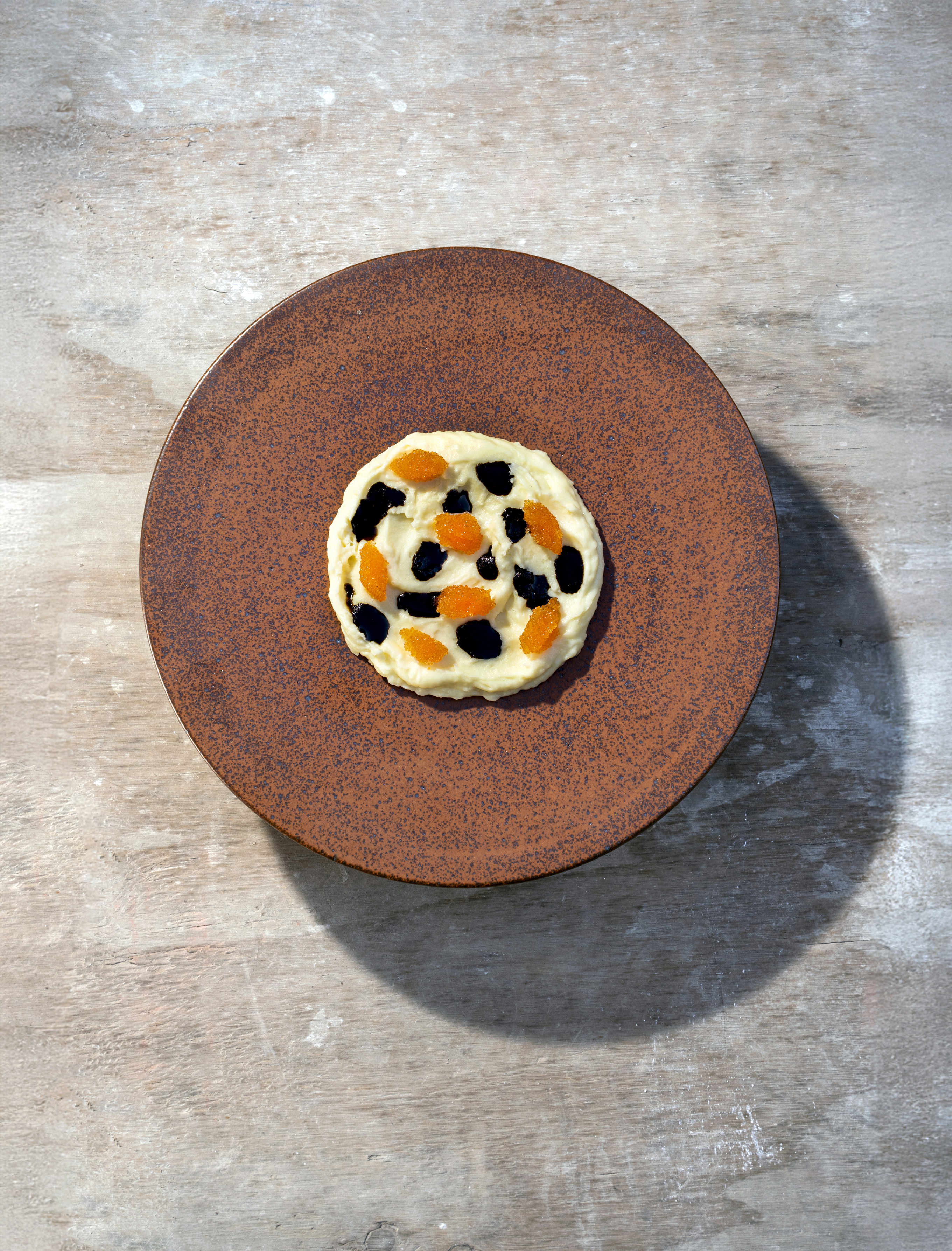
On the menu, ideas become edible. A pumpkin dish uses the entire vegetable: blackened-skin miso, soft flesh, and lactic-fermented seeds. The fermented potato bread returns, served with vegetable-skin XO butter and herb-stem oil. Pomme purée comes enriched with reduced buttermilk, a byproduct of house-made butter. The dessert features “chocolate with no chocolate”—a barley-based innovation from Orlando’s research venture Endless Food Company, already used in 7-Eleven cookies across Denmark. Everything tastes like a new version of the possible.“Cooking like this isn’t harder—it’s more exciting,” Orlando says. “When you limit yourself, you become more creative. You open doors you didn’t even know were there.”
And beyond the restaurant, Orlando is also shaping education. With Copenhagen’s Hotel and Restaurant School, he’s helping develop a sustainability curriculum focused on upcycling. And that’s perhaps the essence of Matt Orlando’s circular philosophy. Not a revolution shouted from rooftops, but a quiet refinement of pleasure and principle. The essence of ESSE: a restaurant that tells a story, not only by food but by creating subtle awareness—one step at the time.