Preheating uses up energy long before the food has made it into the oven. That's why many consider preheating a waste of electricity—and often, they're spot on. But whether to preheat or skip depends on the dish.
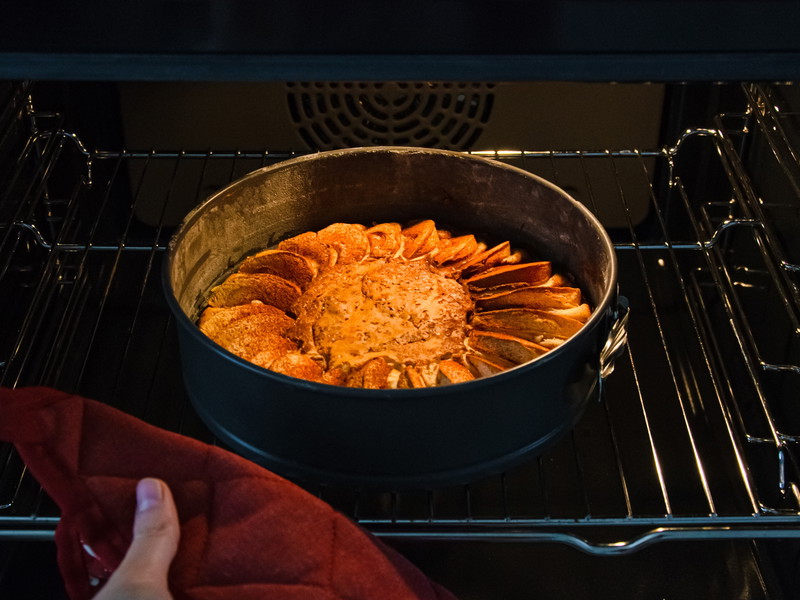
From home-baked bread and cookies to casseroles, recipes routinely call for a preheated oven. The real time gain, though, stays marginal. Dishes prepared without preheating are done just slightly later than equivalents made in a preheated oven. Hence, the extra use of electricity is rarely proportional to the time saved. Still, preheating remains a crucial step in recipes for solid reasons.
Preheating Pays Off
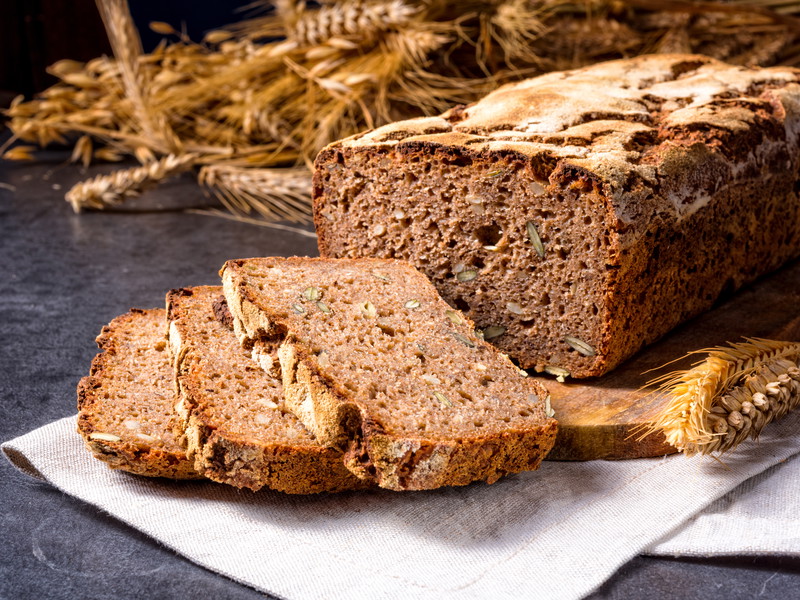
Preheating is less about speed and more about precision. A hot oven ensures steady heat from minute one, allowing to nail temperature, timing, and browning. Baking demands preheating most. Dough needs that first heat surge to spring up right. Skip it, and cakes collapse, loaves brick up, cookies go flat. Recipe take preheating times into consideration; cold starts make it difficult to predict how long a dish should stay in the oven and peeking to check just causes more heat to dissipate.
No Preheating Needed
The opposite applies to dishes that need to be heated slowly and at a low temperature. Braised dishes, casseroles or simple reheats do not require preheating. The slow ramp-up does not have a negative impact—and can even ensure more uniform results. In these cases, ditching preheating does not affect quality.