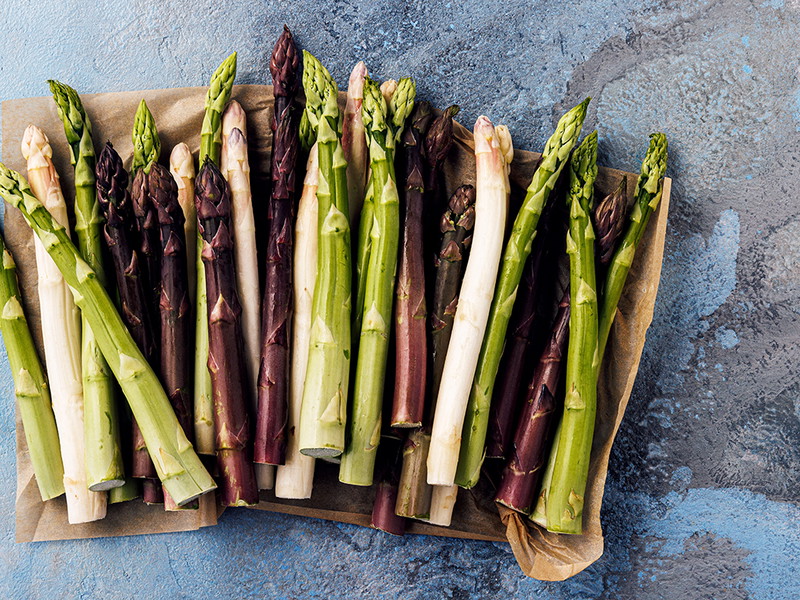
Asparagus: SPRING’S DELICATE GIFT
Asparagus impresses not just with its delicate taste but also with its nutritional value,...
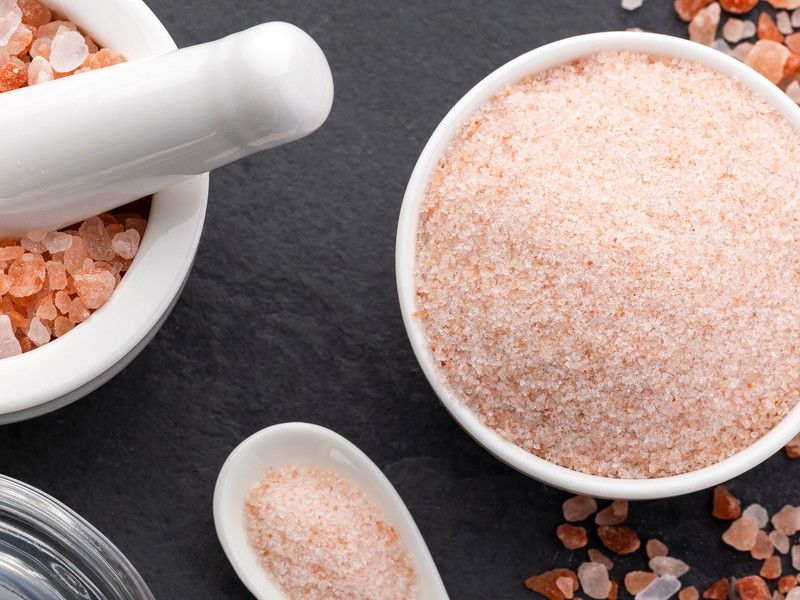
Salt is indispensable. The varieties available, how they differ, and when to use each one best.
Salt was once a commodity of immense value. Today, it is available at any time and is therefore often used generously. Many processed foods such as sausages or cheese already contain more salt than is beneficial for the body. The World Health Organization recommends five to six grams per day, yet many people significantly exceed this amount—with consequences for their health.
Still, cooking without salt is not an option. Sodium is essential for nerves, muscles, and heart rhythm. As with many things, however, it all comes down to the right quantity.
Few seasonings influence a dish as profoundly as salt. It enhances aromas, tempers bitterness, and brings out sweetness. Yet not all salt is the same. Differences arise from origin, processing, and the structure of the crystals.
Broadly speaking, a distinction is made between sea salt and rock salt. Sea salt is produced through the evaporation of seawater, while rock salt is mined from underground deposits. Industrially refined salt consists almost entirely of sodium chloride. Natural varieties, on the other hand, also contain trace minerals that can contribute subtle flavor nuances.
Fine table salt: The classic choice. It dissolves quickly and ensures even seasoning—ideal for soups, sauces, or doughs.
Coarse salt: Used when heat and time play a role. Perfect for pasta water or cooking in a salt crust.
Fleur de sel: These delicate salt flakes are meant for the finishing touch. Sprinkled over prepared dishes, they add a refined texture—especially effective with meat, fish, or vegetables.
Rock salt (mountain salt): Sourced from alpine regions, it is considered particularly pure and versatile. It can be used universally and stands out for its clean taste.
Seasoned salt: A blend of salt with herbs or spices. Easy to use, it quickly adds aroma and depth to dishes.
Not only the type of salt matters, but also when it is added. Fine salt should be incorporated early so it can distribute evenly. Coarse crystals and flakes are best added at the end—they remain perceptible and create deliberate accents.
Dosage is equally important. It is better to season gradually and taste in between. This allows for better control over the intensity.