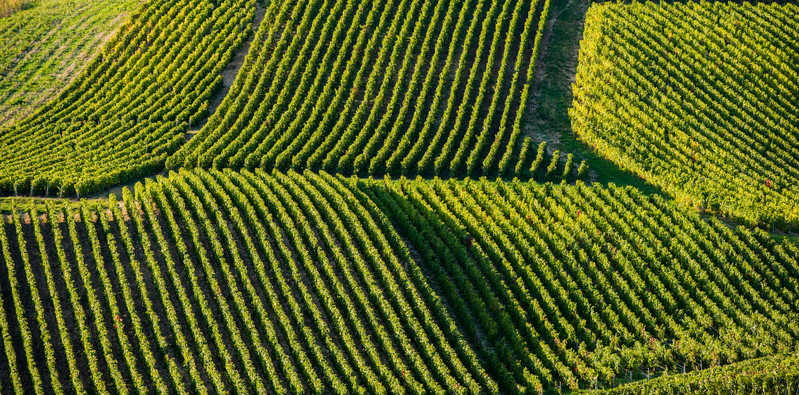
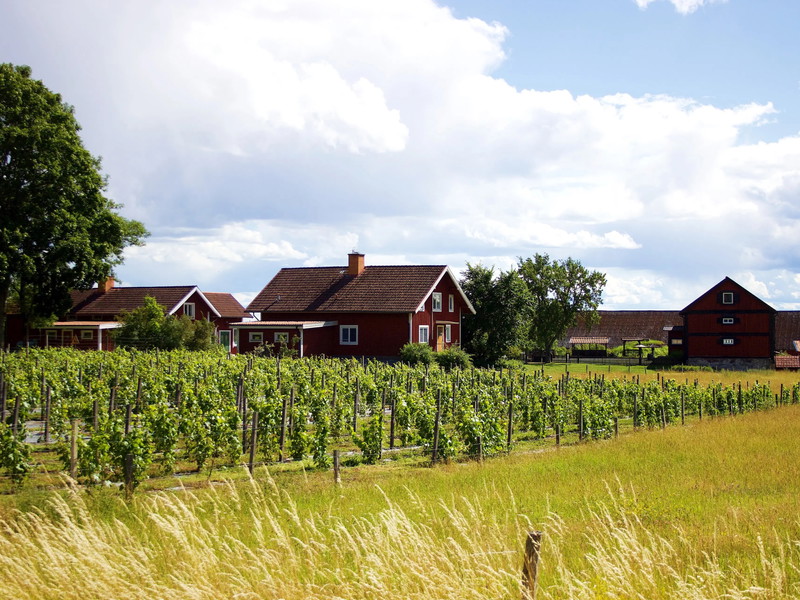
Gutedel is a synonym for the well-known Chasselas grape variety. There are a few legends surrounding Chasselas, one of the most important white wine varieties in Europe. It is one of the oldest grape varieties on the continent and was mentioned as early as 1539 in the “Kreutterbuch” by the German botanist Hieronymus Bock. This suggested that she came from Germany. After many DNA comparisons with many grape varieties in Europe and the Middle East, the actual origin of the variety is also suspected to be in the Middle East. Chasselas has also gained importance through its frequent use as a crossing partner, for example for the Arnsburger, Charmont, Huxelrebe, Nobling or Muskat Ottonel varieties as well as for many table grapes. Chasselas sprouts late rather than early and ripens after a short time. Unfortunately, the variety is susceptible to a variety of diseases and tends to rot. It suffers from magnesium deficiency, drying out of the stems, berry shrinkage and a few other things. The Chasselas is the flagship of Swiss winemaking and is therefore widespread in the country. Here, however, it is called Fendant and, unlike in other countries, the wine is often subjected to malolactic fermentation. For this reason, Fendant is usually a very soft, supple and round wine with a delicate aroma of butter and hazelnut. Chasselas plays a very relevant role in Alsace, but there it is rarely made as a pure variety, but instead finds its way into the Edelzwicker cuvée. It is also common in Germany, especially in Baden, under the name Gutedel. Delicately fruity, spicy wines are created here, but it is also used to produce good sparkling wines. The variety is also known in Austria under the name Gutedel, primarily as a component of the Vienna Mixed Set. Otherwise, smaller areas of Chasselas can be found in Hungary, Romania, Serbia and Russia, but also in California, Chile and New Zealand.
This grape variety is also known by the name of:
Roter Gutedel