Skip to content
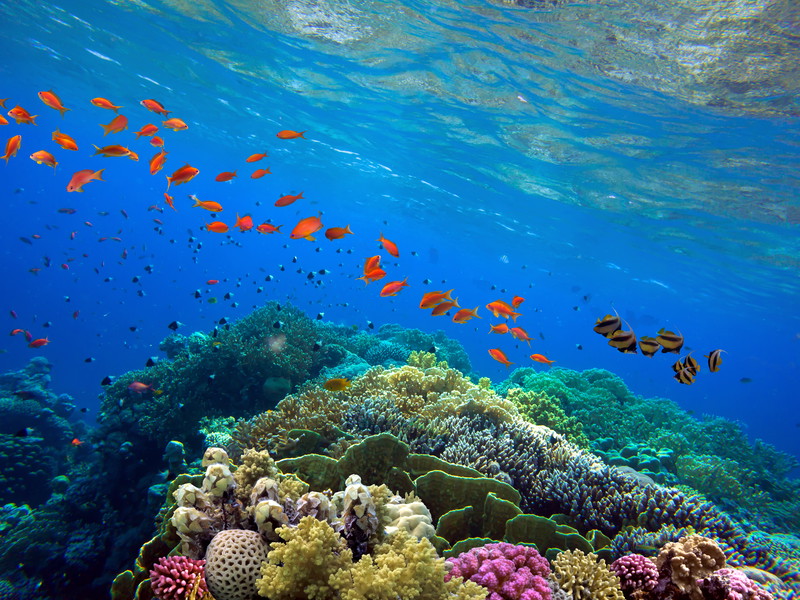
© Shutterstock / AI generated image

AI Creates Travel Destinations We’re Better Off Avoiding

Artificial intelligence

Some destinations that are shown to users on Instagram etc. are too good to be true. And indeed, they are often non-real, AI-generated dream destinations. Falstaff TRAVEL shows which destinations are pure constructs and what you should look out for before embarking on a trip.

You scroll through the content on the various social media channels, discover amusing, exciting and beautiful travel destinations and tourist attractions. But beware: these are often pure constructs of artificial intelligence (AI) that do not actually exist.

Fake Christmas market at Buckingham Palace

The Christmas market at Buckingham Palace invented by the AI recently caused annoyance among many tourists. They were looking forward to atmospheric stands and garlands of lights in front of the Royal Palace in London. On the Instagram channel londoncity.best , there was talk of the first ever Christmas market in front of London's landmark. According to a report by the BBC news channel, some visitors had traveled to the British capital purely for the market. But fiddlesticks; it was a pure AI construct that didn't actually exist. The city on the Thames is of course still worth a visit, especially at Christmas time.


Invented Northern Lights panoramic train in Norway

The followers of the Instagram channel norwaytravelers are similarly enthusiastic and surprised at the same time. They will be introduced to the new "Panorama Night Train" - a train with glass walls and ceiling that travels through Norway's nocturnal landscape and is designed to give guests a particularly beautiful view of the Northern Lights during the journey. The community is delighted, but others comment with "the train runs in your dreams" and "we don't have anything like that in Norway".

When Falstaff TRAVEL asks the Norwegian Tourist Board, it learns that a night-time "Northern Light Train" does exist - it runs for 43 kilometers from Narvik to the Swedish border. However, this is not a glass panoramic train, but a classic train with a closed ceiling - you can also marvel at the Aurora Borealis during the ride.

AI-falsified report on cable car

A post about the "Kuak Skyride" also recently featured a completely AI-generated fake. The supposedly professionally created video - in which an avatar represents a presenter - reports on a "new, breathtaking cable car in Malaysia", near the town of Kuak Hulu. The video showed people queuing in front of a ticket counter while tourists took photos. According to The Independent, an elderly couple made the 370-kilometer journey to experience the cable car. But when they arrived, there was only one hotel employee who explained that this attraction never existed.

Dangerous suggestions from AI

In addition to annoying journeys, going to places that don't exist can also be dangerous. In Peru, the local tour guide Miguel Angel Gongora Meza warned two tourists who were on their way to a "Sacred Canyon of Humantay". This place was recommended to them by an AI, but it is pure fiction - a combination of existing names and fictitious descriptions. Meza explained to the BBC, such misinformation is life-threatening in the Andes. Without a local guide, you could quickly find yourself at an altitude of 4,000 meters without oxygen or a mobile network.

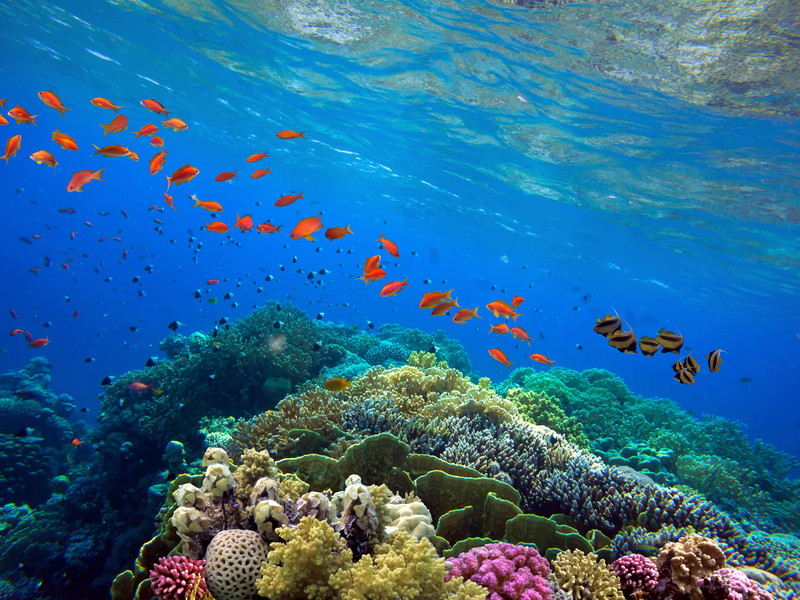
© Shutterstock / KI generiert

Reality check of the content is essential

The problem with AI-suggested content on social media is not limited to wrong routes or made-up destinations. The technology behind the fictitious content is the same as that used for deepfake fraud, as the digital economy provider t3N reports. The boundaries between authentic recommendations and targeted deception are becoming blurred.

For travelers, this means that a healthy dose of mistrust is essential. Every suggestion generated by an AI - be it a restaurant, a route or an entire attraction - should be verified via established sources such as official tourism websites, map applications or current travel guides. AI can be a powerful tool for inspiration, but the final test must remain human.


The Falstaff Travel Editors
Author
Find out more
1 / 12