Skip to content

The next coffee age brings new inventions and trends.

The next coffee age brings new inventions and trends.
 © Shutterstock

We are surfing the fourth coffee wave

Coffee
Trend
Artificial intelligence

Third Wave Coffee seems like yesterday's news and the fourth wave of coffee is in full swing. Why speciality coffee is nothing special anymore and which new brewing methods and trendy drinks you need to know about now.

Changes in coffee culture are often described as waves. Third Wave Coffee represents a real trend reversal from the 1990s onwards; Coffee has become a pleasure and lifestyle product for which people take their time and are happy to pay more.

More and more small cafés and roasteries are specialising in sustainably grown and fair-trade coffee, high-quality beans and light roasts.

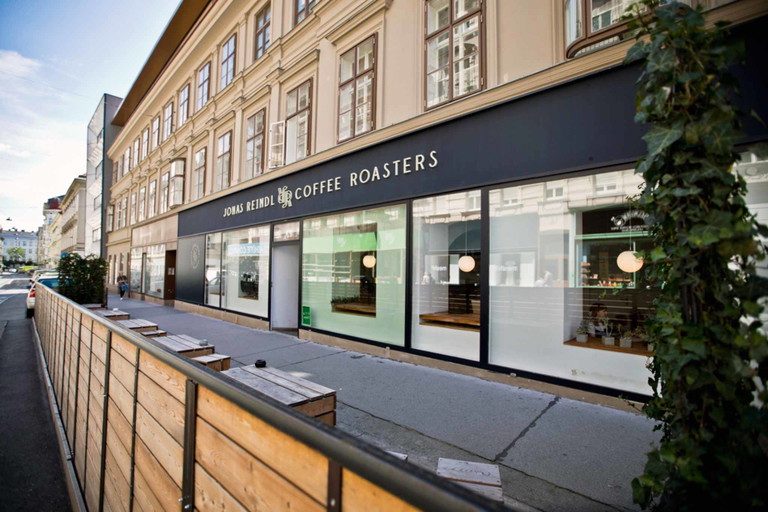
Jonas Reindl: The hip café with two locations is now a fixed star in the third-wave coffee scene.
© Johnny What Photography
Jonas Reindl: The hip café with two locations is now a fixed star in the third-wave coffee scene.

The transition from one wave to the next is fluid. The third wave movement currently seems to have reached its peak and the fourth wave has been rolling in since 2020 at the latest. The new age has already been proclaimed in the USA. And what about Europe?

What speaks for and against the fourth coffee wave

German-speaking experts are sometimes critical of the division into waves, as historical coffee house cultures are excluded. However, they also note changes and trends, including Marcel Löffler, President of the Austrian Coffeehouse Association: "Some aspects of the fourth wave are already dominant, others are not. When it comes to sustainability and social justice, we are definitely in the fourth wave."

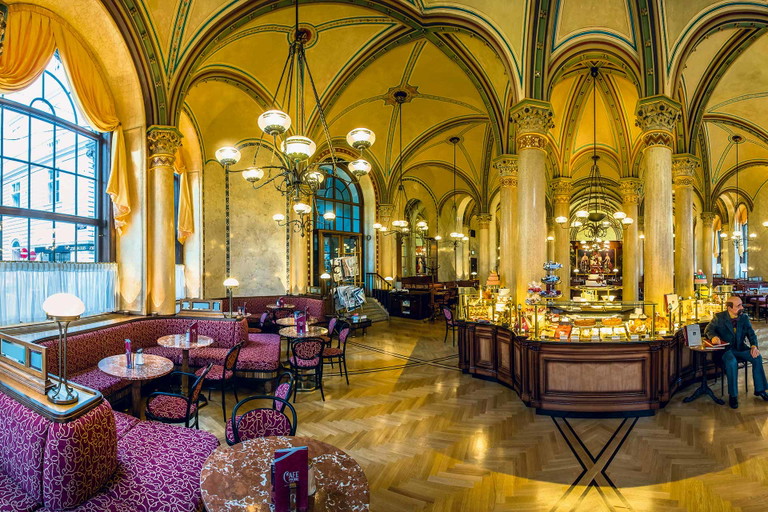
The history of traditional Viennese coffee houses.
© Café Central Wien
The history of traditional Viennese coffee houses.

This is also evident from a representative survey of 1,000 people carried out by the association: "We were very surprised at how important sustainability is to Austrians, not just when it comes to packaging, but also in terms of cultivation and fair pay for coffee farmers."

Coffee drinkers have become baristas themselves

According to the international market research institute Mintel, the fourth wave is characterised by the fact that while coffee shops drove the second and third waves, the fourth has its origins in the home. During the pandemic, people had upgraded their equipment so that they can brew their own good coffee, despite lockdowns and working from home.

And even though people have returned to their offices and coffee houses, many have retained their coffee ritual. According to Löffler, the development of an "almost scientific coffee expertise" and a strong trend towards "home baristas" is noticeable.

  • According to a representative Tchibo survey, around 2.6 cups of coffee are drunk per capita per day in Austria, slightly more by men than by women and significantly less by younger people than by older people.
  • In Germany, people prefer to drink filter coffee, followed by café crema and cappuccino.
  • In Switzerland, consumers spend 110 francs on fair trade coffee products. This makes Switzerland the absolute leader compared to Austria and Germany.

Confirmation comes from Steffen Schwarz, founder of the coffee research and training institute Coffee Consulate in Mannheim. "This is also shown by the sales figures for coffee machines with a price tag of over 1,200 euros. In Germany, high-end devices worth five million euros were sold by the end of the pandemic. That's never happened before," says Schwarz. Money that would otherwise have been spent on vacations or in restaurants was invested in enjoyment at home.

Real connoisseurs drink filter coffee

Traditional and alternative methods are revived in the preparation. The rebirth of filter coffee and methods such as the French press, espresso maker and Aeropress are celebrated.

"Preparing filter coffee has almost become a tea ceremony and is also on the rise among individuals. There is a renewed focus on the character and subtleties of coffee. This has been somewhat lost due to capsule machines and the espresso craze of the last 20 years," explains Löffler.

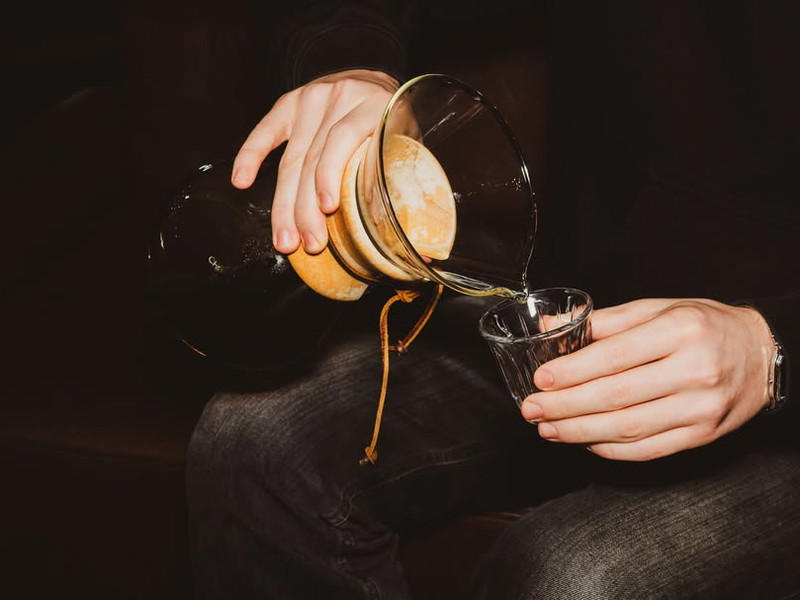
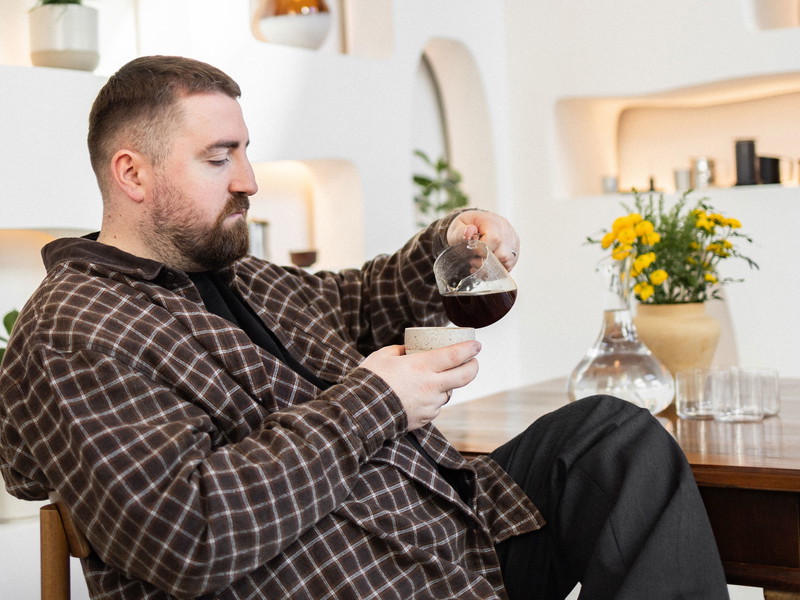
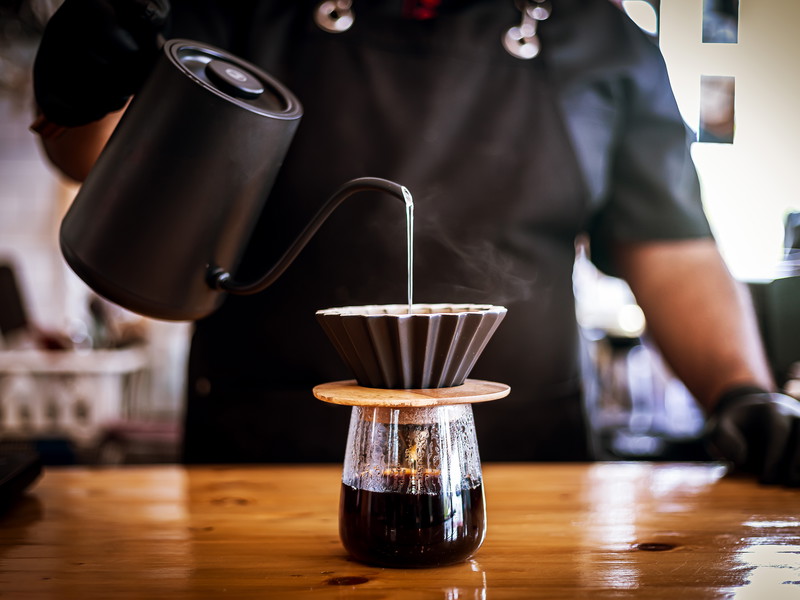
Hand-brewed filter coffee is referred to as pour over. The water should not be boiling hot, 92 to 95 degrees is ideal.

According to Swiss coffee roaster Ingo Albrecht from the Roast Rebels, filter coffee is enjoying a good reputation again. The reason: high quality beans and lighter roasts are used, which releases more aromas.

Artificial intelligence is changing our consumption

Cold brew has become a mass phenomenon, and nitro cold brew could even become a substitute for beer.

In the fourth wave, coffee also becomes highly scientific; technology is used to further improve cultivation, roasting and preparation. In Finland, the Kaffa roastery has already launched the AI-conic blend, which was created with the help of artificial intelligence (AI).

Chat-GPT enters the travel industry.
© Shutterstock
Chat-GPT enters the travel industry.

Like a good wine with cinnamon buns

Coffee is now like wine, but instead of presenting the grape and vintage on the bottle, the packaging shows the growing region, beans and roast. However, speciality coffee is no longer purely exclusive, but available to everyone, accelerated by the growing number of small roasting companies.

For single-origin coffee, only beans from the same region are allowed.

Single-estate coffee goes one step further, with coffee beans coming from just one farm or farm community.

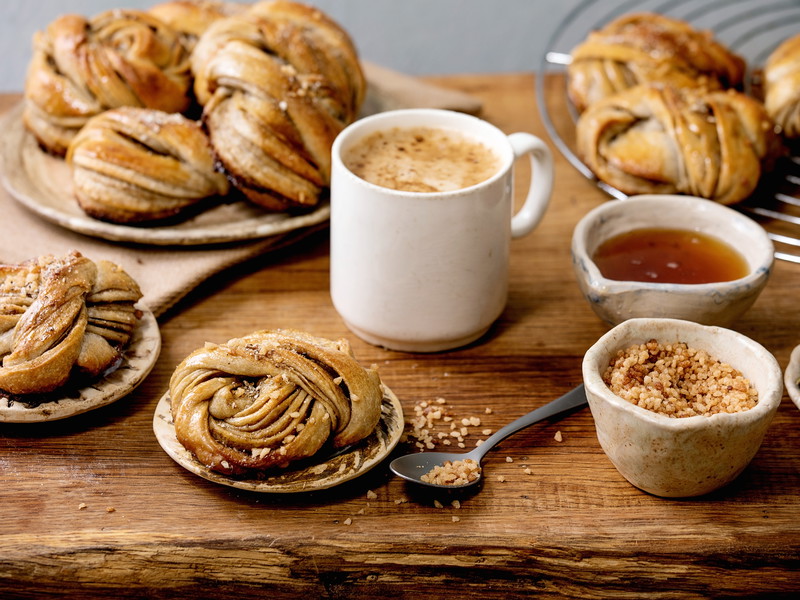
They also experiment with coffee beans, as Albrecht explains: "The post-processing has the greatest influence on the taste. Methods have been copied from viticulture. The coffee cherry is fermented in closed containers with wine yeast or champagne yeast. This results in spectacular flavours, for example a strong aroma of raspberries, passion fruit or cinnamon buns."


Don't miss out!

Sign up now for our newsletter.

Verena Richter
Chefin vom Dienst
Find out more
1 / 12