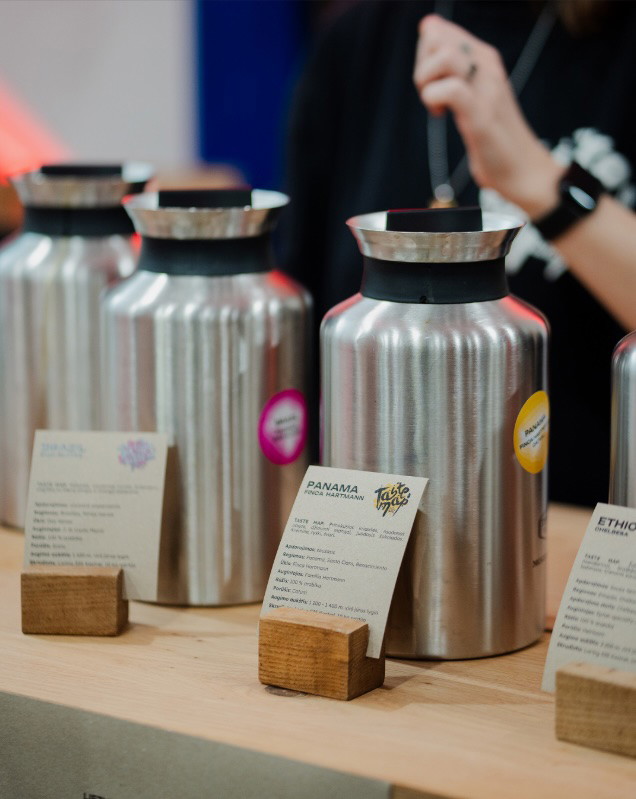
By the end of the finals, two names stood out. Ieva Ivonė of Taste Map Coffee Roasters secured the title and will represent Lithuania at the World Barista Championship in Panama. Meanwhile, Ieva Šuopytė of Kalve Coffee Roasters earned her place at the World Coffee Brewing Championship, following a closely contested competition that kept the audience engaged until the very end.
Beyond the tastings and championships, the festival placed a strong emphasis on education. The dedicated learning zone became one of the most active parts of the programme, with workshops and talks focusing on the science and craft behind coffee. Discussions ranged from the origin of raw beans and roasting decisions to extraction parameters and the influence of water and milk on flavour. Rather than simply asking what tastes good, speakers explored why it tastes good – how processing methods shape flavour profiles, how technical choices affect consistency in the cup, and why stability matters just as much as creativity.
Another recurring theme was the professional journey of a barista. Several speakers shared their experiences preparing for championships, building teams and sustaining growth in a fast-moving industry. For many young professionals in the audience, these conversations offered insight into the discipline and skills required to succeed at the highest level.
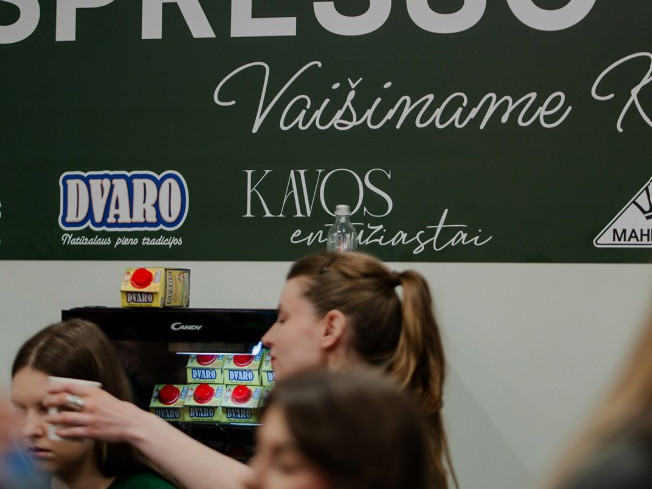
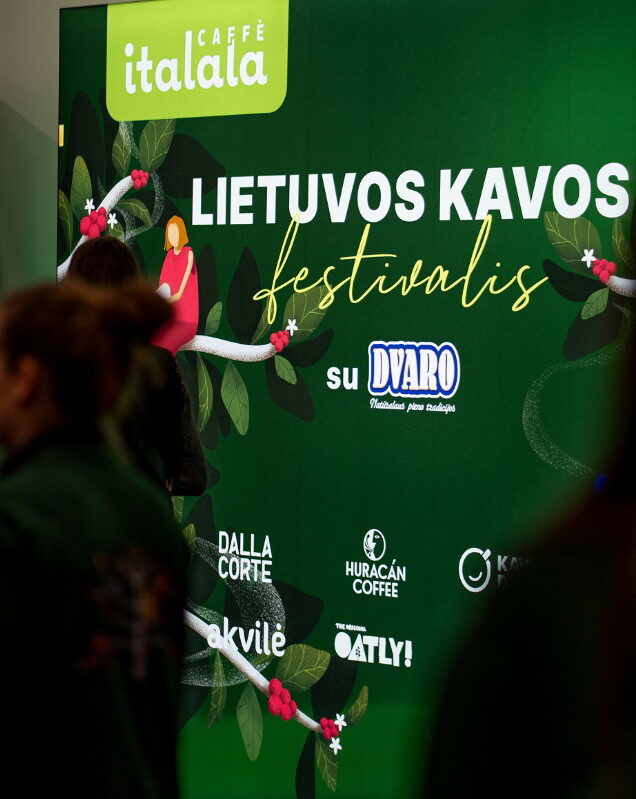
Judging by the atmosphere throughout the day, the Lithuanian Coffee Festival has become more than a tasting event. It is gradually evolving into a platform where the country’s coffee culture meets, learns and celebrates itself – from the first cup poured in the morning to the final applause after the championship announcements.
If this year’s turnout and energy are any indication, the festival’s next edition will have even more ground – and cups – to cover.