Skip to content
© Adobe Stock

Easter in Lithuania: Eggs, Traditions and the Easter Granny

Nordics
Lithuania
Easter
tradition

From intricately decorated eggs to centuries-old rituals and generous family tables, Easter in Lithuania marks the arrival of spring with a rich blend of tradition and symbolism.

The Lithuanian Easter Table

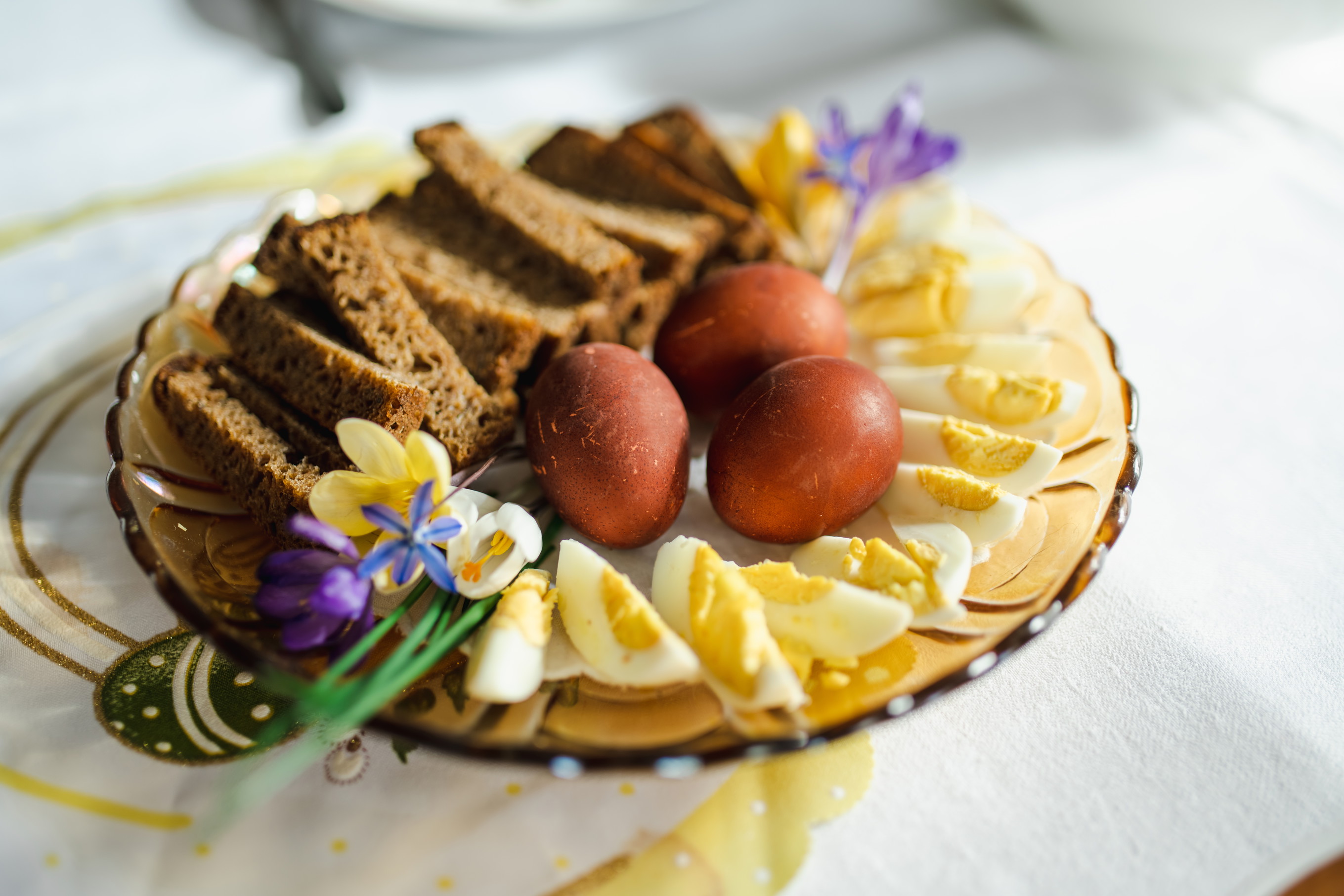
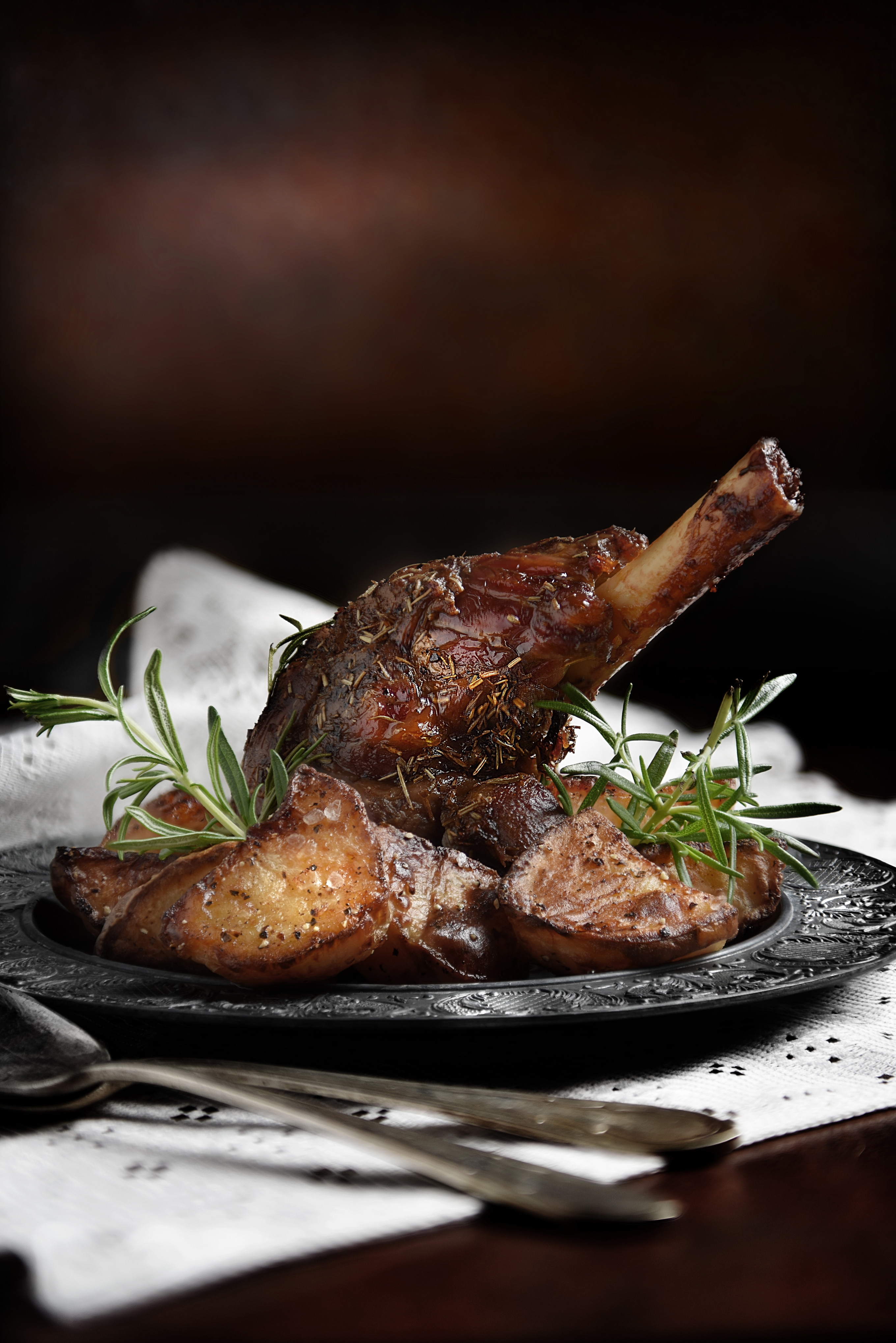
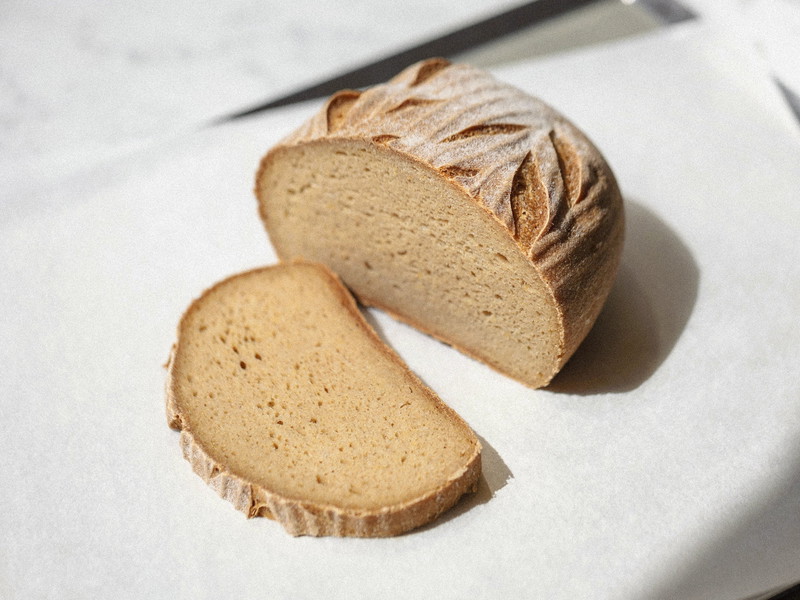
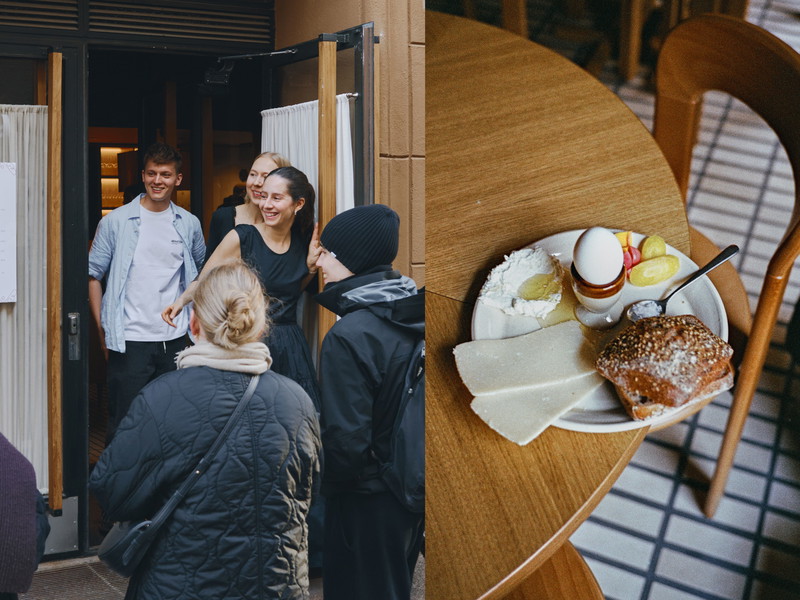
As with many Lithuanian celebrations, Easter revolves around food and time spent together. Families gather for a festive meal on Easter Sunday, often beginning with dishes that have been blessed in church the day before. Eggs take centre stage, typically served alongside fresh bread, cold cuts, ham and sausages. Traditional dishes such as roast pork or lamb may also appear, accompanied by seasonal sides.

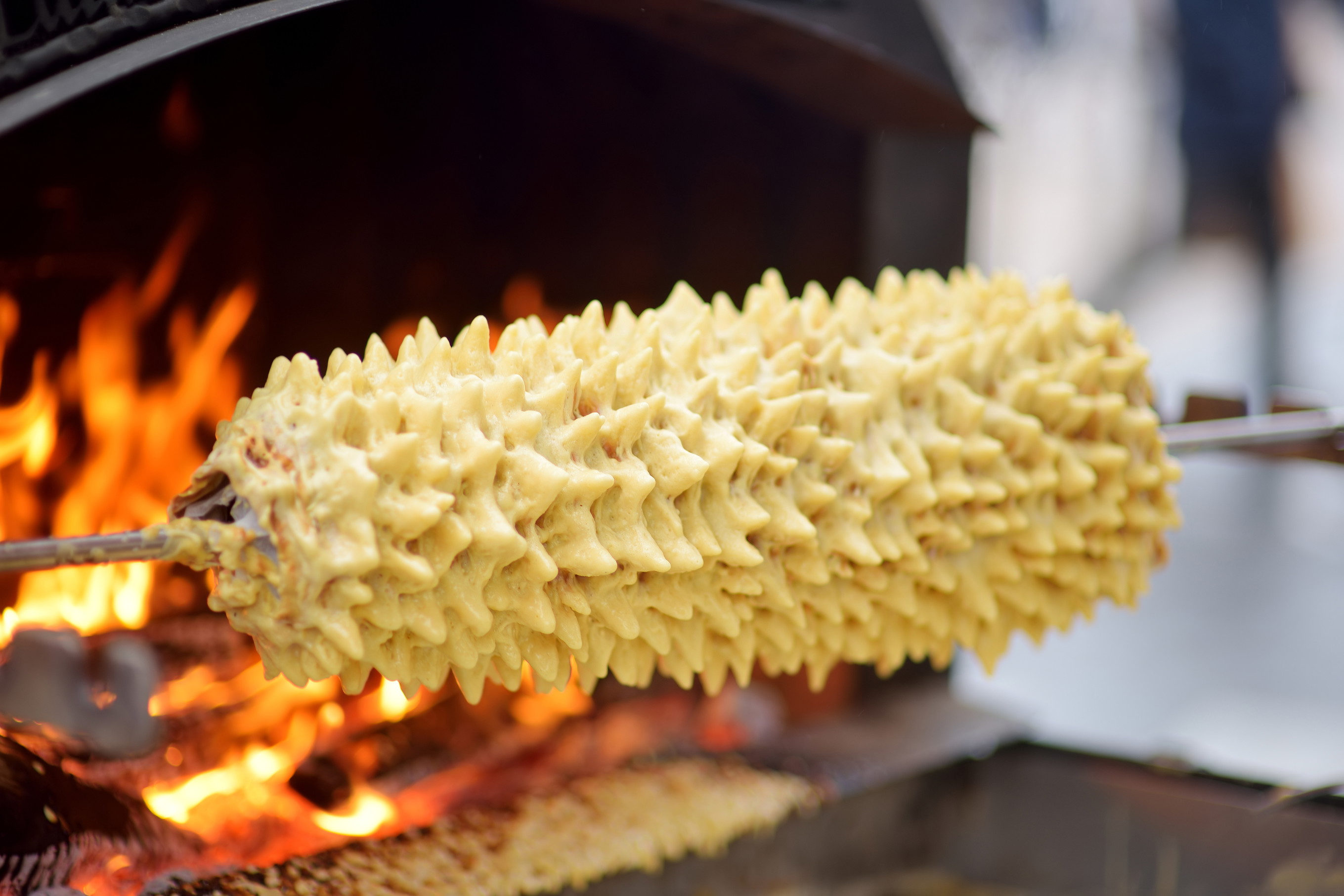
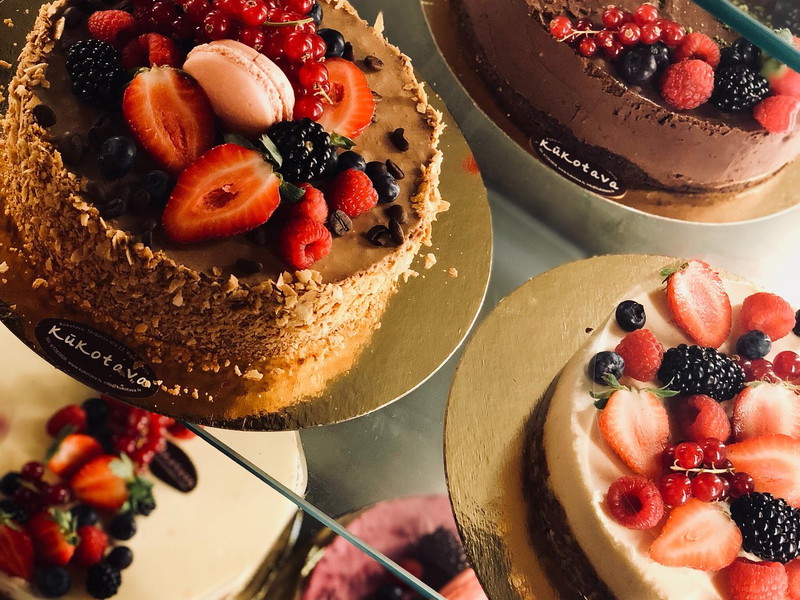
Sweet treats complete the table, including šakotis, the iconic Lithuanian tree cake baked on a rotating spit, alongside boba, a rich Easter cake.

Easter Granny: Traditions and Rituals

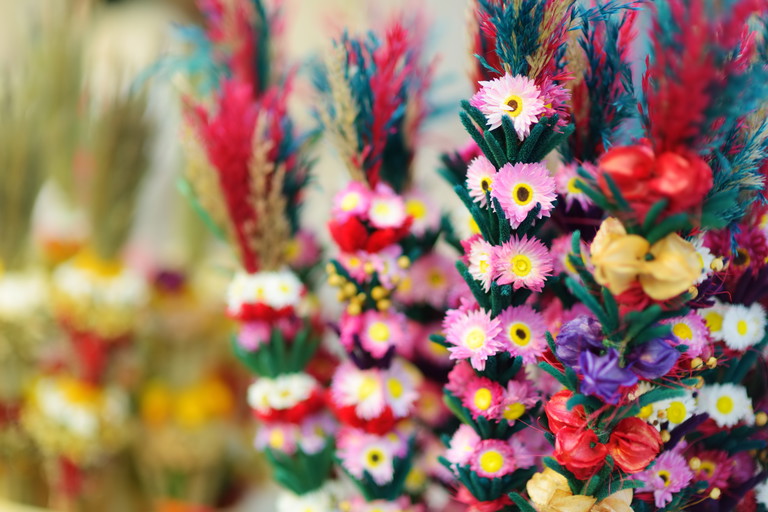
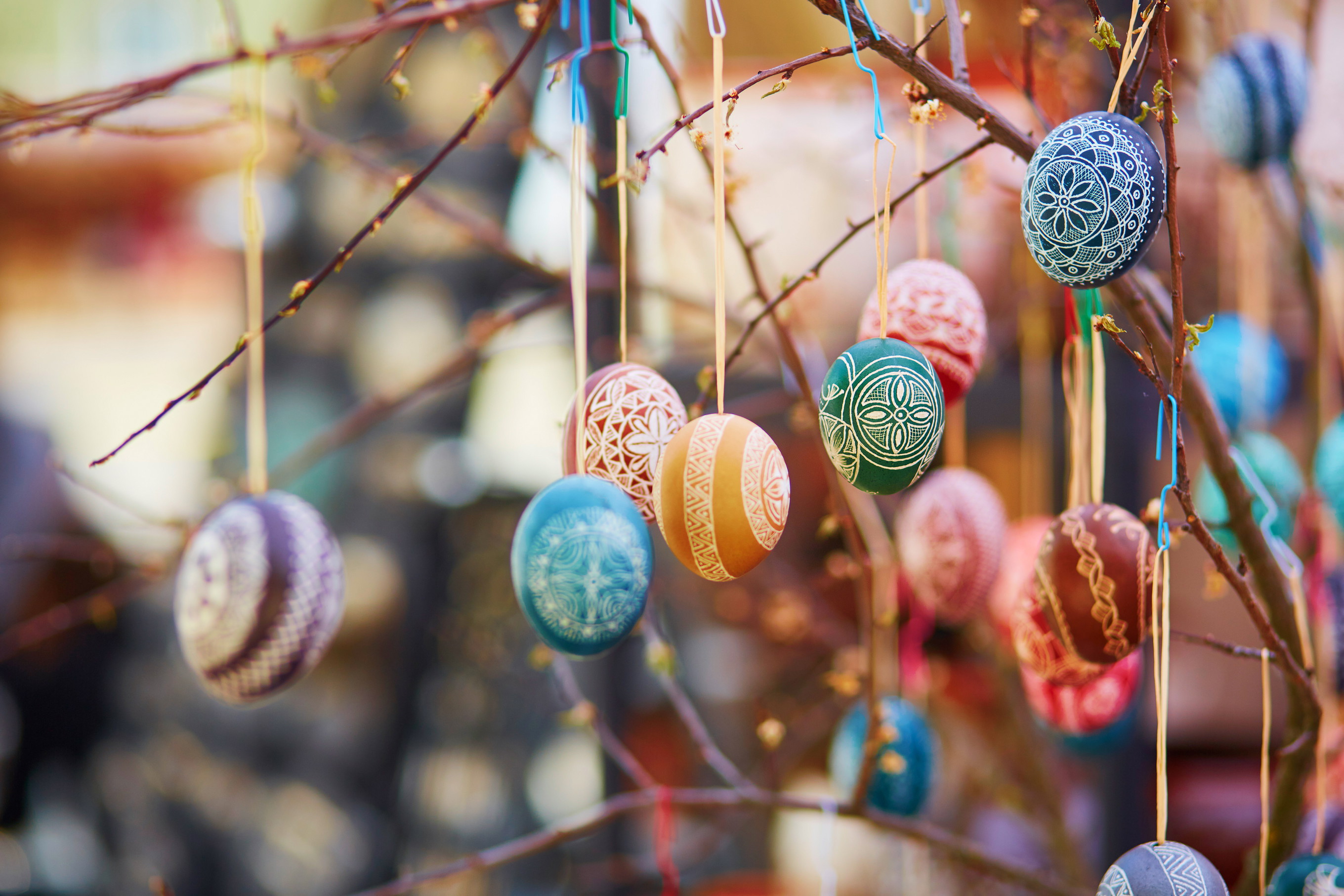
Easter in Lithuania is closely tied to the rhythms of nature and a rich tapestry of traditions. The celebrations begin on Palm Sunday, when decorative “palms”, known in Lithuania as verbos, made of dried flowers, willow branches and herbs are blessed in church. In the days leading up to Easter, homes are cleaned and prepared, while Holy Saturday is dedicated to colouring eggs and blessing food. Some families also decorate an Easter tree, made from spruce branches and adorned with eggs and ornaments – a symbol of life and good fortune.

Lithuanian verbos
© Adobe Stock
Lithuanian verbos

At the heart of these traditions is the Easter Granny, a traditional figure said to bring eggs and small gifts for children. Instead of the Easter bunny, it is she who hides the eggs, turning Easter morning into a joyful treasure hunt.

The Art of Easter Eggs

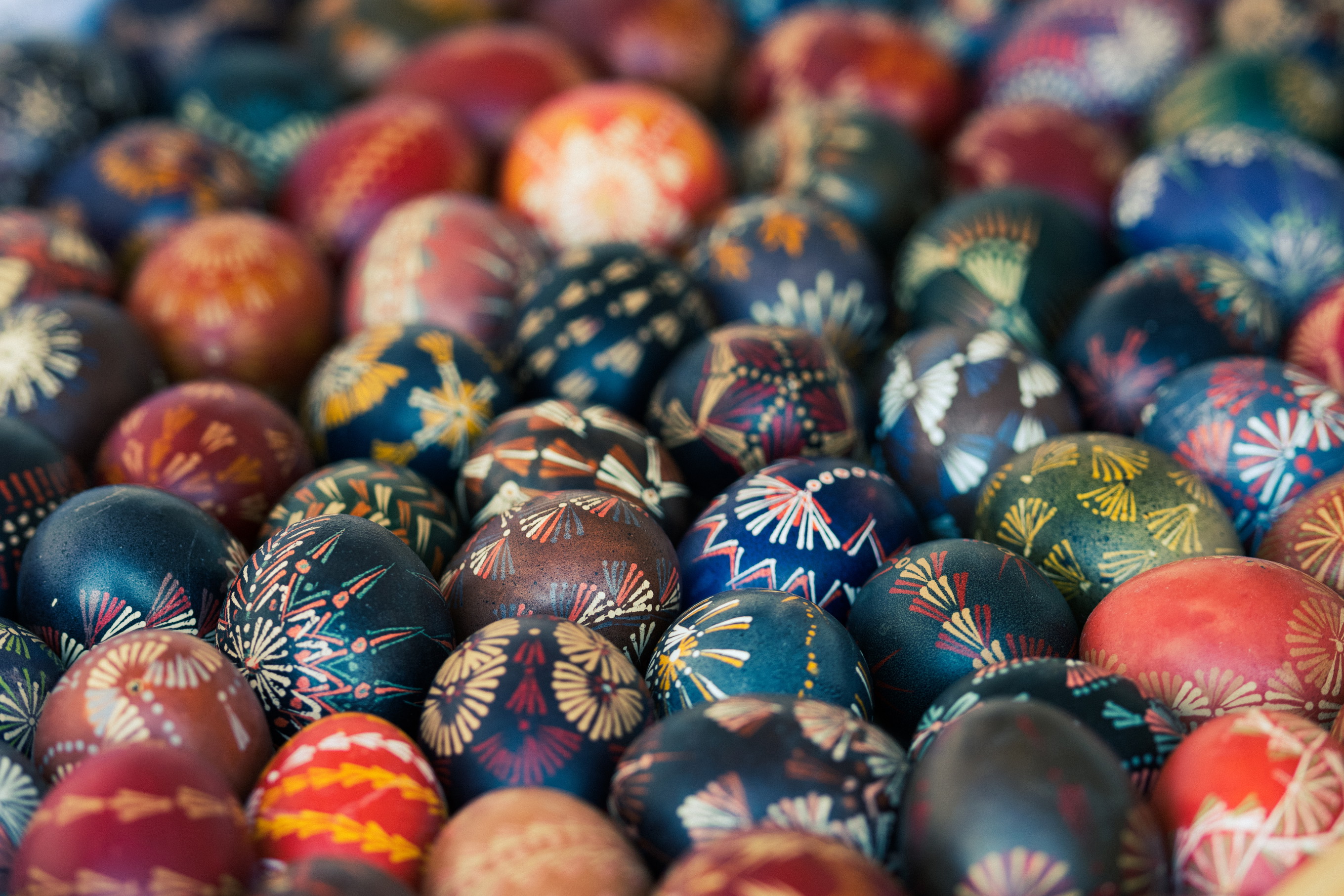
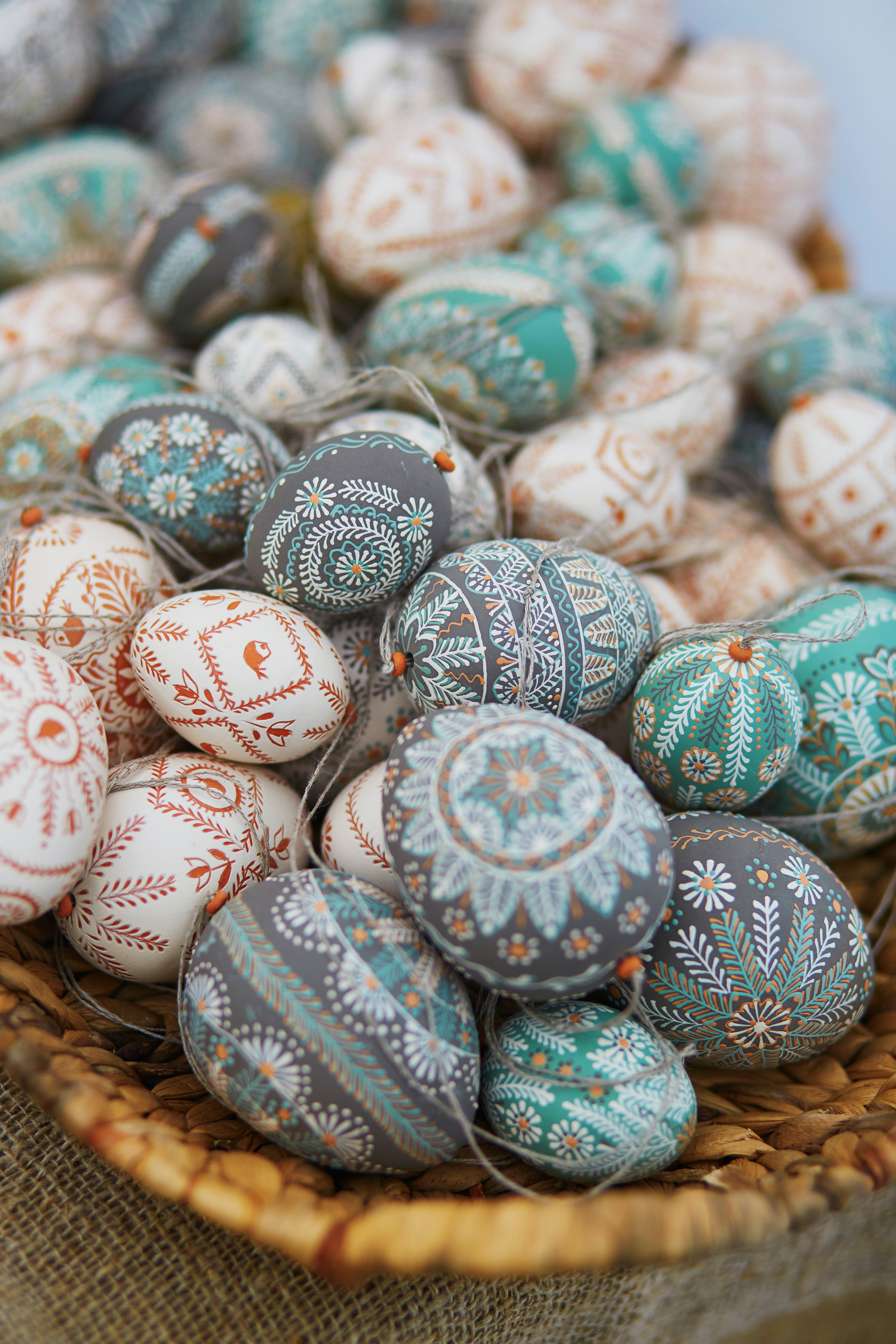
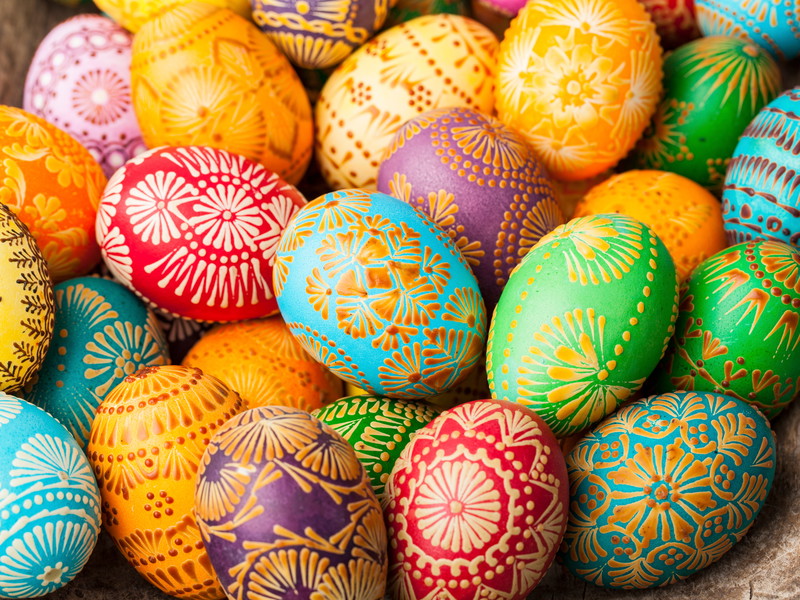
The most important symbol of Lithuanian Easter is the decorated egg, known as margučiai, intricately patterned eggs that symbolise life and renewal. Families gather on Holy Saturday to dye and decorate eggs using traditional techniques such as wax-resist patterns, natural dyes from onion skins, or pressed flowers and herbs. On Easter Sunday, these eggs are shared and exchanged, often accompanied by playful rituals such as egg tapping or rolling.


While Easter remains an important religious holiday, modern celebrations in Lithuania are equally defined by family, food and tradition – a warm and colourful welcome to spring.

The Editors
Find out more
1 / 12