In much of Europe, foraging has become a rediscovered trend. In the Nordic countries, it has never entirely disappeared. Here, gathering food from the wild remains part of everyday life—less a pastime than a quiet cultural constant. At the centre of this tradition lies a principle known as Allemansrätten in Sweden and jokaisenoikeudet in Finland. These “Everyman’s Rights” allow anyone to move freely through forests and countryside, and to gather berries, mushrooms, and herbs for personal use. This accessibility has shaped a lasting habit. Nature is not treated as something distant or reserved, but as an extension of daily life—always close, always available.
A Seasonal Pantry
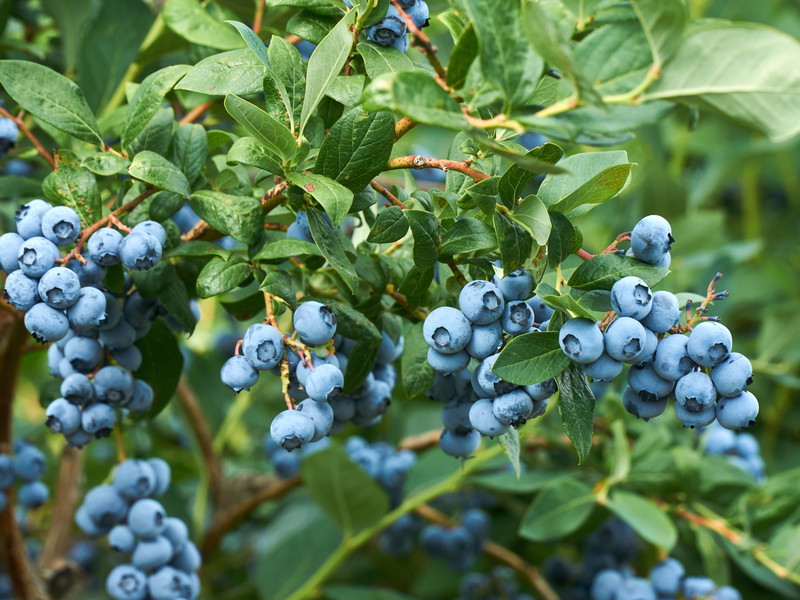
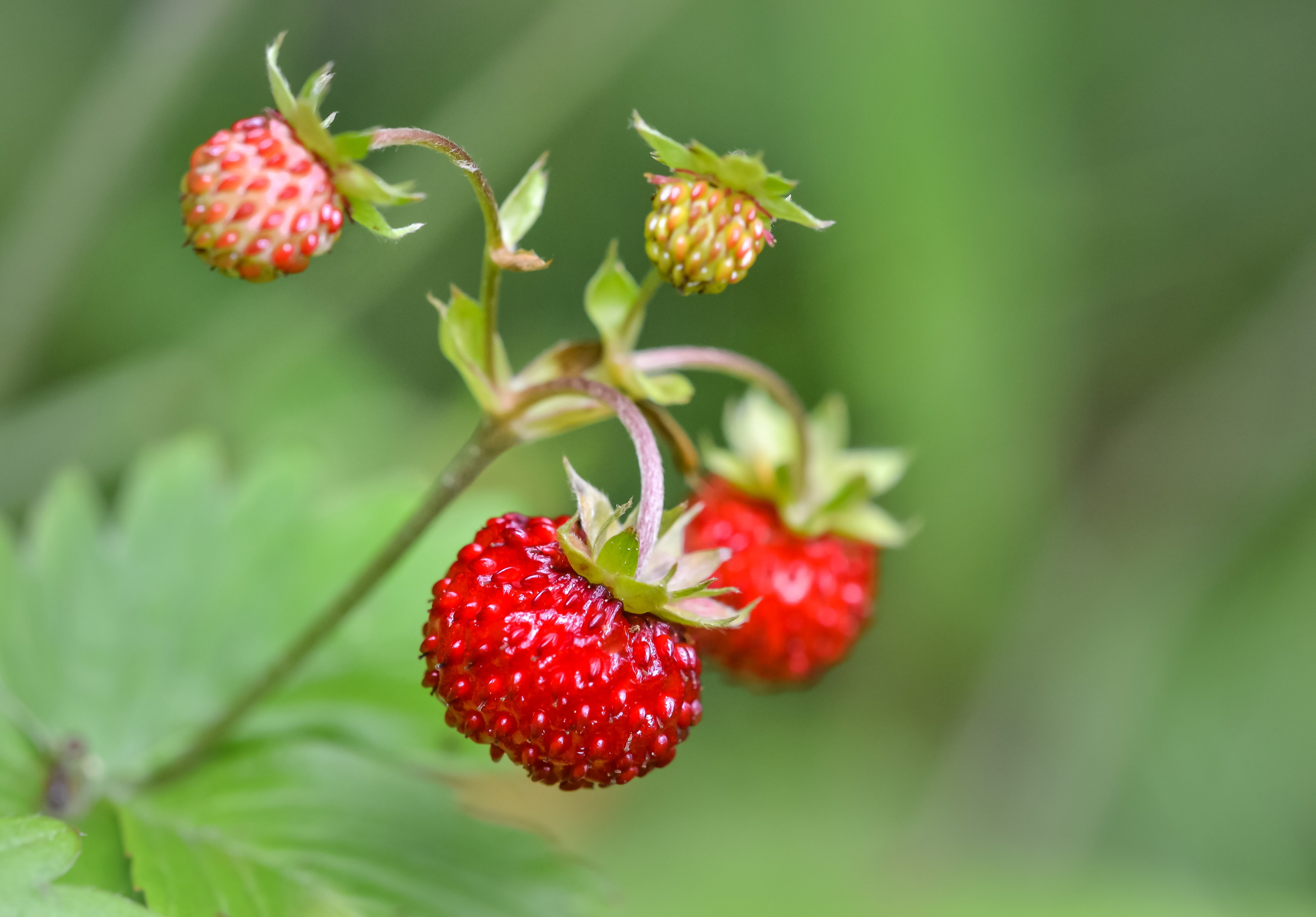
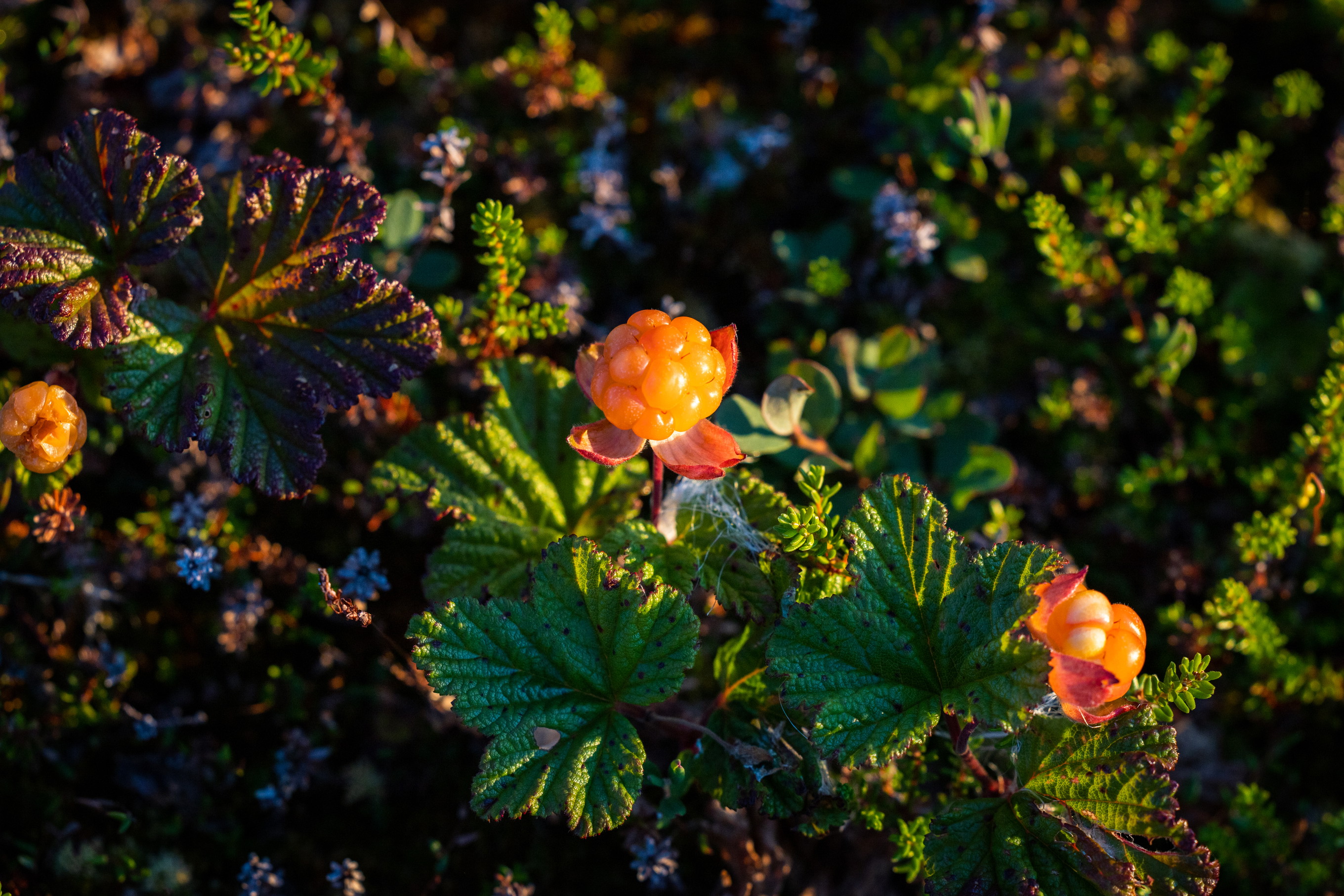
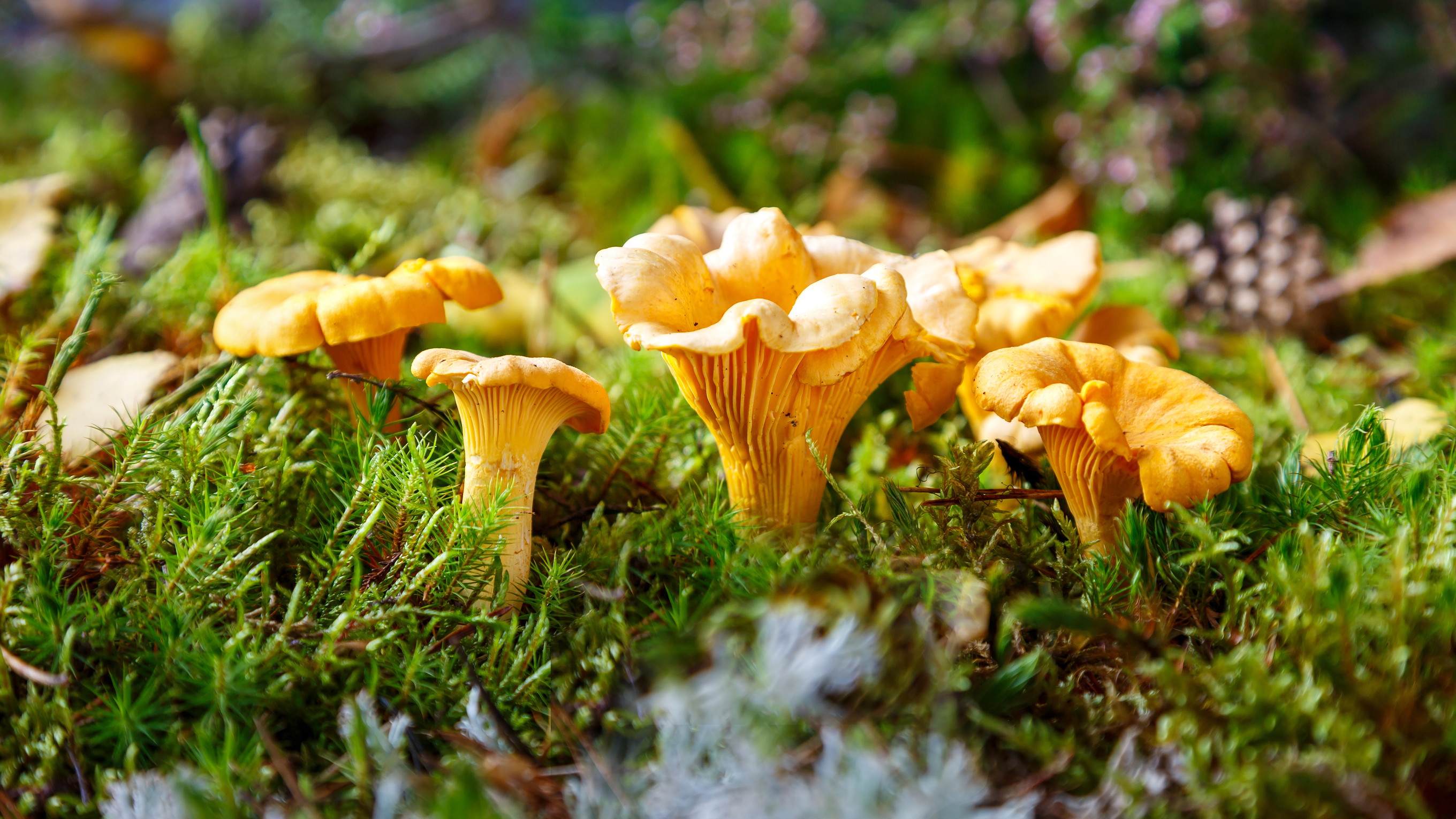
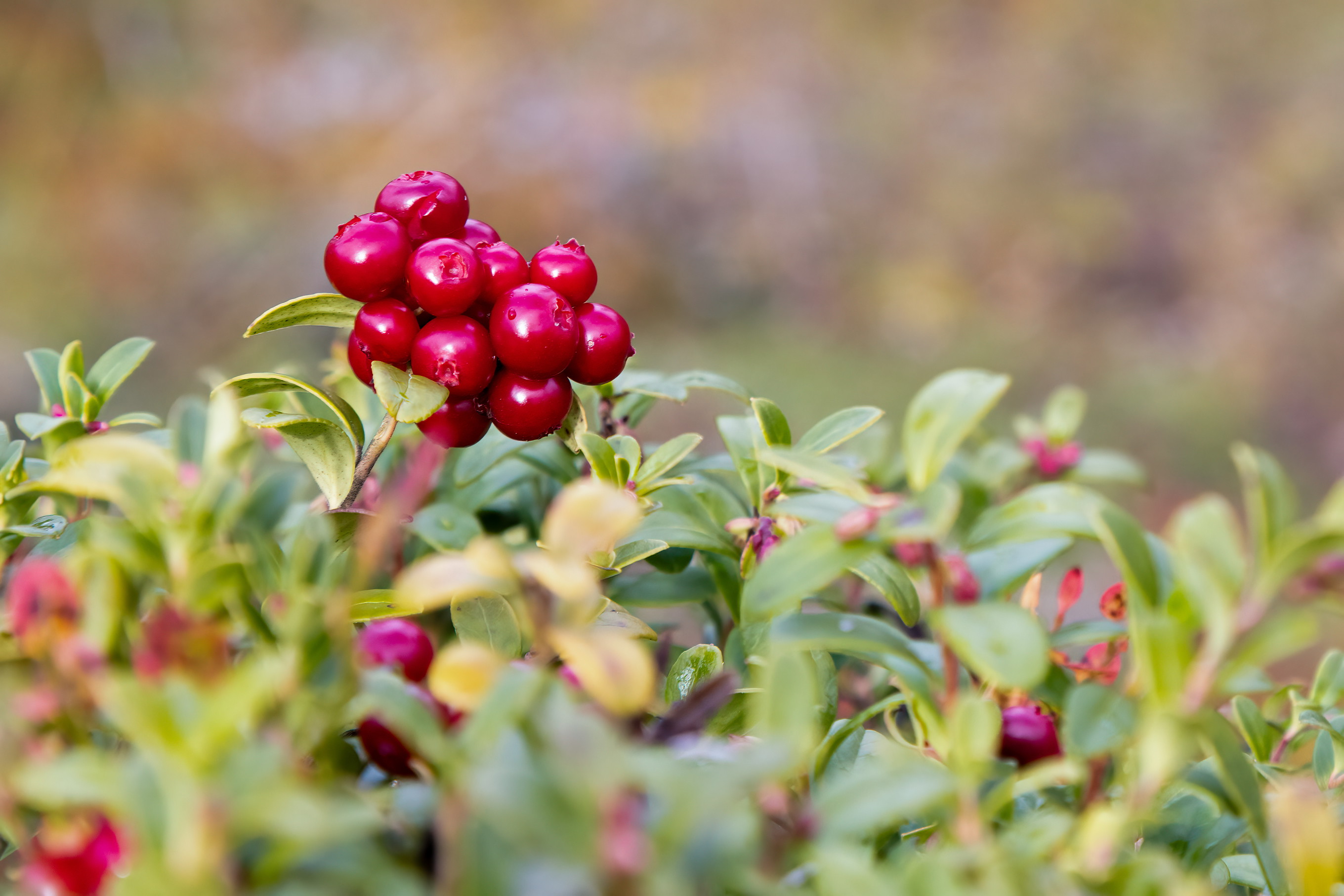
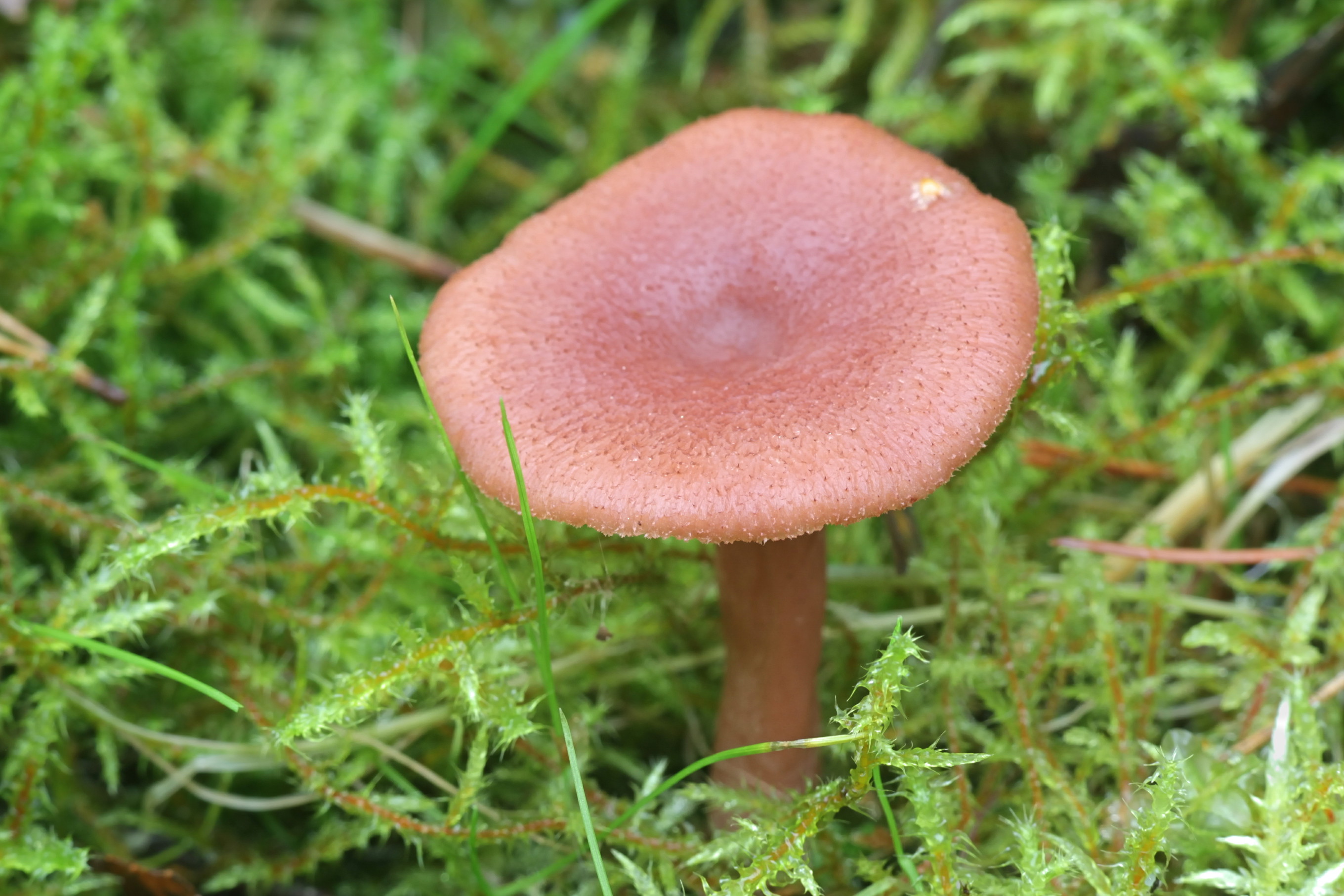
The Nordic climate leaves little room for abundance out of season, making timing essential. Summers are brief, and with them comes a heightened awareness of what the land provides. In mid-summer, forests fill with bilberries and wild strawberries, followed by lingonberries later in the season. Further north, the marshlands of Lapland yield cloudberries (lakka), rare golden berries so treasured that locals guard their picking spots as carefully as family secrets. Berries are not only valued for their flavour, but also for their richness in vitamins and antioxidants. By late summer and autumn, mushrooms take over—chanterelles, porcini, and milk caps among the most sought-after varieties. These ingredients are rarely treated as novelties. They are gathered, preserved, and used with familiarity, often finding their way into simple, seasonal dishes.