Rueda wine tour: discover the white wine wonder
Spain’s Rueda wine region has been experiencing an unprecedented boom for many years. A journey to the home of Verdejo reveals not only fresh, vibrant white wines but also an authentic side of Spain far from the tourist crowds.
Over the last 25 years, the Spanish wine region of Rueda has been an unparalleled success story. Since the turn of the millennium, the area under vines in the Denominación de Origen (D.O.) in the heart of Castile and León has more than tripled, even doubling in the last ten years. Today it stands at 20,800 hectares. This growth is particularly striking, as wine consumption is decreasing like everywhere else in the world and many other wine regions in the country are stagnating or even losing area. Rueda, on the other hand, is booming. And for good reason: Rueda is one of the few regions in Spain where mainly white wines are produced, and demand for them has been rising for years. The region's success story is inextricably linked to the Verdejo grape variety, which is currently cultivated on around 87 percent of the D.O.'s total vineyard area. The variety has been cultivated in Rueda since the eleventh century and is said to have come to Castile from North Africa during Moorish rule.
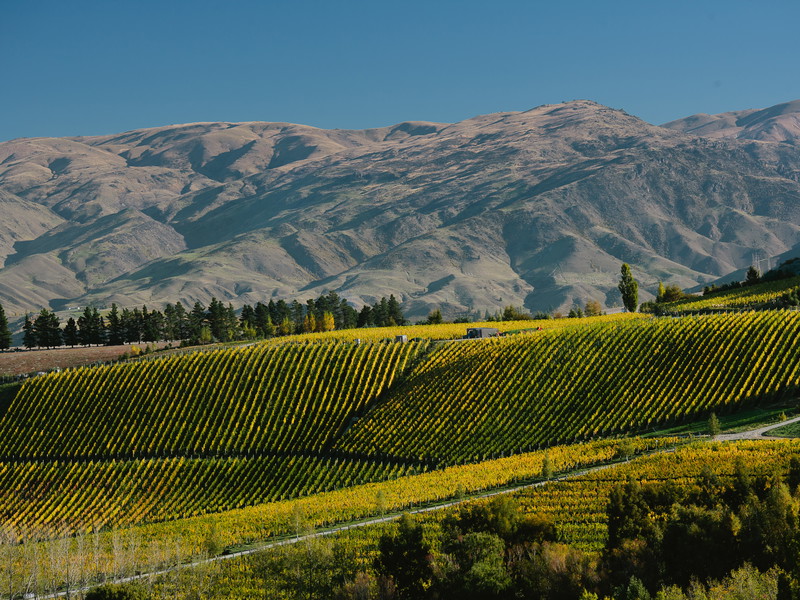
The vineyards of Rueda are located in the heart of the Castilian plateau, southwest of Valladolid, paradoxically surrounded by two of Spain's most prestigious red wine regions: Ribera del Duero and Toro. The D.O. includes parts of the provinces of Valladolid, Segovia and Ávila and stretches along the southern bank of the Duero river. If you want to discover authentic Castile off the beaten tourist track, this is the place for you. The clear air, the pine forests, the vineyards, the wide horizon and the special light make Rueda an impressive destination for wine lovers.
Valladolid: history, culture and enjoyment
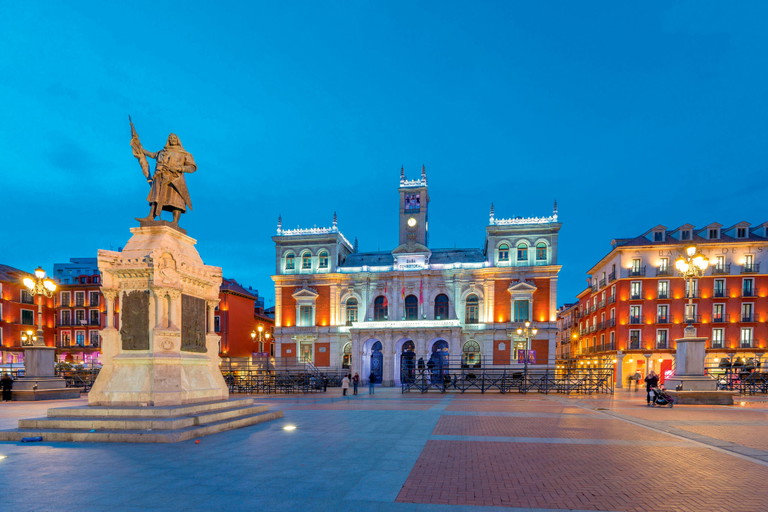
The vibrant city of Valladolid, once the seat of the Spanish court, is a great starting point for exploring the region. Numerous magnificent buildings still bear witness to the city's eventful past: the majestic Baroque-style Nuestra Señora de la Asunción Cathedral, for example, the Renaissance Palacio de los Condes de Benavente or the Gothic Iglesia de San Pablo church. In the winding alleyways around the pretty Plaza Mayor with its elegant arcades, one bar follows the next. The menus feature regional specialties such as lechazo (milk-fed lamb) and, of course, pinchos, for which Valladolid is famous. Every year, the city hosts the Concurso Nacional de Pinchos y Tapas Ciudad de Valladolid - a national pinchos competition that brings together top chefs from all over Spain to present their creative creations. Often with a political undertone.
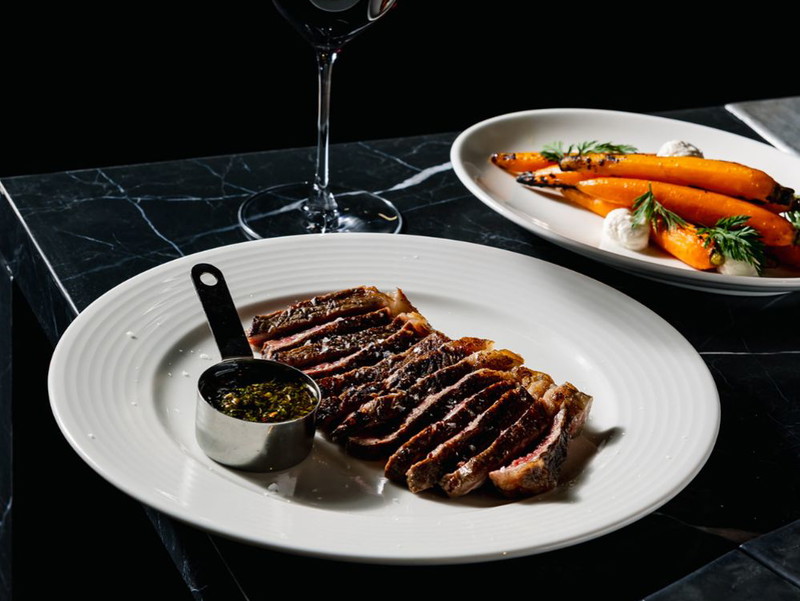
If you want to try some of the award-winning pinchos, you should definitely stop by Los Zagales or Villa Paramesa. We also recommend the creative regional cuisine in the modern restaurant Gabi García, where high-quality regional products are skillfully presented. The wine list includes numerous Rueda trouvailles. A very special highlight awaits travelers to Valladolid during Semana Santa, Holy Week. Then, numerous processions take place, during which magnificently decorated figures of saints, the so-called pasos, are carried through the streets of the city. They are accompanied by brotherhoods whose members are clad in the traditional cowls with their pointed hoods. The Semana Santa in Valladolid is one of the most important and impressive Holy Week celebrations in Spain and attracts up to 400,000 visitors every year.
Forgotten treasures
Rueda is all about freshness, lightness and liveliness. Today it is hard to imagine that until the 1970s the region was mainly known for Dorado, a golden-colored, oxidatively matured, sherry-like wine. This almost forgotten rarity has been experiencing a renaissance in recent years.
The best-known producer of Dorado is Bodegas de Alberto in Serrada, which is located in a former Dominican monastery. The impressive, labyrinthine vaulted cellars of the 17th century winery alone are worth a visit. During the guided tours, which can be booked here daily, you can also experience the Dorado production, which includes the one-year storage in glass balloons, where the wine is exposed to wind and weather. The Diez Siglos Dorado winery, also located in Serrada, has also been producing since 2019. Visits are also possible here.
Incidentally, the decisive style revolution that heralded the rise of Rueda took place in 1972, when the famous Rioja wine dynasty Marques de Riscal came to the region. With it, modern cellar technology and cool fermentation were introduced, which still characterize the Verdejo style from Rueda today. The winery on the outskirts of the small town of Rueda also offers guided tours. Just like the experimental winemaker Rodríguez Sanzo, also based in Rueda, who matures his Verdejo wines in sherry barrels, among other things.
Discovery tour along the Duero
Along with La Seca, Serrada, Medina del Campo and Tordesillas, Rueda is one of the main towns along the Ruta del Vino de Rueda, which essentially follows the course of the southern bank of the River Duero. The route runs through the wide hilly landscape of Rueda with its vineyards, fields and pine forests, through picturesque villages with traditional architecture and past historical sights. A wonderful opportunity to get to know the region and its wines, which are more exciting today than ever before. In particular, the introduction of the Gran Vinos de Rueda category a few years ago, which identifies premium wines that come from vines at least 30 years old and focus on the region's special terroir. The range in Rueda is immense: in addition to large wineries that deliver impressive basic qualities, there are also small, artisanal family businesses. Vidal Soblechero in La Seca, for example, or Viñas Murillo in Alcazarén, which has ancient Verdejo plots, some of which date back to before the phylloxera catastrophe. If you want to experience authentic Castile and discover excellent wines, Rueda is a largely untouched gem waiting to be explored.