

Coke and espresso: match made in heaven or odd couple?
If espresso tonics or whipped coffee can go viral – why not espresso cola?
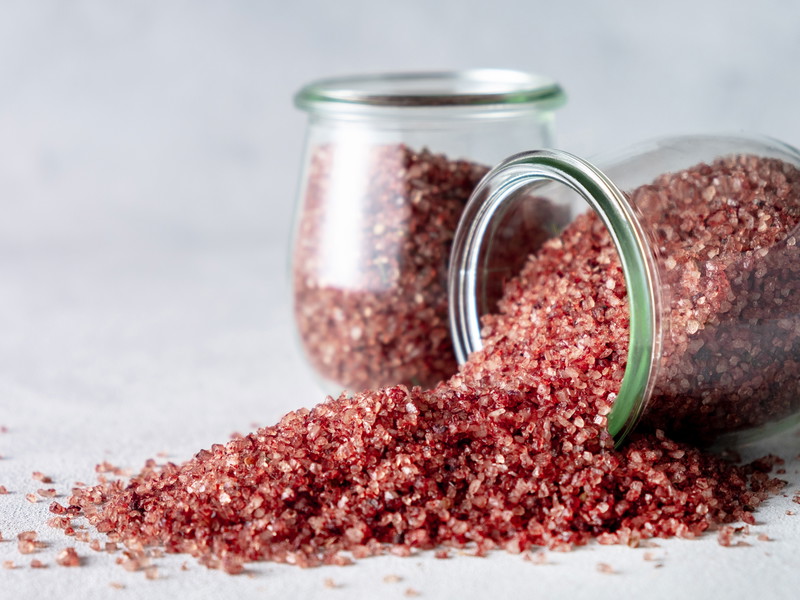
This summer's latest gourmet trend is a popular addition to steaks and barbecue.
Salt and wine are among the many secret ingredients that give dishes that certain something. It stands to reason that this tried-and-tested combination works well – what is surprising, however, is the idea of combining both into a single seasoning – an notion that has only recently emerged.
An Instagram video was published early omn the year showing how you can easily make your own red wine salt. It now stands at several million views and has received numerous comments - from "Perfect for lamb chops " to "I absolutely have to try this, great color!" – which underlines the massive interest in this culinary innovation.
When making red wine salt, the focus is on highlighting the complexity and intense flavor of the wine. Wine salts retain the basic aromas of the wine used, which is why each batch can vary slightly in taste. In general, red wine salt combines a balanced blend of spicy and salty notes with a sweet, fruity nuance reminiscent of grapes.
Red wine salt is produced by drying and concentrating the wine, which intensifies its flavor. Choose an acidic wine if you'd prefer a more sour note. If fruity nuances such as cherry or raspberry are desired, it makes sense to choose a corresponding wine. Generally speaking, full-bodied, strong red wines are best, while sweet varieties do not work as well. In short, if a wine tastes good with food, it is also worth trying to use for red wine salt.
Only two ingredients are needed: Red wine and salt. Optionally, other spices such as rosemary or black pepper can be added to refine the aroma. To make it, mix around 50 milliliters of wine with 200 grams of salt in a bowl. The mixture should then be left to rest for at least an hour, preferably overnight, so that the wine can properly soak in. Excess wine can then be strained using a fine-mesh sieve.
To dry your new seasoning, either use a dehydrator at around 51 degrees Celsius or place in an oven with circulating air at around 70 degrees. Alternatively, you can simply place in a well-ventilated, dry place with low humidity. It is important to store the finished red wine salt in an airtight container so that it retains its aroma and does not clump together.


